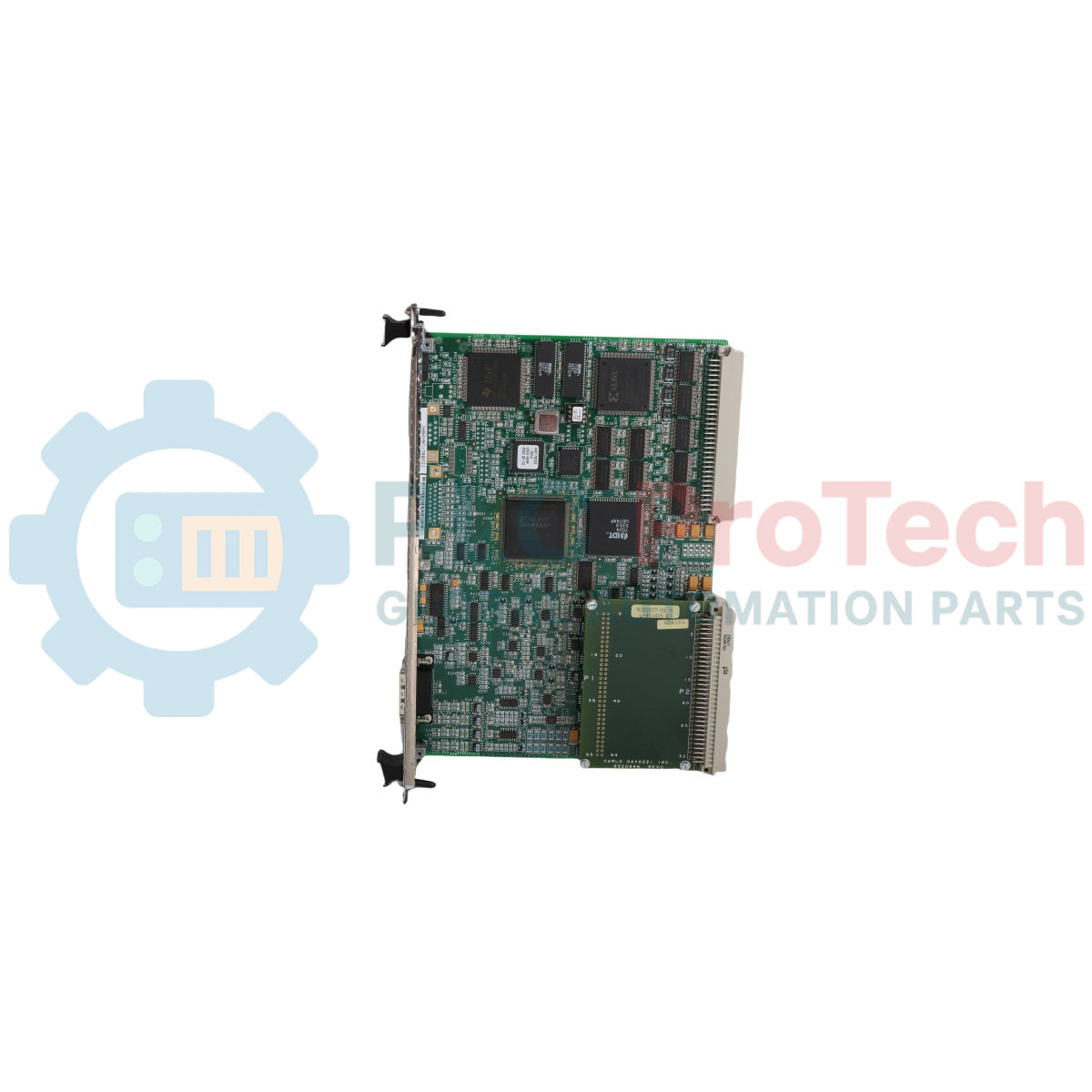
General Electric IS200VTURH2BAC Mark VI modul rozhraní vibračního převodníku
SKU IS200VTURH2BAC
Skladem
No reviews
12-month warranty
Free returns within 30 days
Manufacturer:
General Electric
Product No.:
IS200VTURH2BAC
Country of origin:United States
Product Type:
Modul rozhraní vibračního převodníku
Barcode:
8537101190
Payment:
T/T, Western Union
Weight:
290g
Dimensions:
27,94 × 22,86 × 7,62 palce
Shipping port:
Xiamen
Warranty:
12 months
Popis
IS200VTURH2BAC funguje jako modul rozhraní vysokohustotního snímače vibrací vyráběný společností General Electric jako součást platformy řízení turbín Mark VI Speedtronic. Tento modul se připojuje k terminálovým deskám, jako je TTUR, a přivádí do prostředí řídicí jednotky důležité údaje o otáčkách hřídele a ze snímačů. Hraje klíčovou roli v primární smyčce ochrany proti překročení otáček: při identifikaci poruchových stavů směruje vypínací signály do desky TRPG, kde jsou následně zpracovány pomocí tříreléových hlasovacích obvodů, které systematicky odpojí napájení vypínacích solenoidů.
Kromě dynamických snímacích vstupů provádí IS200VTURH2BAC algoritmus automatické synchronizace systému. Deska monitoruje duální vstupy potenciálových transformátorů (PT) z generátoru i přípojnic a aktivně sleduje změny fáze a skluzu. Po aktivaci aplikačním běhovým kódem využívá techniku průchodu nulovým napětím řízenou přerušeními k modulaci údajů o fázi, skluzu a zrychlení a následně aktivuje sepnutí relé jističe K25, přičemž zachovává adaptivní kompenzační parametry pro fyzická časová zpoždění jističe.
Funkce
Víceúrovňová ochrana turbíny proti překročení otáček: Spolupracuje se snímači otáček a terminálovými komponenty a zajišťuje spolehlivé smyčky řízení a primární i nouzové ochrany proti překročení otáček.
Výstup s hlasováním dvou ze tří: Vysílá nezávislé signály pro realizaci hlasování 2/3 v obvodech hardwarových relé a zajišťuje ukončení činnosti solenoidů nouzového vypnutí.
Algoritmus automatické synchronizace (K25): Využívá logiku průchodu nulovým napětím k měření rozdílů fáze, skluzu a zrychlení mezi generátorem a přípojnicemi a k řízení připojení jističe.
Samoadaptivní kompenzace jističe: Nabízí konfigurovatelné sledovací parametry, které automaticky upravují povely k sepnutí jističe podle mechanických časových zpoždění.
Podpora časování více jističů: Umožňuje vypočítávat a provádět synchronizační postupy pro dvě odlišné a samostatné jednotky jističů z jediné sestavy desky.
Aplikace
Smyčky monitorování a ochrany plynových a parních turbín Mark VI Speedtronic proti překročení otáček
Automatizované řízení elektrické synchronizace generátoru s přípojnicemi
Rozhraní trojitě modulárně redundantního nouzového vypnutí (ESD) pro vypnutí turbíny
Technické specifikace
Položka
Popis / hodnota
Výrobce
General Electric
Řada
Mark VI
Číslo dílu
IS200VTURH2BAC
Typ produktu
Modul rozhraní snímače vibrací
Provozní příručka
GEH-6421
Počet analogových napěťových vstupů
6
Rozsah napětí v souhlasném režimu
+/-5 V
Jmenovité napětí desky
125 V ss
Provozní teplota
0 až 60 °C
Rozměry
11,00 x 9,00 x 3,00 palce
Země původu
Spojené státy
Pokyny k instalaci
Parametrizace logiky jističe: Před aktivací rutiny automatické synchronizace K25 se ujistěte, že jsou v softwarové databázi plně nakonfigurovány časová zpoždění sepnutí jističe a provozní limity napětí.
Zapojení potenciálových transformátorů na vstupech: Před zakončením vodičů ověřte, že jsou vedení potenciálových transformátorů generátoru a přípojnic bezpečně izolována a že jejich hodnoty odpovídají limitům napětí v souhlasném režimu.
Uzemnění stínění snímačů: Všechny přívodní prvky stínění vibrací a zpětné vazby otáček připojte k určené liště ochranného uzemnění rámu, aby vysokofrekvenční rušení nenarušovalo výpočty průchodu nulou.
FAQ
Jakou výpočetní techniku používá algoritmus automatické synchronizace?
Algoritmus automatické synchronizace používá k výpočtu fáze, skluzu a zrychlení mezi vstupy generátoru a sběrnice techniku průchodu nulovým napětím.
Vyžaduje zařízení ke spuštění svých funkcí řízení synchronizace zdroj napětí?
Ano, algoritmus automatické synchronizace je řízen přerušeními a ke správné funkci musí být přítomno aktivní napětí generátoru.
Jak se řeší rozhodnutí o vypnutí mezi modulem a vypínacími solenoidy?
Po určení podmínky pro vypnutí jsou signály odeslány na desku TRPG, kde jsou tři výstupy vyhodnoceny hlasováním 2 ze 3 ve třech reléových hlasovacích obvodech, aby se odpojilo napájení jednotlivých vypínacích solenoidů.
Zjistěte, jak síťové tlumivky, harmonické filtry, výstupní tlumivky, filtry dV/dt a sinusové filtry řeší různé problémy s kvalitou napájení VFD a kabeláží motoru – a jak je bezpečně vybrat.
Zjistěte, jak režimy fotoelektrických senzorů light-on a dark-on souvisejí s průchozím paprskem, retroreflexním a difuzním snímáním, zapojením PNP/NPN, logikou PLC, uvedením do provozu a detekcí...
Praktický průvodce řízením motorů s H-můstkem, který se zabývá spínacími stavy, mrtvou dobou, cestami indukčního proudu, volbou PWM, ochranami, návrhem desky plošných spojů, rozhraním PLC a...
Naučte se, jak instrukce STL a RET PLC Mitsubishi FX strukturují sekvence dopravníků a pneumatických systémů pomocí praktického návrhu stavů, přechodové logiky, časových limitů, diagnostiky a...
Praktický průvodce výběrem, zapojením a diagnostikou ventilových konektorů ve stylu DIN, včetně identifikace provedení, napětí cívky, odrušení, polarity, utěsnění, vlivu doby odpadu a kontrol při...
PLC i mikrokontrolér mohou oba generovat pohybové signály typu krok a směr, ale obloukové svařování odhaluje zásadní rozdíly v elektromagnetické kompatibilitě, ochraně vstupů a výstupů, diagnostice,...