


Logika fotoelektrického senzoru Light-On a Dark-On
Zjistěte, jak režimy fotoelektrických senzorů light-on a dark-on souvisejí s průchozím paprskem, retroreflexním a difuzním snímáním, zapojením PNP/NPN, logikou PLC, uvedením do provozu a detekcí...
Manufacturer: Omron
Product No.: E3Z-LL81
Country of origin:Japan
Product Type: Fotoelektrické snímače
Payment: T/T, Western Union
Weight: 1000g
Dimensions: 150 x 100 x 50 mm
Shipping port: Xiamen
Warranty: 12 months
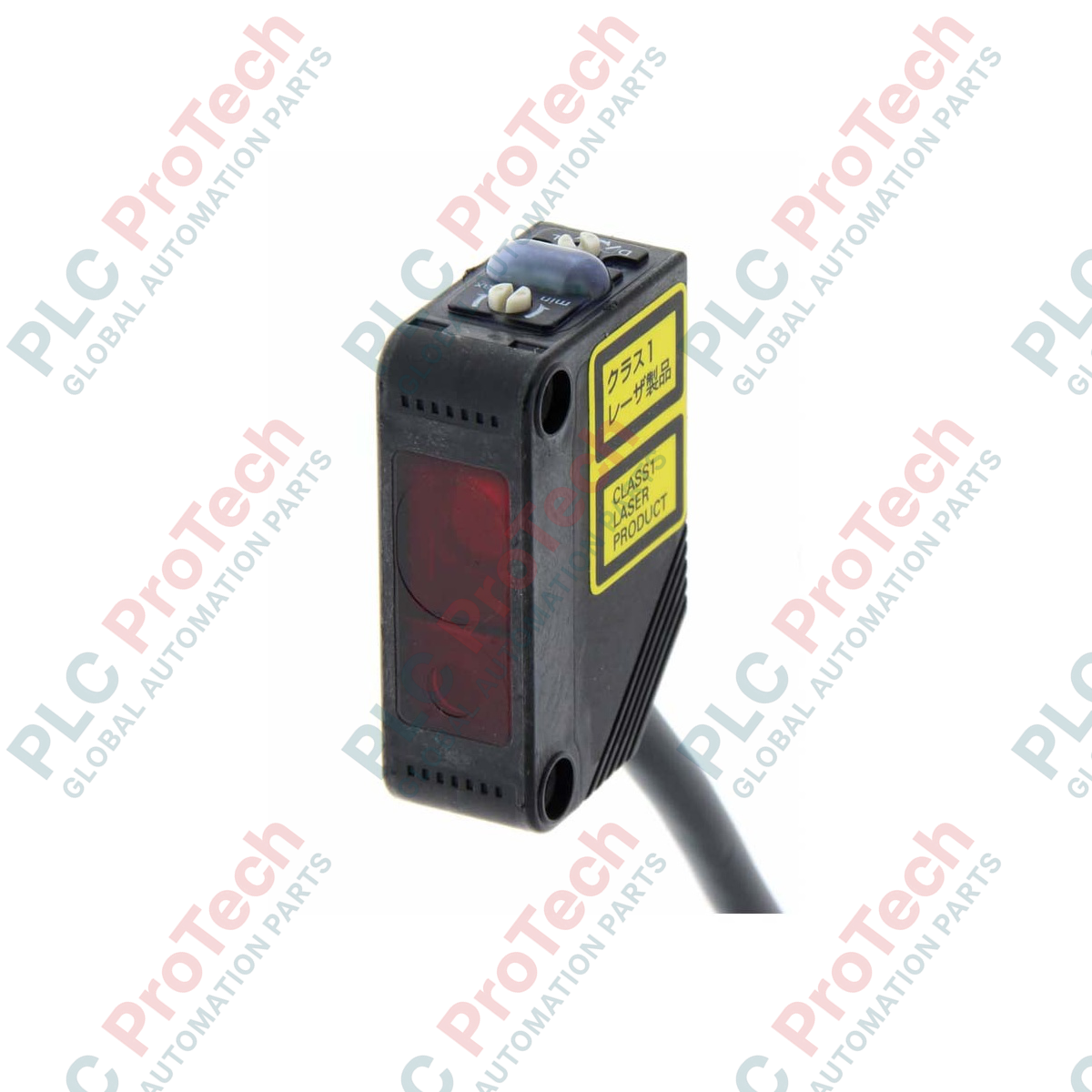
Fotoelektrický snímač Omron E3Z-LL81 poskytuje přesné potlačení pozadí (BGS) s nastavitelnou vzdáleností pro komplexní polohovací aplikace. K detekci cílů s přesností na milimetry využívá vysoce přesnou červenou laserovou diodu třídy 1. Snímač je navržen tak, aby ignoroval objekty v pozadí za nastavenou mezí, a zajišťuje vysoce spolehlivou detekci objektů bez ohledu na jejich barvu, lesk nebo úhel. Díky ultra-koncentrovanému bodu o průměru 0,5 mm ve vzdálenosti 300 mm je zařízení ideální pro kontrolu elektronických součástek, detekci malých dílů a vysokorychlostní automatizované balicí stroje.
| Parametr | Specifikace |
|---|---|
| Výrobce | Omron |
| Číslo modelu | E3Z-LL81 |
| Metoda snímání | S nastavitelnou snímací vzdáleností (modely BGS) |
| Snímací vzdálenost (bílý papír) | 20 až 300 mm (terč 100 × 100 mm) |
| Snímací vzdálenost (černý papír) | 20 až 160 mm (terč 100 × 100 mm) |
| Rozsah nastavení vzdálenosti (bílý papír) | 40 až 300 mm |
| Rozsah nastavení vzdálenosti (černý papír) | 40 až 160 mm |
| Světelný zdroj (vlnová délka) | Červená LD (655 nm), JIS třída 1, IEC třída 1, FDA třída 2 |
| Průměr bodu (referenční hodnota) | průměr 0,5 mm ve vzdálenosti 300 mm |
| Napájecí napětí | 12 až 24 V DC ±10 %, zvlnění (špička–špička): max. 10 % |
| Spotřeba proudu | max. 30 mA |
| Řídicí výstup | PNP s otevřeným kolektorem, max. 26,4 V DC, max. zatěžovací proud 100 mA |
| Přepravní hmotnost (vypočtená) | 1,00 kg (včetně ochranného továrního balení) |
| Rozměry balení (vypočtené) | 150 × 100 × 50 mm |
| Barva vodiče | Funkce / přiřazení |
|---|---|
| Hnědý | Napájení (+V, 12 až 24 V DC) |
| Modrý | Napájení (0V / GND) |
| Černý | Řídicí výstup (otevřený kolektor PNP) |
| Růžový | Řídicí vstup (volba Light-ON / Dark-ON) |
E3Z-LL81 je vybaven výstupem s otevřeným kolektorem PNP. Pokud váš řídicí systém vyžaduje konfiguraci NPN, použijte alternativní model E3Z-LL61. Montážní rozměry a snímací rozsahy jsou u obou modelů shodné, což umožňuje přímou fyzickou výměnu při integraci systému nebo úpravách logiky.
Při použití snímače v prostředí s vysoce reflexními kovovými nebo zrcadlovými povrchy umístěnými v blízkosti snímacího pole může odraz od pozadí obejít potlačení pozadí BGS. Pro potlačení této optické zpětné vazby namontujte snímač pod úhlem 5 až 10 stupňů vůči povrchu cíle. Neumisťujte snímač na přímé sluneční světlo ani proti intenzivním vysokofrekvenčním výbojovým světelným zdrojům, které mohou narušit obvod přijímače.
Pro konfiguraci výstupního režimu snímače použijte integrovaný růžový ovládací vodič. Připojením růžového vodiče k hnědému vodiči (+V) nakonfigurujete snímač pro režim Dark-ON, zatímco připojením k modrému vodiči (0V) nebo jeho ponecháním nepřipojeného jej nakonfigurujete pro režim Light-ON. Před zakončením vodičů ověřte proudové limity, abyste zabránili poškození interního tranzistoru PNP nadproudem.
Před prováděním elektrických připojení nebo mechanického nastavování odpojte všechny zdroje napájení. Při napájeném snímači se nedívejte přímo do čočky laserového vysílače, protože přímé působení laseru může způsobit podráždění očí nebo poškození zraku.
Snímač bezpečně upevněte pomocí kompatibilního držáku Omron ve tvaru L nebo přímo na rám stroje a zajistěte, aby optická dráha k cíli nebyla blokována žádnými překážkami.
Zapojte snímač podle elektrického schématu. Ujistěte se, že růžový vodič je připojen k příslušnému potenciálu (+V nebo 0V), aby definoval požadovaný provozní režim (Light-ON nebo Dark-ON).
Přiveďte napájení 12 až 24 V DC a ověřte, že zelený indikátor stability zůstává v podmínkách bez snímání rozsvícený, což signalizuje dostatečnou rezervu signálu.
Umístěte cílový objekt do maximální požadované detekční vzdálenosti a nastavujte integrovaný víceotáčkový šroub pro nastavení vzdálenosti, dokud se nerozsvítí oranžový provozní indikátor.

Global Express Shipping
Returns & Warranty
Global Express Shipping
Returns & Warranty
Orders are processed and delivered Monday-Friday (excluding public holidays).
For full eligibility, restocking fees, and international return details, please view our official Refund & Return Policy .
| Country of origin |
Japan
|

Zjistěte, jak režimy fotoelektrických senzorů light-on a dark-on souvisejí s průchozím paprskem, retroreflexním a difuzním snímáním, zapojením PNP/NPN, logikou PLC, uvedením do provozu a detekcí...

Praktický průvodce řízením motorů s H-můstkem, který se zabývá spínacími stavy, mrtvou dobou, cestami indukčního proudu, volbou PWM, ochranami, návrhem desky plošných spojů, rozhraním PLC a...

Naučte se, jak instrukce STL a RET PLC Mitsubishi FX strukturují sekvence dopravníků a pneumatických systémů pomocí praktického návrhu stavů, přechodové logiky, časových limitů, diagnostiky a...

Praktický průvodce výběrem, zapojením a diagnostikou ventilových konektorů ve stylu DIN, včetně identifikace provedení, napětí cívky, odrušení, polarity, utěsnění, vlivu doby odpadu a kontrol při...

PLC i mikrokontrolér mohou oba generovat pohybové signály typu krok a směr, ale obloukové svařování odhaluje zásadní rozdíly v elektromagnetické kompatibilitě, ochraně vstupů a výstupů, diagnostice,...

Piezoelektrické pneumatické ventily nabízejí nízkou přídržnou sílu a jemné proporcionální řízení, ale nejsou univerzální náhradou solenoidů. Tato příručka se zabývá elektronikou ovladače, limity...