


Inbetriebnahme des PLX32-EIP-MBTCP: Subnetze, Register und RPI
Eine Inbetriebnahme-Checkliste für den ProSoft PLX32-EIP-MBTCP zu Subnetztrennung, Registervereinbarungen, EtherNet/IP-Timing, Ausfalltests und Austauschprotokollen.
Hersteller: Yokogawa
Produkt-Nr.: ALR121-S51 S1
Herkunftsland:Japan
Produkttyp: Kommunikationsmodul
Strichcode: 8537101190
Zahlung: T/T, Western Union
Gewicht: 300g
Abmessungen: 14 cm x 13 cm x 3,2 cm
Versandhafen: Xiamen
Garantie: 12 Monate
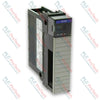
Das Yokogawa-Modul ALR121-S51 S1 ist ein hochzuverlässiges serielles 2-Port-Kommunikationsmodul für das verteilte Leitsystem (DCS) CENTUM VP. Als zentrale Datenaustauschbrücke wird dieses Modul häufig in Raffinerien, Kraftwerken und chemischen Produktionsanlagen eingesetzt, um Subsysteme wie SPS, Sicherheitssysteme und Analyseinstrumente direkt in die Field Control Station (FCS) zu integrieren. Durch die Unterstützung sowohl der seriellen Punkt-zu-Punkt-Kommunikation RS-422 (4-Draht) als auch des Multipoint-Protokolls RS-485 ermöglicht das Modul die nahtlose Verbindung mit Modbus-, MELSEC- oder Allen-Bradley-SLC500-Subsystemen. Mit einer Korrosionsschutzbeschichtung nach ISA-Standard G3 gewährleistet dieses Modul der Ausführung 1 eine kontinuierliche, unterbrechungsfreie Prozessüberwachung. Diese hochverfügbare Datenverbindung verhindert aktiv Signalausfälle und beseitigt Kommunikationsengpässe, schützt dadurch kritische Betriebszeiten und reduziert ungeplante Anlagenstillstände.
Der Systembestellcode für das Modul ALR121-S51 S1 definiert seine Hardwarebeständigkeit, seinen Umgebungsschutz und die Überarbeitungsstufe der Produktionsausführung:
ALR121: Bezeichnung des Basismodells für das serielle 2-Port-Kommunikationsmodul (RS-422/RS-485).
-S: Standardmodul für standardmäßige Industrienetzwerke.
5: Ohne speziellen Explosionsschutz konfiguriert (geeignet für standardmäßige Leitwarten- oder gespülte Rack-Installationen).
1: Ausgestattet mit einer ISA-Standard-G3-Schutzbeschichtung zum hervorragenden Schutz vor korrosiven Gasen.
S1: Designüberarbeitung der Ausführung 1, die den physischen Hardware-Aufbaustandard für die Kompatibilität mit FIO-Steckplätzen angibt.
| Parameter | Zertifizierter Spezifikationswert |
| Modell | ALR121-S51 S1 |
| Marke | Yokogawa Electric Corporation |
| Herkunft | Japan |
| Ports | 2 Ports (RS-422- oder RS-485-4-Draht-System) |
| Schnittstellengeschwindigkeit | 1200 / 2400 / 4800 / 9600 / 19200 / 38400 Bit/s |
| Verbindungstopologien | Punkt-zu-Punkt (RS-422); Multipoint (RS-485) |
| Kommunikationsmodus | Halbduplex |
| Synchronisiermethode | Start-Stopp-Synchronisierung |
| Datenwortkapazität | 1000 Wörter pro Modul |
| Kommunikationsdefinitionen | Bis zu 128 Definitionen pro Modul |
| Maximale Übertragungsdistanz | 1200 m (Gesamtlänge des verlängerten Kabels) |
| Systemstromaufnahme | 0.5 A bei 5 V DC |
| E/A-Verdrahtungsschnittstellen | Kabel mit 3 geschirmten Aderpaaren, AKB161- oder AKB162-Kabel |
| Physisches Gewicht | 0,30 kg |
F: Können die beiden Ports des ALR121-S51 S1 gleichzeitig unterschiedliche Kommunikationsprotokolle ausführen?
A: Nein. Ein einzelnes Kommunikationsmodul kann jeweils nur eine Kommunikationsfunktion auswählen. Port 1 und Port 2 müssen mit identischen Kommunikationsfunktionen konfiguriert werden (z. B. beide Ports mit Modbus RTU). Port 1 kann nicht für Modbus und Port 2 für MELSEC-A auf demselben Modul konfiguriert werden.
F: Ist der ALR121-S51 S1 mit dual-redundanter Kommunikation kompatibel?
A: Ja. Die dual-redundante Kommunikation wird bei Verwendung der Kommunikationsfunktionen FA-M3, Modbus oder MELSEC-A vollständig unterstützt. Dazu muss ein passendes Paar ALR121-Module in benachbarten Steckplätzen einer kompatiblen FCS-Knoteneinheit installiert werden.
F: Welche Bedeutung hat der Parameter „Verzögerungszeit nach der Datenübertragung“?
A: Die Verzögerungszeit von 1 ms ist die obligatorische Hardwareverzögerung, die das Modul für den Wechsel vom Sendemodus in den Empfangsmodus vorgibt. Diese präzise Verzögerung verhindert Signalkollisionen des Transceivers und stellt sicher, dass das Modul erst dann mit der Suche nach eingehenden Subsystemdaten beginnt, wenn die eigene Übertragung vollständig beendet ist.
Schirmerdung und Kabelführung: Verwenden Sie für serielle Verbindungen immer ein hochwertiges geschirmtes Kabel mit 3 Aderpaaren (z. B. Yokogawa AKB161 oder AKB162). Verbinden Sie den Gesamtkabelschirm nur am FCS-Ende mit der Schrankrahmenerdung. Halten Sie den Schirm am Feldgerätende isoliert, um zu verhindern, dass gefährliche Erdschleifen Störungen in die RS-422/RS-485-Kommunikationsleitung einbringen.
Verdrahtungsprotokoll für Klemmenblöcke: Befestigen Sie die Feldleitungen direkt am 5-poligen 2-reihigen Klemmenblock des Moduls mit M4-Ringkabelschuhen. Ziehen Sie die Klemmenschrauben mit dem empfohlenen Standard-Anzugsdrehmoment fest, um lose Verbindungen in Steuerungsumgebungen mit starken Vibrationen zu verhindern, die intermittierende CRC-Fehler verursachen können.
Anforderungen an den Leitungsabschluss: Bei RS-485-Mehrpunktnetzwerken über lange Entfernungen (nahe der maximalen Länge von 1200 m) muss am physisch letzten Gerät des Busses immer ein Abschlusswiderstand von 120 Ohm zwischen den RX+- und RX--Klemmenleitungen installiert werden. Dadurch werden Signalreflexionen verhindert, die die Start-Stopp-Datenbits verfälschen können.


Globaler Expressversand
Rückgabe & Garantie


| Product Image | Model Number / Title | Condition | Availability | Action |
|---|---|---|---|---|

|
Allen-Bradley 1756-CNB ControlLogix ControlNet-Bridge-Kommunikationsbaugruppe | Original New | In Stock | View Details |

|
Allen-Bradley 1756-ENET ControlLogix Ethernet-Kommunikationsmodul | Original New | In Stock | View Details |
|
Allen-Bradley 1756-DHRIO ControlLogix DH-Plus- und RIO-Kommunikationsmodul | Original New | In Stock | View Details |
Globaler Expressversand
Rückgaben & Garantie
Bestellungen werden von Montag bis Freitag bearbeitet und geliefert (außer an Feiertagen).
Für vollständige Anspruchsvoraussetzungen, Wiedereinlagerungsgebühren und internationale Rückgabedetails sehen Sie bitte unsere offiziellen Rückerstattungs- & Rückgabebedingungen .
| Color pattern |
Grauweiß
|
| Country of origin |
Japan
|
| Power source |
Gleichstromversorgung
|

Eine Inbetriebnahme-Checkliste für den ProSoft PLX32-EIP-MBTCP zu Subnetztrennung, Registervereinbarungen, EtherNet/IP-Timing, Ausfalltests und Austauschprotokollen.

Eine Checkliste für den Einsatz vor Ort zu Relaisbefehlen, Klemmenblöcken, Laststrom, Schalthäufigkeit und Messungen auf der Kontaktseite des IC693MDL916.

Eine Checkliste vor Ort für KL1512-Signalgrenzwerte, Zählrichtung, Prozessdaten und den Verdrahtungsunterschied zwischen KL1512 und KS1512.

Eine Checkliste für den Außeneinsatz zu Stromgrenzwerten, Versorgungsspannung, Kanal-LEDs, Steckercodierung und lastbedingten Ausgangsfehlern des EPP2008-0001.

Bevor Sie eine TwinCAT 3-Lizenz mit einem Beckhoff C9900-L100 übertragen, überprüfen Sie den TwinCAT-Build, die XML-Gerätebeschreibung, den genauen Bestellcode und die Schaltschrankgrenzwerte.

Eine Checkliste für den Austausch eines Beckhoff EL4032 vor Ort, die die ±10-V-Last, die Klemmenbelegung, die Leistungskontakte, den EtherCAT-Status und das Verhalten des Watchdogs abdeckt.