


صنعتهای دورافتاده و افزایش تقاضا برای سامانههای اینترنت اشیای سلولی
اینترنت اشیای سلولار با امکان پایش از راه دور، استقرار انعطافپذیر و زیرساخت مقیاسپذیر صنعت ۴.۰، در حال متحول کردن اتصال صنعتی است. از کشاورزی گرفته تا عملیات انرژی، شبکههای سلولار اکنون از جمعآ...
صنعت 4.0 فراتر از دیوارهای سنتی کارخانه در حال گسترش است
انقلاب صنعتی نخست با نیروی بخار و مکانیزهسازی، تولید را دگرگون کرد. امروز، صنعت 4.0 تحول دیگری را پیش میبرد؛ این بار از طریق دادههای متصل، هوشمندی توزیعشده و دید لحظهای در سراسر عملیات صنعتی.
کارخانهها دیگر تنها محیطهای نیازمند اتوماسیون نیستند. ایستگاههای پمپاژ دورافتاده، زمینهای کشاورزی، پستهای برق، تأسیسات تصفیهٔ آب و زیرساختهای انرژی isolated اکنون به همان سطح از آگاهی عملیاتی نیاز دارند که زمانی تنها به تأسیسات متمرکز محدود بود.
این تقاضا پذیرش فناوریهای اینترنت اشیای سلولی را سرعت میبخشد؛ فناوریهایی که میتوانند داراییهای صنعتی را بسیار فراتر از شبکههای سیمی متعارف به یکدیگر متصل کنند.
چرا اتصال سلولی در اتوماسیون صنعتی در حال گسترش است
سالها، استقرارهای اینترنت اشیای صنعتی بهشدت به اترنت، وایفای یا سامانههای رادیویی اختصاصی متکی بودند. این فناوریها در داخل کارخانهها مؤثرند، اما استقرار آنها در محیطهای دورافتاده دشوار یا پرهزینه میشود.
زیرساخت سلولی مدرن این معادله را تغییر میدهد. فناوریهایی مانند LTE-M و NB-IoT اکنون در مقایسه با نسلهای پیشین تجهیزات سلولی صنعتی، مصرف انرژی کمتر، رمزنگاری قویتر و پوشش جغرافیایی گستردهتری فراهم میکنند.
همزمان با نوسازی زیرساختهای دورافتاده توسط اپراتورهای صنعتی، دروازههای سلولی بهطور فزایندهای مکمل سامانههای متصل از طریق بسترهای ارتباطی و شبکهسازی صنعتی و معماریهای کنترل توزیعشده میشوند.
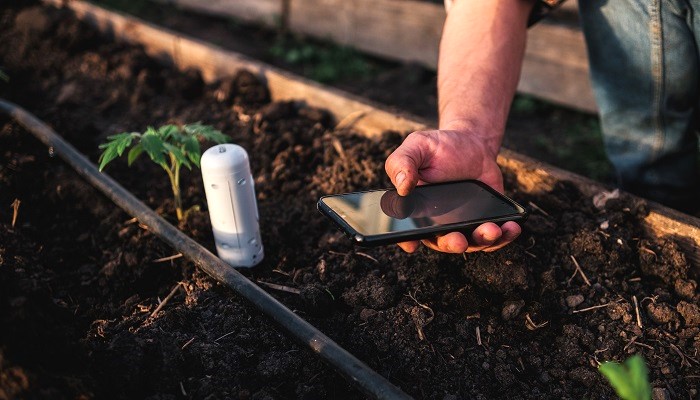
فناوریهای اینترنت اشیای سلولی به اپراتورها امکان میدهند داراییها را در مکانهایی پایش کنند که زیرساخت سیمی در آنها غیرعملی یا پرهزینه است.
LTE-M و گذار به سوی شبکههای صنعتی هوشمندتر
LTE-M در حال حاضر بر بسیاری از استقرارهای اینترنت اشیای صنعتی غالب است، زیرا میان بهرهوری پهنای باند، عمر باتری و قابلیت اطمینان سیگنال تعادل برقرار میکند. برخلاف سامانههای سلولی پیشین، LTE-M بهطور خاص برای ارتباط ماشینبهماشین و پایش از راه دور بلندمدت طراحی شده است.
زیرساخت 5G نیز در حال ورود به چشمانداز صنعتی است. اگرچه استقرارهای کنونی 5G اغلب انرژی و پهنای باند بیشتری مصرف میکنند، نسلهای آینده نوید تأخیر بسیار کم، برشبندی شبکهٔ بهبودیافته و مقیاسپذیری بیشتر برای کاربردهای صنعتی را میدهند.
برای عرضهکنندگان اتوماسیون صنعتی، این تحول فرصتهای جدیدی برای استقرار سامانههای عیبیابی از راه دور، تحلیل لبهای و نگهداری پیشبینانه در مقیاس گسترده ایجاد میکند.
اینترنت اشیای سلولی چگونه در پشتهٔ دادههای صنعتی جای میگیرد
لایهٔ انتقال در حال تبدیل شدن به یک دارایی راهبردی است
سیستمهای اینترنت اشیای صنعتی معمولاً از طریق چندین لایه بههمپیوسته کار میکنند. حسگرها اطلاعات فیزیکی را جمعآوری میکنند، شبکههای ارتباطی دادهها را انتقال میدهند، سیستمهای پردازشی آنها را تحلیل میکنند و اپراتورها با استفاده از داشبوردها یا پلتفرمهای تحلیلی تصمیم میگیرند.
در این ساختار، لایه انتقال اهمیت فزایندهای پیدا کرده است. ارتباطات قابلاعتماد اکنون تعیین میکنند که آیا داراییهای راه دور میتوانند در برنامههای نگهداری پیشبینانه، تحلیل ابری و مدیریت عملیاتی متمرکز مشارکت کنند یا خیر.
بسیاری از تأسیساتی که سیستمهای پایش توزیعشده را یکپارچه میکنند، تلهمتری از راه دور را با پلتفرمهایی مانند راهکارهای HMI و رایانش صنعتی ترکیب میکنند تا دید عملیاتی را در چندین سایت بهبود دهند.
پایش از راه دور دید عملیاتی صنعتی را گسترش میدهد
اینترنت اشیای سلولار دامنه سیستمهای اتوماسیون را بهطور چشمگیری گسترش داده است. اپراتورها اکنون میتوانند داراییهایی را که صدها کیلومتر دورتر قرار دارند، بدون ساخت زیرساخت ارتباطی اختصاصی پایش کنند.
این قابلیت بهویژه در بخشهایی مانند نفت و گاز، انرژی تجدیدپذیر، معدن، کشاورزی و تصفیه آب ارزشمند است؛ زیرا تجهیزات در این حوزهها اغلب در مکانهای دورافتاده یا دشوار برای دسترسی کار میکنند.
تلهمتری از راه دور همچنین نیاز به بازرسیهای دستی را کاهش میدهد و همزمان زمان واکنش هنگام خرابی تجهیزات یا تغییرات محیطی را بهبود میبخشد.

نخستین سیستمهای پایش متصل به شبکه، پایههای اکوسیستمهای امروزی اینترنت اشیای صنعتی در مقیاس بزرگ را بنا کردند.
چرا یکپارچهسازان از معماریهای سلولار استقبال میکنند
استقرار سریع بدون تغییرات گسترده در زیرساخت
یکی از مهمترین مزایای اینترنت اشیای سلولار، انعطافپذیری در استقرار است. اپراتورهای صنعتی میتوانند دستگاههای راه دور را بهسرعت نصب کنند، بدون آنکه شبکههای موجود کارخانه را تغییر دهند یا زیرساخت فیبر نوری را به مناطق دورافتاده گسترش دهند.
این رویکرد زمانبندی پروژه را کوتاهتر میکند و اجرای برنامههای آزمایشی برای پایش داراییها، حسگری محیطی و کاربردهای مدیریت انرژی را سادهتر میسازد.
یکپارچهسازان سیستم هنگام گسترش قابلیتهای پایش در محیطهای صنعتی توزیعشده، بهطور فزایندهای دستگاههای لبه سلولار را با پلتفرمهای ABB، Honeywell و GE ترکیب میکنند.
ارتباطات پشتیبان قابلیت اطمینان سیستم را بهبود میدهد
تأسیسات صنعتی بهطور فزایندهای از شبکههای سلولار بهعنوان مسیرهای ارتباطی افزونه برای زیرساختهای حیاتی استفاده میکنند. اگر شبکه سیمی اصلی از کار بیفتد، اتصال سلولار میتواند گزارشدهی هشدارها، عیبیابی از راه دور و مشاهدهپذیری عملیاتی را حفظ کند.
این افزونگی برای شرکتهای خدمات عمومی، تأسیسات انرژی و اپراتورهای زیرساخت اهمیت ویژهای دارد؛ زیرا اختلالات ارتباطی میتوانند مستقیماً بر زمان کارکرد و ایمنی تأثیر بگذارند.
عملیات از راه دور همچنان به تقاضا دامن میزند
شرکتهای صنعتی همچنان به دنبال راههایی برای بهبود بهرهوری عملیاتی و همزمان کاهش هزینههای نگهداری میدانی هستند. IoT سلولی مستقیماً از این هدف پشتیبانی میکند، زیرا به کارکنان کمتری امکان میدهد بر مناطق جغرافیایی گستردهتری نظارت کنند.
رشد رایانش لبهای این روند را بیشازپیش تقویت میکند. درگاههای هوشمند اکنون میتوانند دادههای محلی را پیش از ارسال تنها اطلاعات ضروری از طریق شبکههای سلولی پردازش کنند و بدینترتیب مصرف پهنای باند و هزینههای عملیاتی را کاهش دهند.

کنترلرهای سلولی مدرن از اتوماسیون صنعتی در محیطهای ایزولهای پشتیبانی میکنند که در آنها ارتباطات سیمی سنتی همچنان دشوار است.
امنیت و هزینه همچنان ملاحظات حیاتی مهندسی هستند
با وجود مزایای IoT سلولی، مهندسان همچنان با ملاحظات مهمی در طراحی روبهرو هستند. استقرارهای سلولی به هزینههای ongoing خدمات اپراتور نیاز دارند و کاربردهای پرمصرف از نظر داده ممکن است بهمرور گران شوند.
امنیت سایبری نیز همچنان نگرانی مهمی است. هرچه داراییهای صنعتی بیشتری مستقیماً به شبکههای خارجی متصل شوند، سطح حمله بهطور چشمگیری افزایش مییابد.
بااینحال، راهکارهای سلولی مدرن صنعتی اکنون شامل ارتباطات رمزگذاریشده، تونلسازی VPN، احراز هویت امن و معماریهای شبکه بخشبندیشده هستند. قابلیتهای امنیتی همگام با استانداردهای جدیدتر 5G همچنان در حال بهبودند.
اپراتورهای صنعتی که سامانههای پایش از راه دور را مستقر میکنند، در کاربردهای زیرساخت حیاتی، رویههای ارتباطی امن را increasingly با معماریهای کنترلی تابآوری مانند سامانههای ایمنی Triconex و پلتفرمهای ایمنی HIMA ترکیب میکنند.
IoT سلولی در حال تبدیل شدن به زیرساخت اصلی صنعت از راه دور است
رشد سریع دستگاههای صنعتی متصل، بازتابدهنده تحول گستردهتری در بازارهای اتوماسیون است. IoT سلولی دیگر راهکاری تخصصی برای کاربردهای منفرد و مجزا تلقی نمیشود.
این فناوری در حال تبدیل شدن به یک لایه ارتباطی بنیادین برای عملیات توزیعشده، هوشمندی لبه، نگهداری پیشبینانه و مدیریت داراییهای راه دور است.
با گسترش Industry 4.0 در محیطهای دورافتاده، اتصال سلولی بیشازپیش تعیین خواهد کرد که سامانههای صنعتی چگونه دادههای عملیاتی را در لحظه جمعآوری، منتقل و بر اساس آنها اقدام کنند.
بخش صنعتی بهسوی آیندهای حرکت میکند که در آن فاصله جغرافیایی، در مقایسه با قابلیت اطمینان شبکه و دسترسی به دادهها، اهمیت بسیار کمتری دارد.
نویسنده: مایکل ریوز | خبرنگار فناوری صنعتی
مایکل ریوز بیش از ۱۲ سال تجربه در پوشش شبکههای صنعتی، زیرساختهای اتوماسیون از راه دور و سامانههای فناوری عملیاتی دارد. سوابق او شامل پروژههای یکپارچهسازی میدانی با پلتفرمهای Honeywell، GE، ABB و Emerson در بخشهای انرژی، خدمات عمومی و پایش زیستمحیطی است.