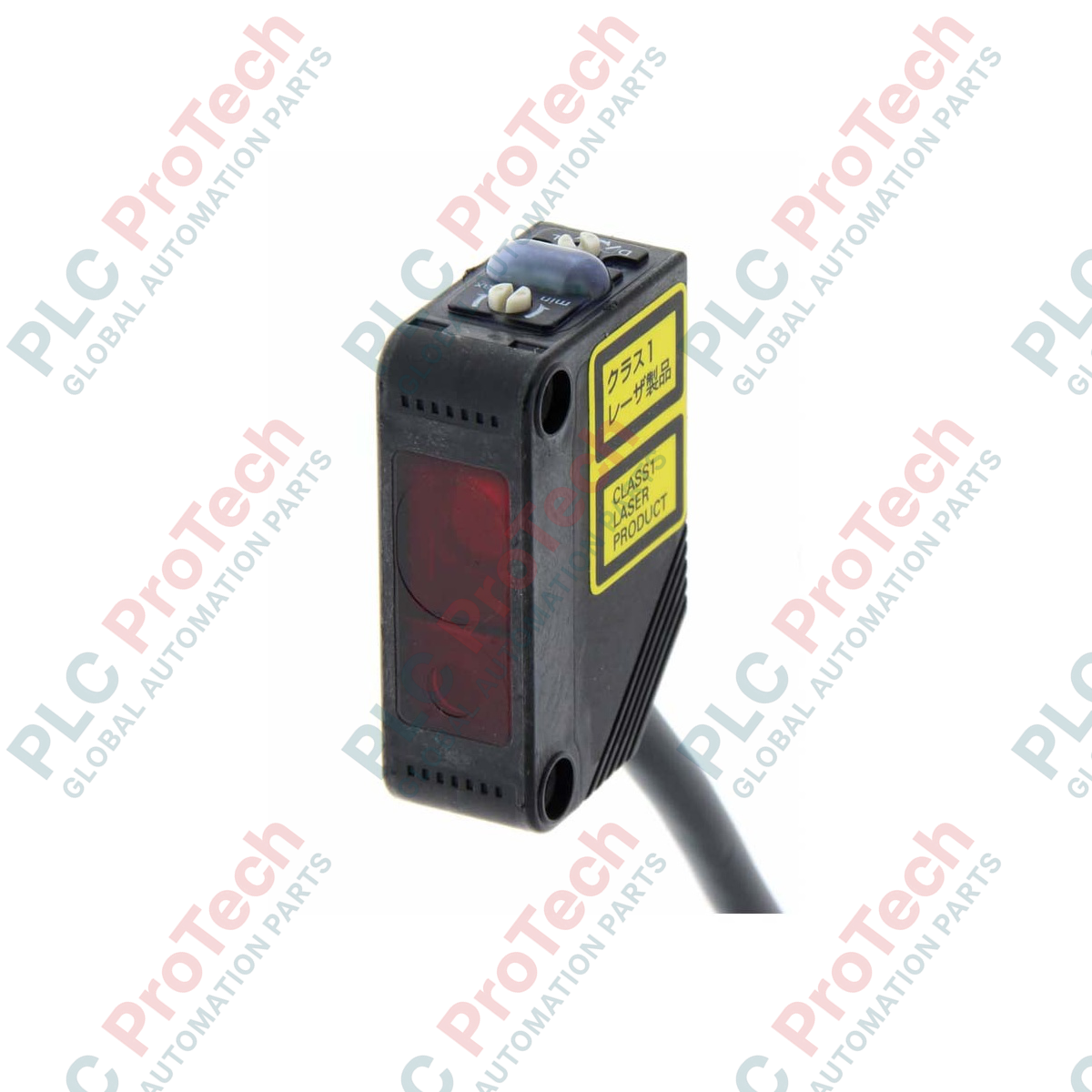
Leírás
A precíz, távolságbeállításos háttér-elnyomást (BGS) biztosító, Omron E3Z-LL81 fotoelektromos érzékelő nagy pontosságú, 1. osztályú vörös lézerdiódát használ a milliméteres pontosságú célérzékeléshez. Az érzékelőt úgy tervezték, hogy figyelmen kívül hagyja a beállított kikapcsolási határon túli háttértárgyakat, így a céltárgy színétől, fényességétől vagy szögétől függetlenül rendkívül megbízható tárgyérzékelést biztosít. A 300 mm-en mindössze 0,5 mm átmérőjű, rendkívül koncentrált fénypontjának köszönhetően a készülék ideális elektronikai alkatrészek ellenőrzésére, apró alkatrészek érzékelésére és nagy sebességű automatizált csomagológépekhez.
Főbb jellemzők
-
1. osztályú lézerdióda: A biztonságos, 655 nm-es vörös lézerfényforrás normál üzemi körülmények között nem igényel speciális szemvédelmet.
-
Fejlett háttér-elnyomás (BGS): Megszünteti a nagy fényvisszaverő képességű háttérfelületek vagy a változó célszínek által okozott téves kapcsolásokat.
-
Nagy pontosságú, finom fénypont: Az apró, 0,5 mm átmérőjű fénypont lehetővé teszi a miniatűr tárgyak érzékelését és a precíz élpozicionálást.
-
Robusztus PNP-kimenet: A nyitott kollektoros vezérlőkimenet legfeljebb 100 mA-es terhelést kezel 26,4 VDC mellett.
-
Ipari kivitelű ház: Kompakt kialakítás IP67-es tömítéssel a megbízható működésért nedves vagy poros feldolgozási környezetben.
Alkalmazások
- Félvezetők és elektronikai alkatrészek nagy sebességű válogatása.
- Termékek érzékelése és pozicionálása automatizált csomagolószalagokon.
- Precíz élvezetés és regisztrációs jelek igazítása nyomdagépekben.
- Apró alkatrészek jelenlétének ellenőrzése robotizált összeszerelő munkacellákban.
Műszaki specifikációk
| Paraméter |
Műszaki adatok |
| Gyártó |
Omron |
| Modellszám |
E3Z-LL81 |
| Érzékelési módszer |
Távolságbeállításos (BGS modellek) |
| Érzékelési távolság (fehér papír) |
20–300 mm (100 x 100 mm-es célfelület) |
| Érzékelési távolság (fekete papír) |
20–160 mm (100 x 100 mm-es célfelület) |
| Beállítható távolság tartománya (fehér papír) |
40–300 mm |
| Beállítható távolság tartománya (fekete papír) |
40–160 mm |
| Fényforrás (hullámhossz) |
Piros LD (655 nm), JIS 1. osztály, IEC 1. osztály, FDA 2. osztály |
| Fénypont átmérője (referenciaérték) |
0,5 mm átmérő 300 mm-en |
| Tápfeszültség |
12–24 VDC +/-10%, hullámosság (csúcstól csúcsig): max. 10% |
| Áramfelvétel |
Max. 30 mA |
| Vezérlőkimenet |
PNP nyitott kollektor, max. 26,4 VDC, max. terhelési áram: 100 mA |
| Szállítási tömeg (számított) |
1,00 kg (a gyári védőcsomagolást is tartalmazza) |
| A csomag méretei (számított) |
150 x 100 x 50 mm |
Csatlakozások és interfészek
| Vezeték színe |
Funkció / hozzárendelés |
| Barna |
Tápellátás (+V, 12–24 V DC) |
| Kék |
Tápellátás (0 V / GND) |
| Fekete |
Vezérlőkimenet (PNP nyitott kollektor) |
| Rózsaszín |
Vezérlőbemenet (Light-ON / Dark-ON kiválasztása) |
Alternatív modellek és kompatibilitás
Az E3Z-LL81 PNP nyitott kollektoros kimenettel rendelkezik. Ha a vezérlőrendszer NPN-konfigurációt igényel, használja az alternatív E3Z-LL61 modellt. A két modell rögzítési méretei és érzékelési tartományai azonosak, így rendszerintegráció vagy logikai átalakítás során közvetlenül cserélhetők.
Alkalmazási buktatók és mérnöki megjegyzések
Ha az érzékelőt olyan környezetben használja, ahol az érzékelési mező közelében erősen fényvisszaverő fém- vagy tükröződő háttér található, a háttérről visszaverődő fény megkerülheti a BGS-lekapcsolást. Az ilyen optikai visszacsatolás ellensúlyozására szerelje az érzékelőt a célfelülethez képest 5–10 fokos szögben. Ne helyezze az érzékelőt közvetlen napfénybe, és ne irányítsa nagy intenzitású, nagyfrekvenciás kisülési fényforrások felé, mivel ezek zavarhatják a vevőáramkört.
Üzembe helyezési és bekötési tippek
Az érzékelő kimeneti módjának beállításához használja az integrált rózsaszín vezérlővezetéket. Ha a rózsaszín vezetéket a barna vezetékhez (+V) csatlakoztatja, az érzékelő Dark-ON üzemmódra áll, míg a kék vezetékhez (0 V) csatlakoztatva vagy szabadon hagyva Light-ON üzemmódra áll. A csatlakoztatás előtt ellenőrizze az áramkorlátokat a belső PNP-tranzisztor túláram okozta károsodásának megelőzése érdekében.
Telepítési útmutató
KRITIKUS FIGYELMEZTETÉS
Elektromos csatlakoztatás vagy mechanikai beállítás előtt válassza le az összes tápellátási forrást. Ne nézzen közvetlenül a lézeradó lencséjébe, amikor az érzékelő feszültség alatt van, mivel a közvetlen lézerexpozíció szemirritációt vagy optikai károsodást okozhat.
1
Rögzítse stabilan az érzékelőt kompatibilis Omron L-konzollal vagy közvetlenül a gépvázra, ügyelve arra, hogy a cél felé vezető optikai útvonalat ne takarja el semmilyen akadály.
2
Kösse be az érzékelőt a kapcsolási rajz szerint. Győződjön meg arról, hogy a rózsaszín vezeték a megfelelő potenciálra (+V vagy 0 V) van kötve a kívánt üzemmód (Light-ON vagy Dark-ON) beállításához.
3
Kapcsoljon rá 12–24 V DC tápfeszültséget, és ellenőrizze, hogy a zöld stabilitásjelző érzékelésmentes állapotban folyamatosan világít-e, ami megfelelő jeltartalékot jelez.
4
Helyezze a céltárgyat a kívánt maximális érzékelési távolságra, majd állítsa az integrált, többfordulatú távolságállító csavart addig, amíg a narancssárga működésjelző ki nem gyullad.