


Rozwiązywanie problemów z usterkami wyjść Beckhoff EPP2008-0001
Lista kontrolna w terenie dotycząca limitów prądowych EPP2008-0001, napięcia zasilania, diod LED kanałów, kodowania złączy i usterek wyjść związanych z obciążeniem.
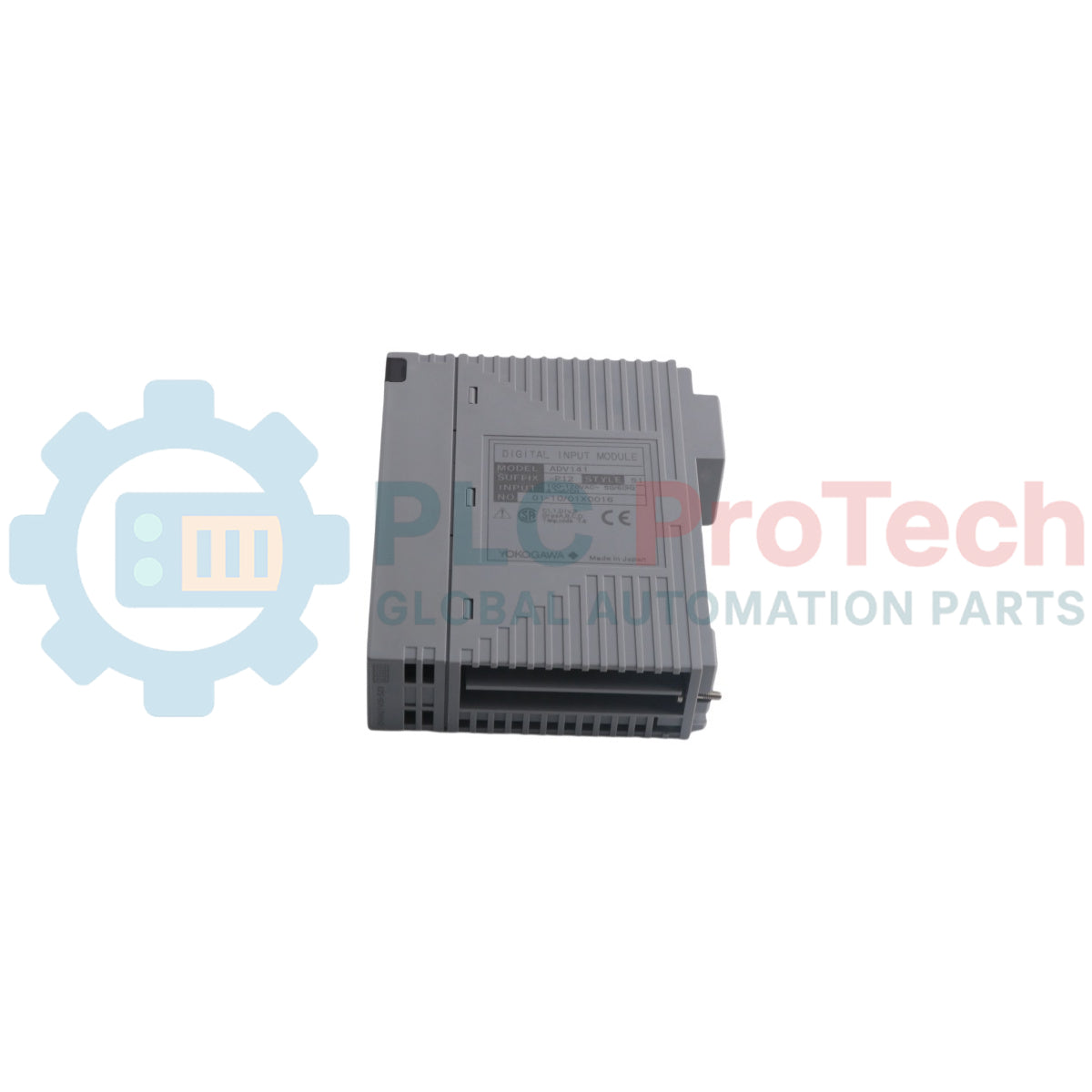
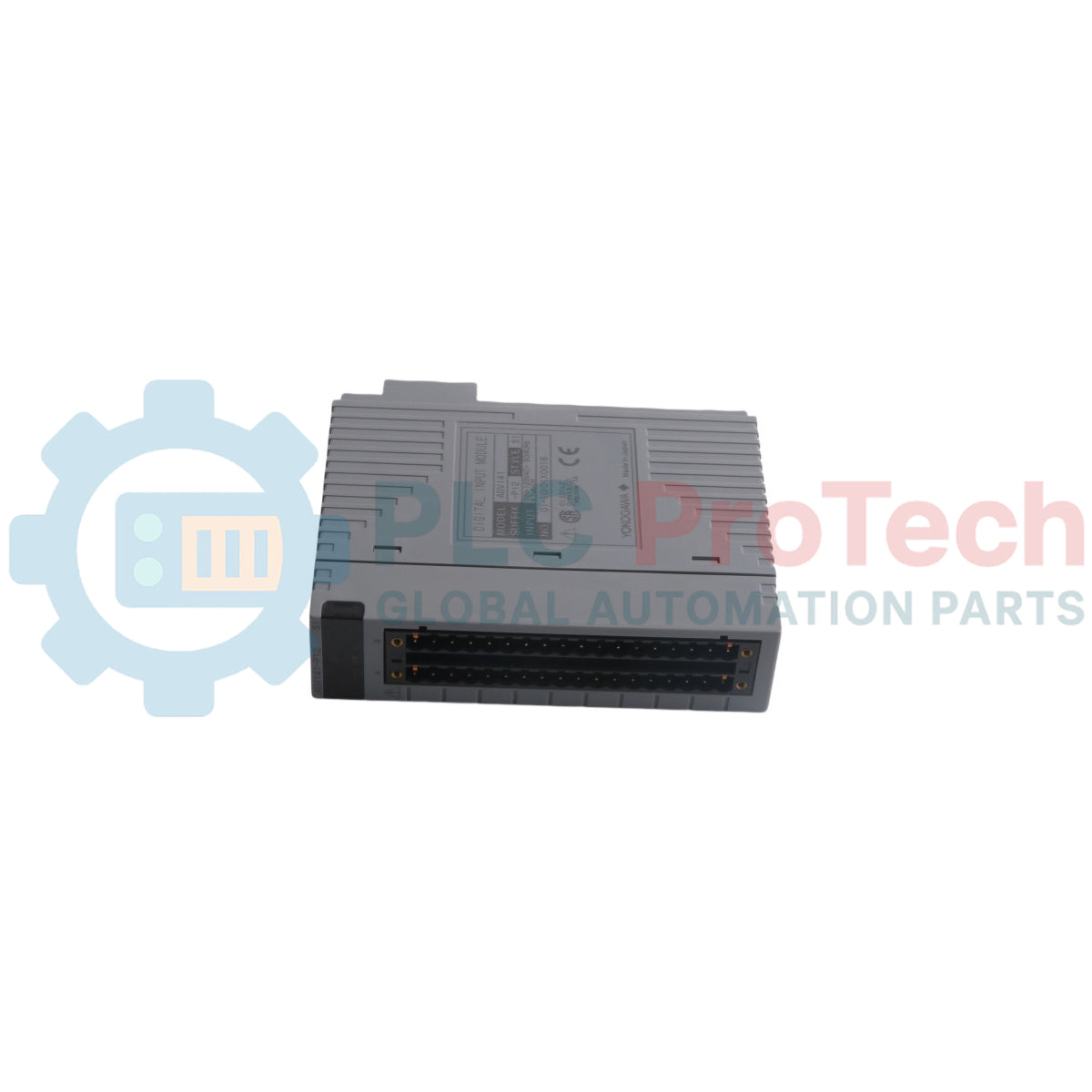
Manufacturer: Yokogawa
Product No.: ADV141-P12 S1
Country of origin:Japonia
Product Type: Moduł wejść cyfrowych
Barcode: 8537101190
Payment: T/T, Western Union
Weight: 300g
Dimensions: 3,2 cm x 10,7 cm x 13 cm
Shipping port: Xiamen
Warranty: 12 months
ADV141-P12 S1 (ADV141) to 16-kanałowy, izolowany moduł cyfrowych wejść AC o dużej gęstości, zaprojektowany dla rozproszonego systemu sterowania (DCS) Yokogawa CENTUM VP. Działając w znamionowym zakresie napięcia od 100 do 120 V AC, moduł zapewnia monitorowanie kluczowych stanów i zliczanie impulsów dla przemysłowych urządzeń obiektowych, takich jak wyłączniki krańcowe, rozruszniki silników i przyciski. W złożonych środowiskach procesowych, takich jak rafinerie ropy naftowej i zakłady petrochemiczne, ADV141 zapewnia wysoką wierność akwizycji sygnału dzięki krótkiemu czasowi reakcji wynoszącemu 160 ms. Doskonała izolacja i wzmocnienie środowiskowe G3 sprawiają, że moduł ten ma kluczowe znaczenie dla utrzymania ciągłości pracy systemu w lokalizacjach narażonych na działanie substancji korozyjnych lub gwałtowne zmiany temperatury. Dostarczając precyzyjną diagnostykę w czasie rzeczywistym do podsystemu FIO (wejścia/wyjścia sieci obiektowej), moduł odgrywa istotną rolę w zapobieganiu nieplanowanym wyłączeniom i zapewnianiu bezpieczeństwa operacyjnego w infrastrukturze o krytycznym znaczeniu.
Konfiguracja sufiksów dla tego konkretnego urządzenia określa jego rozszerzone możliwości sprzętowe i klasy środowiskowe:
-P: Wyposażenie w funkcję wejścia przycisku, umożliwiającą modułowi zliczanie zboczy sygnału przycisku przy minimalnym czasie wykrywania wynoszącym 200 ms.
1: Standardowa konfiguracja sprzętowa bez zintegrowanych wyświetlaczy stanu; sklasyfikowana jako niewykonanie przeciwwybuchowe.
2: Zaawansowana powłoka konforemna ISA Standard G3 zapewniająca odporność na korozję, w połączeniu z rozszerzonym zakresem temperatury pracy od -20 do 70 deg C.
S1: Oznaczenie typu standardowego ze specjalnymi optymalizacjami rewizji sprzętowej na potrzeby integracji z CENTUM VP.
| Pozycja | Specyfikacja |
| Model | ADV141-P12 S1 |
| Marka | Yokogawa |
| Pochodzenie | Japonia |
| Liczba kanałów | 16 (izolowanych) |
| Znamionowe napięcie wejściowe | 100 do 120 V AC (50/60 Hz) |
| Napięcie wejściowe ON | 80 V AC (113 V szczytowe) do 132 V AC |
| Napięcie wejściowe OFF | 20 V AC (28 V szczytowe) lub mniej |
| Maksymalny pobór prądu | 500 mA (przy 5 V DC) |
| Temperatura pracy | -20 do 70 deg C |
| Napięcie wytrzymywane | 2 kV AC między wejściem a systemem |
| Masa | 0.3 kg |
| Połączenie zewnętrzne | Zacisk sprężynowy lub kabel AKB332 |
Czym różni się obsługa wejść przycisków przez ADV141 od standardowych wejść stanu?
Po skonfigurowaniu z sufiksem -P moduł wykorzystuje dedykowaną funkcję wewnętrzną do zliczania zboczy sygnału przycisku. Podczas gdy standardowe wejścia stanu koncentrują się na wykrywaniu stanu ON/OFF, tryb przycisku wymaga minimalnego czasu wykrywania stanu ON wynoszącego 200 ms i obsługuje maksymalną częstotliwość cyklu 2.5 Hz, aby zapewnić dokładne przechwytywanie impulsów.
Jakie okablowanie jest wymagane do połączeń z zaciskami o dużej gęstości?
W przypadku ADV141 firma Yokogawa zaleca dedykowany kabel AKB332. Zapewnia on dopasowanie impedancji i upraszcza podłączanie 16 izolowanych kanałów do listwy zaciskowej, ograniczając ryzyko błędów okablowania podczas uruchamiania.
Jakie są konkretne granice izolacji tego modułu?
Moduł zapewnia izolację 2 kV AC między sygnałem wejściowym a logiką systemu przez 1 minutę. Dodatkowo zapewnia izolację 1.35 kV AC między wspólnymi stronami ujemnymi dla każdej grupy 8 kanałów, skutecznie zapobiegając przesłuchom i chroniąc płytę bazową systemu przed przepięciami od strony obiektowej.
Ochrona środowiskowa: Klasa "G3" oznacza, że moduł został pokryty powłoką konforemną zgodną z ISA S71.04. Ma to zasadnicze znaczenie w instalacjach w środowiskach "Class G3", w których występuje podwyższone stężenie siarkowodoru (H2S) lub chloru. Należy zapewnić szczelność szafy i zastosować wentylatory chłodzące, jeśli temperatura wewnętrzna zbliża się do granicy 70 deg C.
Okablowanie i ekranowanie: Do zacisków sprężynowych należy używać przewodów 14 do 22 AWG. Aby ograniczyć zakłócenia elektromagnetyczne (EMI) pochodzące od sąsiednich linii zasilających wysokiego napięcia, przewody obiektowe powinny być skręcone. Należy upewnić się, że przewody wspólnego powrotu są prawidłowo pogrupowane zgodnie z blokami izolacji 8-kanałowej, aby zachować parametry napięcia wytrzymywanego.
Integralność systemu: Podczas wymiany modułów należy sprawdzić, czy kody sufiksów odpowiadają konfiguracji systemu w oprogramowaniu konstruktora CENTUM VP. Wymiana podczas pracy jest obsługiwana, jednak należy odłączyć zewnętrzne zasilanie AC od zacisków wejściowych, aby zapobiec powstawaniu łuku elektrycznego i chronić personel przed kontaktem z napięciem 120 V AC.


Global Express Shipping
Returns & Warranty

| Product Image | Model Number / Title | Condition | Availability | Action |
|---|---|---|---|---|

|
Allen-Bradley 1771-IN PLC-5 cyfrowy moduł wejść AC/DC | Original New | In Stock | View Details |

|
Allen-Bradley 1771-IG cyfrowy moduł wejść DC TTL | Original New | In Stock | View Details |

|
Allen-Bradley 1769-IQ16 CompactLogix 16-kanałowy cyfrowy moduł wejść 24 V DC | Original New | In Stock | View Details |
Globalna ekspresowa wysyłka
Zwroty i gwarancja
Zamówienia są przetwarzane i dostarczane od poniedziałku do piątku (z wyłączeniem dni świątecznych).
Aby poznać pełne warunki kwalifikowalności, opłaty za przyjęcie towaru z powrotem oraz szczegóły dotyczące zwrotów międzynarodowych, prosimy zapoznać się z naszym oficjalnym Polityka zwrotów i zwrotu pieniędzy .
| Color pattern |
Szaro-biały
|
| Country of origin |
Japonia
|
| Power source |
Zasilanie prądem stałym
Zasilany prądem zmiennym
|

Lista kontrolna w terenie dotycząca limitów prądowych EPP2008-0001, napięcia zasilania, diod LED kanałów, kodowania złączy i usterek wyjść związanych z obciążeniem.

Przed przeniesieniem licencji TwinCAT 3 za pomocą Beckhoff C9900-L100 sprawdź kompilację TwinCAT, opis urządzenia XML, dokładny kod zamówieniowy i ograniczenia szafy.

Terenowa lista kontrolna wymiany modułu Beckhoff EL4032, obejmująca obciążenie ±10 V, mapę zacisków, styki zasilania, stan EtherCAT i działanie watchdogа.

Przed wymianą Yokogawa AAI835 sprawdź mapę kanałów 4 wejścia/4 wyjścia, zachowanie pętli przy utracie zasilania, typ bariery, obciążenie wyjścia, kabel i redundancję.

ABB PM891K01, artykuł 3BSE053241R1, to nieredundantny zestaw procesora AC 800M. Przed wymianą skorzystaj z tej listy kontrolnej.

Kontrole wymiany dla ABB TP853 3BSE018126R1: zidentyfikuj zainstalowany interfejs CI853, CI855, CI857 lub CI861, zapisz okablowanie i zweryfikuj komunikację po instalacji.