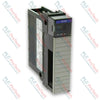
Przegląd produktu
Ten 1756-DHRIO pełni funkcję wysokiej integralności, dwukanałowego mostu komunikacyjnego w architekturze Allen-Bradley ControlLogix. Zaprojektowany specjalnie w celu ochrony inwestycji kapitałowych w starszą infrastrukturę zakładową w branżach takich jak rafinacja ropy naftowej, ciągły montaż samochodów i komunalne uzdatnianie wody, moduł zapewnia natywne tłumaczenie warstwy fizycznej między nowoczesnymi sieciami ControlLogix a starszymi łączami przemysłowymi. Ułatwiając migrację danych w czasie rzeczywistym i trasowanie interfejsów bez wysokich kosztów ponownego okablowania istniejących kaset rozproszonych, moduł znacznie ogranicza ryzyko związane z uruchomieniem projektu i zapobiega katastrofalnym przestojom zakładu.
Konfiguracja techniczna
Wewnętrzny układ przetwarzający modułu 1756-DHRIO zawiera dwa izolowane kanały komunikacyjne (kanał A i kanał B), działające niezależnie od siebie. Każdy kanał można skonfigurować za pomocą przełączników fizycznych lub parametrów programowych tak, aby działał jako interfejs sieci Data Highway Plus (DH+) albo skaner Universal Remote I/O (RIO).
-
Tryb Data Highway Plus (DH+): Moduł działa jako inteligentna brama routująca, obsługująca rotację tokenu, komunikację równorzędną i współdzielenie danych globalnych między starszymi sterownikami SLC 500 lub PLC-5 a standardowymi procesorami ControlLogix.
-
Tryb Universal Remote I/O (RIO): Moduł wykonuje zadania zdalnego skanowania sieci, przesyłając stany dyskretnych wejść/wyjść i zarządzając danymi transferu blokowego do 64 słów na transakcję ze starszymi urządzeniami rozproszonymi, w tym kasetami 1771-ASB, adapterami FLEX I/O 1794 i terminalami operatorskimi PanelView.
Silnik przetwarzania natywnie hermetyzuje starszy protokół PCCC (Programmable Controller Communication Commands) w ramach nowoczesnego protokołu Control and Information Protocol (CIP), umożliwiając jawne wieloskokowe trasowanie komunikatów przez maksymalnie cztery niezależne sieci komunikacyjne i trzy odrębne warstwy kaset.
Specyfikacje techniczne
| Parametr — jednostka |
Dane certyfikowanej specyfikacji produktu |
| Model |
1756-DHRIO |
| Marka |
Allen-Bradley |
| Platforma serii |
ControlLogix (biuletyn 1756)
|
| Typ modułu |
Interfejs DH+ / Universal Remote I/O
|
| Dostępne kanały |
2 izolowane porty, konfigurowane niezależnie
|
| Opcje szybkości transmisji (DH+/RIO) |
57,6 kb/s, 115,2 kb/s, 230,4 kb/s
|
| Maksymalna liczba węzłów fizycznych |
32 urządzenia fizyczne na kanał skanera RIO
|
| Maksymalny logiczny adres kasety |
Skanowanie 32 pełnych lub częściowych kaset na kanał RIO
|
| Przepustowość transferu blokowego |
Do 64 słów danych na komunikat odczytu/zapisu
|
| Pobór prądu z magistrali kasety przy 5,1 V DC |
850 mA |
| Pobór prądu z magistrali kasety przy 24 V DC |
1,7 mA |
| Rozpraszanie mocy (maks.) |
4,3 W przy 60°C |
| Obciążenie rozpraszania ciepła |
14,67 BTU/godzinę |
| Ciągłe napięcie izolacji |
30 V ciągle (izolacja funkcjonalna, między kanałami a systemem oraz między kanałami) |
| Fizyczne medium sieciowe |
Ekranowana skrętka dwużyłowa 1770-CD (Belden 9463) „Blue Hose”
|
| Wbudowany odczyt diagnostyczny |
4-znakowy alfanumeryczny wyświetlacz przewijany na panelu przednim
|
| Lokalny interfejs programowania |
Zintegrowane 8-stykowe złącze programujące mini-DIN
|
| Zajętość gniazda według szerokości |
1 standardowe gniazdo kasety ControlLogix |
| Zakres temperatury pracy |
od 0 do 60°C (od 32 do 140°F) |
| Zakres temperatury przechowywania |
od -40 do 85°C (od -40 do 185°F) |
| Zakres wilgotności względnej |
od 5 do 95 procent, bez kondensacji |
| Kraj produkcji |
USA |
Najczęściej zadawane pytania
Do czego służy 4-znakowy alfanumeryczny wyświetlacz na panelu przednim 1756-DHRIO?
Zintegrowany alfanumeryczny wyświetlacz stanu zapewnia natychmiastową diagnostykę sieci w czasie rzeczywistym oraz raportowanie błędów bezpośrednio na obudowie modułu. Podczas normalnej pracy przewija skonfigurowane typy sieci kanałów, szybkości transmisji i adresy węzłów stacji. Jeśli wystąpi błąd systemu lub nośnika, wyświetlacz miga precyzyjnymi sygnaturami usterek, pomagając inżynierom wskazać błędy związane z duplikatami węzłów lub przerwami w okablowaniu bez aktywnego połączenia z komputerem.
Czy kanał A może działać w sieci DH+, podczas gdy kanał B jednocześnie skanuje sieć Universal RIO?
Tak. Kanały A i B mają oddzielne granice izolacji fizycznej i elektronicznej. Można skonfigurować jeden kanał do obsługi komunikatów typu peer-to-peer między sterownikami nadrzędnymi w sieci pierścieniowej DH+, a drugi kanał przypisać do działania jako aktywny skaner RIO sterujący starszymi kasetami rozproszonych wejść/wyjść.
Czy wtyczki sieciowe 1756-DHRIO wymagają zewnętrznych rezystorów terminujących?
Tak, prawidłowa terminacja elektryczna jest wymagana na obu fizycznych końcach każdej linii sieci DH+ lub Universal RIO, aby zapobiec błędom odbicia sygnału. W zależności od konkretnego układu sprzętu sieciowego i szybkości komunikacji należy podłączyć rezystor terminujący 82 omów lub 150 omów między przewodami danych na najbardziej oddalonych fizycznie końcach.
Wytyczne dotyczące uruchamiania i konserwacji w terenie
-
Procedura ekranowania i uziemiania linii magistralnej: Do całego okablowania sieciowego używaj wysokiej jakości ekranowanej skrętki 1770-CD (Belden 9463). Ciągły miedziany przewód odprowadzający ekranu należy poprowadzić przez wszystkie pośrednie wtyczki zaciskowe wzdłuż łańcucha i połączyć z bezwzględnym uziemieniem zakładowym tylko na jednym końcu segmentu sieci. Uziemienie ekranu w wielu punktach spowoduje powstanie pętli uziemienia, które zniekształcą pakiety danych i doprowadzą do błędów kodów CRC.
-
Adresowanie węzłów i konfiguracja sieci: Ustaw fizyczne przełączniki adresu węzła oraz przełączniki typu kanału na panelu bocznym modułu przed włożeniem go do płyty bazowej ControlLogix. Upewnij się, że wszystkie urządzenia podłączone do pojedynczego kanału są skonfigurowane z identycznymi szybkościami transmisji (57,6k, 115,2k lub 230,4k bit/s). Nakładające się adresy kaset lub niezgodne wartości węzłów zakłócą cykle odpytywania danych w całej sieci.
-
Ograniczenia bezpieczeństwa dotyczące wkładania pod napięciem (RIUP): Sprzęt 1756-DHRIO jest w pełni certyfikowany do wyjmowania i wkładania pod napięciem (RIUP) w aktywnej obudowie ControlLogixJeśli jednak panel sterowania jest zainstalowany w strefie sklasyfikowanej jako niebezpieczna (atmosfery wybuchowe klasy I, dział 2), należy całkowicie odłączyć zasilanie sieciowe lub potwierdzić, że strefa nie jest niebezpieczna, przed wyjęciem modułu albo odłączeniem wtyczek listwy zaciskowej sieci, aby zapobiec powstaniu łuku elektrycznego.