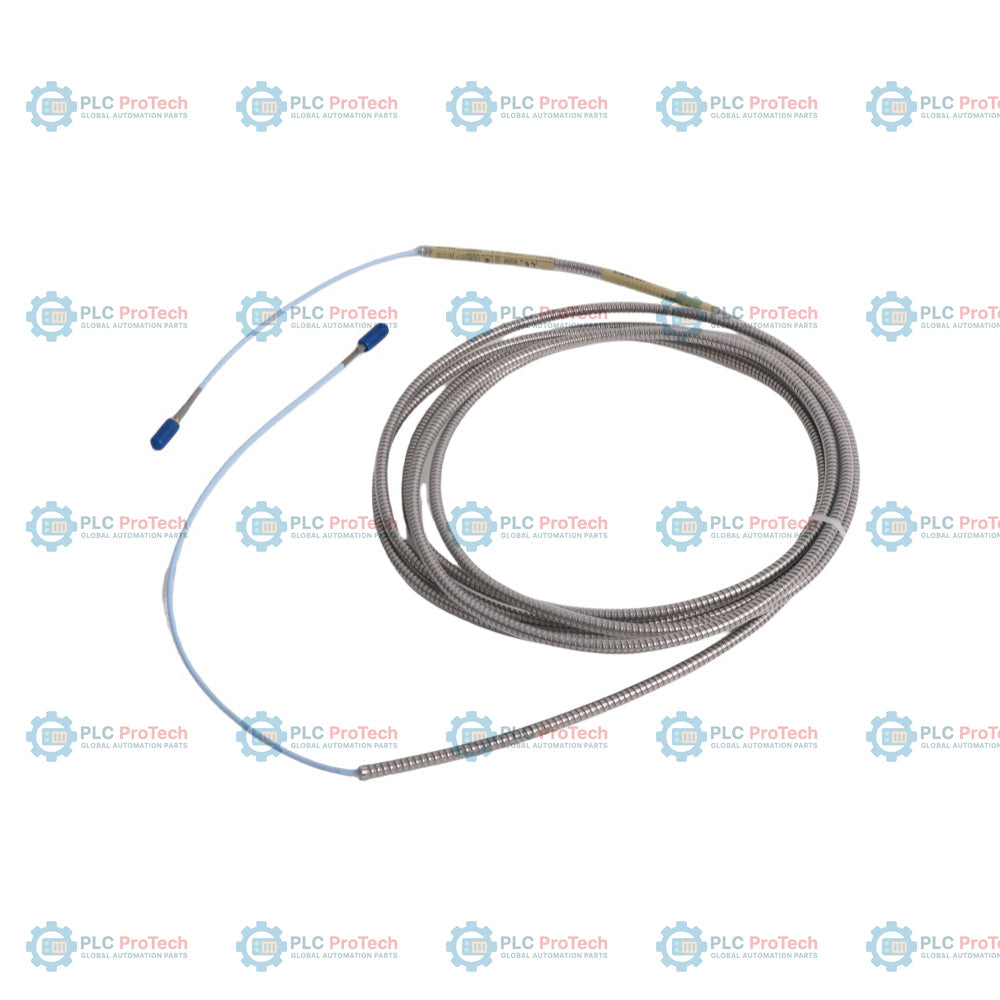
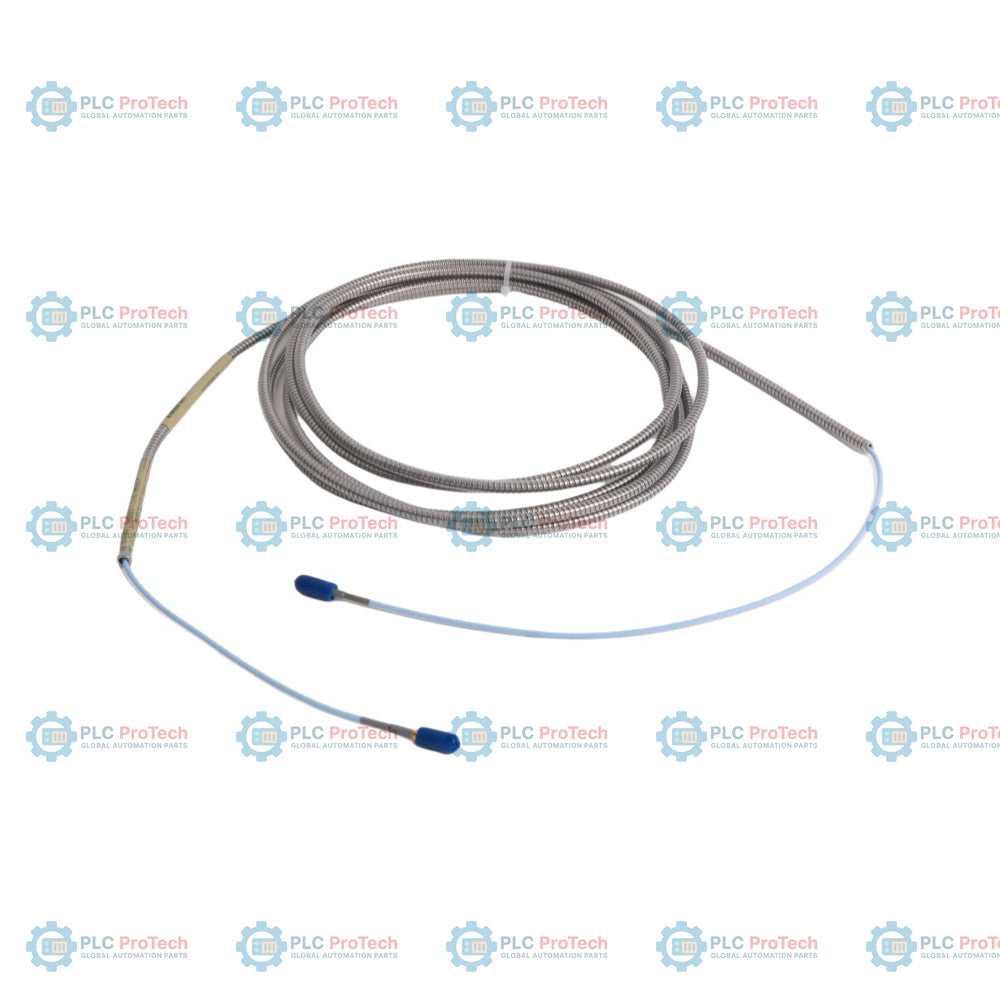
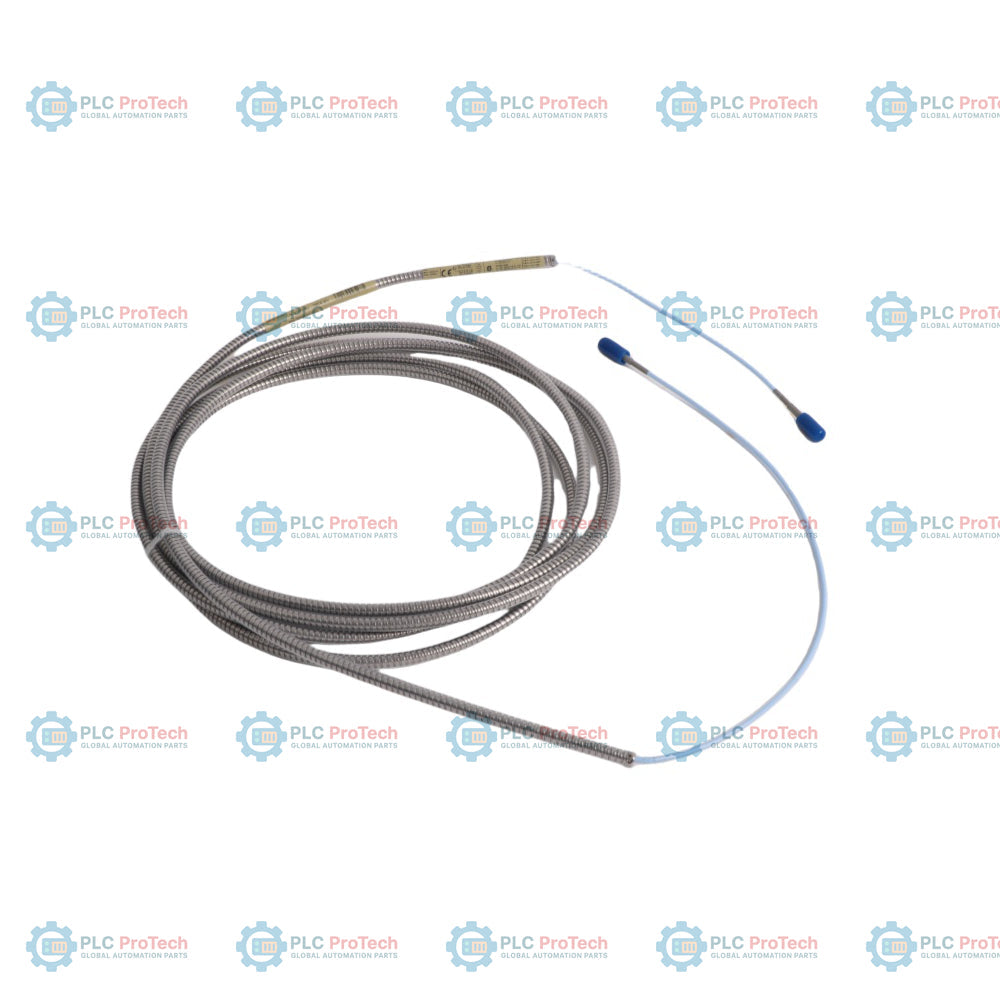
Bently Nevada 330930-045-01-05 3300 NSv Przewód przedłużający
SKU 330930-045-01-05
W magazynie
No reviews
12-month warranty
Free returns within 30 days
Manufacturer:
Bently Nevada
Product No.:
330930-045-01-05
Country of origin:Stany Zjednoczone
Product Type:
Kabel przedłużający 3300 NSv
Barcode:
8537101190
Payment:
T/T, Western Union
Weight:
202g
Dimensions:
4,5 metra (14,8 stopy)
Shipping port:
Xiamen
Warranty:
12 months
Opis
330930-045-01-05 to przemysłowy kabel przedłużający 3300 XL NSv produkowany przez firmę Bently Nevada (przedsiębiorstwo Baker Hughes). Ten specjalistyczny kabel koncentryczny zapewnia krytyczną transmisję sygnału o niskich stratach w systemie przetwornika zbliżeniowego 3300 XL NSv, pełniąc funkcję łącznika między sondą wiroprądową 3300 NSv a czujnikiem Proximitor 3300 XL NSv. System NSv (Narrow Side-view) został zaprojektowany specjalnie do maszyn o ograniczonych możliwościach instalacyjnych — takich jak sprężarki odśrodkowe powietrza, sprężarki chłodnicze i maszyny do gazów procesowych — w przypadku których ograniczony prześwit boczny, wąskie pogłębienia walcowe lub małe średnice wałów (mniejsze niż 51 mm lub 2 cale) uniemożliwiają zastosowanie standardowych konfiguracji czujników zbliżeniowych 5 mm lub 8 mm.
Zgodnie z oficjalnymi specyfikacjami systemu Bently Nevada konfiguracja nieopancerzonego kabla przedłużającego utrzymuje ścisłą techniczną liniową gęstość masy wynoszącą 45 gramów na metr (0,5 oz/ft). W przypadku tego konkretnego wariantu o fizycznej długości 4,5 metra (14,8 stopy) masa netto kabla w warunkach eksploatacyjnych wynosi dokładnie 202,5 grama (7,14 oz), z wyłączeniem złączy końcowych. Ten precyzyjny rozkład masy ma kluczowe znaczenie dla inżynierów terenowych obliczających limity obciążenia koryt kablowych oraz parametry zwisu odciążenia w pionowych odcinkach przewodów. Chroniony zewnętrzną powłoką z fluorowanego etylenu i propylenu (FEP) o wysokiej przenikalności dielektrycznej, ten nieopancerzony wariant (opcja -01) zapewnia maksymalną elastyczność prowadzenia mechanicznego w złożonych systemach przewodów rurowych i posiada fabryczną certyfikację Multiple Agency Approvals (opcja -05), umożliwiającą bezproblemowe wdrożenie w sklasyfikowanych strefach zagrożenia na całym świecie.
Cechy
Pełna elektryczna i mechaniczna kompatybilność wsteczna ze starszymi systemami przetworników zbliżeniowych Bently Nevada 3300 RAM.
Wysokoprecyzyjna, nieopancerzona konstrukcja o kontrolowanej liniowej gęstości masy wynoszącej 45 g/m (0,5 oz/ft), zapewniająca dokładną analizę rozkładu obciążenia masą.
Wysokiej jakości zewnętrzna powłoka kabla z fluorowanego etylenu i propylenu (FEP), zapewniająca wysoką wytrzymałość dielektryczną i odporność chemiczną na żrące smary i rozpuszczalniki przemysłowe.
Fabrycznie zakończone, miniaturowe koncentryczne złącza ClickLoc z pozłacanego mosiądzu, które bezpiecznie się blokują, eliminując luźne połączenia powodowane przez silne drgania maszyny.
Specjalistyczny, wysokostabilny rdzeń koncentryczny 75-omowy, zachowujący wierność sygnału RF o wysokiej częstotliwości i minimalizujący długoterminowe zniekształcenia współczynnika skali.
Wiele certyfikatów jednostek dla stref zagrożonych, zapewniających płynne i bezpieczne wdrożenie w zakładach rafineryjnych i chemicznych na całym świecie.
Zastosowania
Przekazywanie krytycznych przebiegów dynamicznych drgań promieniowych z łożysk ślizgowych o małym luzie do scentralizowanych systemów monitorowania.
Łączenie sond przemieszczenia wzdłużnego umieszczonych wewnątrz zespołów przemysłowych turbin wirnikowych z małymi wałami.
Przesyłanie sygnałów tachometru wysokiej częstotliwości, wykrywania prędkości i fazy odniesienia Keyphasor z obszarów o ograniczonym dostępie do celu.
Rozbicie ciągu opcji
Miejsce kodu opcji
Wybrana wartość opcji
Szczegóły techniczne
Oznaczenie modelu bazowego
330930
Seria kabli przedłużających 3300 NSv
A: Opcja długości kabla
-045
Łączna długość 4,5 metra (14,8 stopy)
B: Opcja złącza i kabla
-01
Standardowy koncentryczny kabel w powłoce FEP, bez pancerza ze stali nierdzewnej
C: Opcja zatwierdzenia przez jednostkę certyfikującą
-05
Wiele zatwierdzeń (Ameryka Północna, ATEX/IECEx itd. dla stref zagrożonych)
Specyfikacje techniczne
Parametr
Szczegóły
Producent
Bently Nevada (Baker Hughes)
Identyfikator wariantu części
330930-045-01-05
Podseria systemu przetwornika
System przetwornika zbliżeniowego 3300 XL NSv
Impedancja rdzenia kabla
75 omów nominalnie
Fizyczna długość kabla
4,5 metra (14,8 stopy)
Liniowa gęstość masy (kabel)
45 g/m (0,5 oz/ft) nominalnie
Obliczona masa netto kabla
202,5 g (7,14 oz), obliczone dla długości 4,5 m (bez złączy)
Rodzaj ochrony pancernej
Brak (standardowa zewnętrzna powłoka FEP bez opancerzenia)
Materiał interfejsu złącza
Pozłacane mosiężne złącza męskie i żeńskie ClickLoc
Maksymalna średnica złącza
Bezwzględny profil prześwitu: 7,2 mm (0,285 cala)
Minimalny promień gięcia
Minimalny bezwzględny promień gięcia przy prowadzeniu w terenie: 25,4 mm (1,0 cala)
Zakres temperatury pracy
-52°C do +100°C (-62°F do +212°F)
Zakres temperatury przechowywania
-52°C do +105°C (-62°F do +221°F)
Wilgotność względna środowiska
100% kondensacji, bez możliwości zanurzenia po zaizolowaniu złączy
Połączenia/interfejsy
Interfejs zakończeniowy
Przypisanie funkcji
Miniaturowa wtyczka koncentryczna ClickLoc
Łączy się ściśle ze zintegrowanym złączem przewodu doprowadzającego sondy zbliżeniowej 3300 NSv
Miniaturowe gniazdo koncentryczne ClickLoc
Standardowe podłączenie żeńskiego portu koncentrycznego do zacisku wejściowego czujnika zbliżeniowego 3300 XL Proximitor
Wytyczne dotyczące instalacji
Zasada dopasowania całej pętli: Ten kabel przedłużający o długości 4,5 metra należy zawsze łączyć ze zgodną sondą zbliżeniową o długości 0,5 metra, aby uzyskać dokładną łączną długość kalibracyjną systemu wynoszącą 5,0 metra, wymaganą przez czujnik zbliżeniowy 3300 XL NSv Proximitor. Niedopasowanie długości systemu (np. użycie kabla o długości 4,5 metra w dostrojonej pętli proximitora o długości 7,0 metra) poważnie zniekształci współczynnik skali średniej (ASF) systemu.
Odciążenie kabla w osłonie: W przypadku pionowych odcinków osłony o długości przekraczającej 3 metry należy zapewnić odpowiednie podparcie kabla. Chociaż masa kabla o długości 4,5 metra jest niewielka (202,5 g), jego niepodparte rozciąganie w warunkach wysokiej temperatury może pogorszyć geometrię wewnętrznego rdzenia o impedancji 75 omów.
Uszczelnienie złączy: Po dokładnym zablokowaniu współosiowych połączeń ClickLoc nasuń dedykowane osłony złączy lub nałóż warstwę samowulkanizującej taśmy silikonowej na punkty połączeń, aby zabezpieczyć je przed wnikaniem wilgoci i zapobiec zwarciom uziemiającym konstrukcji.
Unikaj kontaktu z uziemieniem: Zewnętrzna metalowa obudowa złączy ClickLoc nie może mieć kontaktu elektrycznego z obudową maszyny ani ścianami skrzynki przyłączeniowej. Uziemienie tego połączenia powoduje powstawanie silnych pętli szumów wysokoczęstotliwościowych w obwodzie czujnika niskonapięciowego.
Prowadzenie w osłonie ochronnej: Ponieważ jest to wariant kabla nieopancerzonego (-01), należy poprowadzić go przez dedykowaną osłonę ochronną lub kanały konstrukcyjnych koryt kablowych, aby zabezpieczyć go przed zewnętrznymi przecięciami mechanicznymi, zgnieceniem i zakłóceniami elektromagnetycznymi o wysokim napięciu (EMI).
FAQ
Co dzieje się ze wskazaniami przetwornika zbliżeniowego, jeśli w skalibrowanej pętli czujnika o długości 7,0 metra zostanie omyłkowo zainstalowany kabel przedłużający o długości 4,5 metra?
Systemy zbliżeniowe wykorzystujące prądy wirowe opierają się na dostrojonym obwodzie rezonansowym częstotliwości radiowej (RF), w którym kabel przedłużający działa jak stała impedancja dostrajająca. Zainstalowanie krótszego kabla o długości 4,5 m w skalibrowanej pętli czujnika o długości 7,0 m zmienia pojemność i rezystancję obwodu, przesuwając częstotliwość rezonansową i powodując znaczne pogorszenie średniego współczynnika skali (ASF), co prowadzi do dużej niedokładności pomiarów drgań i szczeliny.
Jakie szczegóły konfiguracji określa kod opcji „-01” dla tego kabla?
Konfiguracja „-01” oznacza standardową wersję kabla nieopancerzonego. Jest on wyposażony w zewnętrzną powłokę izolacyjną z wysokowydajnego kopolimeru etylenu i propylenu fluorowanego (FEP), nałożoną na rdzeń koncentryczny, co zapewnia doskonałą odporność chemiczną i odporność na wilgoć, a jednocześnie maksymalną elastyczność podczas prowadzenia w ciasnych kanałach, bez zewnętrznego oplotu z zazębiającej się zbroi ze stali nierdzewnej.
Dlaczego tak ważne jest, aby połączone ze sobą złącza koncentryczne ClickLoc nie stykały się z masą obudowy lokalnej skrzynki połączeniowej?
Korpusy złączy koncentrycznych przewodzą sygnał nośny RF o wysokiej częstotliwości z pętli sterującej proximetra. Jeśli nieizolowany metalowy korpus złącza przypadkowo zetknie się z uziemioną ścianką skrzynki połączeniowej lub metalowym kanałem, powstaje pętla masy aparatury. Wprowadza to do sygnału zakłócenia elektryczne o wysokiej częstotliwości, powodując „widmowe” skoki drgań lub wyzwalając fałszywe alarmy aparatury „Probe NOT OK”.
Jaki jest minimalny zalecany promień gięcia kabla 330930-045-01-05 podczas instalacji w terenie?
Bezwzględny minimalny zalecany promień gięcia tego standardowego, nieopancerzonego kabla z powłoką FEP wynosi 25,4 mm (1,0 cala). Zginanie kabla pod ostrzejszym kątem niż ten próg grozi zmęczeniem strukturalnym, fizycznym rozdzieleniem wewnętrznego oplotu ekranującego lub załamaniem centralnego rdzenia koncentrycznego, co trwale pogarsza jakość transmisji sygnału.
Standardowa dostawa: 4-6 dni roboczych za pośrednictwem DHL, FedEx i UPS.
Ekspresowa wysyłka: Wysyłka tego samego dnia dla zamówień dostępnych w magazynie złożonych przed godziną 14:00 (GMT+8).
Globalne pokrycie: Obsługujemy ponad 150 krajów, w tym szybką dostawę do Arabii Saudyjskiej i ZEA.
Zwroty i gwarancja
30-dniowa gwarancja: Zwroty przyjmowane są dla produktów dostępnych w magazynie, w oryginalnym, fabrycznie zapieczętowanym opakowaniu.
12-miesięczna gwarancja: Każdy komponent przemysłowy objęty jest naszą profesjonalną gwarancją techniczną.
Zamówienia są przetwarzane i dostarczane od poniedziałku do piątku (z wyłączeniem dni świątecznych).
Aby poznać pełne warunki kwalifikowalności, opłaty za przyjęcie towaru z powrotem oraz szczegóły dotyczące zwrotów międzynarodowych, prosimy zapoznać się z naszym oficjalnym
Polityka zwrotów i zwrotu pieniędzy
.
Dowiedz się, co człon różniczkujący wnosi do pętli PID, dlaczego może wzmacniać szum pomiarowy i zmiany wartości zadanej oraz jak filtrowanie, próbkowanie i testy etapowe zwiększają bezpieczeństwo...
Praktyczny przewodnik po segmentacji, dokumentowaniu i testowaniu przemysłowych sieci Ethernet, który pomoże zespołom zakładowym szybko izolować usterki, kontrolować zmiany i rozbudowywać sieć bez...
Uruchom systematycznie IO-Link — od adresowania mastera i trybów portów, przez wybór IODD, mapowanie bajtów PLC oraz kopie zapasowe parametrów, po walidację urządzeń i testy z symulacją awarii.
Praktyczny przewodnik po hamowaniu PowerFlex obejmujący energię regeneracyjną, rezystancję i cykl pracy rezystora, ochronę termiczną, parametry właściwe dla danego modelu oraz pomiary podczas...
Przemysłowy joystick jest tylko pierwszym elementem bezpiecznego łańcucha sterowania ruchem. Ten przewodnik obejmuje wybór czujników, okablowanie, walidację sygnałów, logikę PLC, zachowanie podczas...
Strojenie PID staje się bezpieczniejsze, gdy inżynierowie mogą obserwować, jak działania proporcjonalne, całkujące i różniczkujące kształtują uchyb, sygnał wyjściowy oraz odpowiedź w czasie. Ten...
Zaznaczenie wyboru powoduje całkowite odświeżenie strony.