Opis
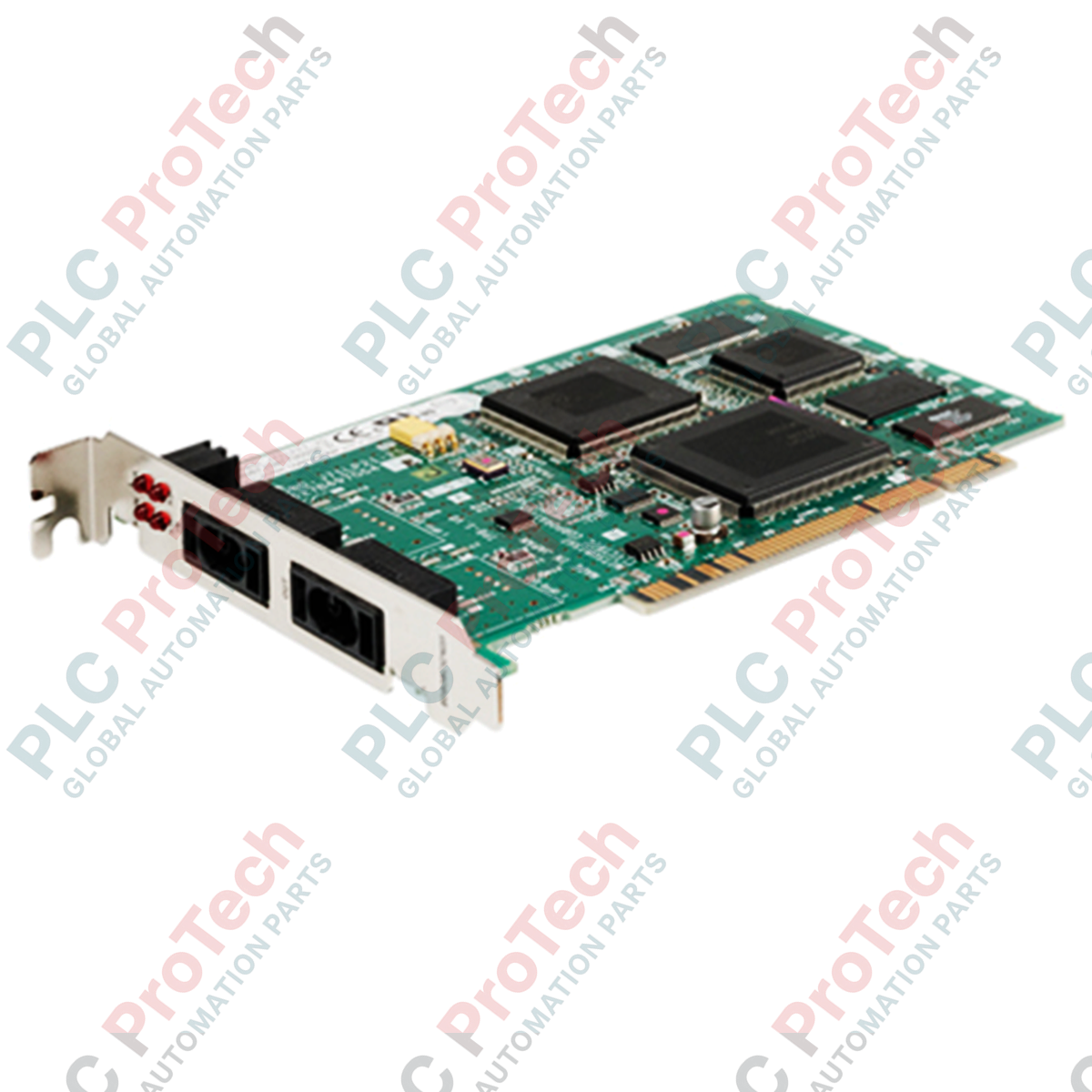
Integrując przemysłowe komputery PC bezpośrednio z szybkimi, deterministycznymi sieciami sterowania, Mitsubishi Electric Q80BD-J71LP21-25 pełni funkcję dedykowanej karty interfejsu optycznej sieci pętlowej, przeznaczonej do instalacji w połówkowych gniazdach rozszerzeń PCI. Ta karta interfejsu umożliwia płynną wymianę danych w czasie rzeczywistym między komputerem hosta a siecią PLC MELSECNET/H lub starszą siecią MELSECNET/10, zapewniając niezawodną komunikację światłowodową w podwójnej pętli. Działając z prędkością do 25 Mbps, obsługuje cykliczną transmisję dużych ilości danych oraz transmisję przejściową, zapewniając systemom nadrzędnym wysokiej rozdzielczości dane z obiektu przy minimalnych opóźnieniach.
Najważniejsze cechy
-
Redundancja podwójnej pętli: Wykorzystuje topologię podwójnej pętli z automatycznym wykonywaniem obejścia pętli, aby zachować integralność sieci w przypadku przerwania jednego światłowodu.
-
Szybka komunikacja: Wybierane prędkości transmisji 25 Mbps lub 10 Mbps umożliwiają dopasowanie do starszych lub wysokowydajnych segmentów sieci.
-
Duża liczba punktów łącza: Obsługuje do 8 192 punktów przekaźników łącza (LX/LY) oraz do 16 384 punktów rejestrów łącza (LW), umożliwiając obsługę złożonych architektur systemów sterowania.
-
Elastyczna obsługa odległości: Zapewnia odległość między stacjami do 1 km przy użyciu szerokopasmowych kabli światłowodowych H-PCF lub QSI.
-
Standardowy format: Zaprojektowana jako połówkowa karta PCI, zajmująca jedno gniazdo w standardowych obudowach przemysłowych komputerów PC.
Zastosowania
- Połączenia głównych komputerów SCADA i interfejsów człowiek-maszyna (HMI) z sieciami hali produkcyjnej.
- Rejestrowanie danych o dużej gęstości, systemy realizacji produkcji (MES) oraz integracja z rozwiązaniami analitycznymi.
- Monitorowanie redundantnej infrastruktury w zakładach uzdatniania wody, energetycznych i zakładach montażu samochodów.
- Łączenie rozproszonych systemów PLC Mitsubishi serii Q z węzłami serwerów przemysłowych.
Specyfikacja techniczna
| Parametr |
Wartość |
| Producent |
Mitsubishi Electric |
| Numer modelu |
Q80BD-J71LP21-25 |
| Typ sieci |
MELSECNET/H (pętla optyczna), zgodność z MELSECNET/10 |
| Prędkość transmisji |
25 Mbps / 10 Mbps (wybierane) |
| Typ gniazda interfejsu |
Gniazdo PCI (połówkowe), zajmuje 1 gniazdo |
| Maksymalna liczba podłączonych stacji |
64 stacje (1 stacja zarządzająca, do 63 stacji normalnych) |
| Typ złącza światłowodowego |
Duplexowe złącze światłowodowe (odpowiednik F06 / F08, zgodne z JIS C 5975/5977) |
| Wewnętrzny pobór prądu (5 VDC) |
0,46 A |
| Temperatura otoczenia podczas pracy |
0 do 55 degC |
| Temperatura otoczenia podczas przechowywania |
-25 do 75 degC |
| Odporność na wibracje |
Zgodność z JIS B 3502, IEC 61131-2 |
| Odporność na uderzenia |
147 m/s2 (3 razy w kierunkach X, Y, Z) |
| Masa netto płytki |
0,10 kg |
| Masa wysyłkowa (obliczona) |
1,0 kg |
| Kraj pochodzenia |
Japonia |
Połączenia i interfejsy
| Port złącza |
Funkcja / przypisanie |
| Port IN |
Odbiera dane optyczne z poprzedniego węzła sieci (światłowód RX) |
| Port OUT |
Przesyła dane optyczne do kolejnego węzła sieci (światłowód TX) |
| Pozłacane złącze krawędziowe PCI |
Standardowy 32-bitowy interfejs magistrali PCI do komunikacji z komputerem hosta i zasilania 5 VDC |
Wnioski z praktyki inżynierskiej
Modele alternatywne i kompatybilność
Q80BD-J71LP21-25 stanowi bezpośrednie ulepszenie starszych, tradycyjnych rozwiązań interfejsowych. Podczas migracji należy upewnić się, że struktury programowe skonfigurowane dla starszego protokołu MELSECNET/10 są uruchamiane w trybie zgodności lub prawidłowo odwzorowane w rozszerzonej przestrzeni rejestrów dostępnej w rozszerzonym trybie MELSECNET/H, który zwiększa całkowitą pojemność sieci do 35 840 bajtów.
Typowe problemy aplikacyjne i uwagi inżynierskie
Częstym punktem awarii w integracjach przemysłowych komputerów PC jest spadek napięcia zasilania magistrali PCI. Ta karta pobiera 0,46 A wyłącznie z szyny 5 V płyty głównej hosta. Jeśli na płycie bazowej hosta lub w zasilaczu występują spadki napięcia przy dużym obciążeniu obliczeniowym, karta może samoczynnie się rozłączać lub resetować diagnostyczne rejestry stanu. Zawsze sprawdzaj, czy zasilacz hosta IPC utrzymuje stabilną szynę 5 V w zakresie tolerancji +/- 5%.
Wskazówki dotyczące uruchamiania i okablowania
Aby zagwarantować optymalną wydajność przy 25 Mbps, maksymalna długość światłowodu między stacjami nie może przekraczać 200 metrów w przypadku standardowego światłowodu SI. Jeśli wymagane są odległości do 1 km, należy użyć światłowodów QSI lub szerokopasmowych światłowodów H-PCF. Podczas uruchamiania zawsze wykonuj fizyczny test pętli zwrotnej za pomocą sprawnego przewodu krosowego, aby ustalić, czy problemy z konfiguracją pochodzą z ustawień lokalnej karty PC, czy z zewnętrznej pętli sieci światłowodowej.
Wytyczne dotyczące instalacji
KRYTYCZNE OSTRZEŻENIE: ZAGROŻENIA ZWIĄZANE Z BEZPIECZEŃSTWEM I ELEKTRYCZNOŚCIĄ STATYCZNĄ
Ta karta komunikacyjna zawiera elementy bardzo wrażliwe na wyładowania elektrostatyczne (ESD). Przed otwarciem obudowy całkowicie odłącz komputer hosta od sieci zasilającej i rozładuj wszelkie pozostałe ładunki pojemnościowe. Podczas pracy z kartą zawsze noś uziemioną opaskę antystatyczną na nadgarstek, aby zapobiec katastrofalnemu uszkodzeniu warstwy tlenku bramki.
1
Wyłącz przemysłowy komputer hosta, odłącz przewód zasilający i zdejmij zewnętrzną pokrywę obudowy, aby odsłonić gniazda PCI.
2
Znajdź wolne, kompatybilne, połówkowej długości gniazdo PCI 32-bit. Usuń odpowiadającą mu zaślepkę tylną z ramy obudowy.
3
Wyrównaj pozłacane złącze krawędziowe karty z gniazdem PCI, mocno dociśnij, aż karta zostanie prawidłowo osadzona, a następnie przymocuj wspornik śrubą mocującą.
4
Zdejmij ochronne osłony przeciwpyłowe z portów transceivera optycznego. Podłącz doprowadzający przewód światłowodowy do portu IN, a odprowadzający przewód światłowodowy do portu OUT, sprawdzając, czy kołki ustalające prawidłowo wskoczyły na miejsce.
5
Zamknij obudowę komputera, włącz zasilanie i uruchom oprogramowanie narzędziowe kanału Mitsubishi, aby skonfigurować numery stacji oraz tryby transmisji.