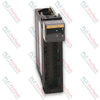
Opis
Omron CJ1W-DA08C zapewnia możliwość sterowania dużą liczbą pętli prądowych w architekturach automatyki przemysłowej, umożliwiając precyzyjną regulację maksymalnie ośmiu niezależnych elementów wykonawczych obiektowych. Ten specjalny moduł wejść/wyjść komunikuje się bezpośrednio z procesorem CPU sterownika nadrzędnego za pośrednictwem szybkiej magistrali systemu CJ, przekształcając cyfrowe wartości zadane w stabilne analogowe pętle sterowania 4–20 mA. Zaprojektowany z myślą o wymagających warunkach procesowych, wyposażono go w solidną izolację elektryczną między wewnętrznymi obwodami logicznymi a zewnętrznymi zaciskami okablowania obiektowego, co ogranicza podatność na zakłócenia i chroni integralność płyty bazowej. Moduł można w całości konfigurować za pośrednictwem mapy pamięci sterownika PLC, eliminując konieczność ręcznej regulacji potencjometrów.
Funkcje
-
Sterowanie o dużej gęstości: Oferuje 8 niezależnych analogowych wyjść pętli prądowej w kompaktowej obudowie o szerokości jednego gniazda.
-
Standardowy zakres sygnału: Obsługuje przemysłowe, standardowe analogowe sygnały wyjściowe 4–20 mA, zapewniając szeroką zgodność z elementami wykonawczymi.
-
Konwersja o wysokiej rozdzielczości: Zapewnia 12-bitową rozdzielczość konwersji cyfrowo-analogowej (skala 1/4000), umożliwiając precyzyjne sterowanie procesem.
-
Wymienny blok zacisków: Zastosowanie odłączanego bloku zacisków śrubowych umożliwia szybką wymianę modułu bez naruszania okablowania obiektowego.
-
Ujednolicona konfiguracja: Wszystkie rejestry skalowania wyjść, limitów i stanu są bezpośrednio zintegrowane z obszarami pamięci specjalnego modułu wejść/wyjść procesora CPU.
Zastosowania
- Pozycjonowanie proporcjonalnych zaworów regulacyjnych w instalacjach przetwarzania cieczy i gazów.
- Zadawanie prędkości napędów o zmiennej częstotliwości oraz sterowanie rampą silnika.
- Przesyłanie sygnałów odniesienia wejść analogowych do rozproszonych zdalnych jednostek terminalowych (RTU).
- Przesyłanie zmiennych procesowych do lokalnych rejestratorów bezpapierowych i mierników panelowych.
Tabela specyfikacji technicznych
| Parametr |
Wartość specyfikacji |
| Producent |
Omron |
| Kod modelu |
CJ1W-DA08C |
| Typ modułu |
Specjalny moduł wejść/wyjść |
| Połączenie systemu wejść/wyjść |
Magistrala wejść/wyjść CJ |
| Kanały wyjść analogowych |
8 |
| Zakres sygnału wyjściowego |
Od 4 do 20 mA |
| Rozdzielczość D/A |
12-bitowa (1/4000) |
| Typ połączenia zacisków |
Odłączane zaciski śrubowe |
| Kraj pochodzenia |
Japonia |
| Masa wysyłkowa (obliczona) |
1,5 kg |
| Wymiary opakowania (obliczone) |
89 mm x 31 mm x 90 mm |
Wnioski z badań inżynieryjnych
Alternatywne modele i zgodność &
Podczas migracji układów sterowania lub wykonywania zamienników typu drop-in upewnij się, że istniejąca pętla wyjściowa wykorzystuje prąd 4–20 mA, a nie napięcie. Jeśli system wymaga napięciowego sygnału odniesienia, wybierz zamiast niego model CJ1W-DA08V (0–10 V / -10–+10 V). W mniejszych architekturach 4-kanałowy model CJ1W-DA041 zajmuje mniej miejsca, zachowując tę samą strukturę programowania.
Typowe problemy aplikacyjne i uwagi inżynierskie
Do listwy zaciskowej modułu należy podłączyć zewnętrzne źródło zasilania 24 V DC w celu zasilania wewnętrznego przetwornika cyfrowo-analogowego oraz obwodów wyjść pętli prądowej. Jeśli napięcie tego zasilacza spadnie poniżej 20,4 V DC, kanały wyjściowe mogą zostać ograniczone lub utracić dokładność kalibracji. Aby zapobiec nadmiernemu nagrzewaniu się wnętrza małych szaf podczas jednoczesnego sterowania wszystkimi 8 wyjściami prądem 20 mA, należy zapewnić odpowiedni pionowy prześwit wentylacyjny wokół zespołu szafy PLC.
Wskazówki dotyczące uruchamiania i okablowania
Nieużywane kanały wyjściowe należy jawnie wyłączyć w konfiguracji parametrów jednostki specjalnych wejść/wyjść PLC (obszar DM). Pozostawienie włączonych nieużywanych wyjść może powodować opóźnienia skanowania procesora systemu i wyzwalać błędy diagnostyczne. Linie obiektowe 4–20 mA należy zawsze prowadzić ekranowanym przewodem skrętkowym (STP), uziemiając ekran wyłącznie po stronie PLC, aby ograniczyć zakłócenia elektryczne wspólne.
Wytyczne dotyczące instalacji
KRYTYCZNE OSTRZEŻENIE
Odłącz wszystkie główne źródła zasilania doprowadzające energię do płyty bazowej sterownika PLC oraz zewnętrznych urządzeń pomiarowych pętli przed zamontowaniem, wyjęciem lub podłączeniem przewodów tego modułu. Niepełne odłączenie zasilania zespołu może spowodować nieoczekiwane uruchomienie siłowników, uszkodzenie elementów systemu lub przerwanie komunikacji w magistrali SYSMAC.
1
Ustaw przełączniki obrotowe numeru urządzenia, znajdujące się na przedniej stronie modułu, zgodnie z ustawieniami przydziału w oprogramowaniu systemowym. Upewnij się, że w tej samej szafie nie występują powtarzające się numery urządzeń.
2
Wyrównaj górne i dolne zaczepy pozycjonujące modułu z prowadnicami płyty bazowej, a następnie mocno obróć urządzenie na miejsce, aż zatrzaski blokujące klikną.
3
Podłącz przewody zewnętrznego pomocniczego zasilacza pętli 24 V DC do wyznaczonych wejść zasilania na listwie zaciskowej.
4
Podłącz kable ekranowane, skrętkowe dla każdego kanału wyjściowego pętli, dokładnie sprawdzając prawidłową polaryzację (+/-) na zaciskach śrubowych.