Product Overview
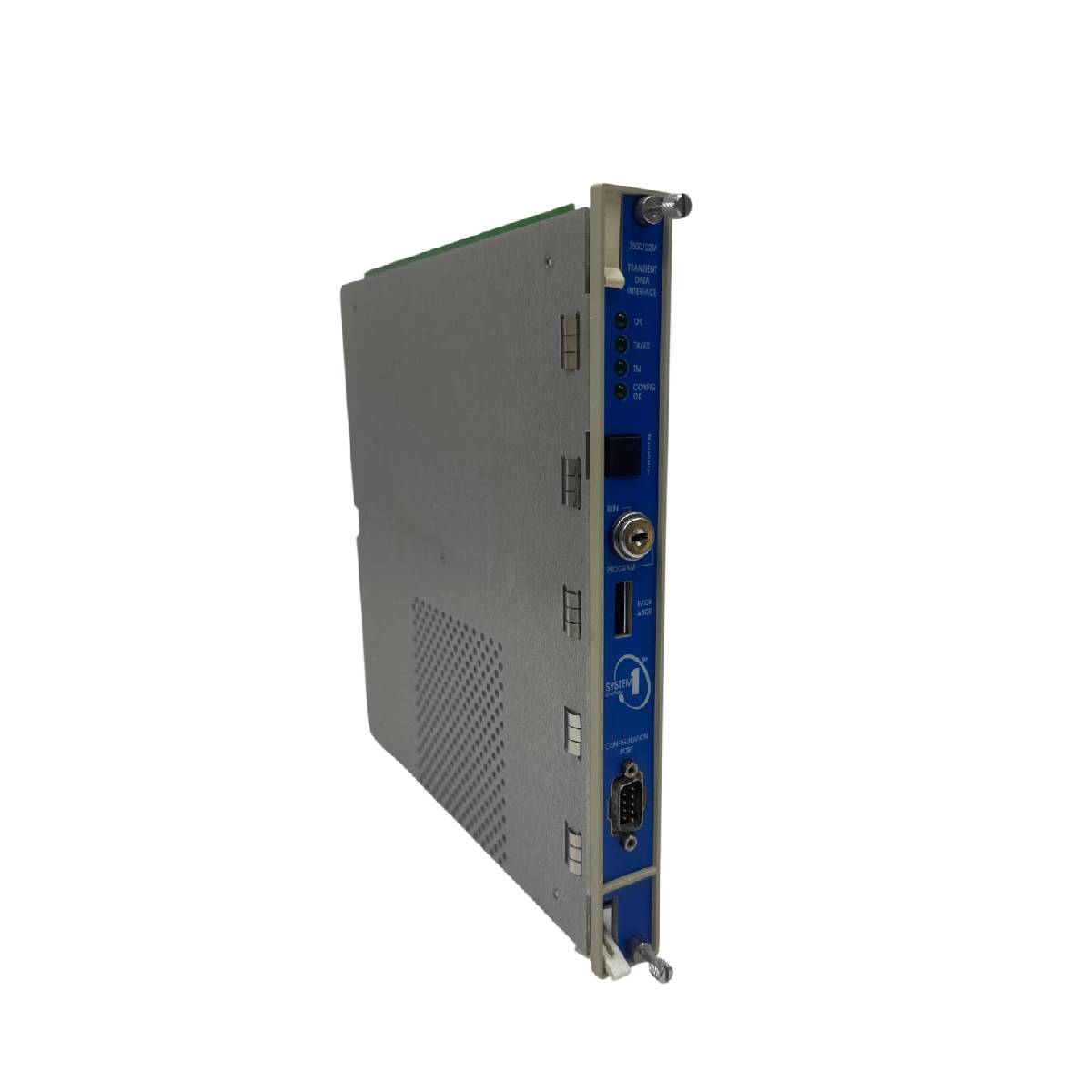
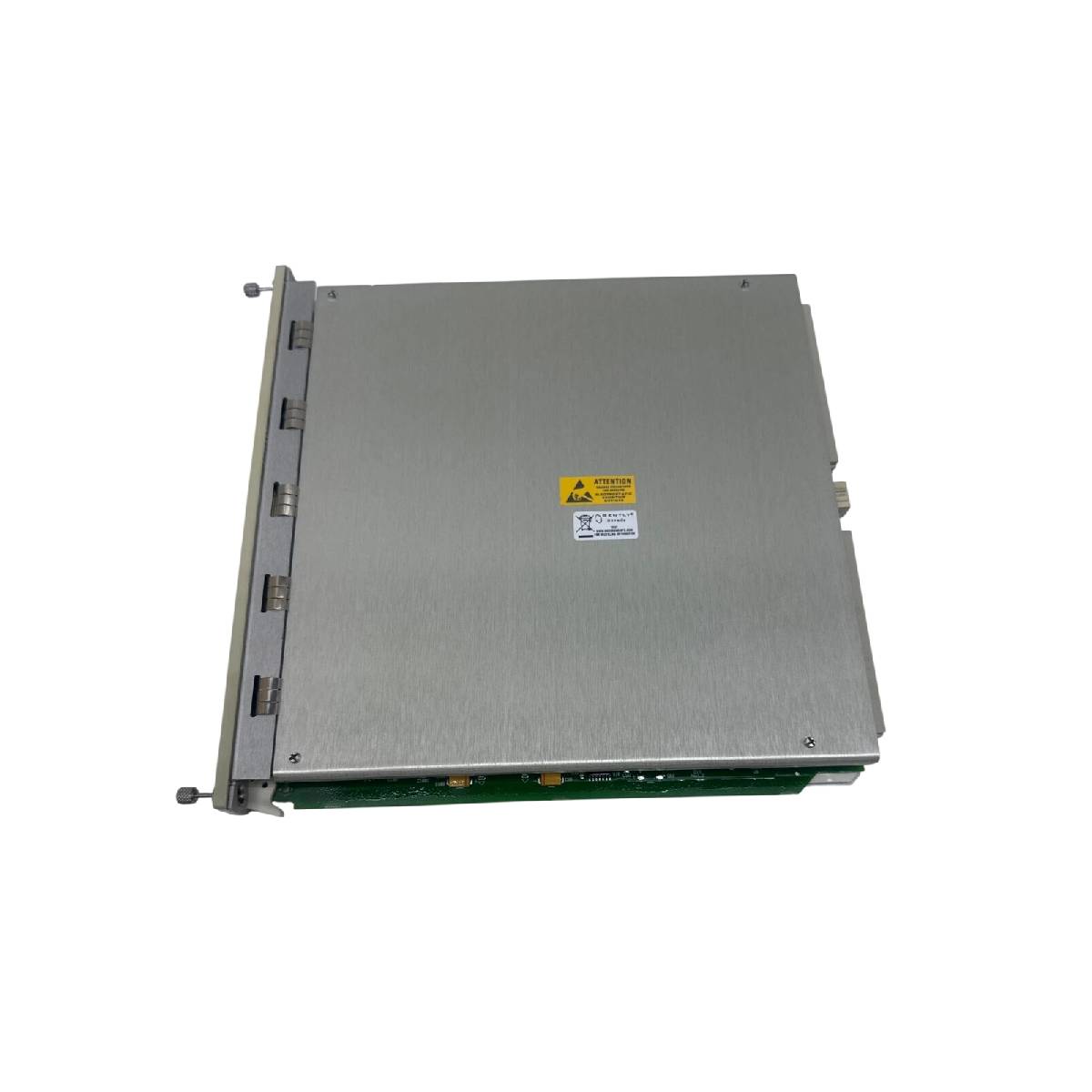
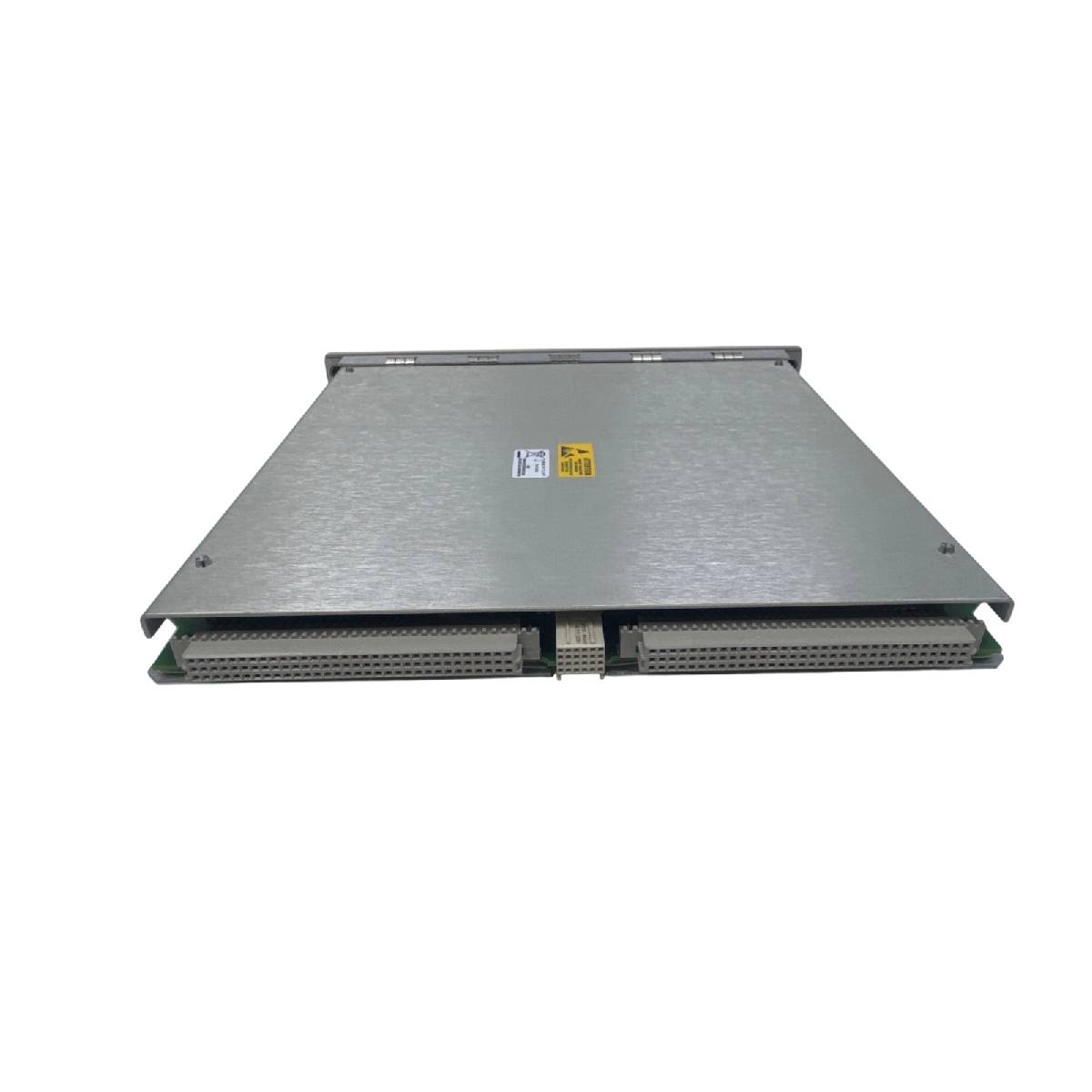
The 138607-01 (138607-01) is the core Standard Transient Data Interface (TDI) module for the Bently Nevada 3500/22M series. As the primary communication gateway for the 3500 Machinery Protection System, this module is responsible for bridging the gap between hardware monitors and diagnostic software. Unlike standard interface modules, the 138607-01 is engineered to handle "transient" data—capturing high-resolution waveforms during machine start-up, coast-down, and steady-state operation. This capability is critical for vibration specialists to perform orbit, spectrum, and time-base analysis, ensuring the long-term reliability of high-speed rotating assets.
Functional Engineering & Diagnostic Logic
The 3500/22M 138607-01 provides the processing intelligence required to manage all monitor modules within a 3500 rack. It performs continuous self-diagnostics and manages the communication flow to System 1 software. By collecting dynamic data from the backplane, the 138607-01 allows for a "Black Box" forensic approach to machinery protection; it can trigger high-speed data captures based on alarm events, providing engineers with the exact vibration profiles leading up to a machine trip. This module is the "Standard" version, optimized for typical industrial monitoring applications where intrinsic safety barriers are handled externally.
Technical Specifications
| Attribute |
Specification Details |
| Model |
3500/22M |
| Part Number |
138607-01 |
| Data Collection |
Static, Dynamic (Waveforms), and Transient Data |
| Communication |
Ethernet (via I/O module) & USB |
| Storage |
Non-volatile flash for configuration and event logs |
| Operating Temp |
-30°C to +65°C (-22°F to +149°F) |
| Front Interface |
USB port for local rack configuration |
| Status LEDs |
OK, TX/RX, TM (Test Mode), and CONFIG |
| Weight |
~0.91 kg |
Technical FAQs
How does the 138607-01 differ from the 3500/20 RIM?
The legacy 3500/20 Rack Interface Module (RIM) only supports static data (overall vibration values). The 3500/22M TDI (138607-01) is a high-bandwidth upgrade that enables the capture of raw waveforms, which is the only way to perform detailed diagnostics in System 1.
Can the 138607-01 be installed in any slot of the 3500 rack?
No. The TDI must always be installed in the first slot (leftmost side, Slot 1) of the 3500 rack, immediately next to the Power Supply modules. This position is required to manage the rack-wide communication bus effectively.
What is the purpose of the front-panel USB port?
The USB port on the 138607-01 is designed for Local Configuration. It allows a field engineer to connect a laptop directly to the rack to set up sensor types, alarm setpoints, and network parameters using the 3500 Rack Configuration Software.
Field Engineering & Installation Guide
-
Firmware Synchronization: When replacing a 138607-01, ensure the firmware version matches the rest of the rack modules and your System 1 version. Discrepancies can lead to communication errors or the inability to capture transient events.
-
Configuration Upload: Before commissioning, the module must be "configured." Connect via USB, set the specific rack address and IP settings, and then upload the configuration. The module will retain this information in its non-volatile memory even after a power loss.
-
Hot-Swap Procedure: This module supports replacement while the rack is powered. However, when the TDI is removed, all communication to the diagnostic software will stop. The individual monitor modules will still provide hardware-level machinery protection (trips), but remote visibility will be lost until the new module is synchronized.
Engineering Advantages
The 3500/22M 138607-01 is an essential investment for any plant operating turbines, compressors, or large pumps. Its ability to provide deep-dive forensic data makes it the gold standard for Root Cause Analysis (RCA). Built for extreme industrial durability, this module ensures that your machinery protection system is not just a "trip box" but a powerful diagnostic tool that reduces unplanned downtime and extends the life of critical equipment.