Product Overview
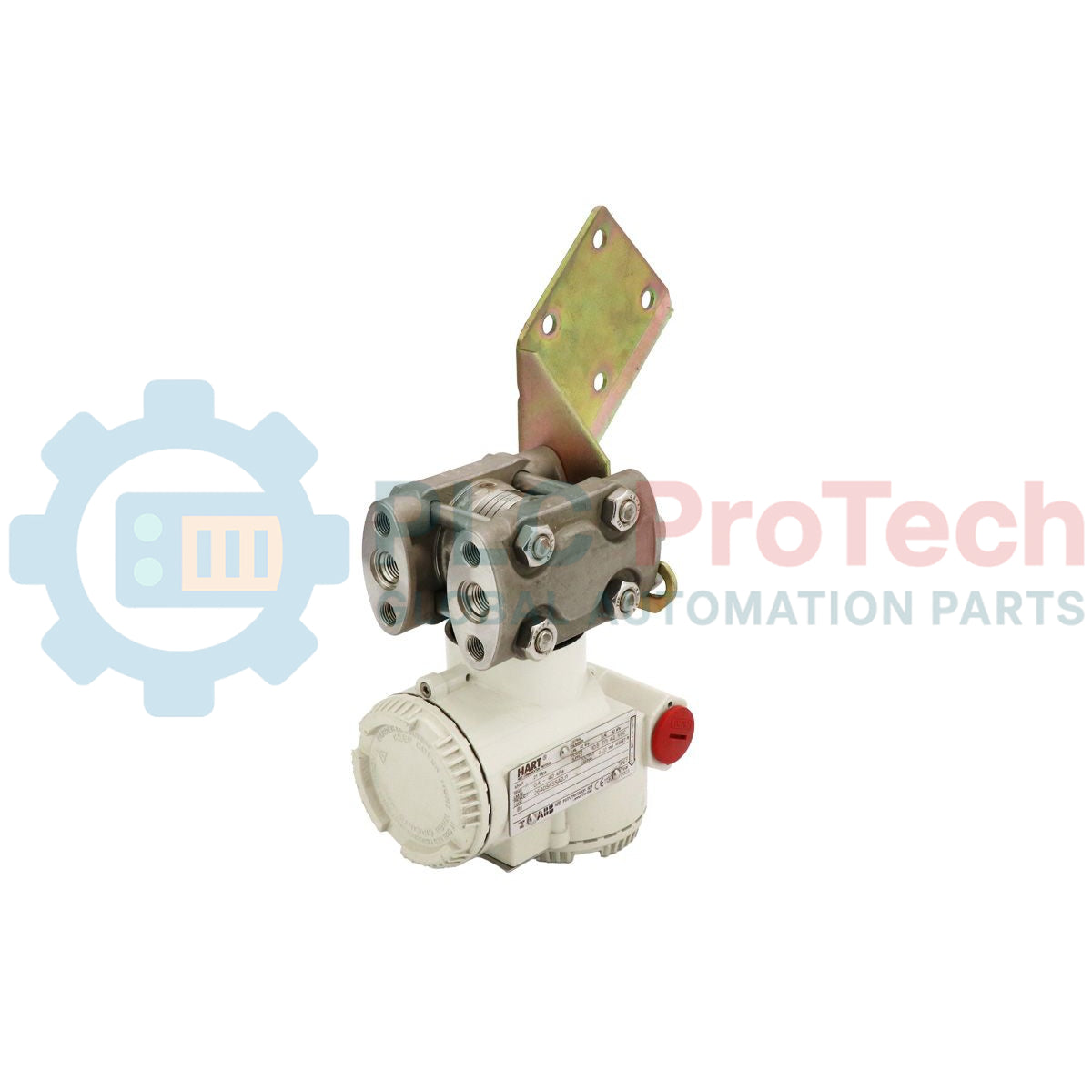
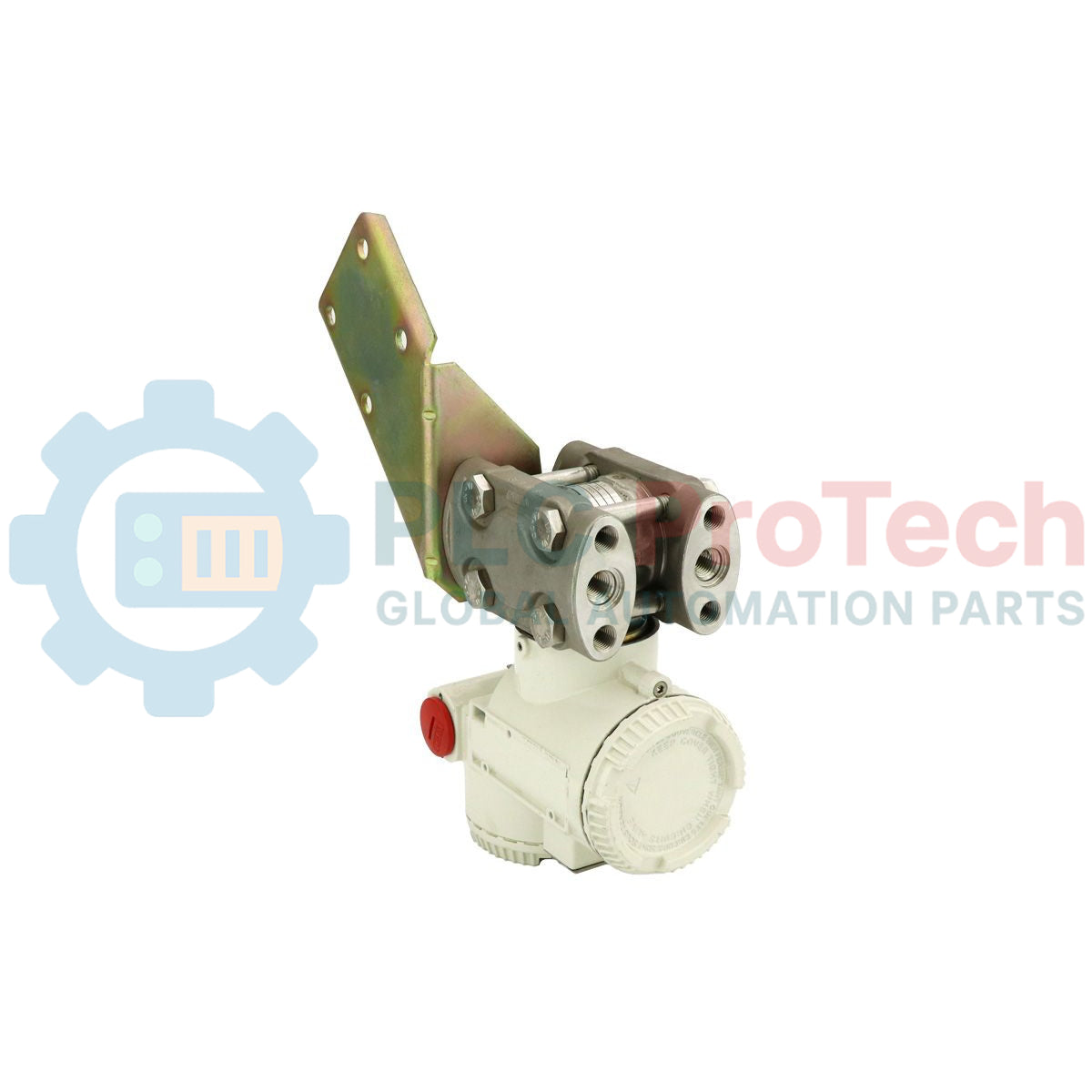
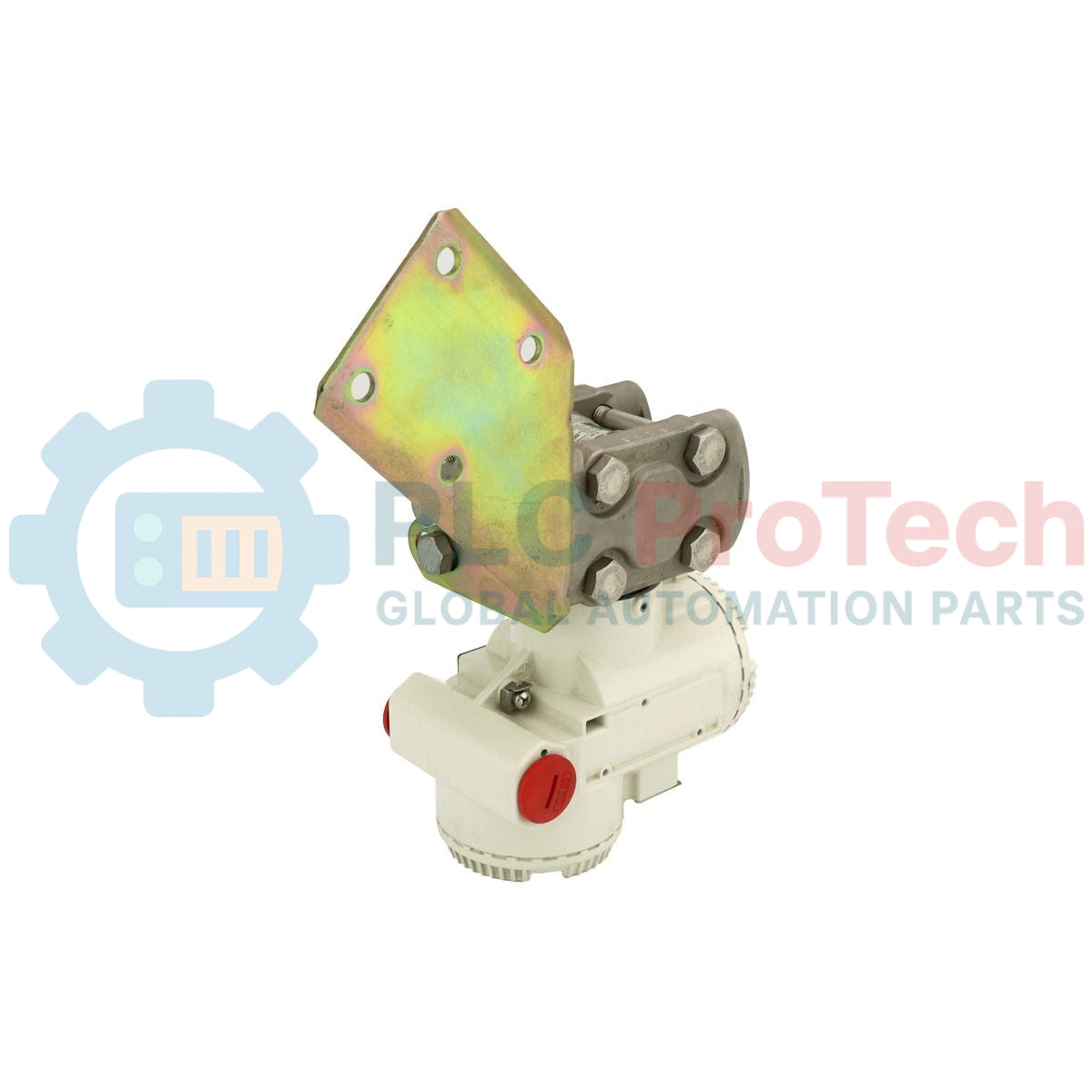
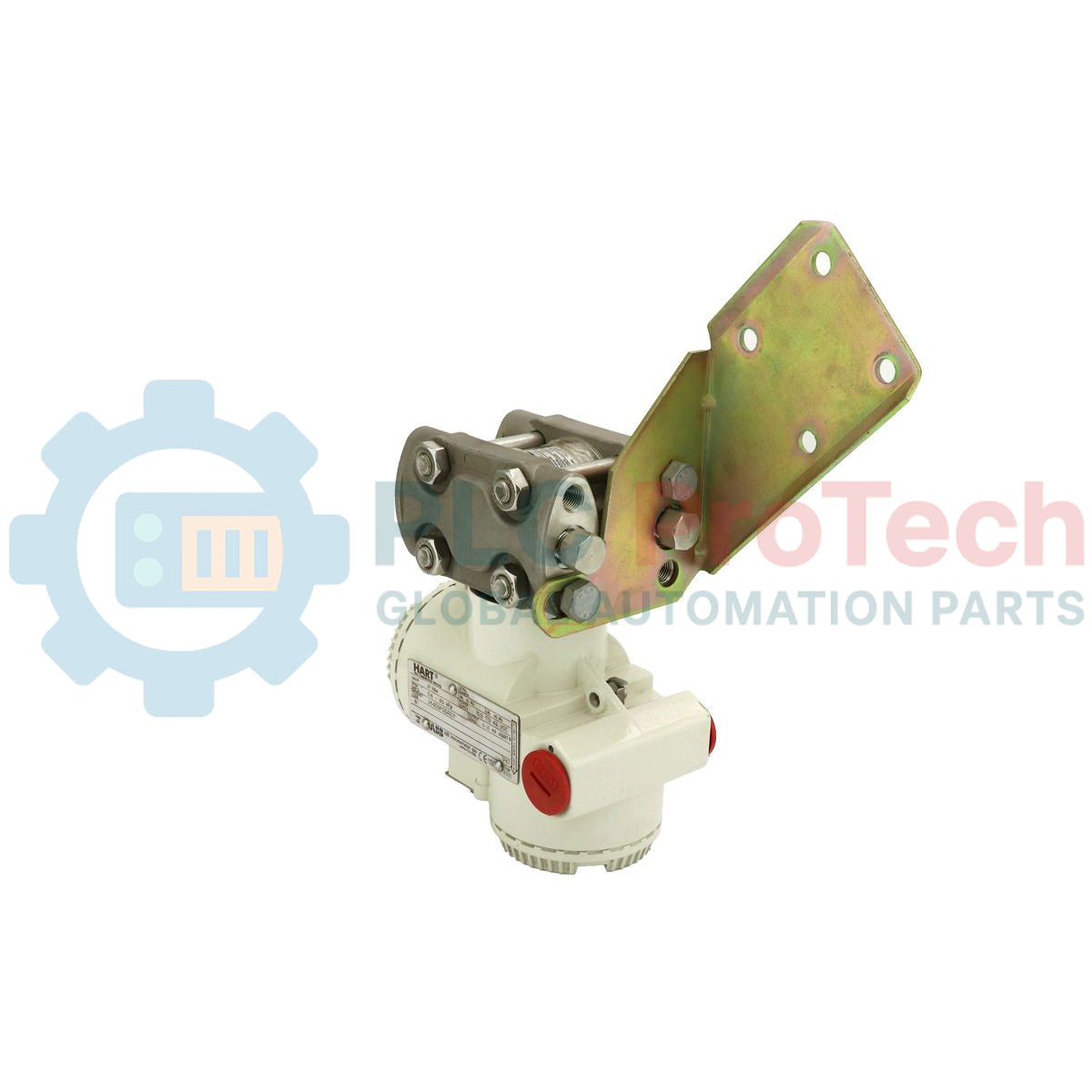
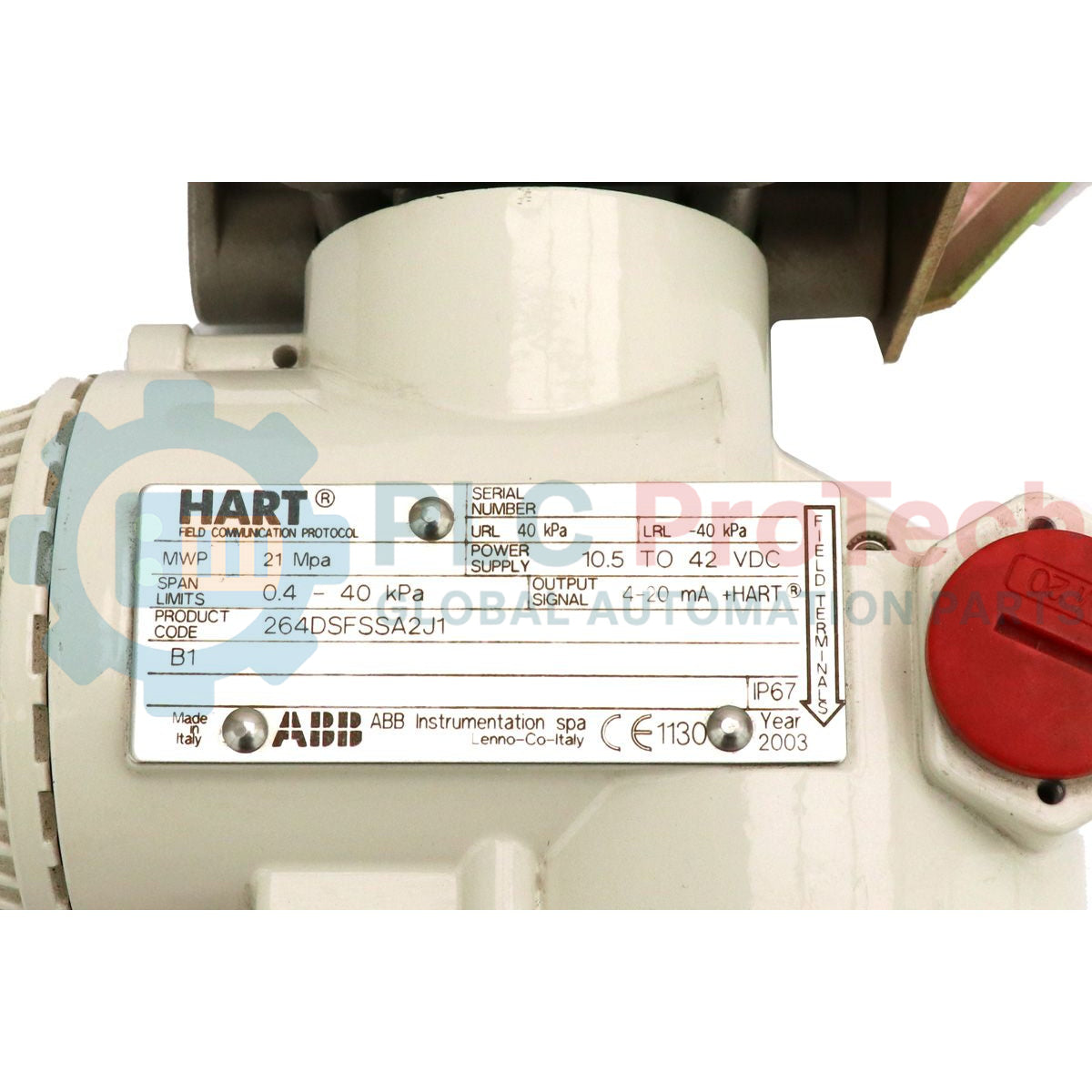
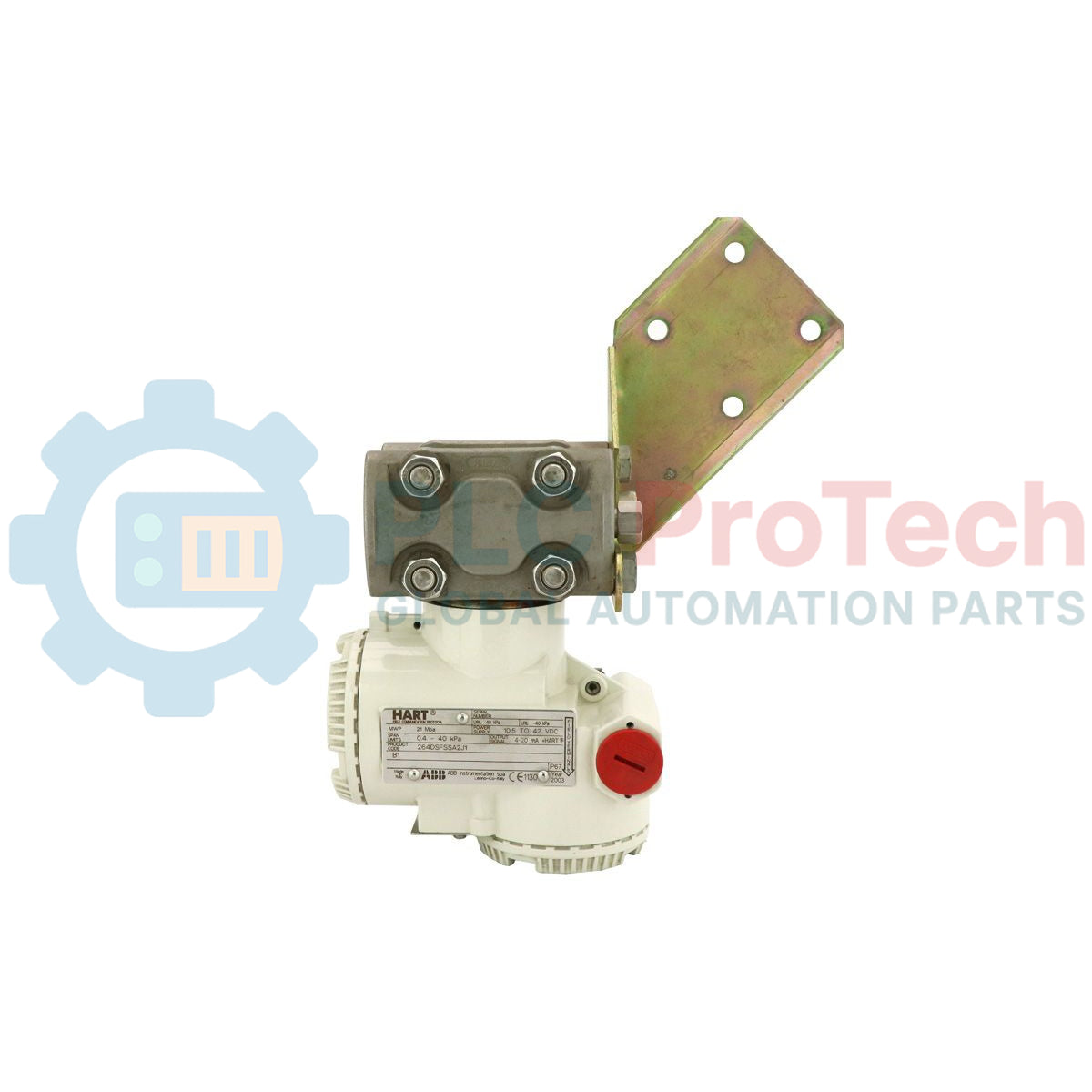
The 264DSFSSA2J1 (264DS) is a high-precision Differential Pressure Transmitter belonging to the esteemed ABB 2600T series. Engineered for versatility and long-term stability, this transmitter is designed to measure differential pressure across a vast spectrum, from low-range water columns to high-pressure industrial processes up to 2320 psi. The 264DSFSSA2J1 (264DS) integrates advanced digital sensing technology with robust mechanical construction, featuring a 316L Stainless Steel diaphragm and horizontal process flanges. This configuration ensures reliable performance in demanding environments like oil and gas refineries, chemical processing, and power generation. With a 5-year stability warranty and a base accuracy of$\pm0.075\%$, it serves as a critical component in optimizing process control and reducing maintenance overhead.
Technical Specifications
| Attribute |
Specification |
| Model |
264DSFSSA2J1 |
| Brand |
ABB |
| Series |
2600T Series |
| Base Accuracy |
±0.075% |
| Sensor Span Limits |
0.4 to 40 kPa (4 to 400 mbar) |
| Diaphragm Material |
AISI 316L Stainless Steel |
| Fill Fluid |
Silicone Oil |
| Process Flange |
AISI 316L SST (Horizontal connection) |
| Process Connection |
1/4 inch NPT-f direct |
| Bolts / Gasket |
AISI 316 SST / PTFE |
| Housing Material |
Aluminium Alloy (M20 x 1.5 connection) |
| Output Protocol |
HART Digital + 4 to 20 mA |
| Stability |
5-year stability warranty |
| Compliance |
Full PED Compliance, NACE MR0175 |
FAQs
What is the significance of the 100:1 turndown ratio in the 264DS series?
The 100:1 turndown ratio allows the transmitter to be ranged down to a fraction of its maximum span without significant loss in measurement integrity. This flexibility enables a single model to cover multiple application ranges, reducing the need for extensive spare parts inventory.
Can this transmitter be used for corrosive fluid applications?
The 264DSFSSA2J1 configuration utilizes 316L Stainless Steel and PTFE gaskets, which are suitable for a wide range of industrial fluids. However, for highly aggressive media like wet chlorine or sour gas, ABB offers alternative wetted materials such as Hastelloy C276 or Tantalum.
How can the 264DS be configured on-site?
Configuration can be performed locally via the optional integral LCD display with keypad, or remotely using a HART-compatible handheld terminal (such as a DHH805) or a PC-based configuration platform via an FDT/DTM interface.
Is the device compliant with NACE standards for sour service?
Yes, the "A" code in the 9th character indicates that the process flanges and adapters are AlSI 316L and meet NACE MR0175 requirements, making the transmitter suitable for applications where sulfide stress cracking is a concern.
Engineering & Installation Guide
-
Impulse Line Manifolding: For differential pressure applications, it is highly recommended to install a 3-valve or 5-valve manifold between the process and the transmitter. This allows for safe isolation, venting, and zero-point calibration without interrupting the process flow.
-
Mounting Orientation: The 264DS utilizes a horizontal flange connection. Ensure the transmitter is mounted such that the impulse lines are self-draining (for gas service) or self-venting (for liquid service) to prevent measurement errors caused by trapped bubbles or condensate.
-
Electrical Grounding: To maximize the noise immunity provided by the HART protocol, ensure the aluminum housing is properly grounded. Use the internal or external ground terminal and shielded twisted-pair cabling to prevent interference from high-frequency electromagnetic fields common in industrial environments.