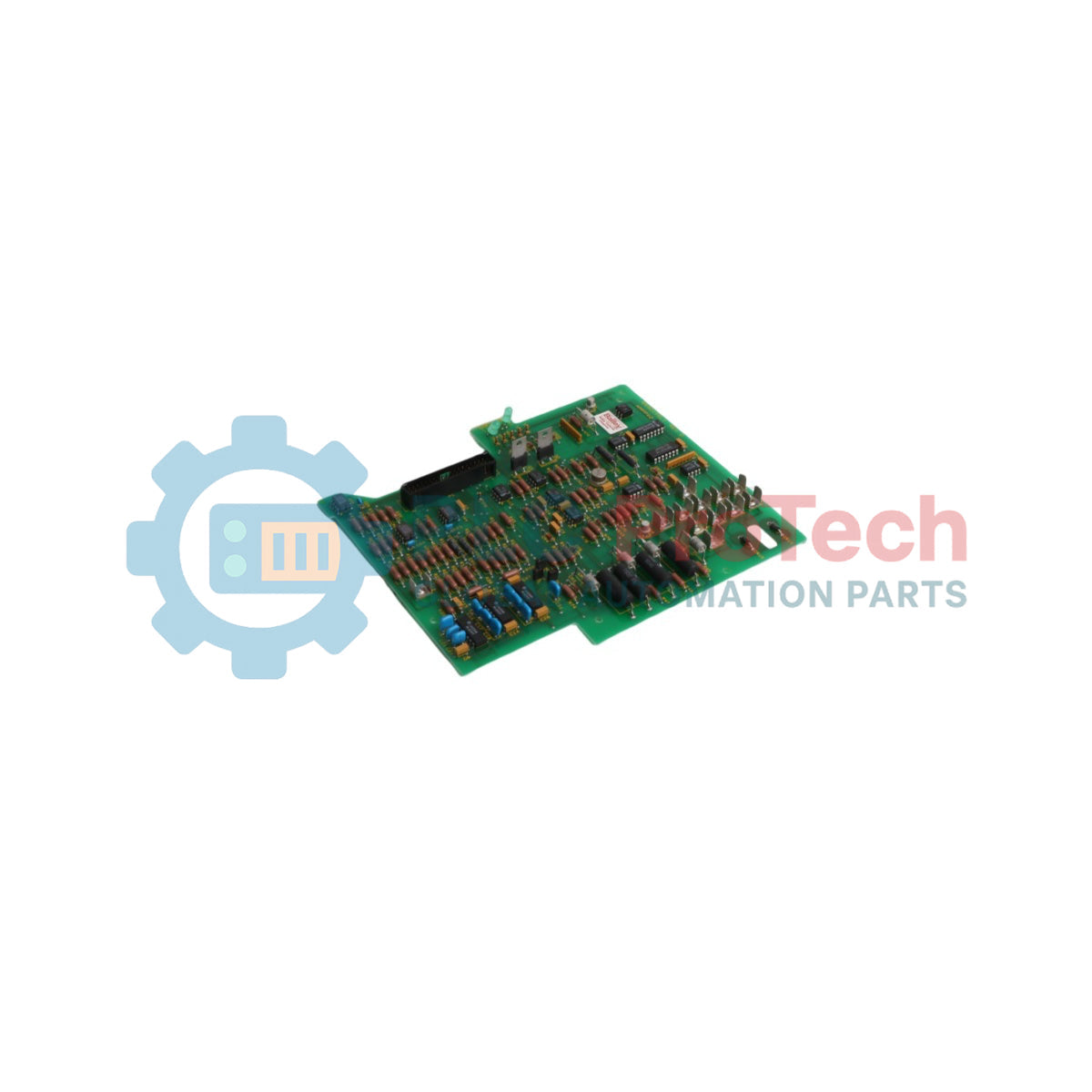
Product Overview
The NMPP02 (NMPP02) is a heavy-duty Module Power Panel engineered for the ABB Bailey Network 90 and Harmony Rack control architectures. Operating as a critical power infrastructure component within demanding processing sectors like baseload power plants, petrochemical refineries, and continuous-pulp paper mills, this power panel manages and distributes primary power rails directly to downstream module mounting units (MMU). The NMPP02 aggregates bulk DC voltages, integrates precision overcurrent circuit protection, and routes clean, uninterrupted power across the system backplane bus. Incorporating this physical power distribution panel into your control cabinet matrix mitigates the risk of localized power sags, protects processing cards from cascading short-circuit faults, and eliminates unexpected process upsets to ensure maximum system availability and reduced plant MTBF.
Infrastructure Design and Power Distribution Architecture
The physical layout and electrical framework of the NMPP02 panel prioritize absolute power isolation, line protection, and simplified serviceability under live cabinet environments.
-
High-Current Bus Isolation: Features isolated solid copper bus segments capable of routing primary DC rails (+5 VDC, +15 VDC, -15 VDC, and auxiliary 24 VDC systems) with minimal resistive voltage drops across the entire termination area.
-
Independent Circuit Protection: Equipped with dedicated, front-accessible circuit breakers or high-rupture fuses mapped to individual rack slots or chassis groups. If a downstream module suffers a catastrophic electrical short, the localized breaker trips instantly, preventing system-wide voltage collapse.
-
Fail-Safe Monitoring Interface: Includes auxiliary status contacts and terminal points designed to wire directly into system alarm networks. This layout provides the central Multi-Function Processor with instantaneous warning of a tripped power branch or breaker failure.
-
Rugged Passive Thermal Frame: The heavy steel backplate chassis acts as a natural heat sink, dissipating thermal energy generated at the connection junctions without requiring active, failure-prone motorized fan kits.
Comprehensive Hardware Specifications
| Performance Property |
Engineering Metric and Specification Values |
| Model Number |
NMPP02 |
| Brand Identity |
ABB Bailey |
| System Compatibility |
Network 90 / Harmony Rack Systems |
| Component Classification |
Module Power Panel (Power Distribution Board) |
| Input Voltage Channels |
Multiple DC Rails (+5 VDC, +15 VDC, -15 VDC, 24 VDC Nominal) |
| Maximum Current Rating |
Built to match full-load Network 90 MMU chassis limits |
| Circuit Breaker Ratings |
Individual branch-rated thermal-magnetic toggle switches |
| Mounting Footprint |
Standard cabinet rear-rack or utility panel installation |
| Physical Enclosure Protection |
Open-frame structural design with protective terminal covers |
| Ambient Operating Temperature |
0 to 70 deg C |
| Storage Temperature Limits |
-40 to 85 deg C |
| Relative Humidity Range |
5 to 95% relative humidity (Non-condensing) |
Engineering Field FAQs
What is the primary role of the NMPP02 within a legacy Network 90 cabinet upgrade?
The NMPP02 acts as the structural power interface between bulk cabinet power supplies (such as the NKPS series) and the individual module mounting racks. During cabinet upgrades to modern Harmony processors, the NMPP02 remains a critical component because it maintains the core power infrastructure and distribution buses required by legacy terminal blocks.
How do engineers identify a tripped branch circuit on the NMPP02 panel?
Each distinct power distribution loop is governed by a physical, front-facing toggle circuit breaker or an indicator fuse block. A tripped state mechanically forces the breaker switch to the OFF/TRIP position or activates a high-visibility mechanical flag, allowing technicians to pinpoint the faulted rack layer instantly without applying diagnostic meters.
Can the NMPP02 panel handle dual-redundant power feed configurations?
Yes. The panel layout features isolated input terminals that allow field engineers to route separate, independent primary and secondary bulk power lines into the bus network. This ensures that if a main power supply bank fails, the parallel feed keeps the processor backplane active without a transfer blip.
On-Site Installation and Commissioning Manual
-
Chassis Grounding and Earthing Matrix: Mount the panel securely to the cabinet structural columns using zinc-plated hardware to pierce any non-conductive paint layers. Connect a heavy-gauge copper ground cable (minimum 6.0 square mm cross-section) from the dedicated copper ground stud directly to the main cabinet system earth bus bar. A low-impedance ground path is vital to drain electromagnetic transients safely.
-
Wiring Torque Specs and Terminal Security: Strip all primary power input and output lines to OEM specifications and crimp using heavy-duty, insulated ring lugs. Tighten all screw terminal blocks and power bus fasteners to a strict torque setting of 1.2 Nm (10.6 in-lbs). Loose connections under high current loads will cause localized overheating, resulting in progressive terminal damage or voltage drop anomalies.
-
Live Maintenance Safety Clearances: The NMPP02 handles high current capacities directly from the main power supplies. Always utilize non-conductive terminal barrier shrouds over the live bus bars. When tracing power branches or resetting tripped toggles while the cabinet is energized, engineers must utilize insulated tools and follow local arc-flash safety procedures.
-
Dust Mitigation and Periodic Inspections: Because this unit features an open mechanical build for passive convection cooling, conductive dust and ambient chemical residues can settle on top of open terminal strips over long operating periods. Blow out the panel assembly every 12 months using clean, dry low-pressure compressed air, and visually inspect for signs of thermal discoloration on wire insulation.