Product Overview
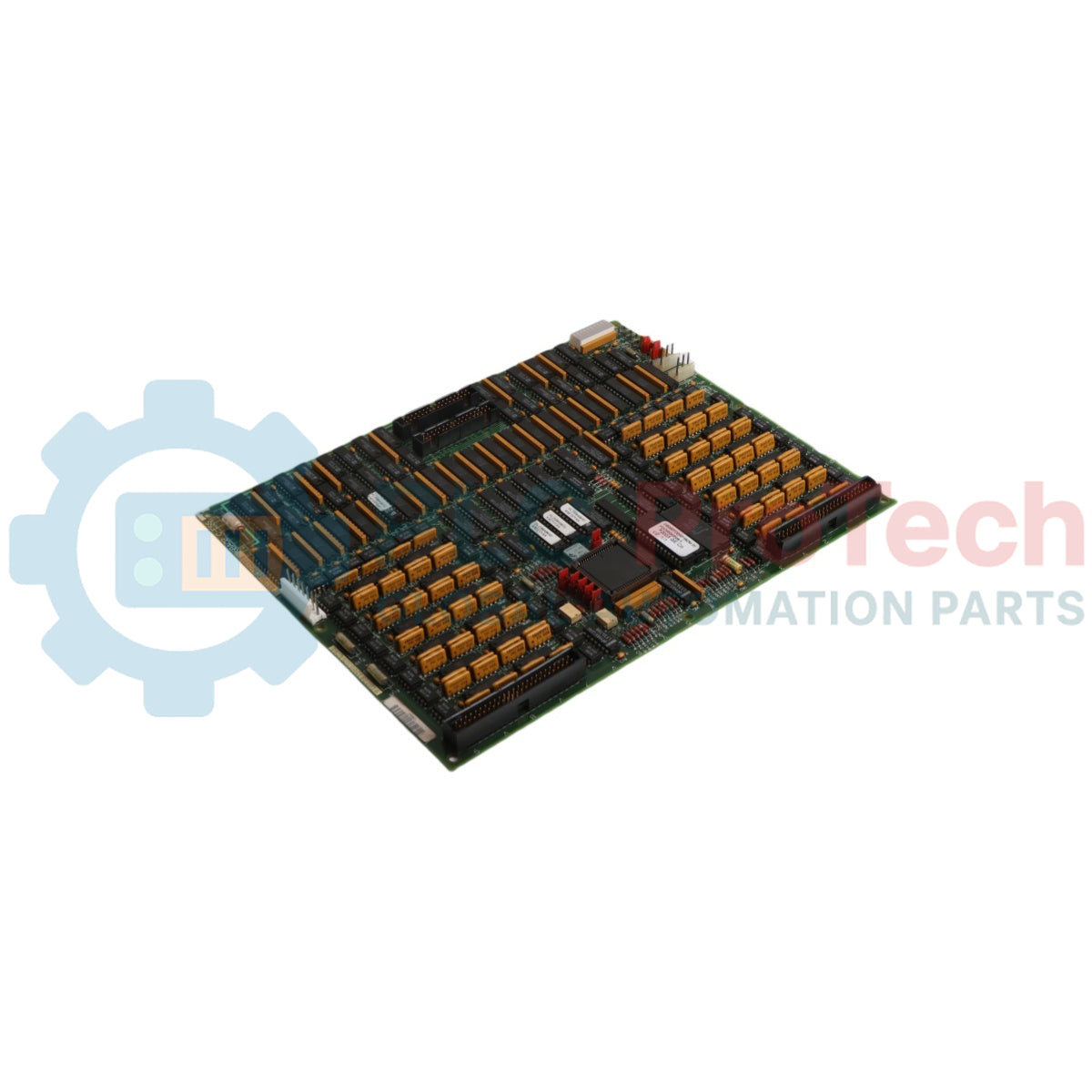
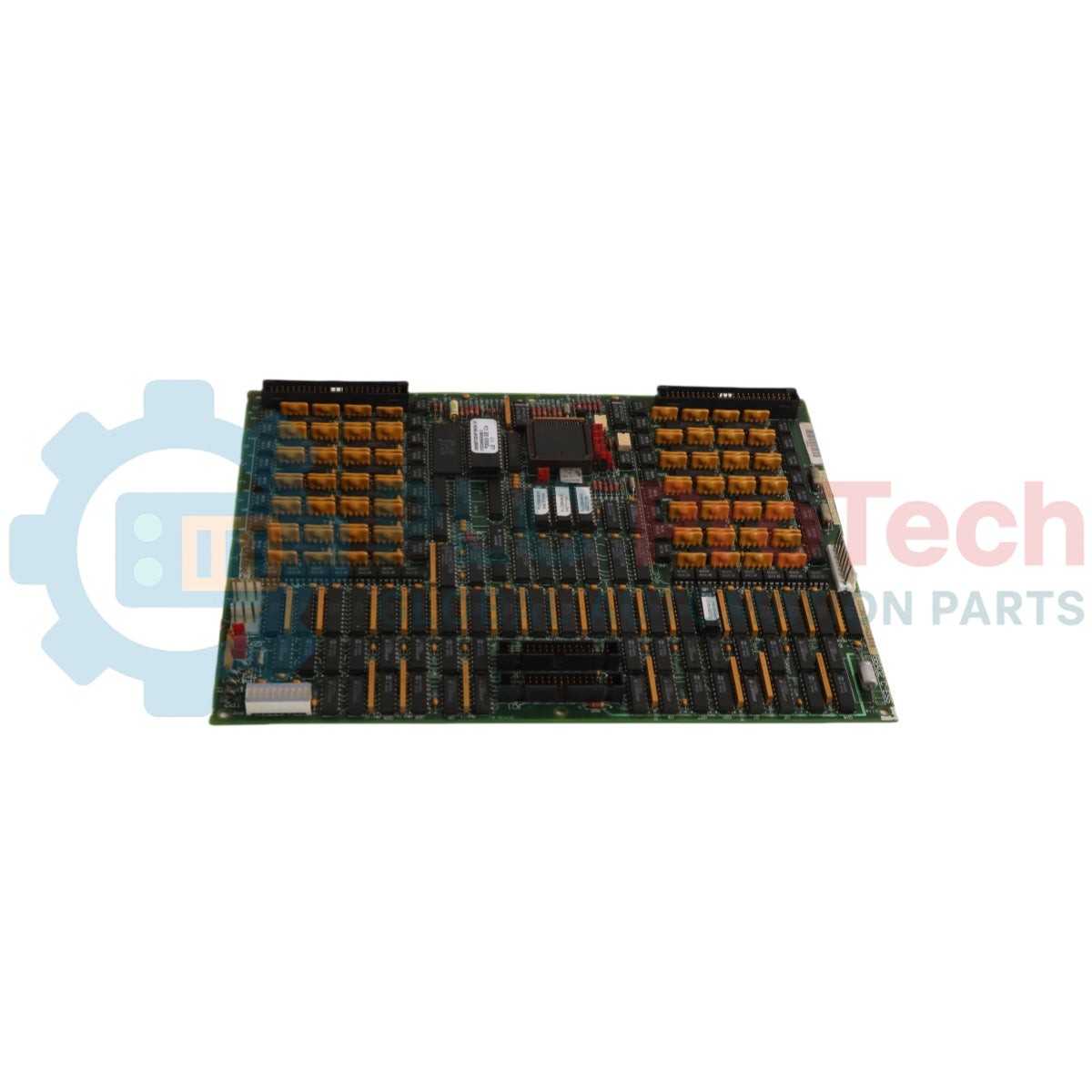
The DS215UCVBG3AJ functions as a primary Application Control Board within the GE Mark V Speedtronic turbine control system. This sophisticated module serves as the central processing node for the <C> core (Control Core) or <I> core (Display Interface), managing the execution of complex control algorithms, I/O processing, and system communication. As part of the UCVB series, the DS215UCVBG3AJ coordinates data flow between the turbine's hardware sensors and the operator interface, ensuring stable operation for gas and steam turbines. Its architecture handles real-time multitasking, allowing for the simultaneous monitoring of critical parameters like turbine speed, exhaust temperature, and fuel flow with the high reliability required for utility-grade power generation.
Core Technical Advantages
Advanced Microprocessor Architecture
The board integrates a high-performance 80196 microprocessor alongside specialized digital signal processors. This dual-layer processing approach allows the DS215UCVBG3AJ to handle time-critical control loops independently of lower-priority communication tasks, preventing latency during sudden load fluctuations or emergency trip scenarios.
Multichannel Communication Bus
Equipped with multiple communication ports, the module supports the proprietary IONET and Stage Link protocols. These high-speed data buses allow the board to synchronize seamlessly with other Mark V cores, facilitating the Triple Modular Redundant (TMR) voting logic that is a hallmark of the Speedtronic safety architecture.
Field-Programmable Flexibility
The G3AJ revision utilizes EPROM and EEPROM chips to store site-specific configuration data and turbine control software. This design permits engineers to update control logic or calibrate sensor offsets via the Operator Interface (OI) without requiring physical modifications to the board’s hardware layout.
Technical Specifications
| Parameter |
Specification |
| Control System |
Mark V Speedtronic (TMR or Simplex) |
| Board Series |
UCVB (Application Control) |
| Microprocessor |
Intel 16-bit 80196 Controller |
| Memory Configuration |
Onboard RAM and Flash EPROM |
| Interface Ports |
IONET, RS-232 Serial, Stage Link |
| Standard Connectors |
37-pin and 50-pin high-density headers |
| Operating Voltage |
+5V DC, +/-15V DC from backplane |
| Dimensions |
Standard Mark V Full-Height Rack Slot |
Installation and Maintenance Guide
EPROM Configuration and Transfer
Before installing a replacement DS215UCVBG3AJ, verify the software revision on the EPROM chips. You must typically transfer the specialized chips (carrying the site-specific turbine logic) from the decommissioned board to the new module. Ensure the chip orientation matches the notched guide on the socket to prevent logic errors upon startup.
Slot Alignment and Seating
The board utilizes multiple high-density pin connectors on its rear edge. Inspect the backplane for debris or bent pins before insertion. Slide the board into the designated rack guides and apply firm, even pressure until the locking levers engage. Improper seating can result in intermittent "Core Communication Failure" alarms.
System Re-boot and Calibration
Following installation, perform a full "Control Reset" via the Mark V interface. Monitor the diagnostic LED codes on the board's front faceplate. A successful boot sequence concludes with the core entering the "A7" state, indicating that the application software is executing and synchronized with the rest of the control network.
Engineering Advantages
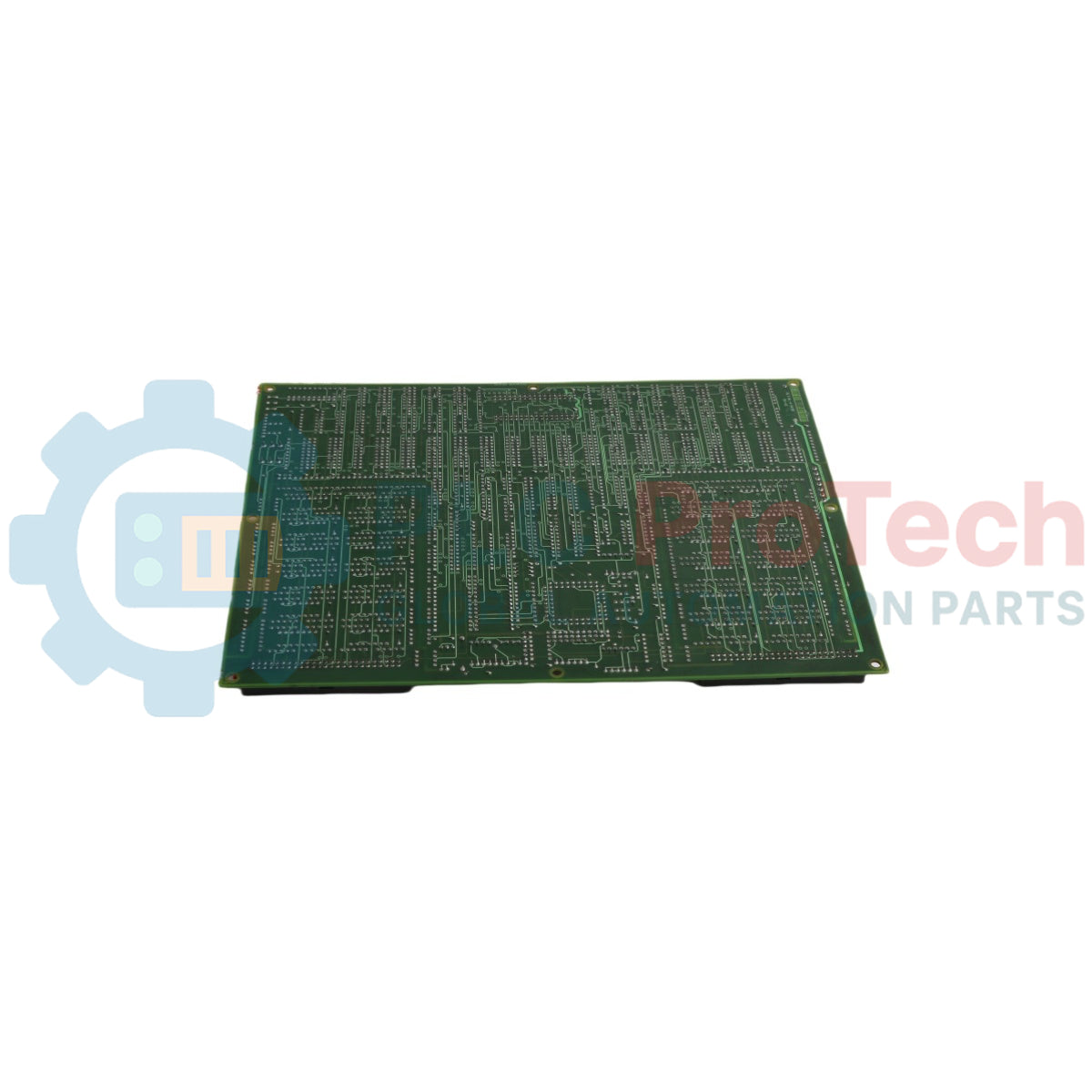
The DS215UCVBG3AJ is designed for a service life exceeding two decades in harsh industrial environments. Its multi-layer PCB features reinforced traces to withstand the thermal cycling typical of power plant operations. By providing a centralized, stable platform for the Mark V control software, this board minimizes "nuisance trips" and enhances the heat rate efficiency of the turbine through precise fuel-to-air ratio calculations. It remains a vital component for maintaining legacy Mark V systems, providing a bridge between 1990s hardware robustness and modern operational requirements.
Technical FAQs
Q1: What does the "G3AJ" suffix signify in this part number?
A1: The "G" indicates the Group number (representing the specific hardware configuration), while "3AJ" identifies the revision level. This revision often includes upgraded memory components or improved circuit protection compared to earlier G1 or G2 versions.
Q2: Can I hot-swap this board while the turbine is running?
A2: No. Replacing the DS215UCVBG3AJ requires the specific control core (<C>, <R>, <S>, or <T>) to be powered down. In a TMR system, the turbine can theoretically remain running on the remaining cores, but it is highly recommended to perform this maintenance during a scheduled shutdown to avoid a total system trip.
Q3: How do I troubleshoot a "Voter Mismatch" alarm related to this board?
A3: First, check the IONET cabling connected to the board. If the wiring is secure, use the Mark V diagnostic tools to check if the UCVB board is receiving consistent data from the I/O cores. A mismatch often indicates a failure in the board’s RAM or an issue with the synchronization clock.
Q4: Is the DS215UCVBG3AJ compatible with Mark V LM (Aeroderivative) systems?
A4: Yes, the UCVB series boards are used across both Heavy Duty (Frame) and Aeroderivative (LM) Mark V platforms, though the software programmed into the EPROMs will differ significantly between the two.