Product Overview
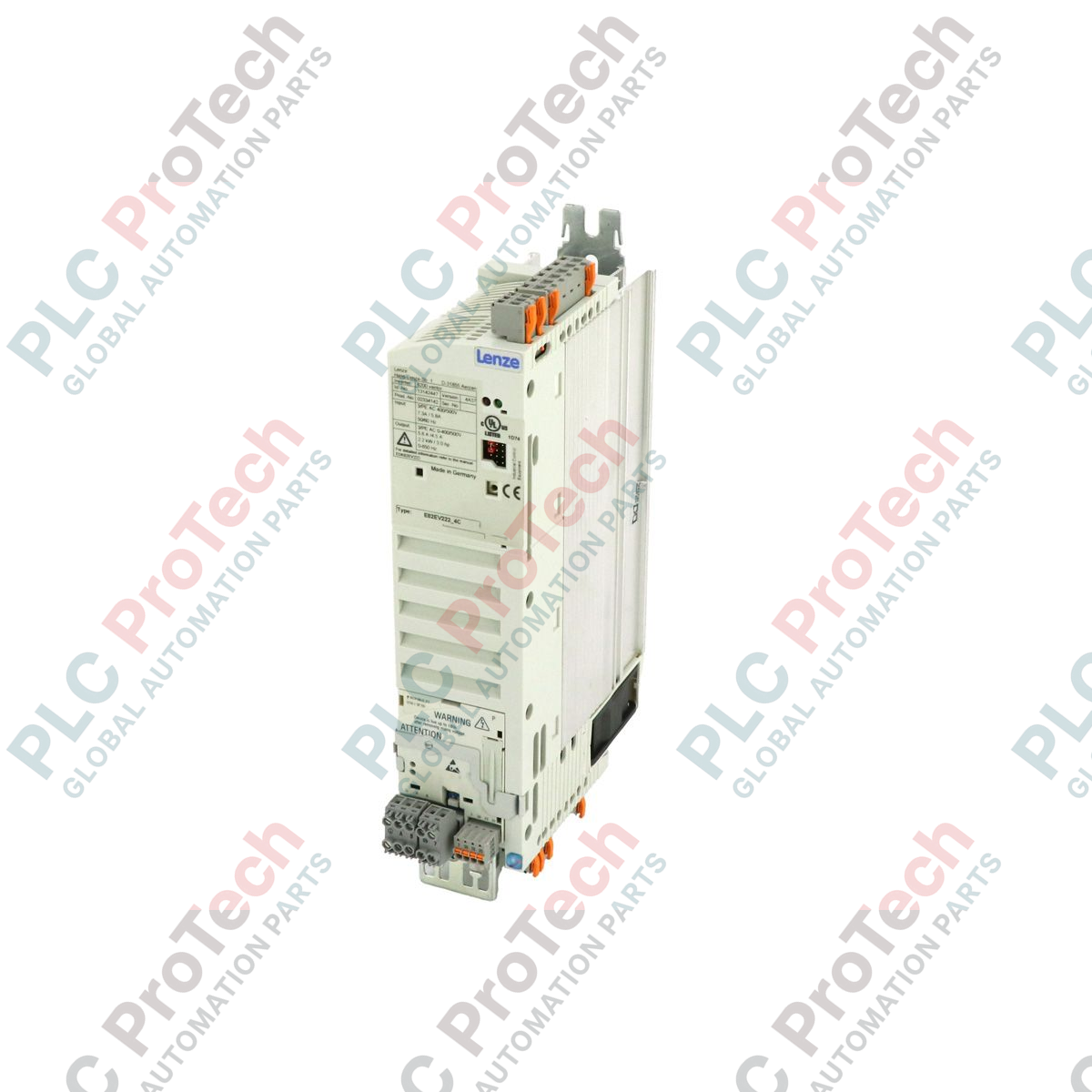
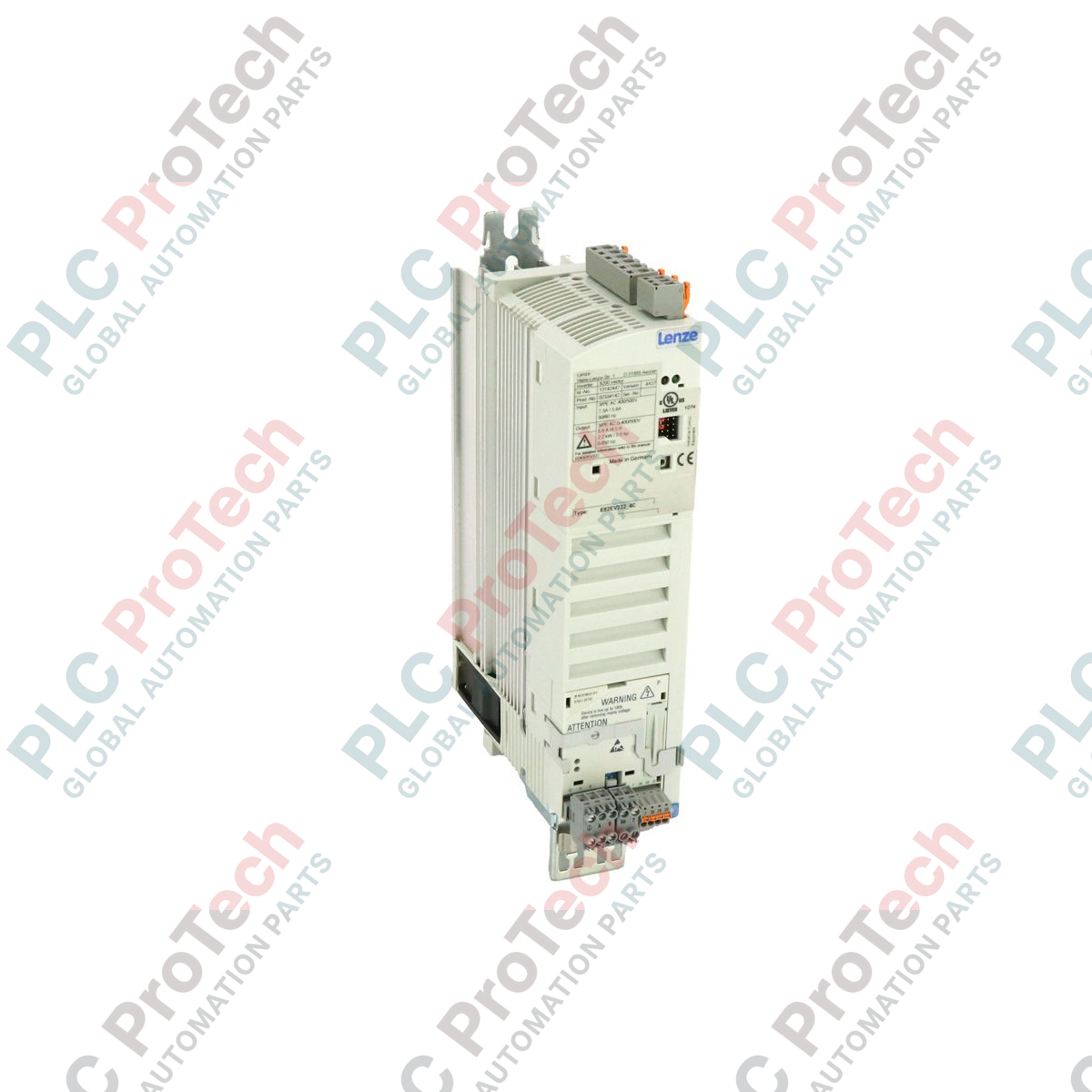
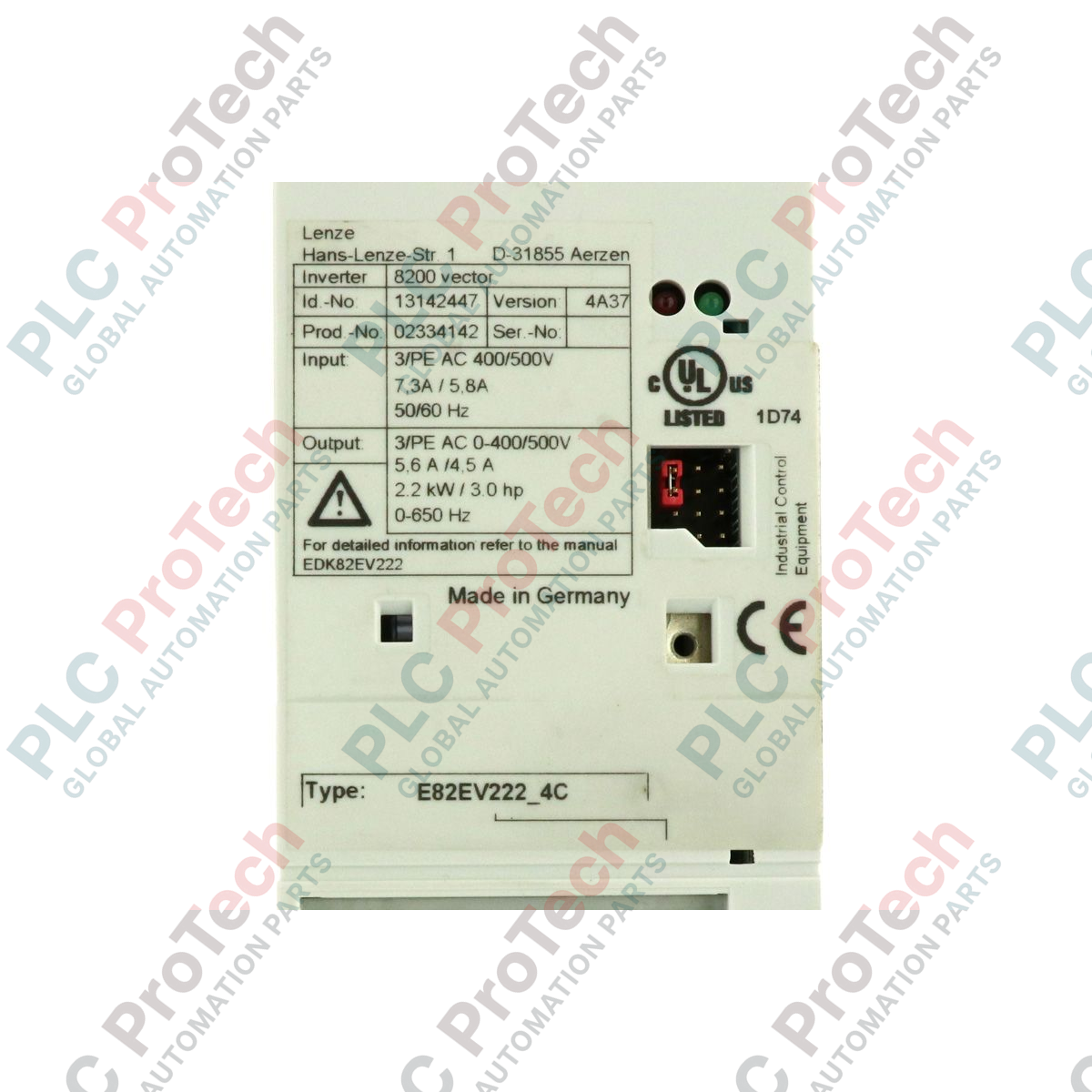
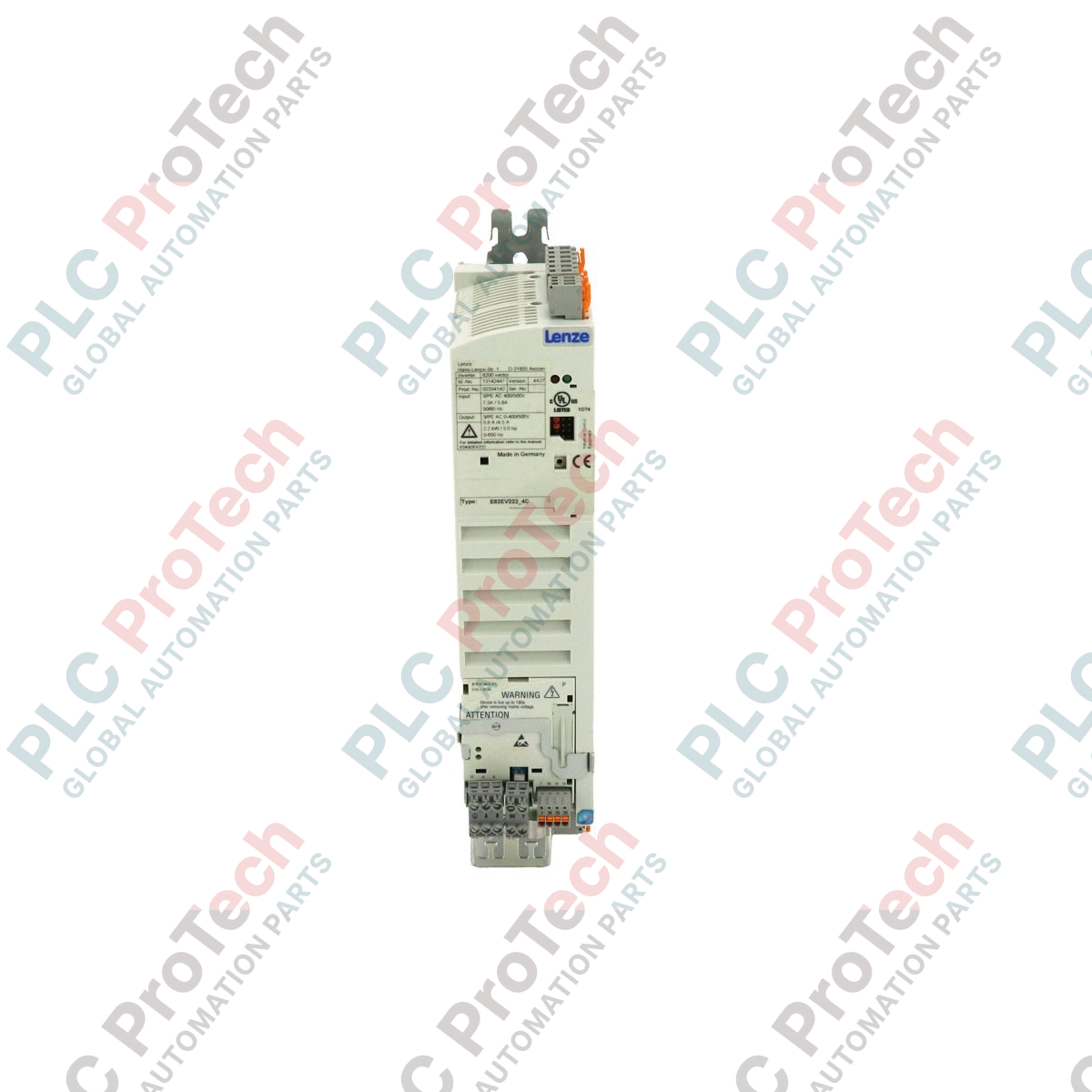
The E82EV222_4C (E82EV222_4C) is a high-performance vector-controlled frequency inverter from the Lenze 8200-series, designed to provide sophisticated motor regulation for 3-phase asynchronous motors. Delivering a rated power of 2.2 kW, this drive is a versatile solution for industrial applications such as conveyor systems, commercial fans, and centrifugal pumps. The unit features integrated interference suppression measures, ensuring that high-frequency noise generated by the power electronics does not disrupt sensitive control signals or peripheral sensors within the same cabinet. By utilizing sensorless vector control, the E82EV222_4C maintains high torque levels even at low speeds, which is essential for applications requiring precise speed stability and dynamic response. Although the series is in the phase-out stage, this German-engineered drive remains a benchmark for reliability and ease of maintenance in established automation environments.
Technical Configuration
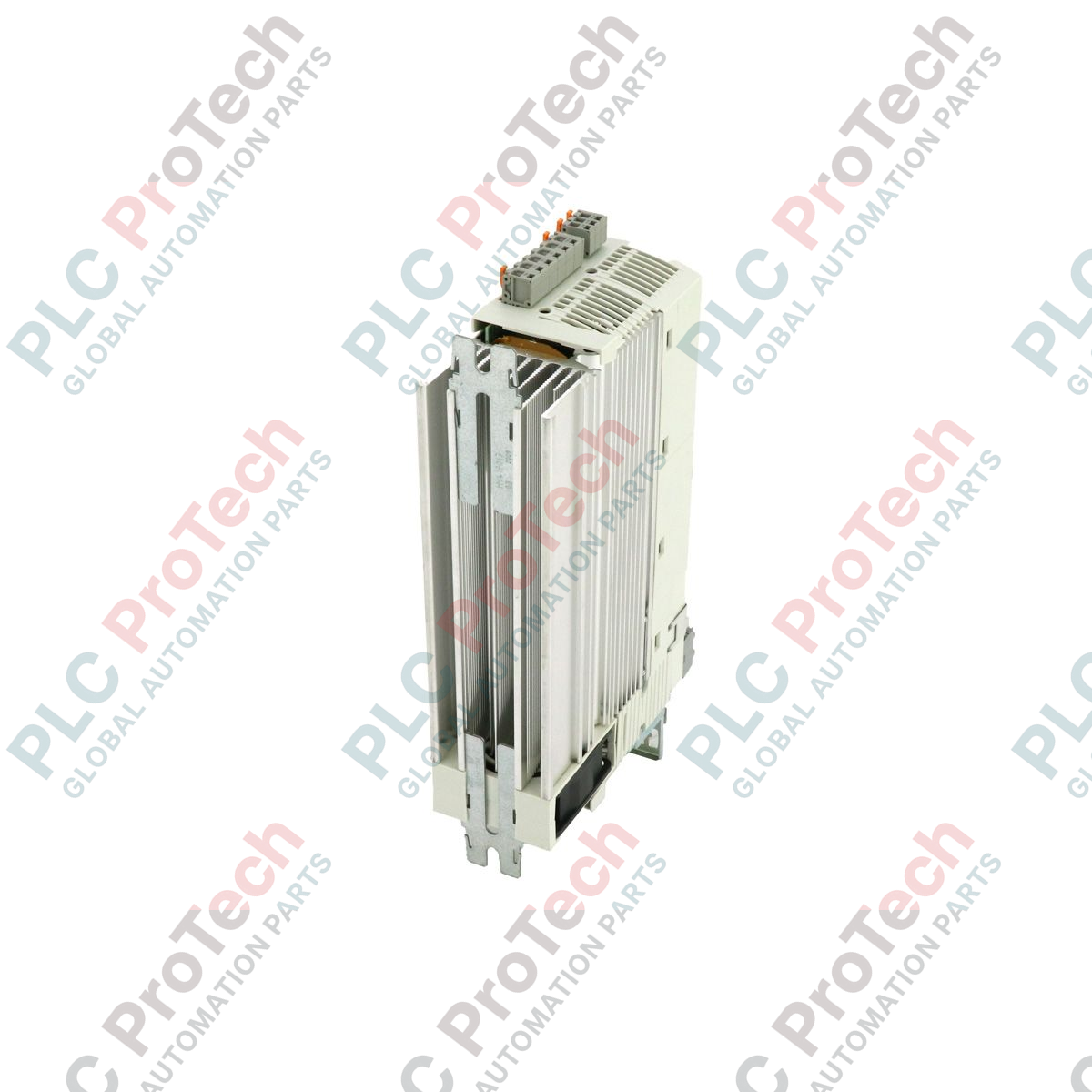
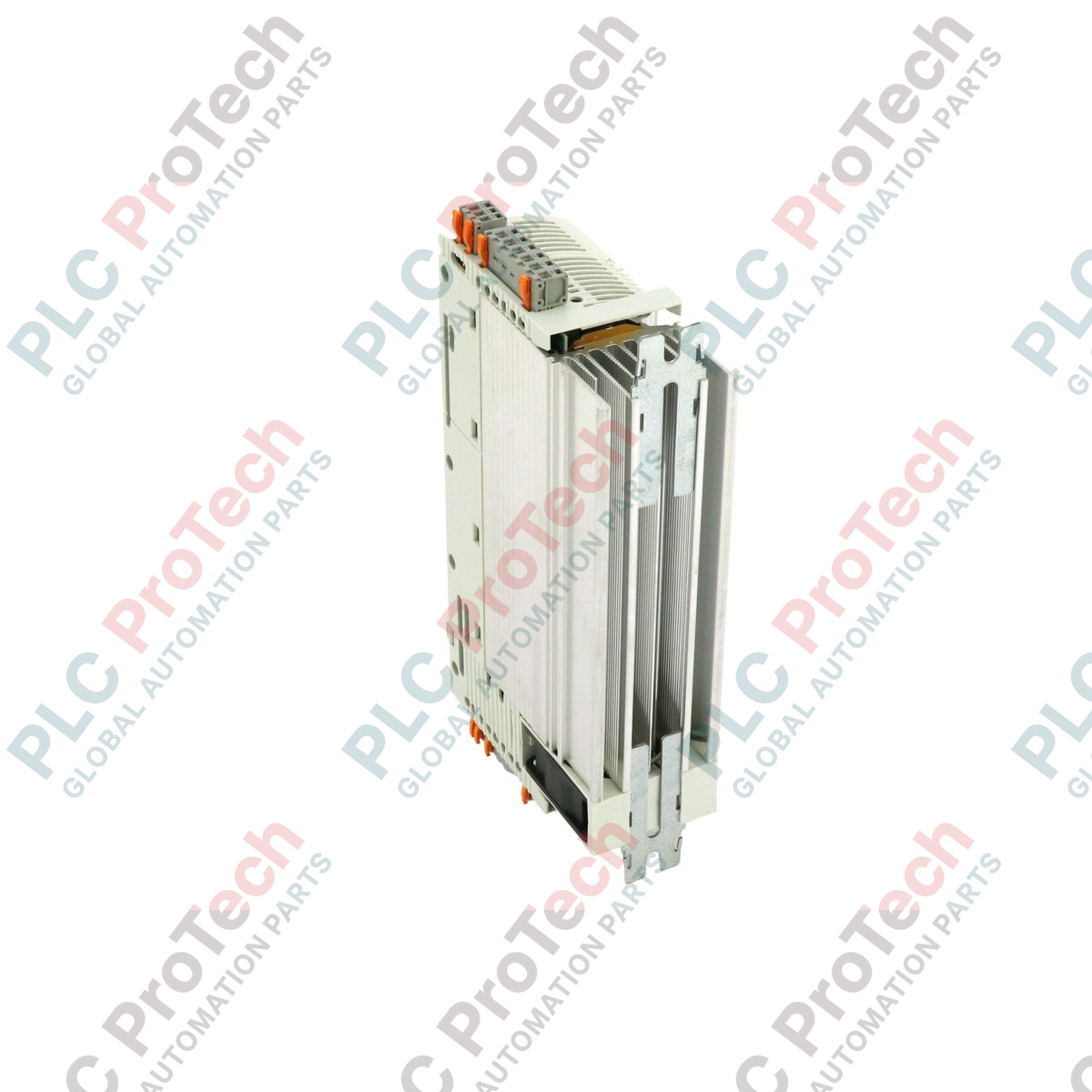
The E82EV222_4C (also cataloged as E82EV222K4C) is optimized for 3-phase mains connections of 400 to 500 V, offering flexibility for various international power standards. Its hardware architecture is built around a modular concept, allowing the base power unit to be expanded with plug-in function modules for communication (CAN, PROFIBUS) and various I/O configurations. The drive is housed in a compact chassis with dimensions of 24.00 x 14.00 x 6.00 cm, designed for space-efficient cabinet mounting. The power stage is engineered for high overload capacity—typically 150% for 60 seconds—enabling it to handle the significant breakaway torque required by many industrial loads. Furthermore, the integrated thermal management system and robust power semiconductors ensure consistent performance even in demanding continuous-duty cycles.
Technical Specifications
| Attribute |
Specification Details |
| Model |
E82EV222_4C (E82EV222K4C) |
| Brand |
Lenze |
| Origin |
Germany |
| Product Range |
8200-series Vector |
| Rated Power |
2.2 kW |
| Input Voltage |
3 x 400 / 500 VAC |
| Weight |
1.60 kg |
| Dimensions |
24.00 x 14.00 x 6.00 cm |
| Control Mode |
Sensorless Vector Control |
| EMC Measures |
Integrated Interference Suppression |
| Product Status |
Phase-Out |
| Commodity Code |
85044095 |
Technical FAQs
What is the benefit of the integrated interference suppression in this 2.2 kW model?
The built-in filters reduce the conducted electromagnetic emissions back into the mains supply. This prevents the inverter from causing malfunctions in nearby PLCs, sensors, or other digital controllers, eliminating the need for bulky external line filters in standard industrial environments.
Can the E82EV222_4C be used for high-starting torque applications?
Yes. Thanks to its sensorless vector control architecture, this inverter can deliver up to 180% of its rated torque during startup. This makes it suitable for applications that start under load, such as fully loaded conveyors or mixers.
How do I manage the parameterization of this drive during replacement?
Parameters can be set using the plug-in E82ZBC keypad or via the Global Drive Control (GDC) software. Since this series is in phase-out, it is recommended to back up your parameter sets digitally to ensure rapid recovery if a replacement unit is installed.
Engineering & Installation Guide
For reliable operation of the E82EV222_4C, ensure the unit is mounted vertically with a minimum clearance of 100 mm above and below to allow for natural convection or fan-assisted airflow. To maintain the effectiveness of the integrated EMC measures, the motor cable must be shielded, and the shield should be bonded to the inverter’s grounding plate using a 360-degree clamp. Avoid running control and signal wires parallel to the motor cables in the same conduit to prevent inductive coupling. For 500 V mains connections, verify that the motor insulation is rated for the higher peak voltages and $dv/dt$ levels typical of inverter operation. During commissioning, ensure the motor nameplate data is correctly entered to allow the vector control algorithm to establish an accurate motor model, which is critical for maintaining torque linearity across the entire speed range.