Product Overview
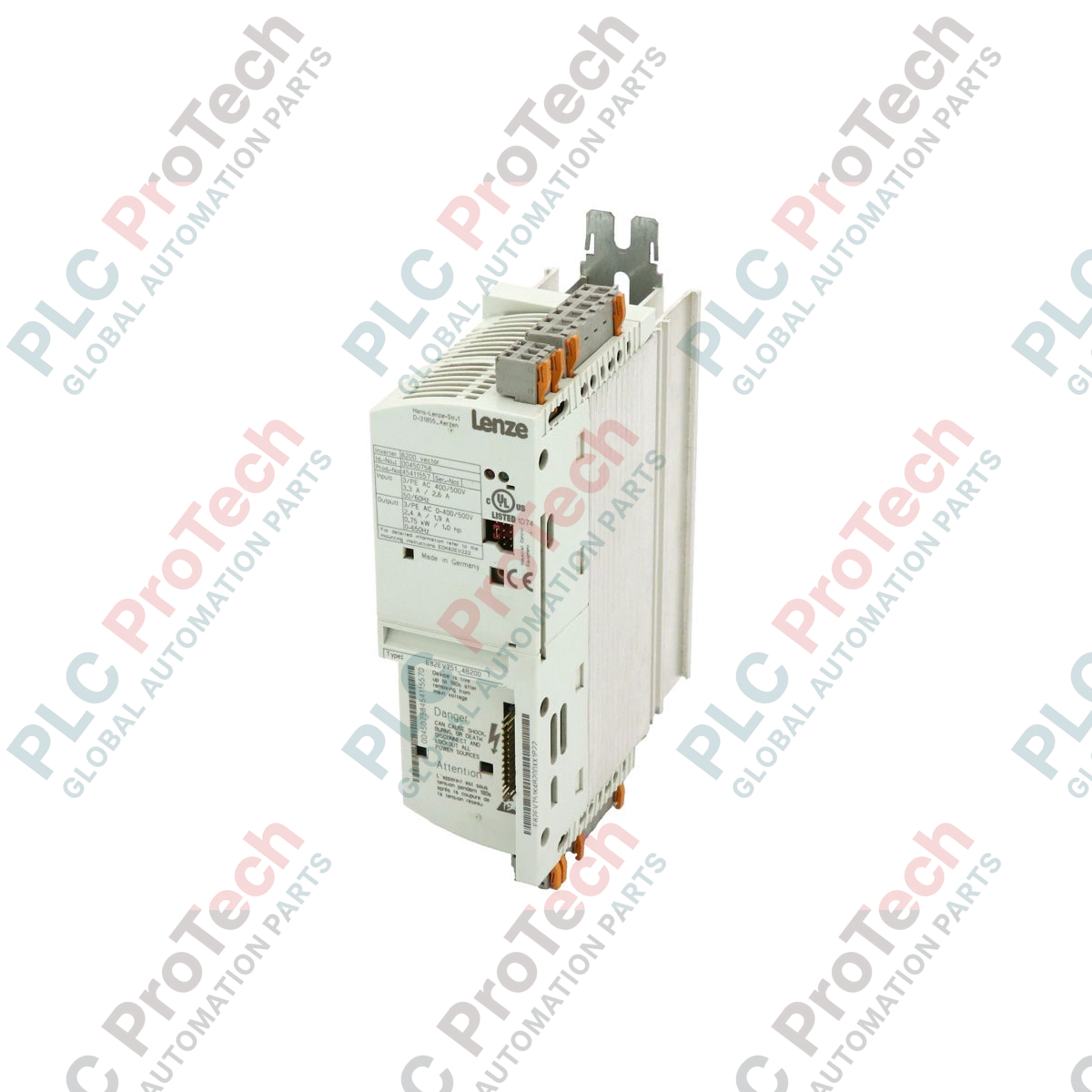
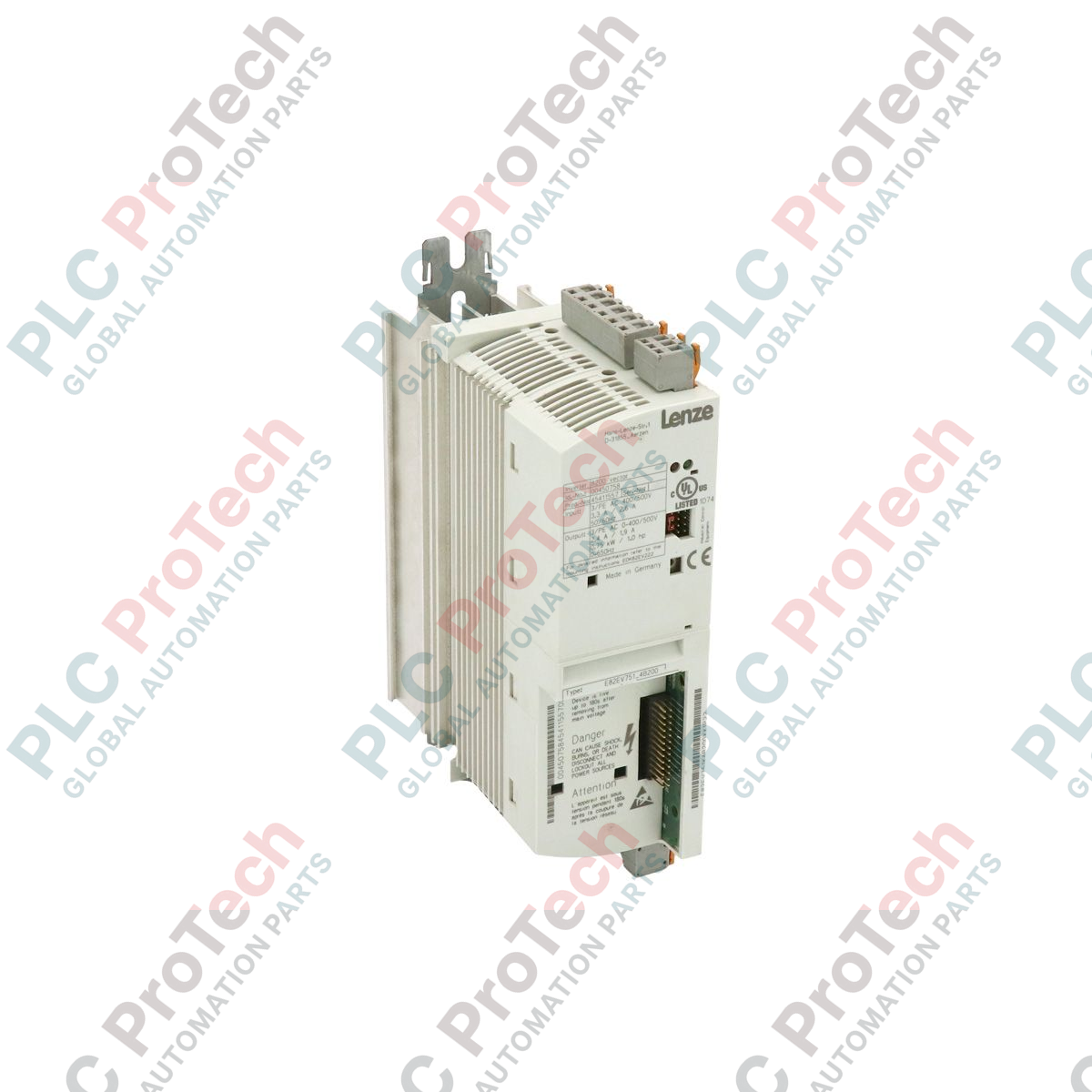
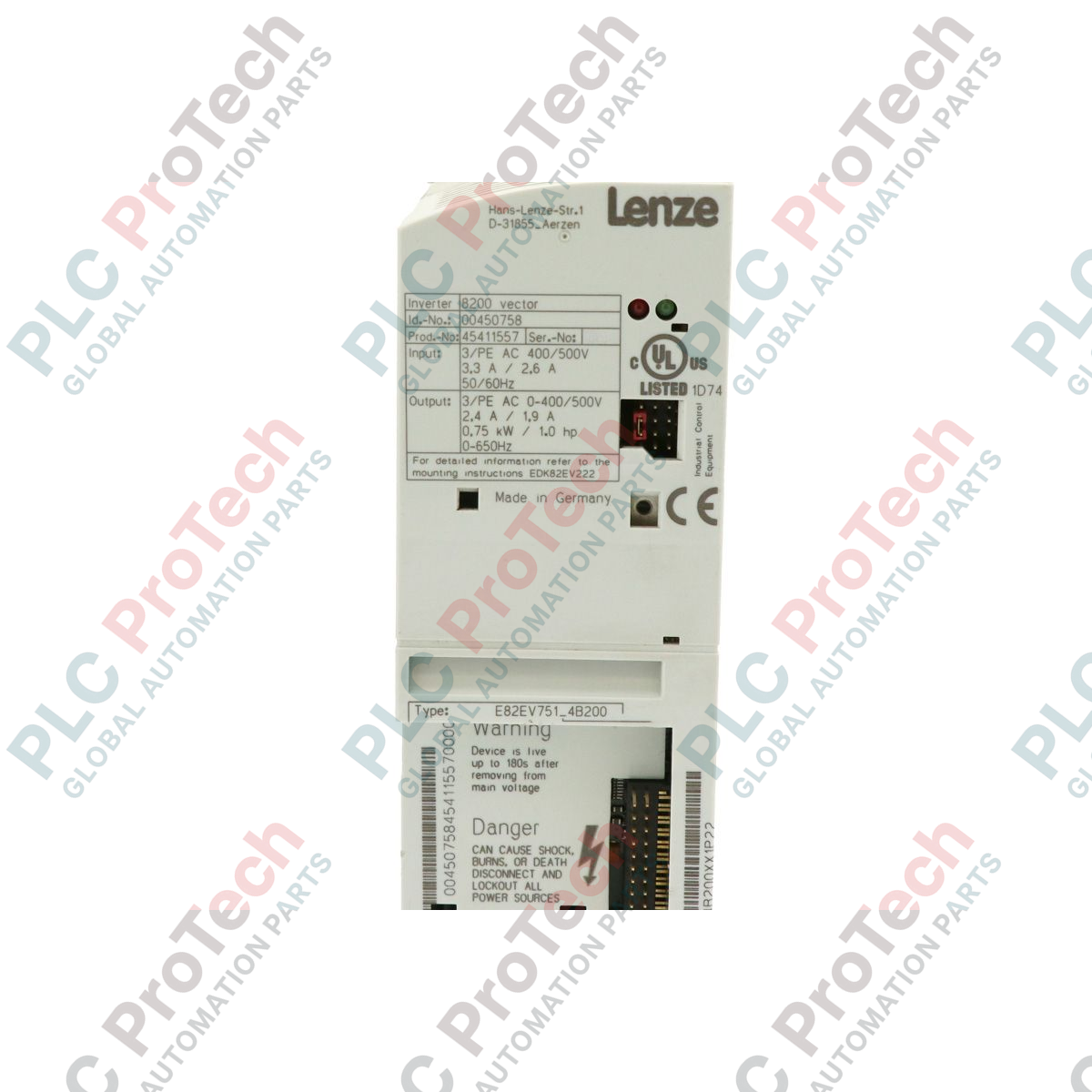
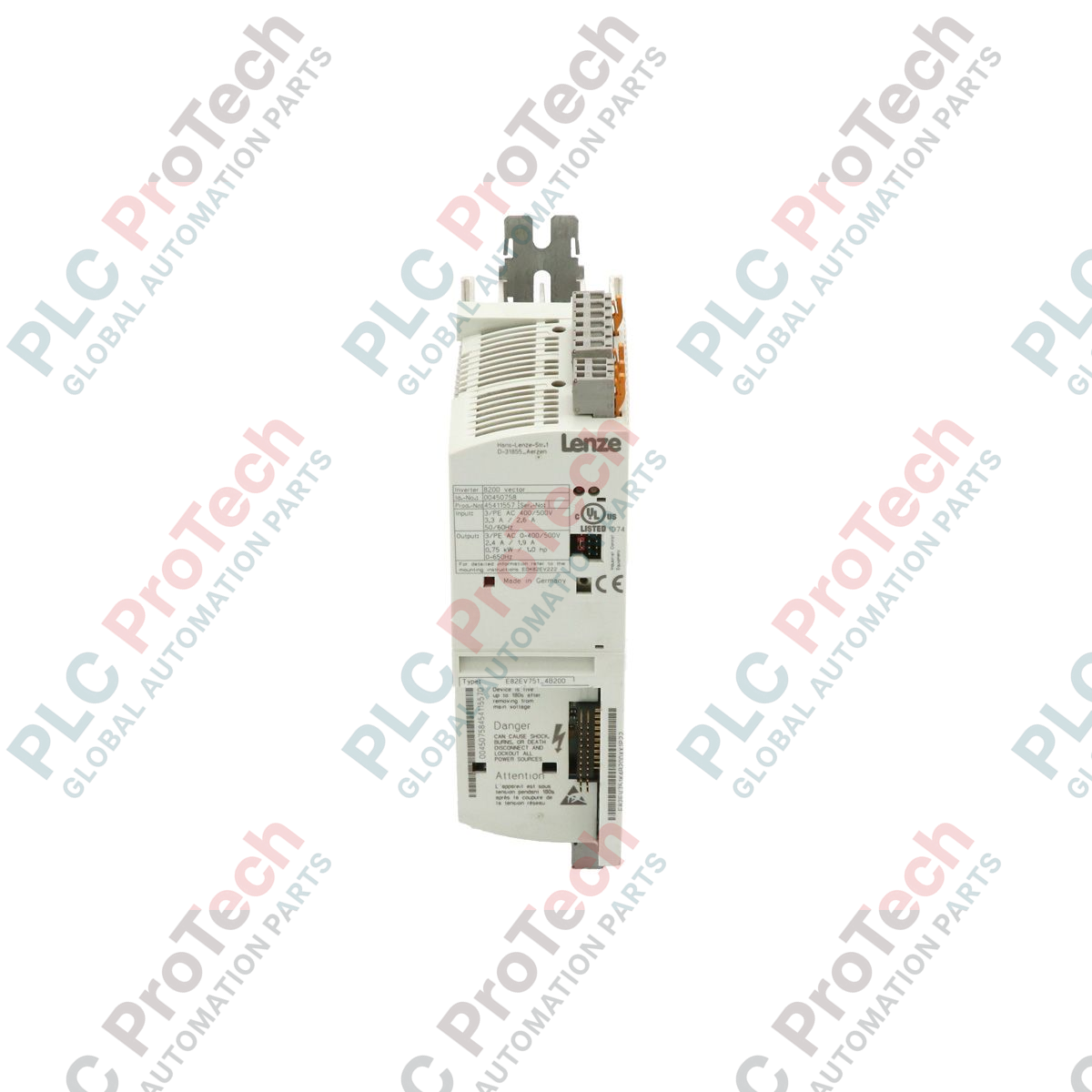
The E82EV751_4B200 (E82EV751_4B200) is a high-precision vector frequency inverter from the Lenze 8200-series, designed to provide efficient and dynamic control for three-phase AC motors. With a rated power of 0.75 kW, this drive is a versatile solution for light-to-medium industrial tasks, including small-scale conveyor synchronization, fan speed modulation, and centrifugal pump control. The E82EV751_4B200 is particularly noted for its support of both 1-phase and 3-phase mains connections, offering exceptional flexibility for facilities with varying electrical infrastructures. By utilizing sensorless vector control, the drive ensures high torque stability even at low RPMs, which is critical for maintaining consistency in automated production processes. Although the 8200-series entered its phase-out stage in 2017, this German-engineered drive remains a highly sought-after component for maintaining legacy systems that require a balance of compact design and robust performance.
Technical Configuration
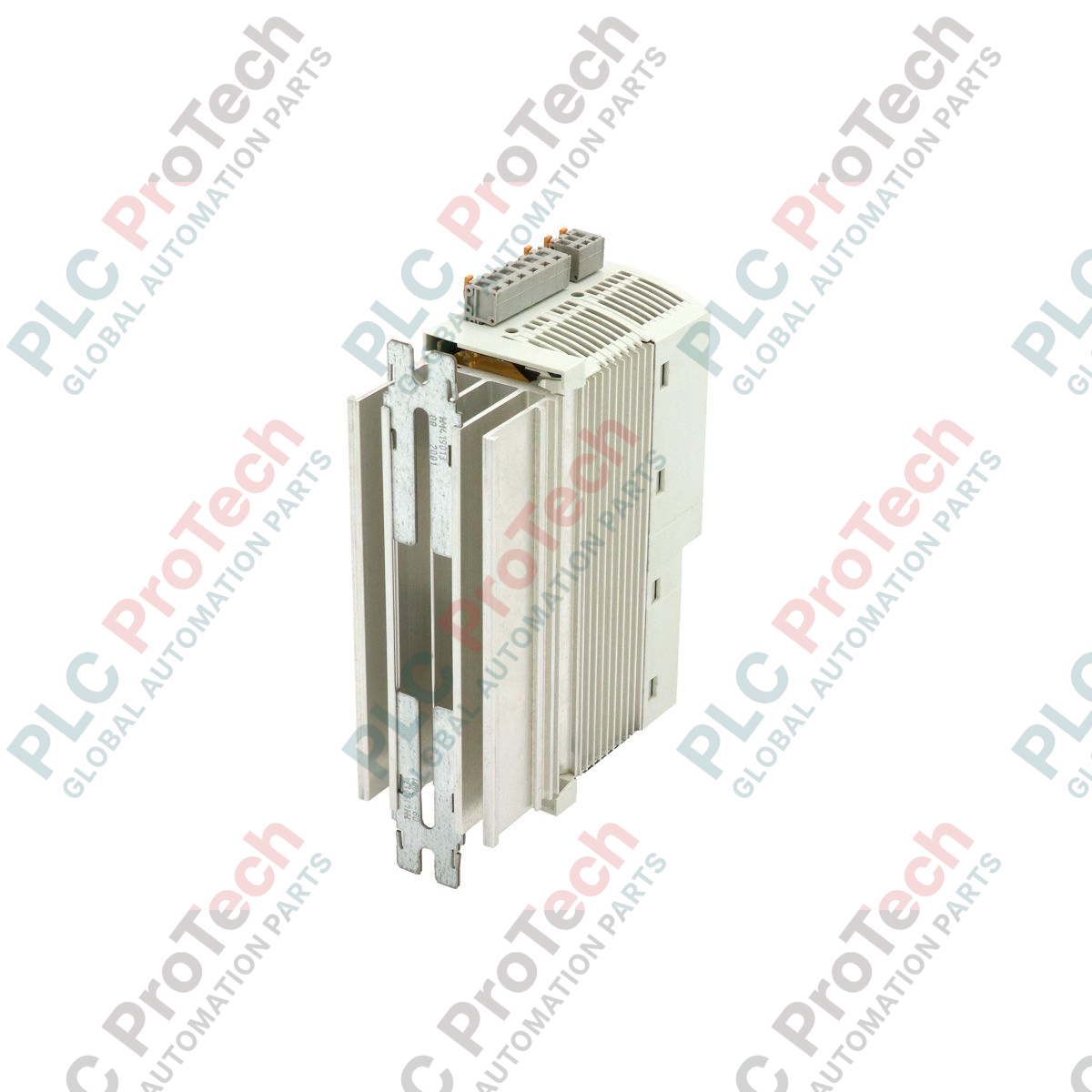
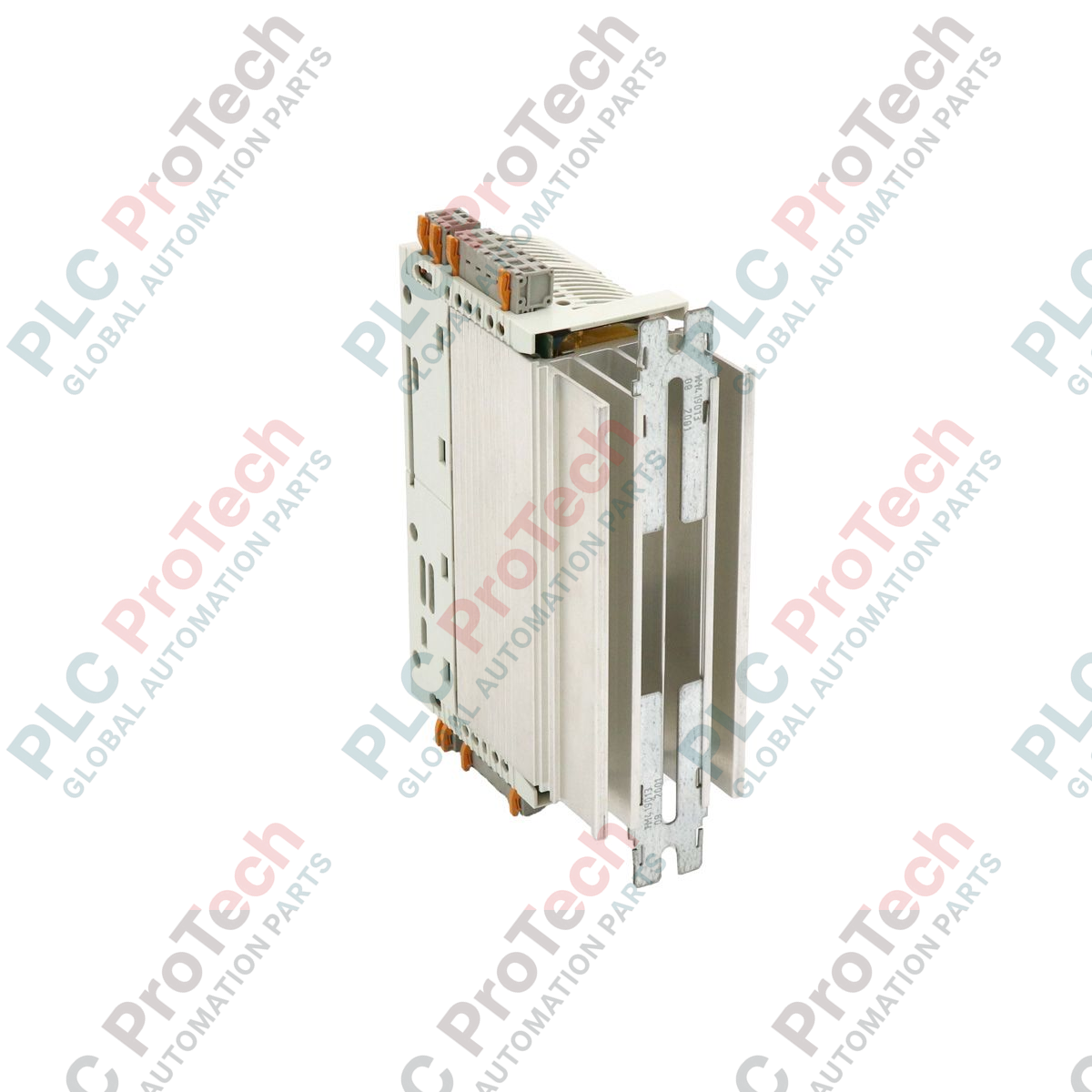
The E82EV751_4B200 (also identified by item code E82EV751K4B200) is built on a modular hardware platform, allowing for easy adaptation via plug-in function modules for communication (CAN, PROFIBUS, RS232/485) and I/O expansion. Its lightweight 0.90 kg chassis is designed for space-optimized cabinet mounting, measuring 24.00 x 30.60 x 16.20 cm. The drive architecture includes a sophisticated power stage that supports high-frequency switching for quiet motor operation and precise speed regulation. Integrated monitoring functions protect against overvoltage, short circuits, and motor thermal overload. Furthermore, the 8200-series design facilitates straightforward parameterization through the Global Drive Control (GDC) software or a plug-in keypad, ensuring that commissioning remains efficient for maintenance engineers and system integrators alike.
Technical Specifications
| Attribute |
Specification Details |
| Model |
E82EV751_4B200 |
| Brand |
Lenze |
| Origin |
Germany |
| Product Range |
8200-series Vector |
| Rated Power |
0.75 kW |
| Input Phase |
1/3 Phase |
| Weight |
0.90 kg |
| Dimensions |
24.00 x 30.60 x 16.20 cm |
| Control Mode |
Sensorless Vector Control |
| Product Status |
Phase-Out |
| Commodity Code |
85044095 |
Technical FAQs
Can the E82EV751_4B200 be operated on a standard single-phase 230V supply?
Yes. This specific "4B200" variant is designed to be versatile, supporting both 1-phase and 3-phase inputs. This makes it ideal for machine builders who need a single drive model that can adapt to different regional power standards or localized shop-floor wiring.
What is the benefit of the "Vector" designation in this series?
Unlike standard V/f drives, the vector control in the E82EV751_4B200 independently calculates the current for torque and magnetic flux. This allows the drive to provide much higher torque at low speeds and react more dynamically to sudden load changes.
How do I manage the transition from this phased-out model to newer technology?
While the 8200-series is in phase-out, new-old-stock (NOS) and refurbished units are available to avoid costly cabinet redesigns. For future-proofing, these units are typically replaced by the Lenze i510 or i550 series, though this requires a check for physical mounting and communication protocol compatibility.
Engineering & Installation Guide
For optimal performance of the E82EV751_4B200, it must be mounted vertically to ensure effective heat dissipation through natural convection. Maintain at least 100 mm of clearance above and below the unit. To ensure electromagnetic compatibility (EMC), use shielded motor cables and ground the shield at both the inverter's mounting plate and the motor's terminal box using 360-degree clamps. If operating on a single-phase supply, ensure the input fuse is appropriately rated for the higher current draw compared to a 3-phase configuration. During commissioning, utilize the "Auto-tuning" function to calibrate the drive to the specific electrical characteristics of your motor, which is essential for maximizing the efficiency of the vector control algorithm and preventing nuisance overcurrent trips.