Product Overview
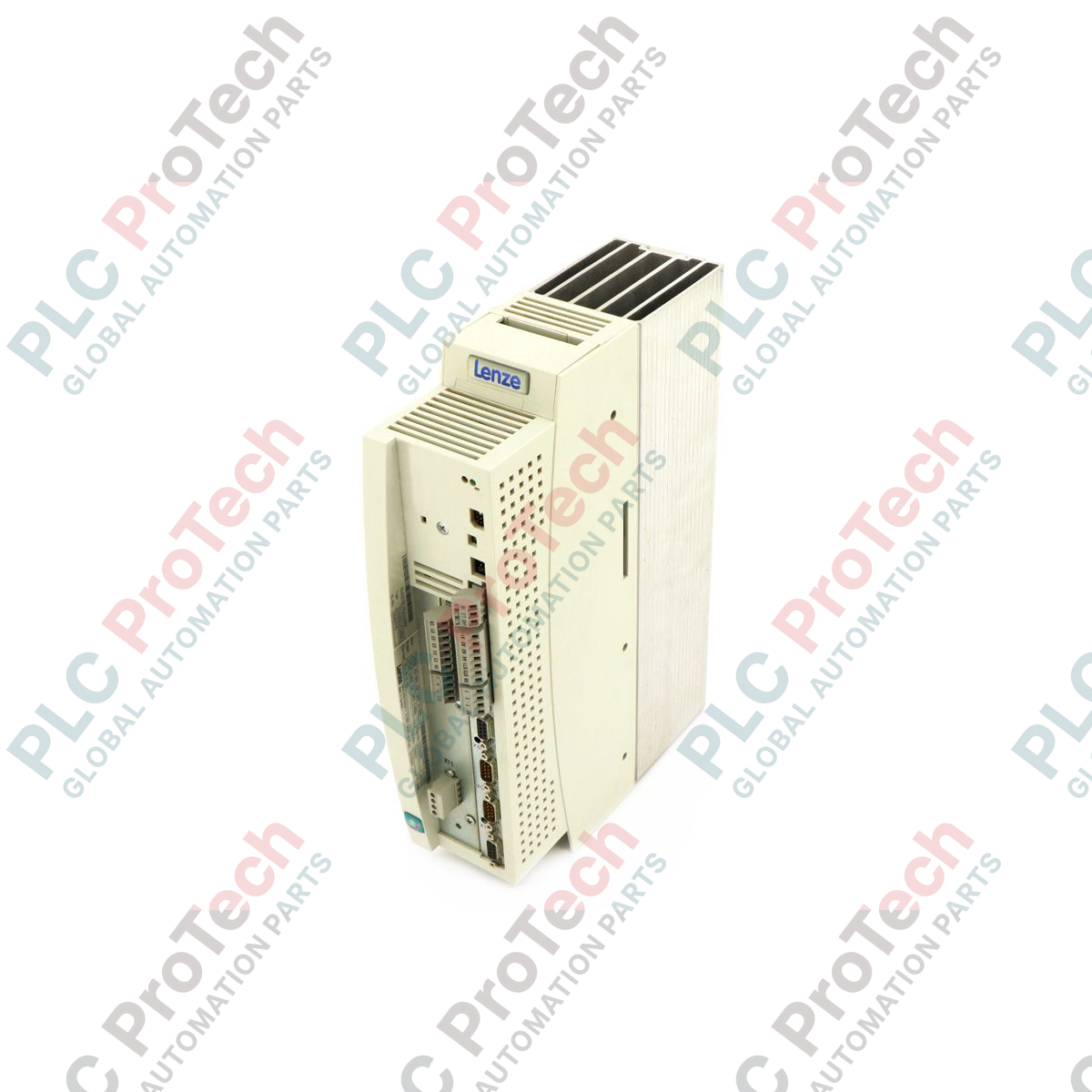
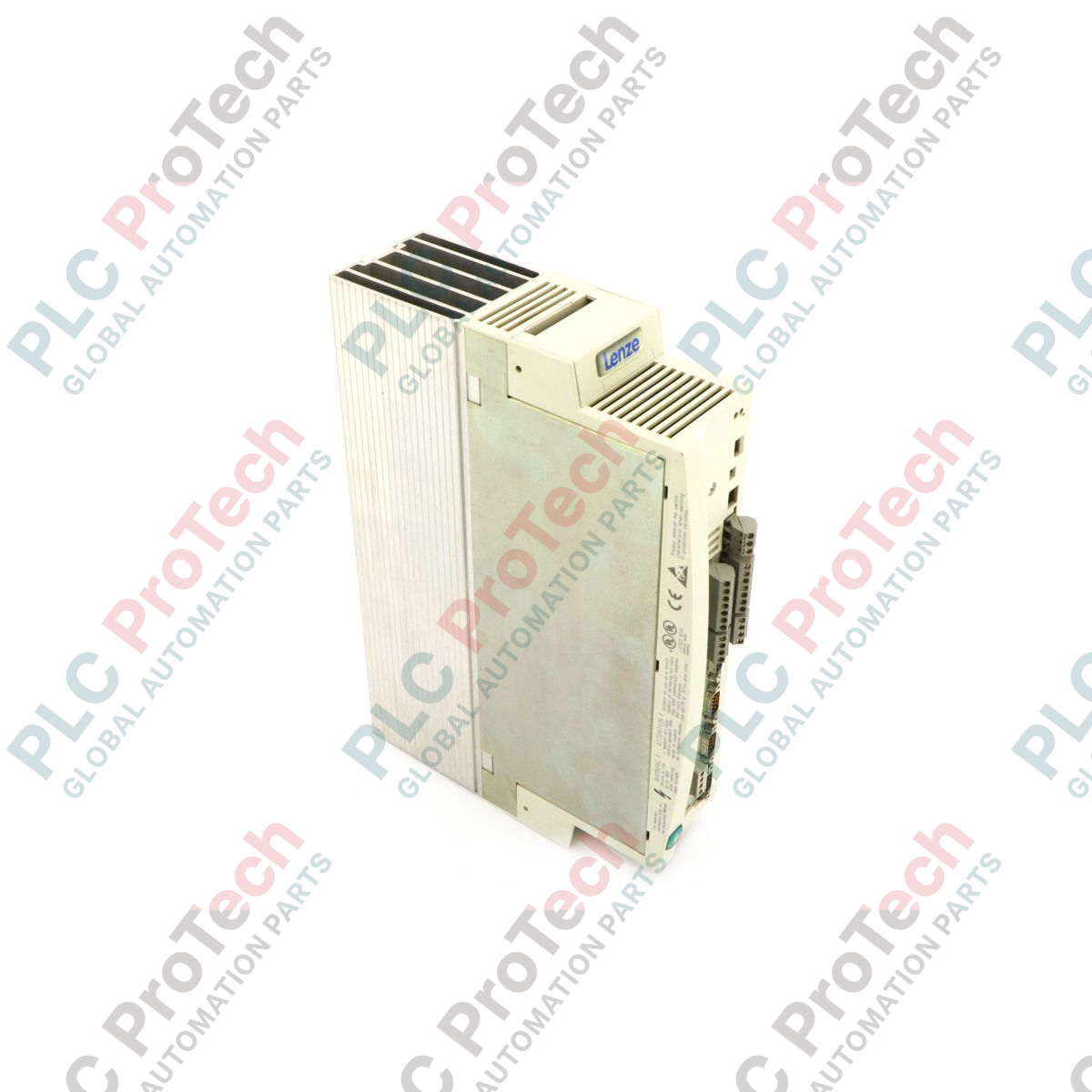
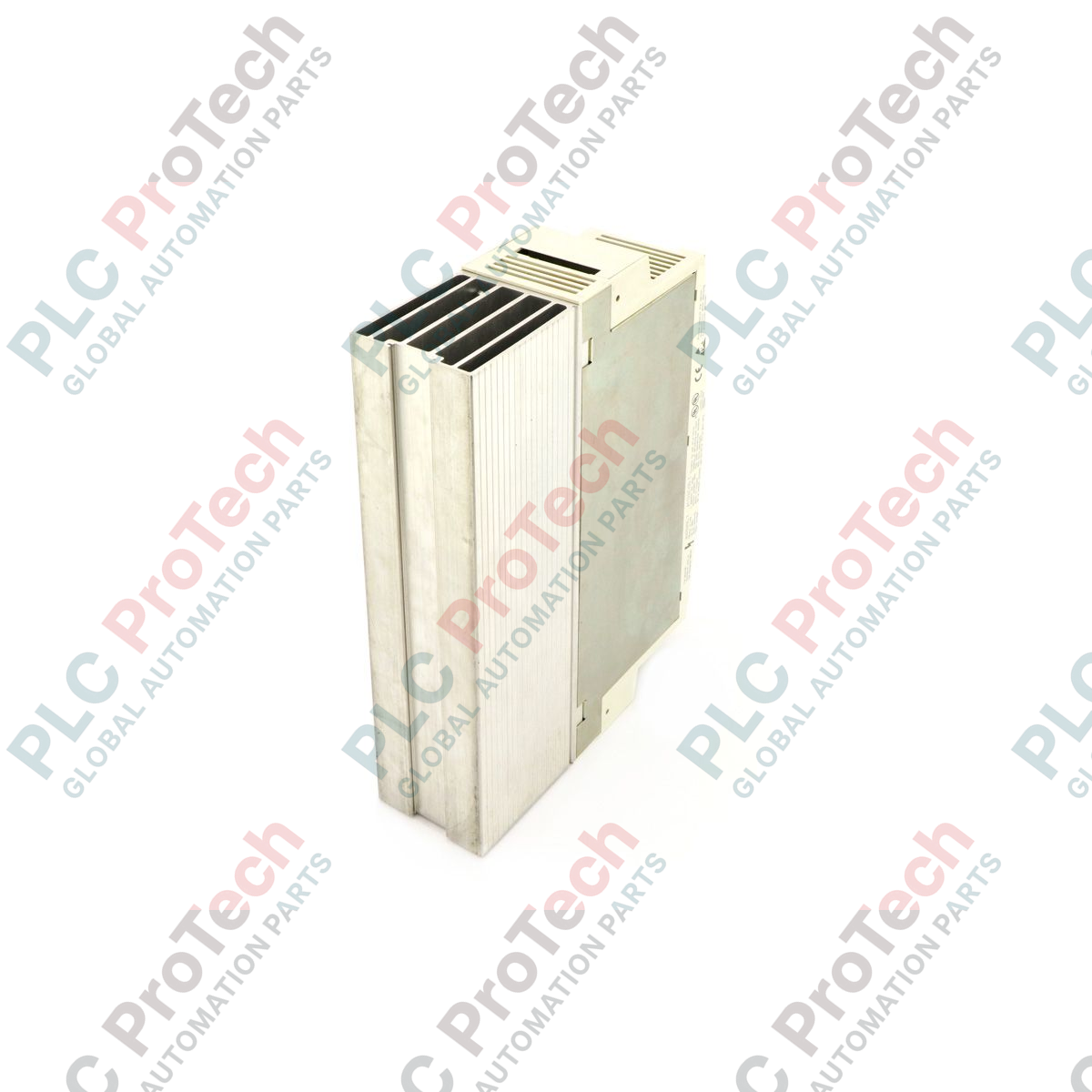
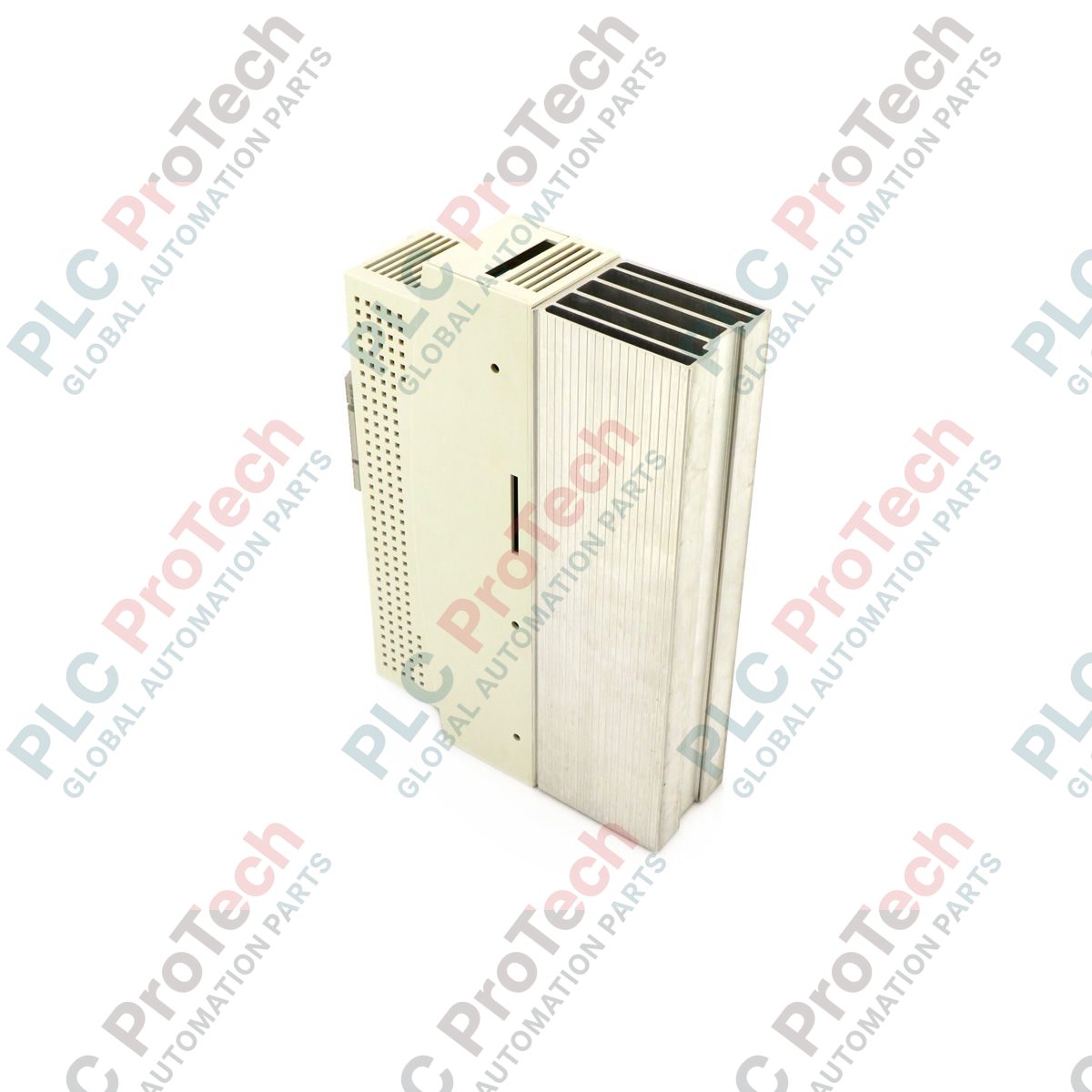
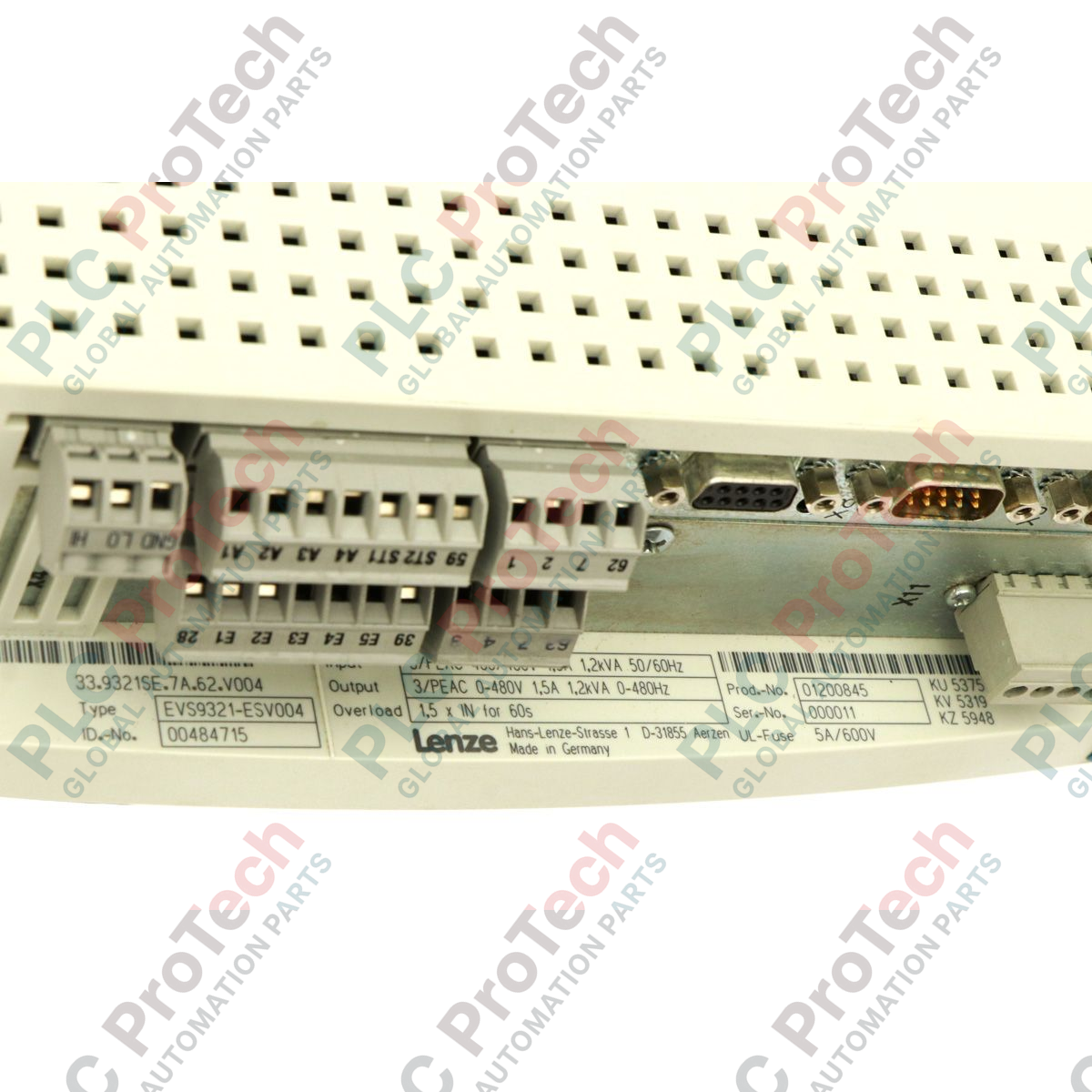
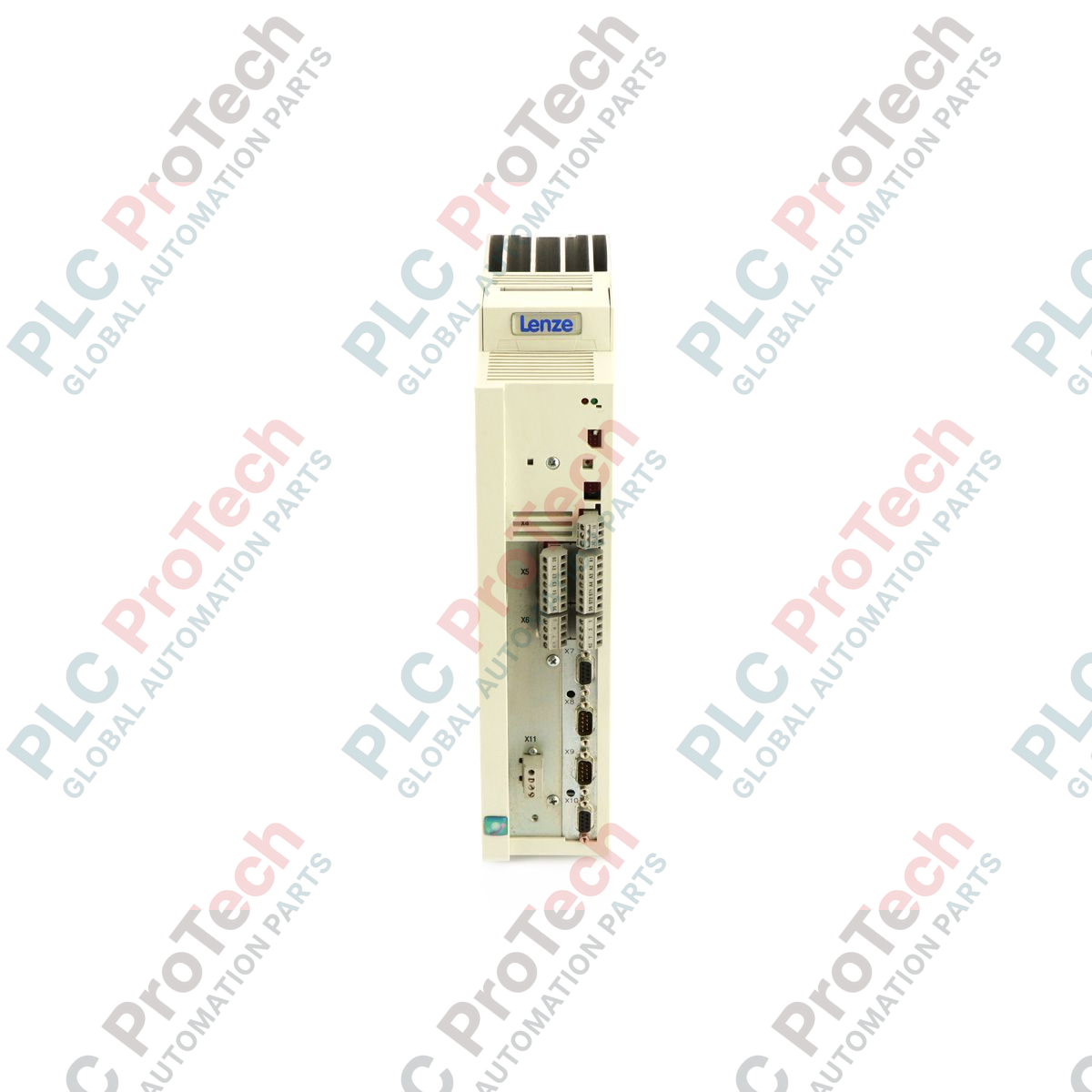
The EVS9321-ESV004 (EVS9321-ESV004) is a high-precision servo inverter from the established Lenze 9300-Series, specifically engineered to provide dynamic control for permanent magnet synchronous motors and asynchronous servo motors. Featuring a rated power of 0.37 kW, this controller is a vital component in high-speed industrial applications such as electronic gearing, labeling machines, and automated pick-and-place systems. The EVS9321-ESV004 is optimized for high-density cabinet mounting, providing an IP20 degree of protection and a slim 7.80 cm chassis. By utilizing advanced feedback loops and high-speed processing, this drive ensures exceptional torque linearity and positioning accuracy, which is critical for reducing cycle times and improving product quality in demanding production environments. Although this series is in its phase-out stage, its reputation for German-engineered reliability makes it a preferred choice for maintenance and high-availability legacy system support.
Technical Configuration
The EVS9321-ESV004 architecture is designed for "ESV" standard servo functionality, supporting a wide range of motion control tasks from simple speed control to complex position positioning. The hardware includes integrated internal monitoring for motor temperature, earth faults, and short circuits to ensure system longevity. It supports a variety of plug-in communication modules, including CANopen (standard), PROFIBUS, and INTERBUS, enabling seamless integration into multi-axis DCS or PLC-led architectures. The power stage is designed for high overload capacity, accommodating the rapid acceleration and deceleration cycles typical of high-performance servo applications. Furthermore, the 9300-Series design features easily accessible terminals and a modular cooling concept, facilitating straightforward maintenance and reliable thermal performance within enclosed control cabinets.
Technical Specifications
| Attribute |
Specification Details |
| Model |
EVS9321-ESV004 |
| Brand |
Lenze |
| Origin |
Germany |
| Product Range |
9300-Series Servo |
| Rated Power |
0.37 kW |
| Protection Degree |
IP20 |
| Weight |
3.50 kg |
| Dimensions |
35.00 x 25.00 x 7.80 cm |
| Product Status |
Phase-Out |
| Cooling Type |
Internal Fan |
| Communication |
System Bus (CAN) / Modular Fieldbus |
| Commodity Code |
85044095 |
Technical FAQs
Does the EVS9321-ESV004 support regenerative braking?
Yes. For applications with high-inertia loads or frequent deceleration, the drive can be equipped with an external brake resistor. The internal brake chopper manages the energy dissipation to prevent DC-bus overvoltage faults during aggressive braking cycles.
Which feedback systems are compatible with this servo inverter?
The 9300-Series typically supports resolvers as standard feedback. However, with additional plug-in modules, it can interface with SinCos encoders, incremental encoders, or SSI absolute encoders, providing flexibility for various precision requirements.
How can I transfer parameters to a replacement unit?
Parameters can be transferred using the plug-in keypad (EMZ9371BC) which features a "copy" function, or via a PC using the Lenze Global Drive Control (GDC) software and a suitable communication adapter.
Engineering & Installation Guide
For successful integration of the EVS9321-ESV004, ensure the unit is mounted vertically with a minimum clearance of 100 mm above and below the chassis to allow for adequate airflow from the internal fan. To comply with EMC directives, motor cables must be shielded and the shield must be grounded using 360-degree clamps at both the inverter’s EMC plate and the motor's terminal box. Avoid mixing control wiring with high-voltage power cables in the same trunking to prevent signal interference. If the drive is used in a multi-axis system, consider a common DC-bus connection to allow for energy sharing between motoring and braking axes, which improves overall energy efficiency. Before full-load operation, perform a motor identification (auto-tuning) procedure to ensure the inverter's current control loops are perfectly matched to the motor's electrical characteristics.