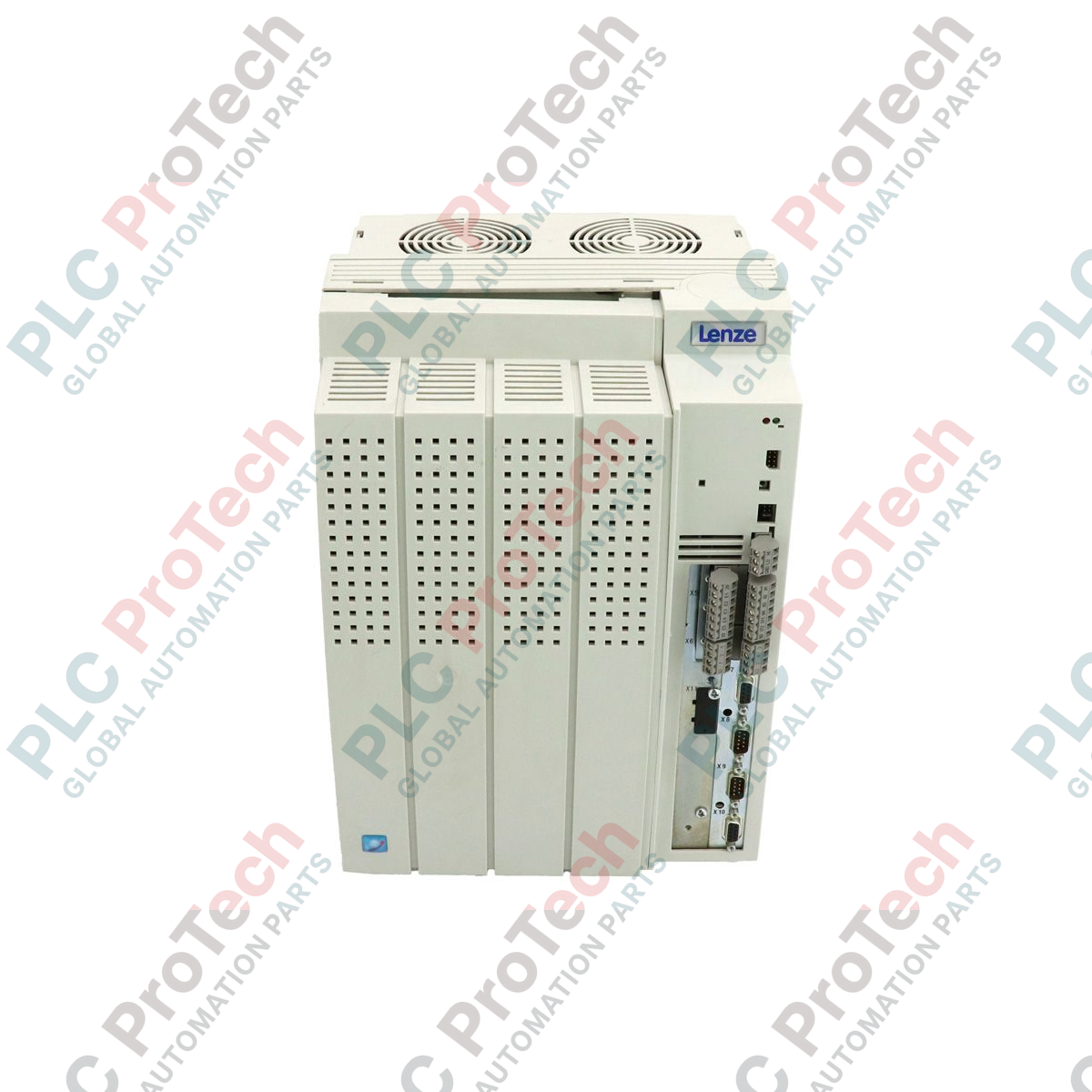
Product Overview and Operational Value
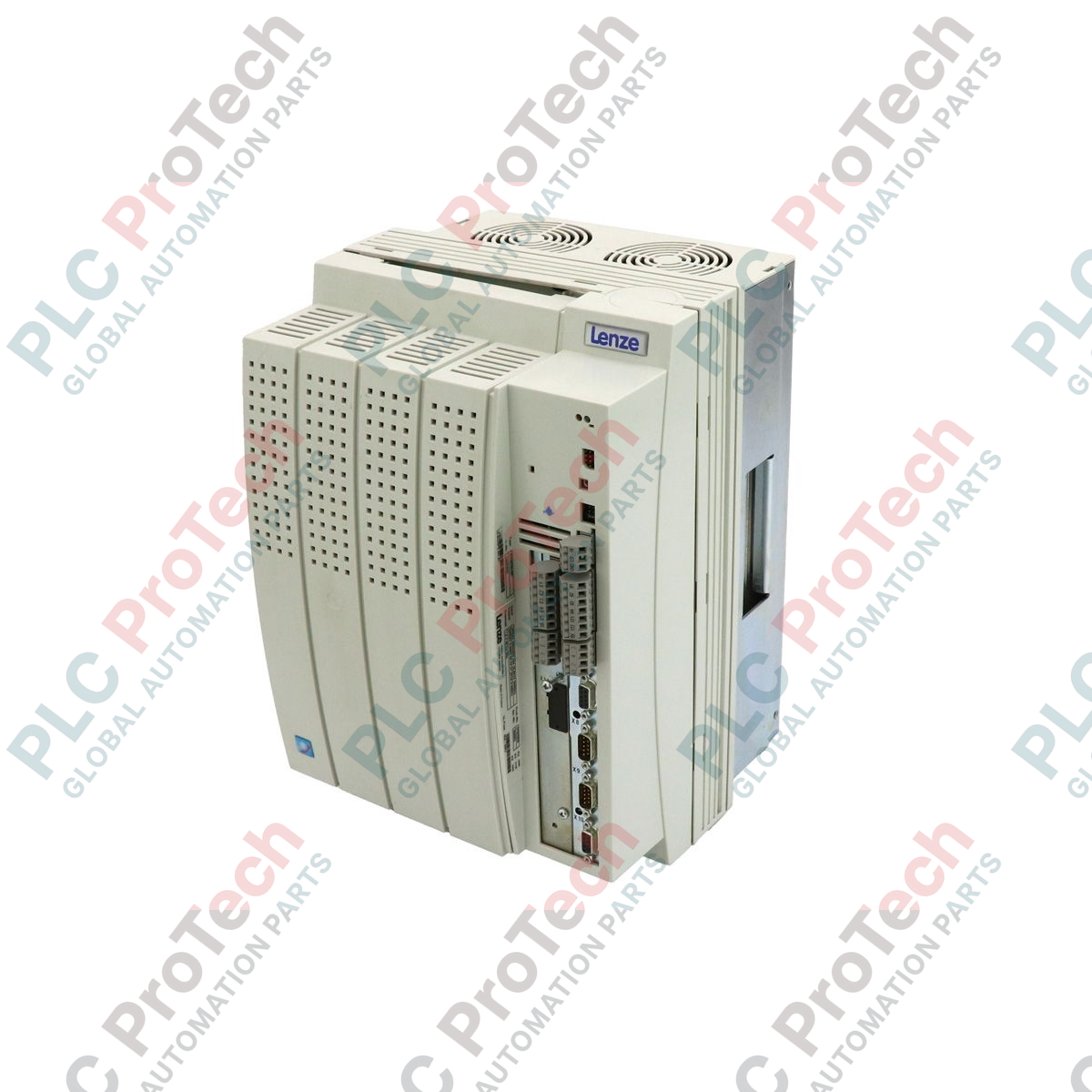
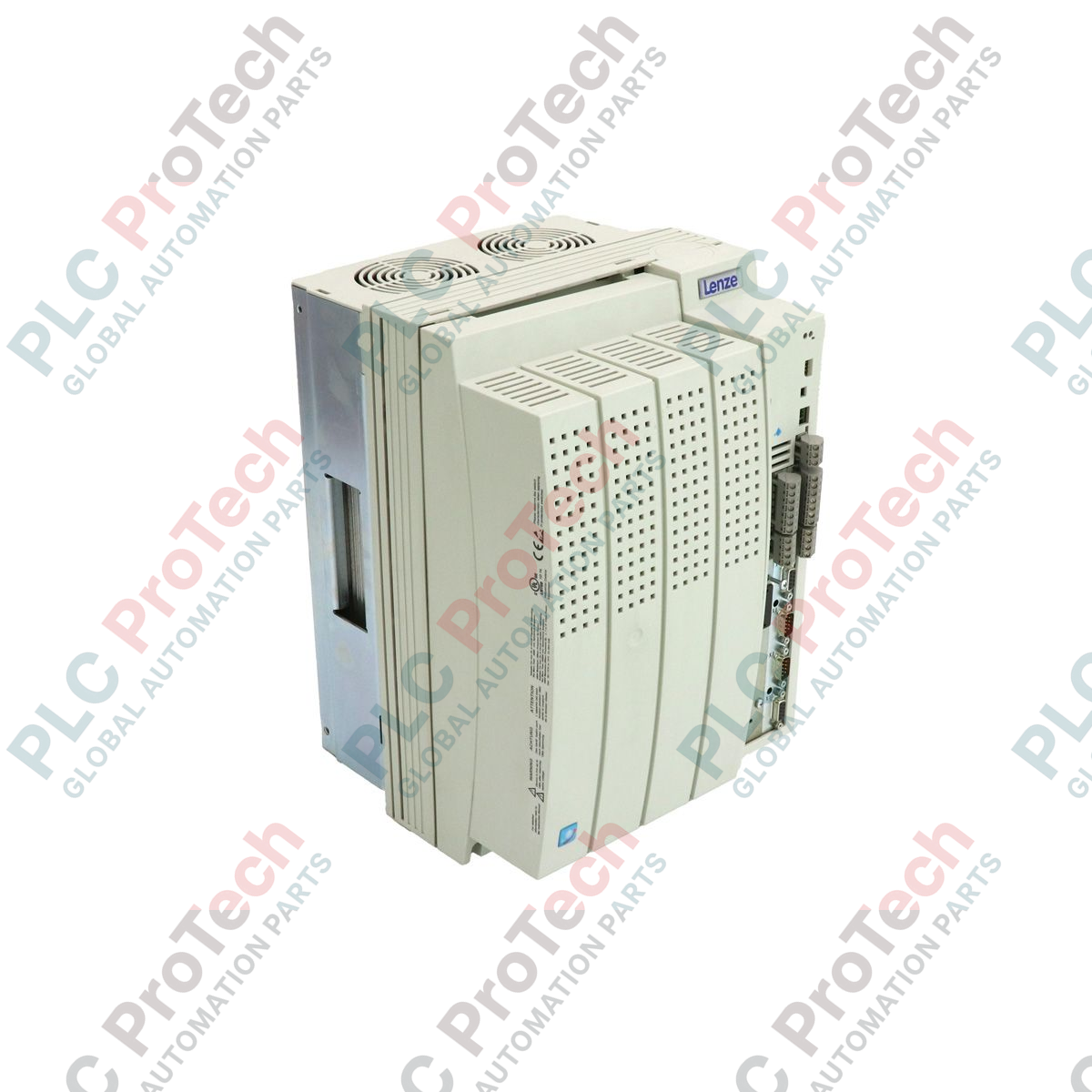
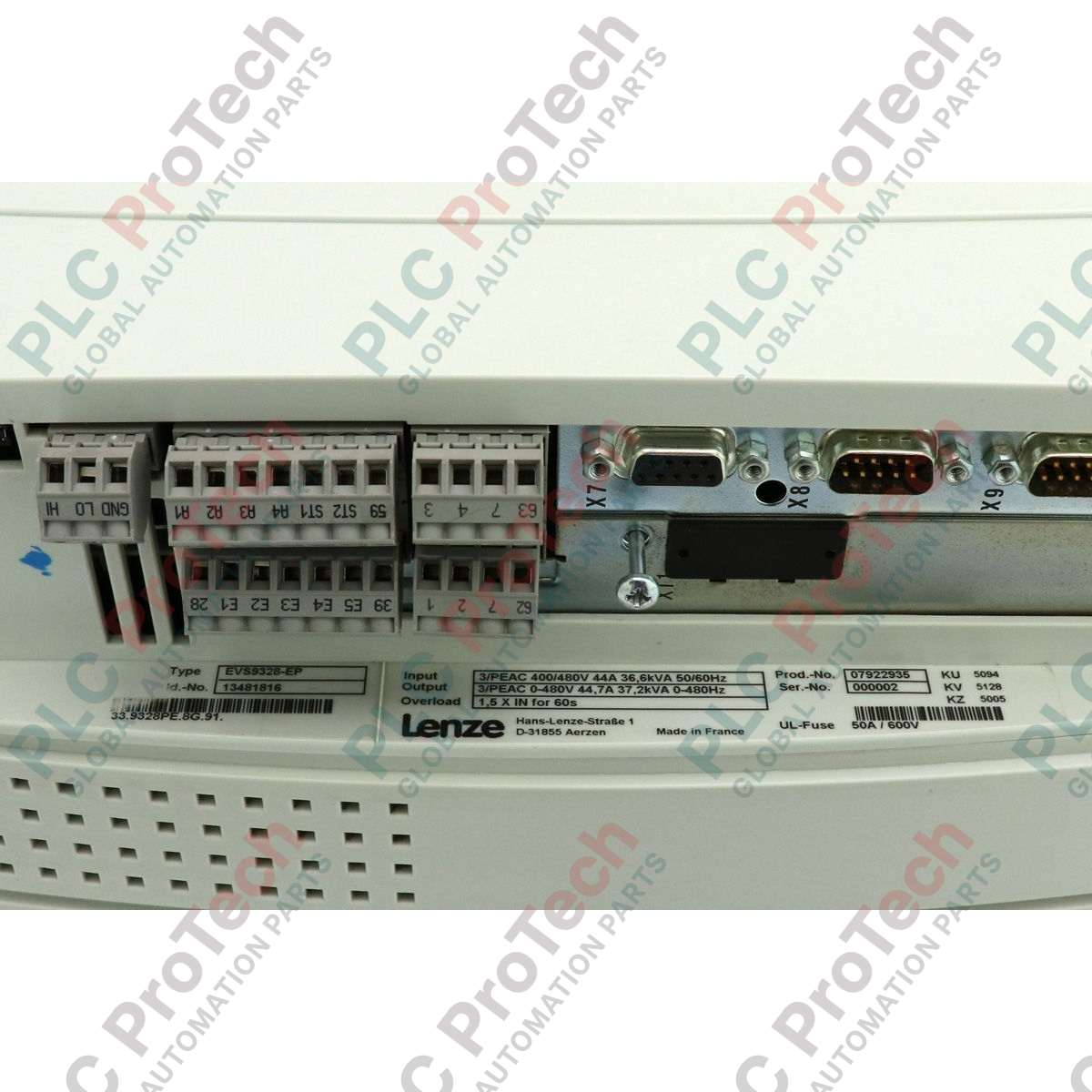
The EVS9328-EP (EVS9328-EP) is a high-performance servo position controller belonging to the Lenze 9300-series, specifically optimized for applications requiring precise motion and synchronization. With a rated power output of 22.0 kW, this unit provides the robust torque and speed regulation necessary for demanding industrial tasks, including textile machinery, machine tool axes, and automated assembly equipment. By integrating this controller into your architecture, you gain the ability to execute complex motion profiles with high repeatability, effectively reducing cycle times and minimizing mechanical wear in downstream components.
Technical Configuration
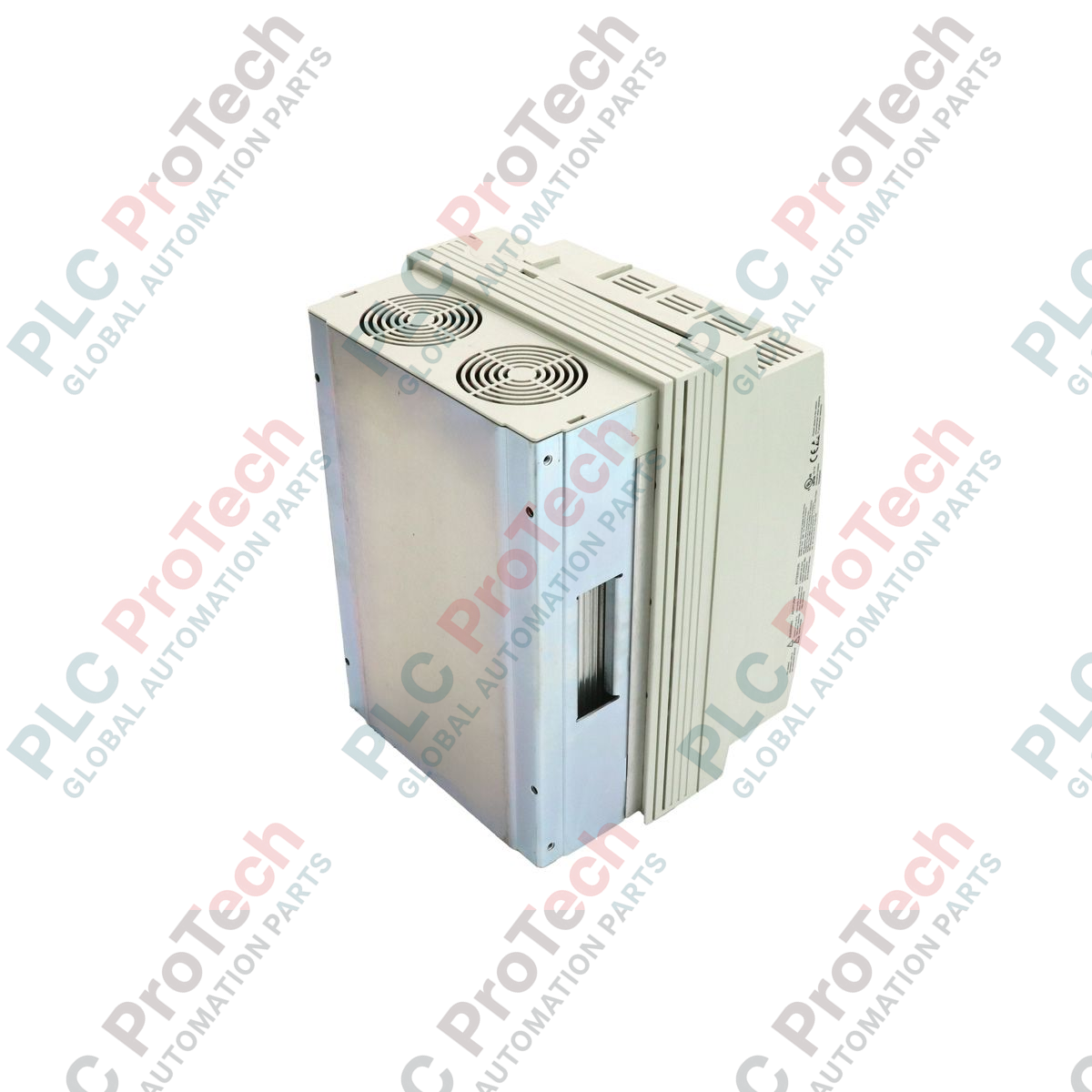
The EVS9328-EP operates as an intelligent servo drive capable of managing sophisticated positioning tasks independent of the main PLC, thereby reducing bus traffic and processing overhead. The hardware is encased in a compact IP20-rated housing, designed for efficient vertical mounting within standard industrial control cabinets. It features high-resolution feedback processing and high-speed internal control loops, which are critical for maintaining synchronization in multi-axis motion systems. The drive is fully compatible with established Lenze communication modules, allowing for seamless integration into existing control networks while providing localized diagnostic capabilities for real-time monitoring of operational status.
Technical Specifications
| Feature |
Specification |
| Model |
EVS9328-EP |
| Brand |
Lenze |
| Series |
9300-Series |
| Origin |
Germany |
| Rated Power |
22.0 kW |
| Protection Class |
IP20 |
| Weight |
12.50 kg |
| Dimensions |
35.00 cm x 25.00 cm x 25.00 cm |
| Product Status |
Phase-Out |
| Commodity Code |
85044095 |
Frequently Asked Questions
Can the EVS9328-EP handle high-dynamic positioning tasks?
Yes, the 9300-series controller is specifically built for high-dynamic response, utilizing dedicated position control algorithms that allow for rapid acceleration and deceleration ramps without sacrificing positional accuracy.
What are the primary differences between the EVS9328-EP and newer servo drives?
While the EVS9328-EP offers proven reliability for 22.0 kW applications, current-generation drives often include integrated safety functions (STO) and support for faster Industrial Ethernet protocols, which may be beneficial if you are planning a full system overhaul.
Does this unit require specialized motor feedback types?
The EVS9328-EP is designed to interface with standard feedback devices such as resolvers or multi-turn encoders commonly used with Lenze motors. Verify your specific motor's feedback type against the drive’s input configuration before commissioning.
How do I troubleshoot communication faults on this device?
Communication faults are typically signaled through the drive's front-panel status LEDs. Ensure that your bus connectors are seated firmly and that the termination resistors are correctly applied at the end of your network segment.
Installation and Engineering Best Practices
-
Cabinet Thermal Profiling: Given the 22.0 kW power density, localized heat accumulation is a common failure point. Ensure that your cabinet cooling system provides a minimum airflow velocity of 2.0 meters per second across the heatsink fins. Avoid mounting the controller near components that emit high levels of radiant heat, such as line reactors or transformer banks.
-
Signal Integrity: To prevent electromagnetic interference (EMI) from affecting the sensitive feedback lines, use only double-shielded twisted pair cables for encoder or resolver connections. The cable shield must be bonded to the drive’s EMC bracket using a 360-degree contact clamp, rather than a pigtail connection, to maintain low impedance at high frequencies.
-
Maintenance of Power Terminals: The high current throughput at 22.0 kW places significant thermal stress on power terminals. Conduct an annual thermal imaging scan of all power connections to identify potential loose joints or oxidation before they escalate into a hard fault or terminal arcing.