Product Overview
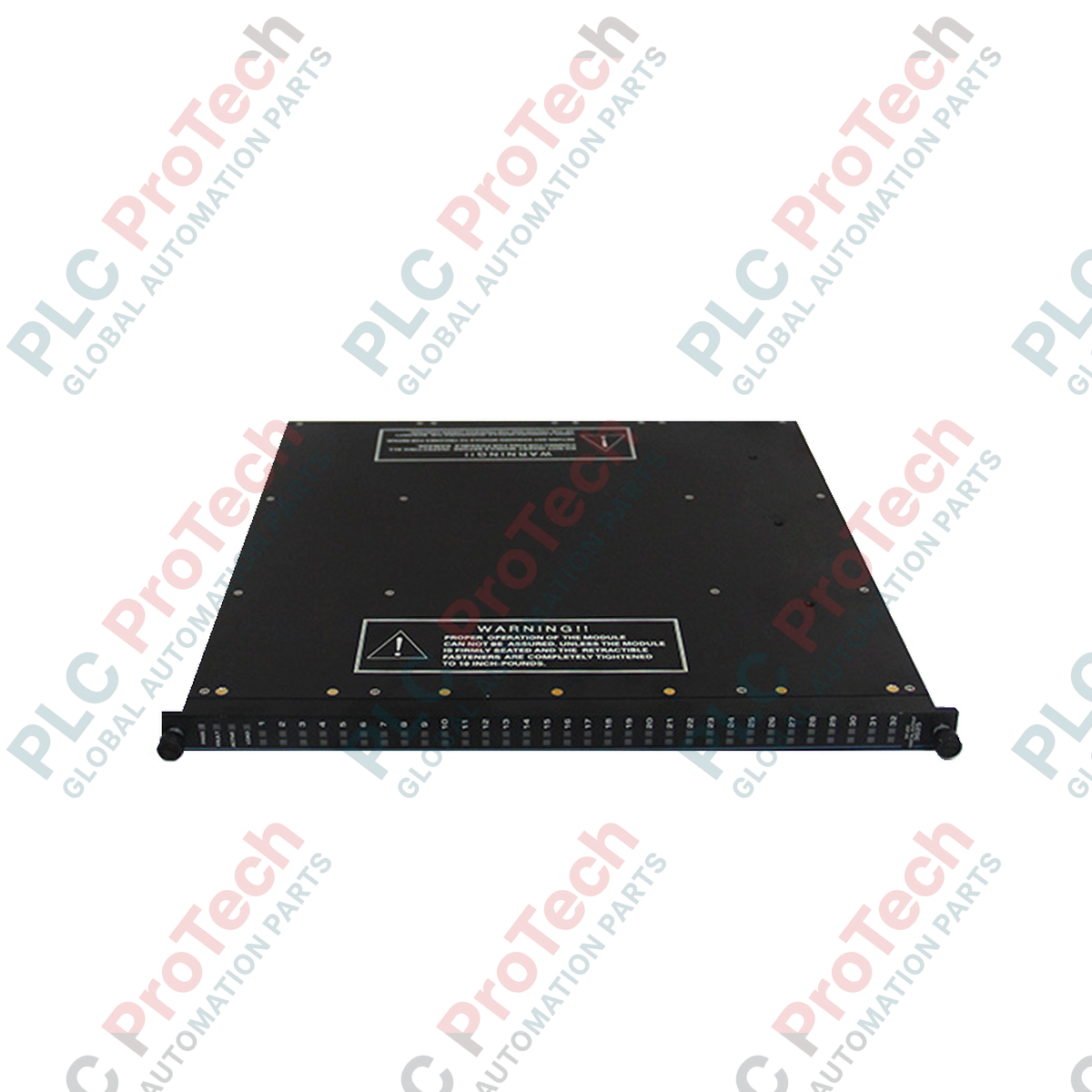
The 3009 (3009) Enhanced Main Processor is the central computing module for Triconex triple modular redundant safety systems. This processor executes control logic, performs hardware voting, and manages inter-module communication across the TriBus architecture. The module supports SIL rated safety applications in turbines, refinery shutdown systems, and burner management systems. The processor integrates dual core architecture, high speed memory, and deterministic scan execution. Engineers deploy this module where continuous operation is mandatory. Online diagnostics and hot replacement reduce plant downtime. The processor communicates with I/O modules using isolated channels and CRC protected transfers. The 3009 UMP improves fault tolerance, maintains deterministic execution, and enhances system availability in critical safety installations.
Hardware Architecture and Redundancy Design
The 3009 processor uses a triple modular redundant architecture. Three processors operate in parallel and perform hardware voting. Each processor executes identical control logic. The system compares results every scan cycle. Faulty channels are isolated automatically.
The module integrates:
-
Dual core QorIQ P1021 processor
-
Dedicated TriBus communication interface
-
CRC protected data exchange
-
DMA based memory transfers
-
Hardware fault detection logic
-
Online replaceable processor design
TriBus communication speed depends on chassis type:
The processor includes battery backed real time clock. Sequence of events logging remains active during power loss. The architecture supports SIL 1 to SIL 3 safety systems.
Technical Specifications
| Parameter |
Specification |
| Model |
3009 Enhanced Main Processor |
| Brand |
Triconex |
| Series |
Tricon Safety System |
| Processor Type |
Enhanced Main Processor UMP |
| Architecture |
Triple Modular Redundant TMR |
| Main CPU |
QorIQ P1021 Dual Core 800 MHz |
| Memory |
256 MB DRAM |
| NVRAM |
2 MB battery backed |
| Flash Memory |
128 MB Flash |
| TriBus Speed |
25 Mbps / 1000 Mbps |
| Communication |
RS 485 2 Mbps |
| I/O Bus |
RS 485 375 kbps |
| Diagnostic Port |
RS 232 isolated |
| Logic Power |
< 14 W |
| Isolation |
500 VDC diagnostic port |
| Operating Temp |
0 to 60 deg C |
| Storage Temp |
-40 to 75 deg C |
| Humidity |
5 to 95 percent non condensing |
| System Compatibility |
Tricon v11.x |
| Mounting |
Tricon main chassis |
| Dimensions |
31.0 cm x 22.5 cm x 4.0 cm |
| Weight |
1.8 kg |
| Origin |
USA |
Technical FAQs
Is the 3009 compatible with older Tricon controllers
Yes. The 3009 operates in Tricon v11.x systems. It requires 8110 or 8120E main chassis. Firmware alignment is required before installation.
Can the 3009 be replaced online without shutdown
Yes. The module supports hot replacement. The remaining processors maintain control during swap. System voting prevents output disturbance.
What indicates a processor fault on 3009 module
Fault LEDs show ACTIVE, PASS, and FAIL states. Diagnostics also report TriBus errors, memory mismatch, and watchdog timeout.
What replaces obsolete 3008 processors
The 3009 serves as the performance upgrade for 3008 series. Firmware migration and database download are required.
System Integration Notes
Install the processor in slot defined by system configuration. Use identical firmware across all three processors. Avoid mixing processor revisions. Maintain chassis airflow clearance of at least 50 mm.
Use shielded communication cables for RS 485 connections. Ground shield at one side only. This prevents communication noise.
Replace battery during scheduled maintenance. Loss of battery disables real time clock retention.
Reliability and Field Advantages
The 3009 processor operates in high vibration environments. The TMR architecture eliminates single point failures. CRC protected TriBus improves data integrity. Online diagnostics detect latent faults. The module supports hot swap maintenance. This design reduces shutdown risk in refineries, turbines, and emergency shutdown systems.
The processor maintains deterministic scan timing. Redundant architecture ensures continued operation during hardware failure. The module also supports long lifecycle installations and backward compatibility.