1 of 3

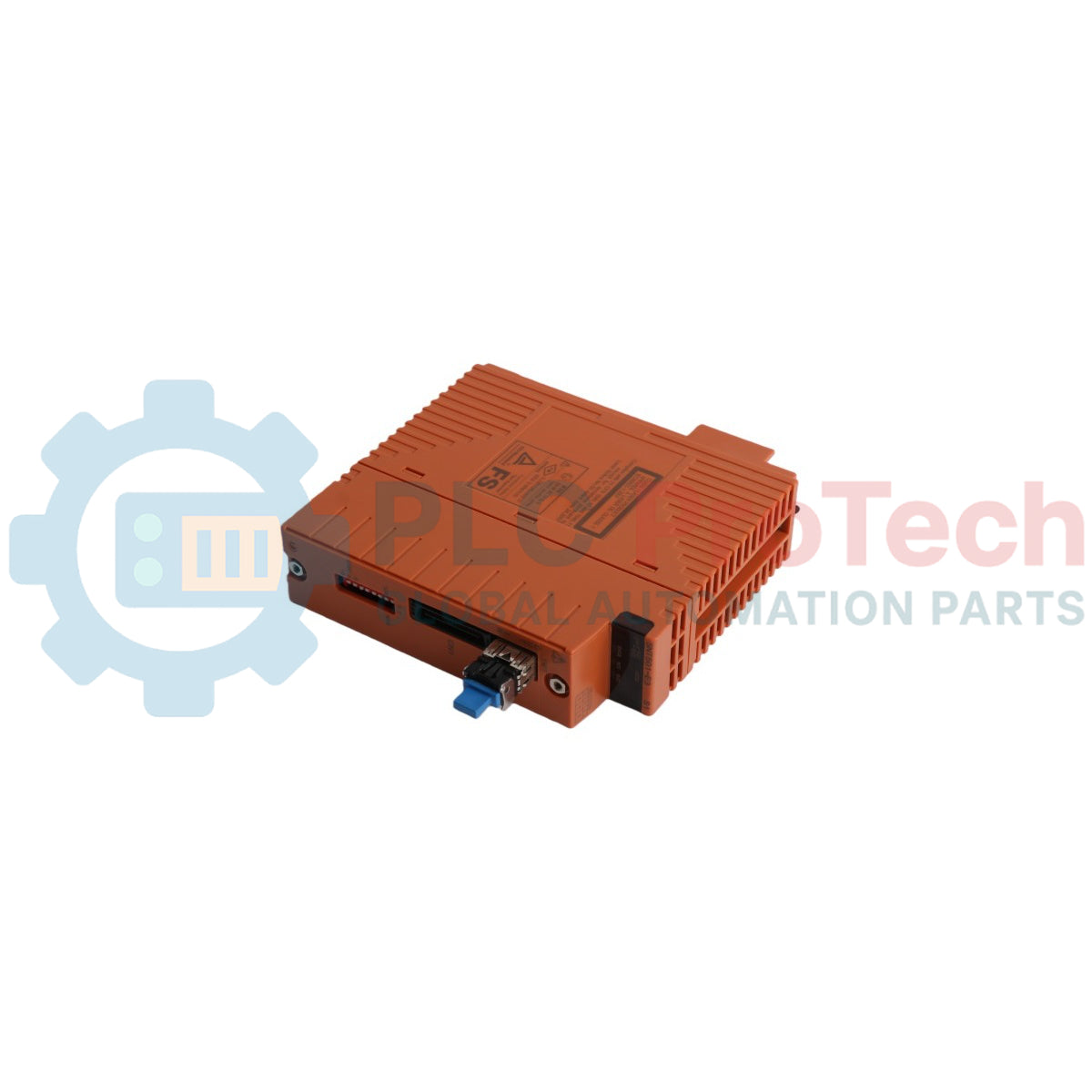
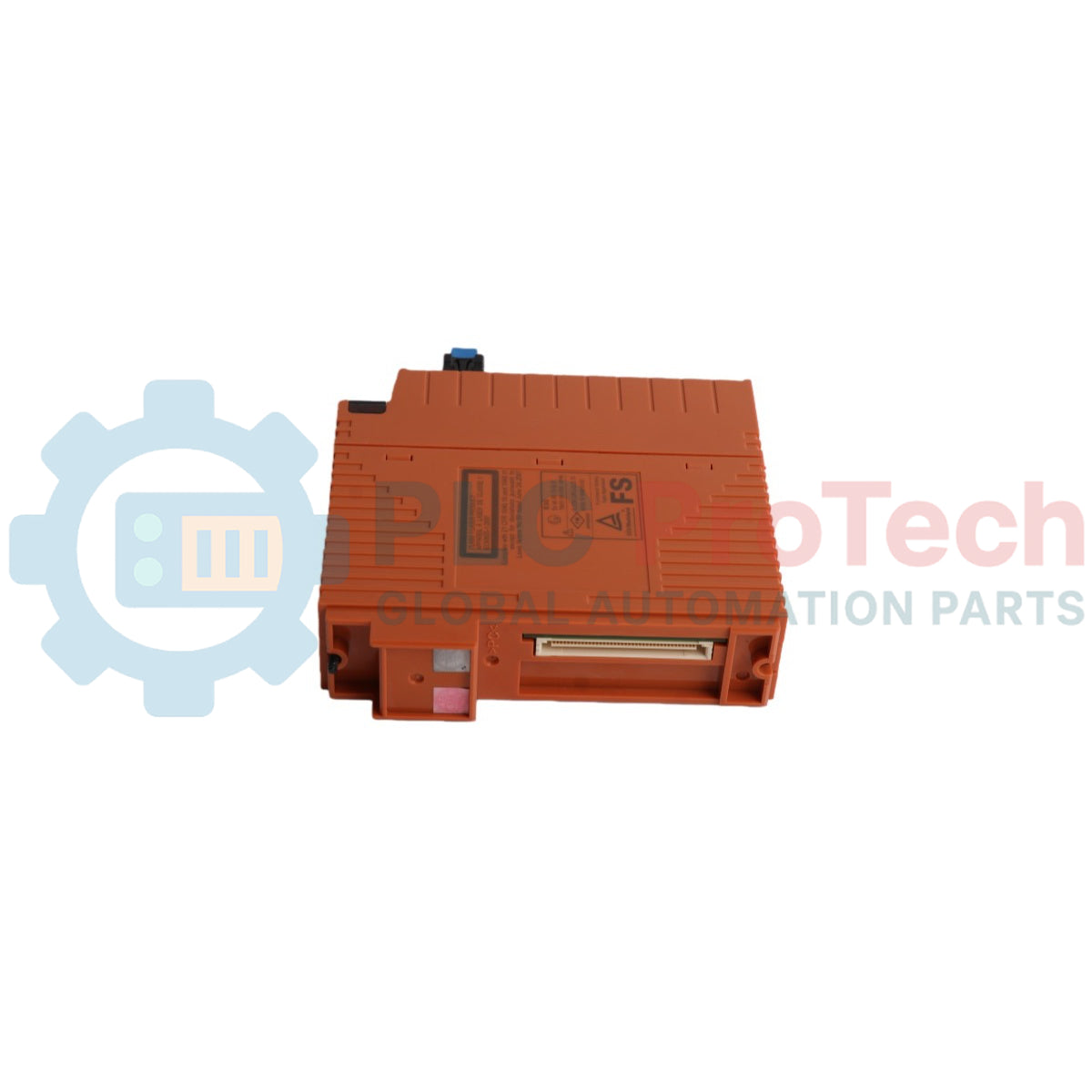
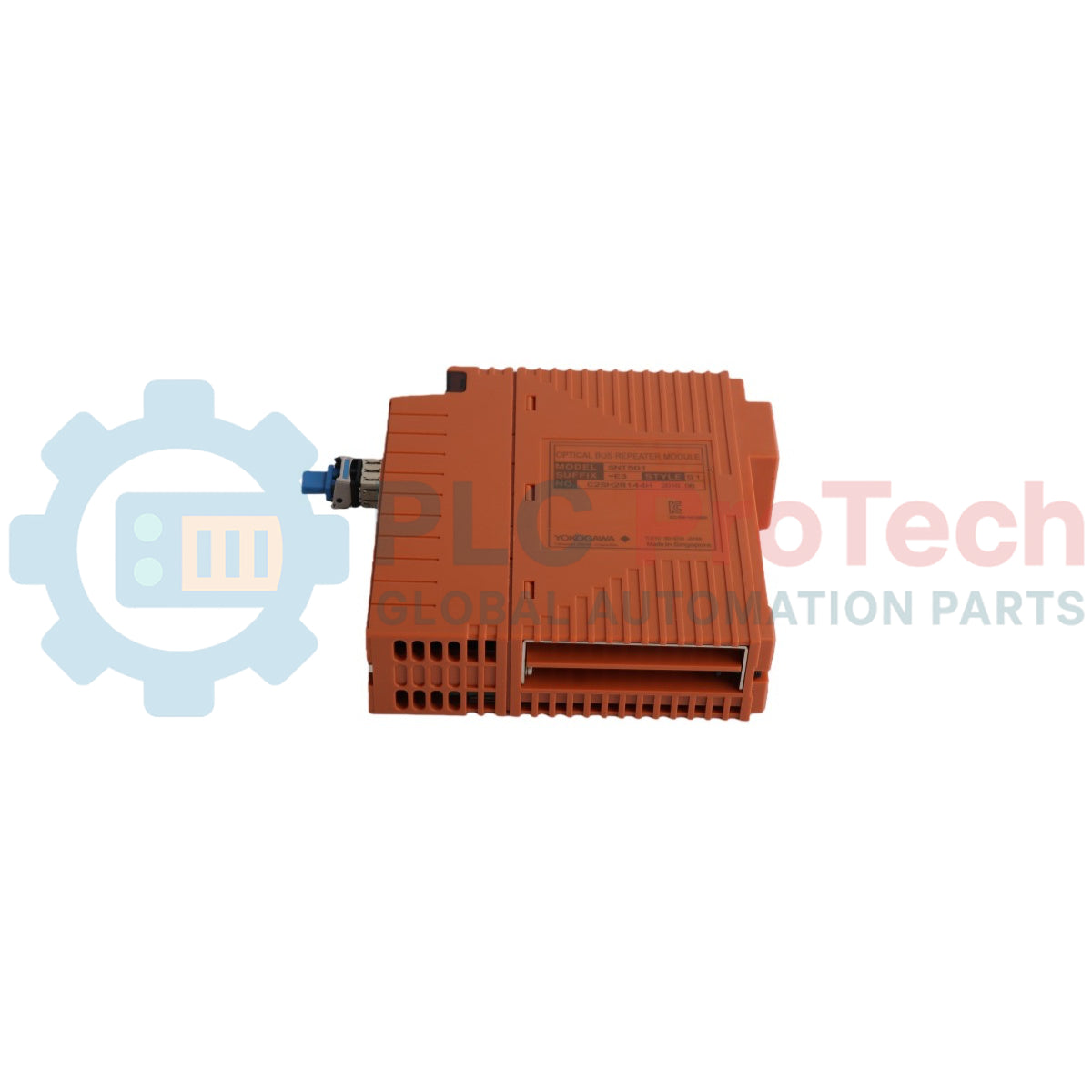
Yokogawa SNT501-13 ProSafe-RS Optical ESB Bus Repeater Module

Yokogawa SNT501-13 ProSafe-RS Optical ESB Bus Repeater Module

Only 10 item(s) left in stock
  • Manufacturer: Yokogawa

  • Product No.: SNT501-13

  • Country of origin:Japan

  • Product Type: Optical ESB Bus Repeater Module

  • Barcode: 8537101190

  • Payment: T/T, Western Union

  • Weight: 300g

  • Dimensions: 3.3cm x 10.7cm x 13cm

  • Shipping port: Xiamen

  • Warranty: 12 months

Quantity
View full details

Product Overview

The Yokogawa SNT501-13 (SNT501-13) is an Optical ESB Bus Repeater Slave Module engineered for the ProSafe-RS safety instrumented system (SIS). Widely deployed in high-consequence process industries such as oil refining, petrochemical processing, and power generation, this module extends critical safety communication networks over long physical distances. It receives optical signals transmitted from an SNT401 master module or N-ESB bus module via fiber-optic cabling and converts them back to electrical signals. These signals are then routed via an ESB bus cable to the SSB401 ESB Bus Interface Module residing on the SNB10D safety node unit. By isolating the communication path through fiber optics, this module prevents electromagnetic interference (EMI) and ground-loop propagation across remote processing areas, ensuring continuous system uptime and robust machinery protection.

Suffix Breakdown

The model and suffix code structure of the SNT501-13 dictates its environmental protection rating, explosive atmosphere certification, and maintenance designation:

  • SNT501: Base designator for the Optical ESB Bus Repeater Slave Module.

  • -1: Denotes a hardware build with no explosion protection, suitable for non-hazardous control room environments or installations utilizing external containment.

  • 3: Designates compliance with the ISA Standard G3 conformal coating specification for highly corrosive environments. This option also expands the certified operating temperature window to a wider range of -20 to 70 deg C, classified strictly for system maintenance and legacy support purposes.

Technical Specifications

Parameter Metric Certified Specification Value
Model SNT501-13
Brand Yokogawa Electric Corporation
Origin Japan
Function ESB Bus optical transport function (Slave side)
Connection Topology Star type or Chain type network architectures
Cascading Capability Maximum of 2 connecting stages
Transmission Distance Max 5 km (total two stages); Max 10 km on Vnet/IP R1.03 or later
Current Consumption 0.5 A
Operating Temperature -20 to 70 deg C (-4 to 158 deg F)
Environmental Protection ISA Standard G3 chemical resistance coating
Weight Approx. 0.3 kg

Technical FAQs

  • Q: Why is it critical that the suffix codes of the bus 1 and bus 2 modules match exactly?

    A: For redundant safety configurations, both the primary (bus 1) and secondary (bus 2) repeater modules must share identical electrical, thermal, and signal-propagation characteristics. Mismatching suffix codes (such as pairing a standard module with a G3-coated, wide-temperature -13 module) can introduce minor timing offsets, compromising the synchronization of the ProSafe-RS safety bus.

  • Q: Can the SNT501-13 module be paired with any master-side optical repeater?

    A: No. To maintain proper optical link budgets and communication integrity, the master side and slave side must be paired systematically. The SNT501-13 (SNT501-dash-13) slave module must be paired specifically with the corresponding SNT401-13 master module.

  • Q: What is the benefit of the ISA Standard G3 coating on this specific module?

    A: The G3 rating indicates that the module's printed circuit board (PCB) has a specialized conformal coating. This provides robust protection against chemical attack from corrosive gases (such as hydrogen sulfide, sulfur dioxide, and chlorine) commonly present in oil refineries, wastewater facilities, and paper mills.


Engineering & Installation Guide

  • Ensuring Fiber Connection Cleanliness: Before inserting the fiber-optic connectors into the SNT501-13, clean the cable end-faces using a dedicated fiber-optic reel cleaner or lint-free wipes saturated with industrial-grade isopropyl alcohol. Microscopic dust particles trapped in the optical transceiver interface can cause severe signal attenuation, leading to high bit-error rates on the ESB bus or communication timeouts.

  • Observing Minimum Bend Radius: During cabinet routing, ensure the fiber-optic cables do not exceed their specified minimum bend radius (typically 30 mm for standard multi-mode fiber). Sharp bends can cause micro-bends in the glass core, resulting in permanent optical power loss that reduces the maximum transmission distance below the rated 5 km or 10 km limits.

  • Redundant Path Physical Isolation: When implementing a redundant star or chain topology, route the fiber-optic cables for Bus 1 and Bus 2 through completely separate physical conduits and cable trays. This prevents a single physical impact, fire, or localized cabinet accident from severing both communication lines simultaneously, preserving safety system operation.

Global Express Shipping

  • Standard Delivery: 4-6 Business Days via DHL, FedEx, and UPS.
  • Express Dispatch: Same-day dispatch for in-stock orders placed before 2:00 PM (GMT+8).
  • Worldwide Coverage: Serving over 150 countries, including rapid delivery to Saudi Arabia and UAE.

Returns & Warranty

  • 30-Day Guarantee: Returns accepted for in-stock products in original, factory-sealed packaging.
  • 12-Month Warranty: Every industrial component is backed by our professional technical warranty.

Orders are processed and delivered Monday-Friday (excluding public holidays).


For full eligibility, restocking fees, and international return details, please view our official Refund & Return Policy .

TECHNICAL SPECIFICATIONS

Color pattern
Brown Orange
Country of origin
Japan
Power source
DC Power

Recently Viewed Products

Technical knowledge

Guide to Robotic Grippers: From Delicate Handling to Heavy-Duty Automation

Modern robotic grippers are evolving beyond traditional mechanical jaws. From gecko-inspired adhesive systems and soft food-grade grippers to AI-powered warehouse tools, advanced gripping...

Throwback: How Early Electric Motors Changed Underground Mining

From rope-driven DC compressors to battery-powered mine carts, early mining operations marked a turning point in industrial electrification. This article explores how electric motors transformed...

Factory I/O: A Modern PLC Simulation Tool for Industrial Automation Training

Factory I/O is transforming PLC education by delivering immersive 3D industrial simulations for students, engineers, and maintenance teams. The platform bridges the gap between theory and real-world...

Programming Single-Axis Motion Cycles on a CMZ Servo Drive

This tutorial examines how onboard PLC functionality inside a CMZ SBD servo drive can execute standalone motion programs, including homing logic, position control, and cyclic axis movement without an...

Single-Axis Motion Control Setup with CMZ Servo Drives

This tutorial explores the commissioning of a single-axis servo motion system using a CMZ SBD drive, covering hardware setup, axis scaling, homing configuration, and safe motion verification for...

Mitsubishi FX PLC Integration With FR-D700 VFD and HMI Control

This tutorial explains how Mitsubishi FX PLCs integrate with FR-D700 VFDs and HMI panels for forward/reverse motor control. It covers wiring logic, parameter configuration, ladder programming, and...