Product Overview
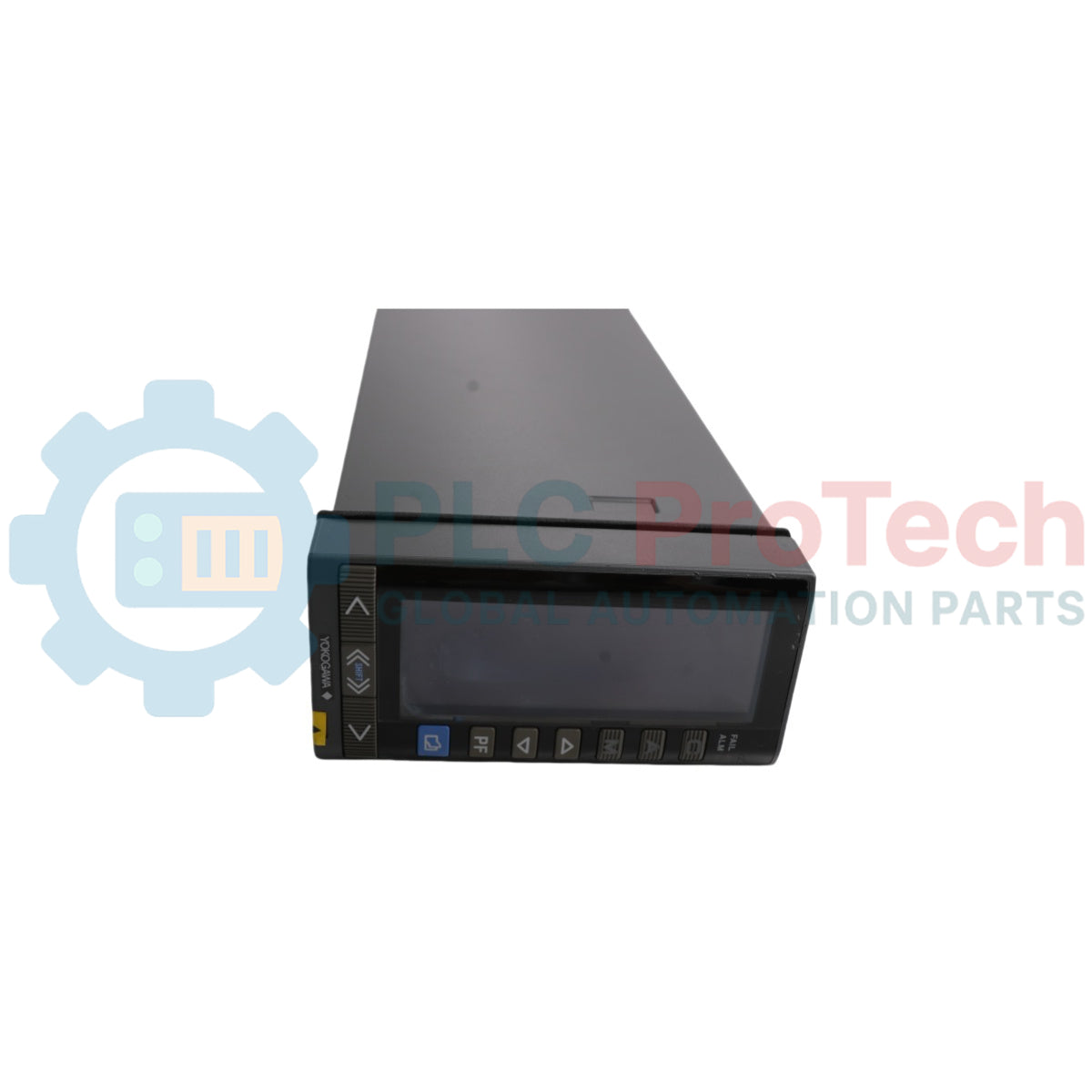
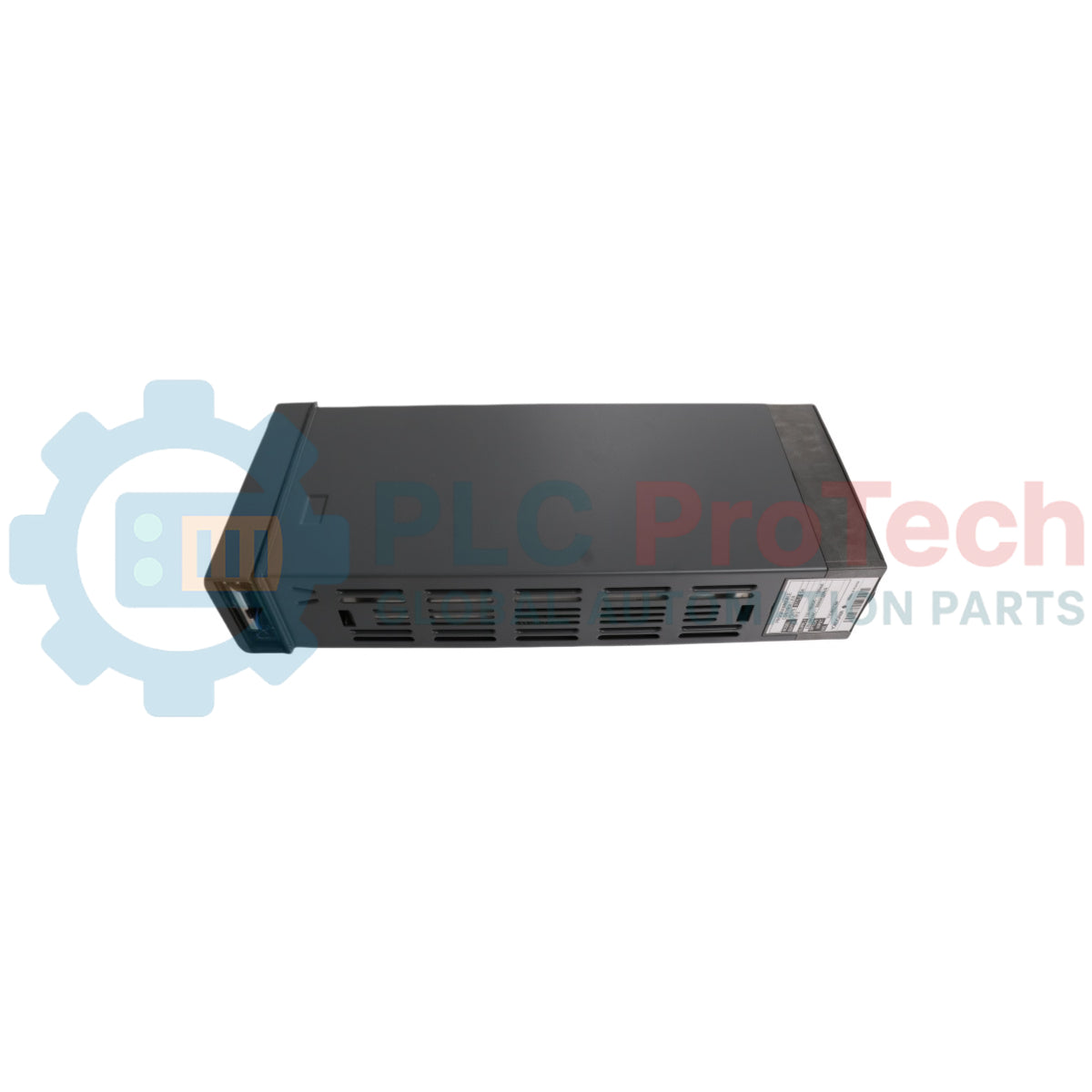
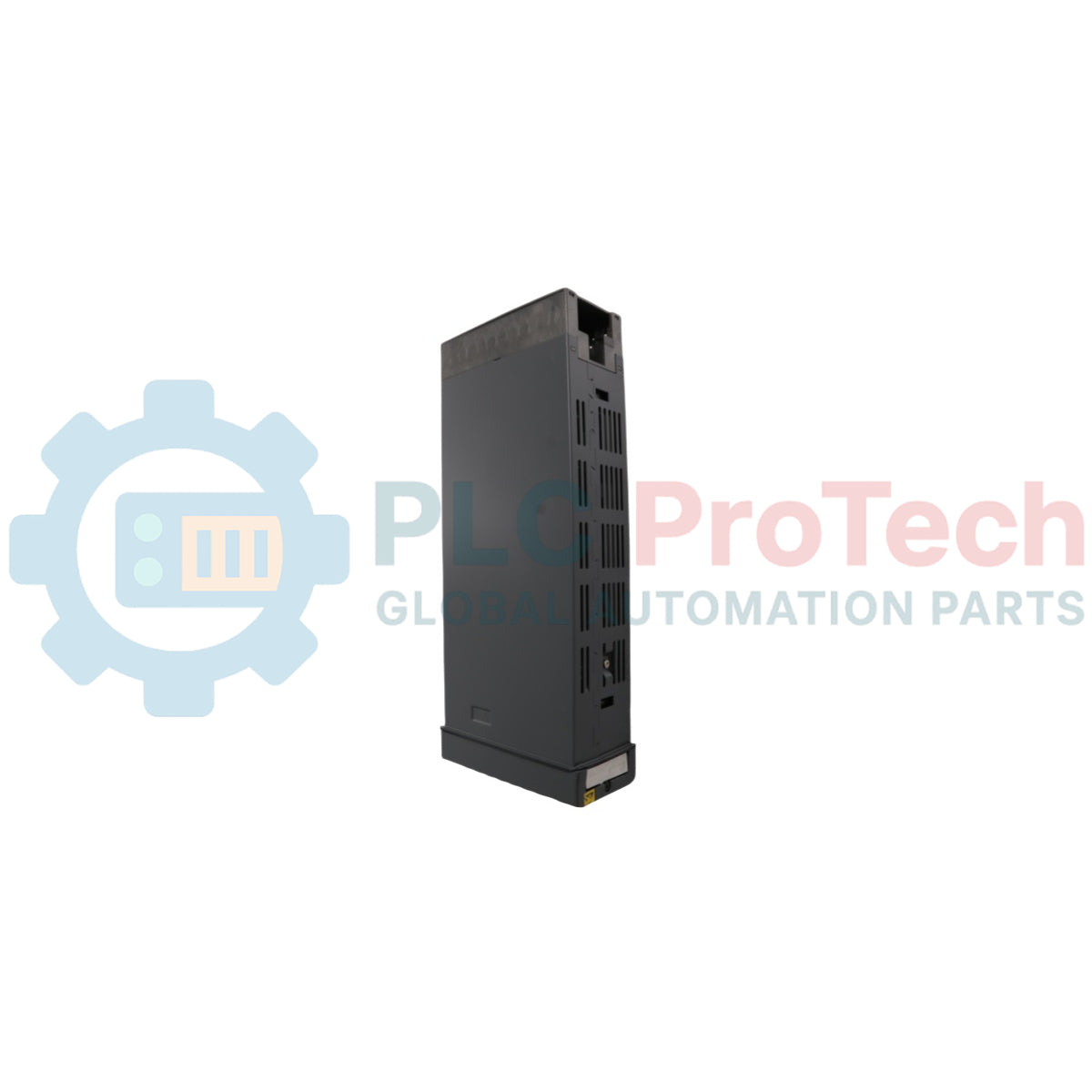
The YS170-012 S4 (YS170) is a high-performance, programmable single-loop controller from the YS100 series, designed for sophisticated process control in demanding industrial environments. This unit offers a versatile array of control functions, including single PID, cascade, and autoselector modes, as well as the capability to manage two independent loops. Featuring a non-glare, back-lit bit-map LCD, the YS170 provides clear bar graphs and alphanumeric displays for real-time monitoring of PV, SV, and MV. It is widely utilized in chemical processing, water treatment, and heat management systems where precise regulation and custom computation are required. With its 36 computation types and up to 400 program steps, the module significantly reduces the need for external logic controllers, thereby minimizing system complexity and reducing potential operational downtime.
Suffix Breakdown
The YS170-012 S4 utilizes a specific suffix structure to denote its hardware style and power requirements:
-
-0: Designates the General Purpose version, suitable for a wide range of standard industrial control applications.
-
1: Indicates the hardware revision, specifically Style 3 (S3) or Style 4 (S4), which includes optimizations for modern DCS-LCS communication and peer-to-peer networking.
-
2: Specifies the 220V version power supply, compatible with both AC and DC industrial power grids.
-
S4: Explicitly identifies the Style 4 hardware generation, featuring enhanced program capacity and improved display longevity.
Technical Specifications
| Feature |
Specification |
| Model |
YS170-012 S4 |
| Brand |
Yokogawa |
| Origin |
Japan |
| Control Period |
0.05, 0.1, or 0.2 seconds |
| Analog Inputs |
5 points (1 to 5 V), 1 point direct input (mV, TC, RTD) |
| Analog Outputs |
2 points (4 to 20 mA), 1 point (1 to 5 V) |
| Program Steps |
Max 400 steps (with YSS10 package) |
| Power Supply (220V) |
220-240 V AC or 135-190 V DC |
| Dimensions |
72 x 144 mm (Front), 320 mm (Depth) |
| Weight |
2.6 kg |
Engineering Insights (FAQs)
What is the benefit of the "Style 4" designation for this controller?
The Style 4 (S4) hardware provides the most stable communication framework for the YS100 series, supporting RS-485 and YS-net protocols. This allows the YS170 to engage in peer-to-peer communication with other controllers and interface directly with CENTUM-XL or $\mu$XL DCS systems.
Does this unit support direct sensor connection without an external transmitter?
Yes. One of the 5 analog input points is a "direct input" point. It can be configured for millivolt (mV), thermocouple (TC), RTD, potentiometer, or frequency signals, eliminating the need for an input isolator in many field applications.
How does the Self-Tuning Control (STC) function work?
The STC function automatically calculates and updates PID parameters in response to process changes. This is particularly useful for non-linear processes or loops with varying lag times, ensuring optimal control without manual intervention.
Engineering & Installation Guide
-
Power Compatibility: The 220V version is designed for flexibility, accepting 220-240 V AC ($\pm$10%) at 50/60 Hz or 135-190 V DC. Ensure that the power source is free from high-frequency noise. If installing in an area with unstable power, an external line filter is recommended to protect the internal 24 V DC transmitter power supply.
-
Thermal and Space Management: With a depth of 320 mm, ensure the control cabinet has sufficient rear clearance for wiring and airflow. While the front panel is 72 x 144 mm, the high density of internal components makes it sensitive to ambient heat; maintain at least 10 mm of horizontal spacing between adjacent controllers if operating at the upper limit of the temperature range.
-
Signal Shielding: All analog input and output signal lines must use twisted, shielded pairs. Ground the shields at a single point, preferably at the controller's ground terminal, to prevent electromagnetic interference from affecting the 1 to 5 V signal integrity.
-
Fail-Safe Configuration: Utilize the dedicated "Fail contact output" point for emergency shutdown logic. This point is designed to trigger if the internal CPU detects a watchdog timer error or a critical hardware failure, providing an essential layer of power protection for the process.