


Güç ve iletişim yedekliliği tasarımı
Paylaşılan bağımlılıkları haritalandırarak, güç ve ağ yollarını ayırarak, devreye girme davranışını tanımlayarak, kısıtlı çalışmayı görünür kılarak ve tolere edilen her arızayı kanıt testine tabi...
Üretici: ABB
Ürün No.: ACS550-01-125A-4
Menşei ülke:İsveç
Ürün Türü: Değişken Frekanslı Sürücüler
Barkod: 85044095
Ödeme: T/T, Western Union
Ağırlık: 34000g
Boyutlar: 265 mm (W) x 739 mm (Y) x 286 mm (D)
Gönderim limanı: Xiamen
Garanti: 12 ay
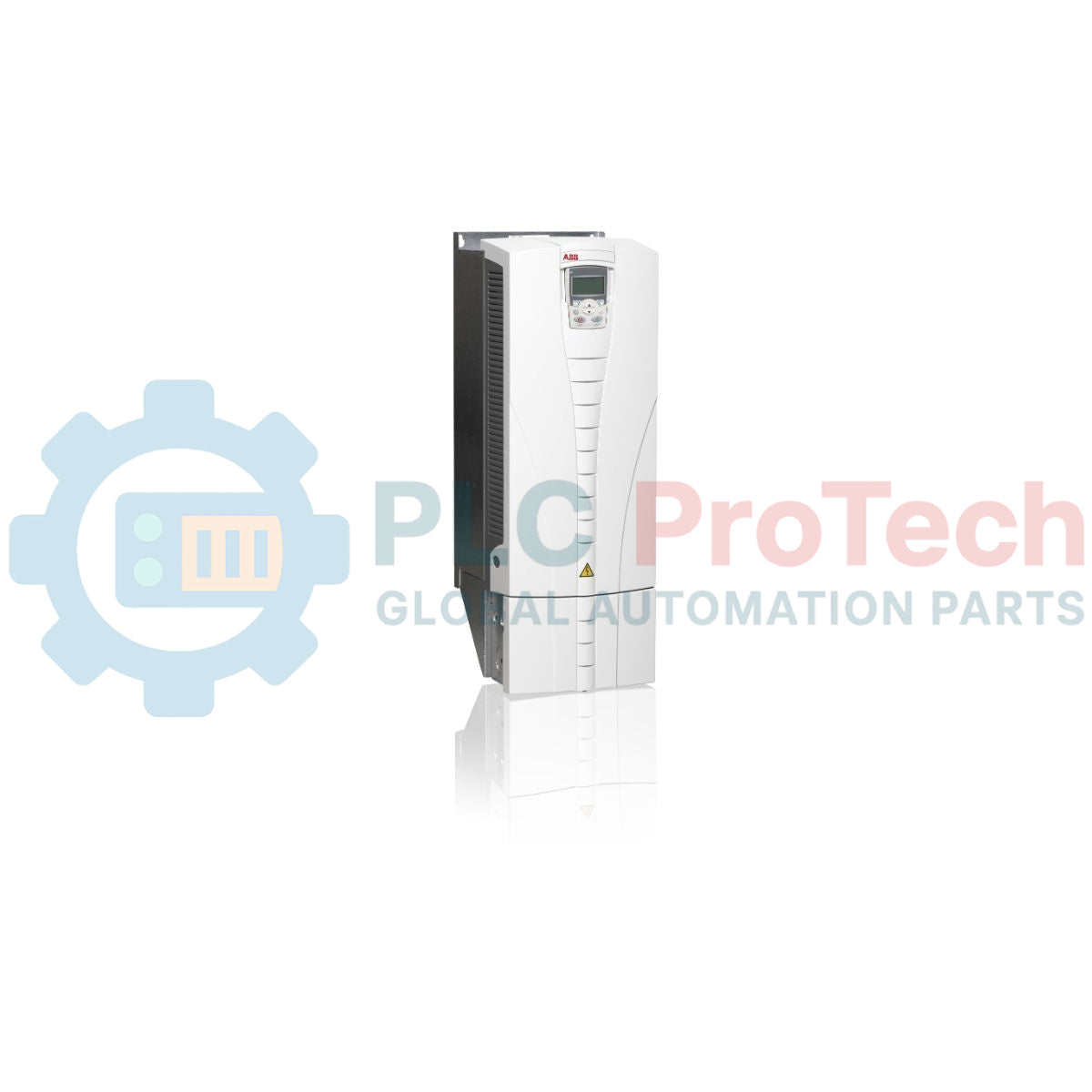
Üç fazlı endüstriyel elektrik şebekelerinde çalışan ABB ACS550-01-125A-4 değişken frekans sürücüsü, üç fazlı asenkron motorlar için hız ve tork düzenlemesi sağlar. 55 kW (100 HP)'ye kadar normal hizmet uygulamaları için tasarlanan bu sürücü, mekanik performansı ve enerji verimliliğini optimize etmek üzere vektör kontrolünü, skaler kontrolü ve dahili harmonik azaltma salınımlı bobinini bir arada sunar. Ünite, sağlam IP21 (UL Tip 1) muhafazası sayesinde temiz ve kuru endüstriyel ortamlarda standart yan yana pano montajı veya doğrudan duvara entegrasyon için uygundur.
| Parametre | Değer / Teknik Özellik |
|---|---|
| Üretici | ABB |
| Model Numarası | ACS550-01-125A-4 |
| Giriş Gerilimi Aralığı | 380 - 480 V AC (3 Fazlı) |
| Giriş Frekansı Aralığı | 48 ila 63 Hz |
| Çıkış Gücü (Normal Kullanım) | 55 kW / 100 HP |
| Çıkış Akımı (Normal Kullanım) | 125 A |
| Muhafaza Sınıfı | IP21 (UL Tip 1) |
| Gövde Boyutu | R4 |
| Çalışma Sıcaklığı Aralığı | -15 ila 40 °C (Derating yok) / 50 °C'ye kadar (Derating ile) |
| Sevkiyat Ağırlığı (Hesaplanan) | 34,00 kg |
| Paket Boyutları (Hesaplanan) | 265 mm (G) x 739 mm (Y) x 286 mm (D) |
| Ticari Kod | 85044095 |
| Terminal / Bağlantı Noktası | İşlev / Sinyal Ataması |
|---|---|
| U1, V1, W1 | Üç fazlı AC şebeke girişi besleme terminalleri |
| U2, V2, W2 | Üç fazlı motor bağlantısı çıkış terminalleri |
| UC+, UC- | DC bara bağlantısı (dinamik fren kıyıcı modülleri için) |
| X1: AI1 / AI2 | Programlanabilir analog girişler (Gerilim 0-10V, Akım 0/4-20mA) |
| X1: DI1 - DI6 | Programlanabilir dijital girişler (PNP/NPN, 24V DC yardımcı güç) |
| X1: RO1, RO2, RO3 | Programlanabilir form-C röle çıkışları (250V AC / 30V DC, maks. 2A) |
ACS550-01-125A-4, olgun ACS550 ürün serisinin bir parçasıdır. Modern geçiş planları veya yeni altyapı planlaması için ABB ACS580-01-124A-4 doğrudan donanım değişimidir. ACS580 serisine geçişte, eski ACS550 ürün yazılımındaki parametre dizinleri ve yeni Drive-to-Drive platformlarındaki yazılım profilleri farklı olduğundan kontrol paneli şablonlarının ve seri parametre setlerinin güncellenmesi gerektiğini unutmayın.
Elektrik panolarının içine monte ederken, ısıl birikimi önlemek için R4 gövde boyutunun üstünde ve altında en az 200 mm boşluk bırakın. Ağır havalandırma fanları veya endüstriyel santrifüjler gibi yüksek ataletli yükleri frenleme direnci olmadan çalıştırmak, hızlı yavaşlama rampaları sırasında aşırı gerilim açmalarını (Arıza 2 - DC AŞIRI GERİLİM) tetikleyebilir. Bu sorunu azaltmak için sürücü parametresini "yavaşlama sınırı" işlevini kullanacak şekilde yapılandırın veya harici bir dinamik frenleme kıyıcı ünitesi entegre edin.
İlk çalıştırma sırasında doğru Uygulama Makrosunu (ör. HVAC, 3 kablolu veya PID kontrolü) daima yapılandırın; makronun daha sonra değiştirilmesi varsayılan değerleri geri yükler ve özelleştirilmiş dijital giriş yönlendirmelerinin üzerine yazar. Yüksek frekanslı elektriksel gürültüyü bastırmak için simetrik, ekranlı motor kabloları kullanın ve ekranı hem VFD PE terminal plakasında hem de motor terminal kutusunda 360 derece topraklayın.
KRİTİK UYARI: ELEKTRİK TEHLİKESİ
Kurulum veya bakıma başlamadan önce gelen tüm güç hatlarını izole edin. Dahili DC bara kapasitörlerinin tamamen boşalması için güç kaynağını ayırdıktan sonra en az 5 dakika bekleyin. Bağlantı terminallerine dokunmadan önce U1/V1/W1, U2/V2/W2 ve UC+/UC- terminallerinde gerilim bulunmadığını sertifikalı bir multimetreyle daima doğrulayın.

Global Express Shipping
Returns & Warranty


Küresel Ekspres Kargo
İadeler ve Garanti
Siparişler Pazartesi-Cuma (resmi tatiller hariç) işlenir ve teslim edilir.
Tam uygunluk, stok yenileme ücretleri ve uluslararası iade detayları için lütfen resmi sayfamızı inceleyin İade ve Geri Ödeme Politikası .
| Country of origin |
İsveç
|

Paylaşılan bağımlılıkları haritalandırarak, güç ve ağ yollarını ayırarak, devreye girme davranışını tanımlayarak, kısıtlı çalışmayı görünür kılarak ve tolere edilen her arızayı kanıt testine tabi...

Güvenli çalışma, çizimler, güç yolları, branş koruması, DC güç kaynakları, dönüş devreleri, PLC çıkışları, arıza kayıtları ve onarım doğrulamasını kapsayan yapılandırılmış bir kontrol panosu sorun...

Endüstriyel kontrol panoları için referans noktalarını, ölçü aleti seçimini, enerjili-enerjisiz-enerjili kontrollerini, gerilim düşümünü, hayalet gerilimi, depolanmış enerjiyi ve aralıklı arızaları...

Tehlikeli enerjinin belirlenmesi, izolasyonu, depolanmış enerjinin kontrolü, doğrulama, grup çalışması, geçici testler, yeniden devreye alma, denetimler ve kontrolleri kapsayan pratik bir...

Filtreler, regülatörler, tahliyeler, kurutucular, yağlama, basınç kaybı, izolasyon, izleme, devreye alma ve kaçak testlerini kapsayan kullanım noktasında basınçlı hava hazırlama saha kılavuzu.

Manuel, pilot kumandalı ve solenoidli pnömatik valfler için; port işlevlerini, monostabil ve bistabil çalışma biçimlerini, PLC çıkışlarını, güvenli durumları, devreye almayı ve arıza teşhisini...