Açıklama
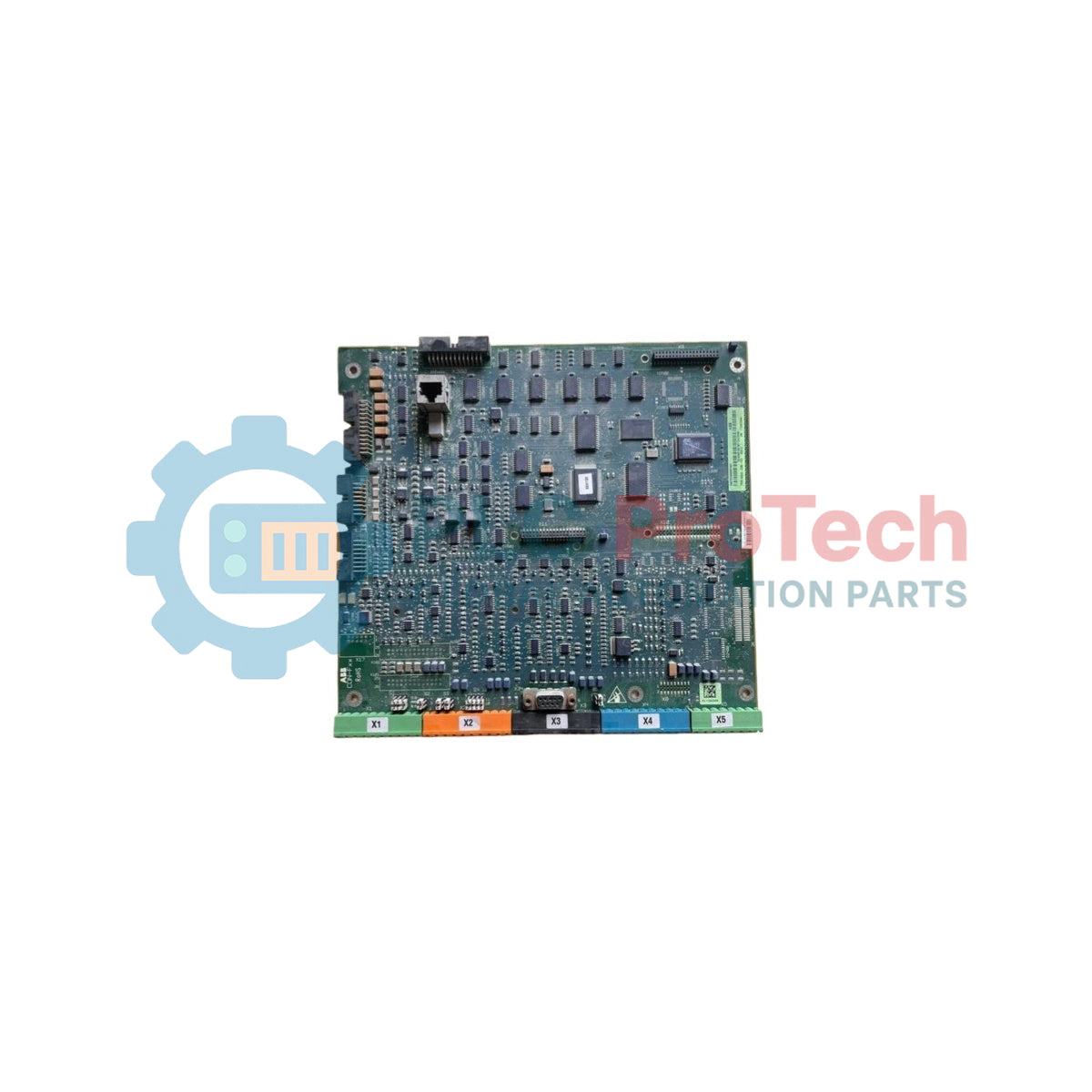
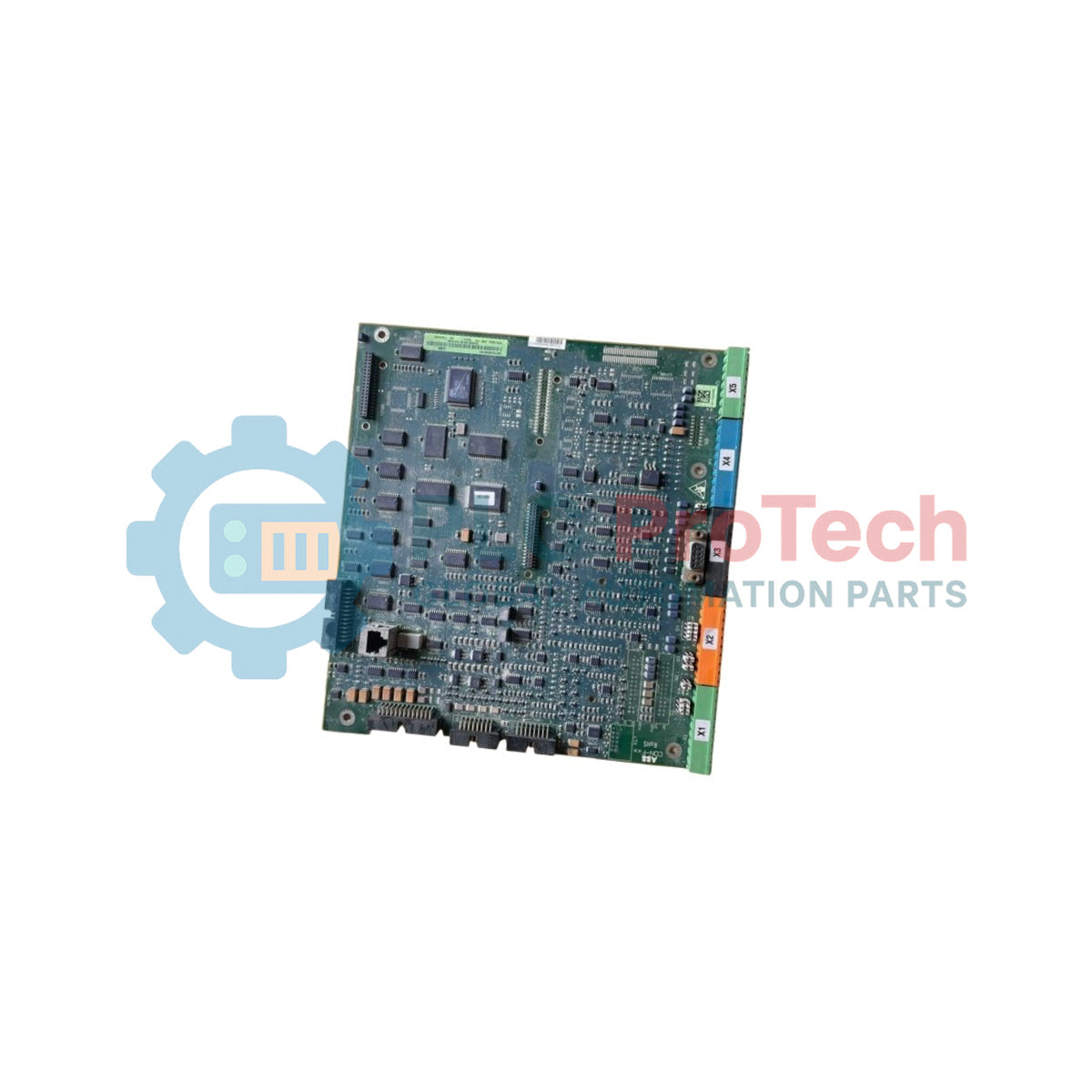
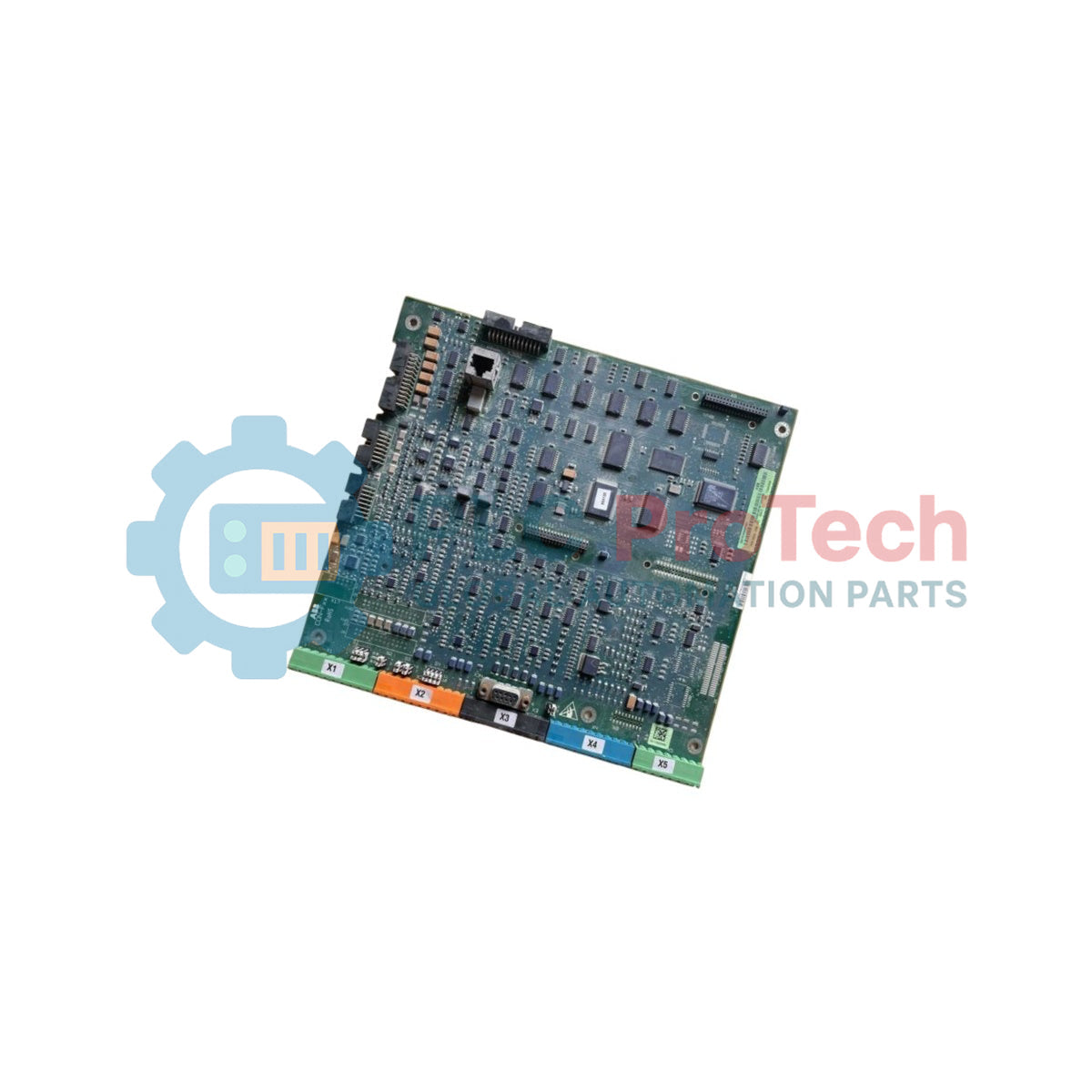
ABB SDCS-CON-F01, DCS550 serisi DC sürücü sistemlerinin hesaplama döngüleri için tasarlanmış merkezi mikroişlemci ana işlem mimarisidir. Birincil kontrol kartı olarak çalışan bu kart, hesaplama hız ve tork profillerini, kapı vektör yapılandırmalarını ve alan iletişim senkronizasyon arayüzlerini yönetir.
SDCS-CON-F01, sürücü ölçeklendirme elemanlarına özel çok kanallı arayüz bağlantıları aracılığıyla entegre çevresel komutları koordine eder. 3ADT316500R1501 ürün tanımlayıcısı altında belirlenen bu modüler montaj, kompakt endüstriyel ağlarda hızlı tepki veren termal ve kol güç geçişleri sırasında döngü hesaplama bütünlüğünü koruyarak senkron dijital ve analog işleme altyapısını yönetir.
Özellikler
-
Merkezi İşlemci Çekirdeği: Sürücü şasisinde hız, tork ve akım parametreleri için gerçek zamanlı düzenleme döngülerini yönetir.
-
Doğrudan Çevresel Haritalama: Kodlayıcı geri bildirim takibi, darbe transformatörü arayüzleri ve isteğe bağlı genişletme modülleri için bağlantı hatlarını entegre eder.
-
Standart Donanım Yazılımı Yolu: Değişken yükler altında öngörülebilir operasyonel kontrol parametrelerini sağlamak için yüksek yoğunluklu sistem mantığı belleğine ev sahipliği yapar.
-
Sert Yapısal Montaj: Ağır endüstriyel panel titreşimlerine karşı mekanik stabilite sağlamak için dahili sürücü salınım çerçevelerine cıvatalanmak üzere formüle edilmiştir.
Uygulamalar
- ABB DCS550 dönüştürücü serisinin çok aralıklı modüler üniteleri içinde ana kontrolcü değişimi.
- Plastik ekstruderler, tel çekme makineleri ve konveyör kontrol döngüleri dahil değişken hızlı DC motor güç uygulamaları.
Teknik Özellikler
| Parametre |
Spesifikasyon |
| Üretici |
ABB |
| Model Tanımı |
SDCS-CON-F01 |
| Ürün Kimliği / Sipariş Numarası |
3ADT316500R1501 |
| Sürücü Uyumluluğu |
DCS550 Serisi DC Sürücüler |
| Gümrük Tarife Numarası |
85371098 |
| Parça Tipi Durumu |
Orijinal / Yeni |
| Ürün Net Ağırlığı |
0,399 kg |
| Nakliye Ağırlığı (Hesaplanmış) |
0,650 kg |
| Paket Boyutları (Hesaplanmış) |
260 mm x 180 mm x 45 mm |
Ampirik Mühendislik İçgörüleri
Alternatif Modeller ve Uyumluluk
SDCS-CON-F01 kartı, DCS550 sürücü ortamı için özel olarak tasarlanmıştır ve boyut yerleşim farklılıkları ile işlemci çipi ayrımları nedeniyle eski DCS500 veya daha büyük DCS800 mimarilerine çapraz takılamaz. Yerinde değişim yaparken, mevcut uygulama parametrelerinizin arızalı birimi çıkarmadan önce sürücü yapılandırma yazılımı aracılığıyla kaydedildiğinden emin olun, çünkü yedek kart, saha altyapınızı doğru şekilde eşlemek için tam parametre indirmesi gerektirir.
Uygulama Tuzakları ve Mühendislik Notları
Yüksek sıcaklıklı veya havalandırmasız elektrik dolaplarında yetersiz ısı konveksiyonu, işlemci çipi içinde sistematik hesaplama sorunlarına yol açabilir. Muhafaza soğutma fanlarının çalışır durumda olduğundan emin olun. Ayrıca, kapı modüllerine giden tüm düz şerit veri hatlarının tam olarak oturduğundan emin olun; gevşek konnektörler ateşleme fazı dengesizliklerine neden olabilir, bu da başlatma sırasında anında armatür aşırı akım hatalarına veya düzensiz takometre okumalarına yol açar.
Devreye Alma ve Kablolama İpuçları
Tüm düşük voltajlı sinyal kablolama hatlarını, elektromanyetik gürültü kaplamasını önlemek için kart terminallerine bağlı olarak paralel yüksek amperajlı AC besleme yollarından veya motor armatür hatlarından fiziksel olarak izole tutun. Çerçevedeki topraklama sekmeleri, mutlak sıfır potansiyel referans düzlemi oluşturmak ve dahili analog hesaplama yollarını stabilize etmek için muhafaza panel şasisi ile boyasız, ham metal-metal temasını korumalıdır.
Kurulum Kılavuzu
KRİTİK UYARI: ENDÜSTRİYEL GÜÇ İZOLASYON PROTOKOLLERİ
Tüm ana gelen hat ağ yollarını, saha uyarım potansiyellerini ve sürücü muhafazasına bağlı harici yardımcı beslemeleri tamamen kesin. DC dönüştürücü topolojileri, harici kesici bağlantısı kesildikten sonra elektronik bileşenler üzerinde yüksek voltaj seviyelerini korur. İç filtre devrelerinin tamamen boşalması için en az 15 dakika bekleyin ve bileşen çerçevelerini açmadan önce kalibre edilmiş bir ölçerle güvenli sıfır voltaj durumunu doğrulayın.
1
Hassas yerleşik mikroişlemcileri korumak için doğrulanmış bir elektrostatik deşarj (ESD) bileklikini yerel kontrol kabini topraklamasına bağlayın.
2
Arayüz fişlerini, kodlayıcı terminal kablolarını ve dahili düz veri şerit döngülerini kart başlıklarından dikkatlice çıkarın, yerleşim koordinatlarını kaydedin.
3
Yapısal kart montaj noktalarının vidalarını sökün, yedek birimi şasi çerçevesine güvenli bir şekilde yerleştirin ve tüm sinyal konnektörlerini sağlam şekilde bağlayın.