


Beckhoff IPC'de İlk TwinCAT PLC Projesi
Beckhoff IPC üzerinde ilk TwinCAT PLC projesini oluşturun ve doğrulayın. Bu kontrol listesi hedef seçimini, EtherCAT keşfini, I/O eşlemesini, güvenli etkinleştirmeyi, yeniden başlatma testlerini ve...
Üretici: Mitsubishi Electric
Ürün No.: MR-J4W2-44B
Menşei ülke:Amerika Birleşik Devletleri
Ürün Türü: Servo Amplifikatörleri
Ödeme: T/T, Western Union
Ağırlık: 1400g
Boyutlar: 195 mm x 60 mm x 168 mm
Gönderim limanı: Xiamen
Garanti: 12 ay
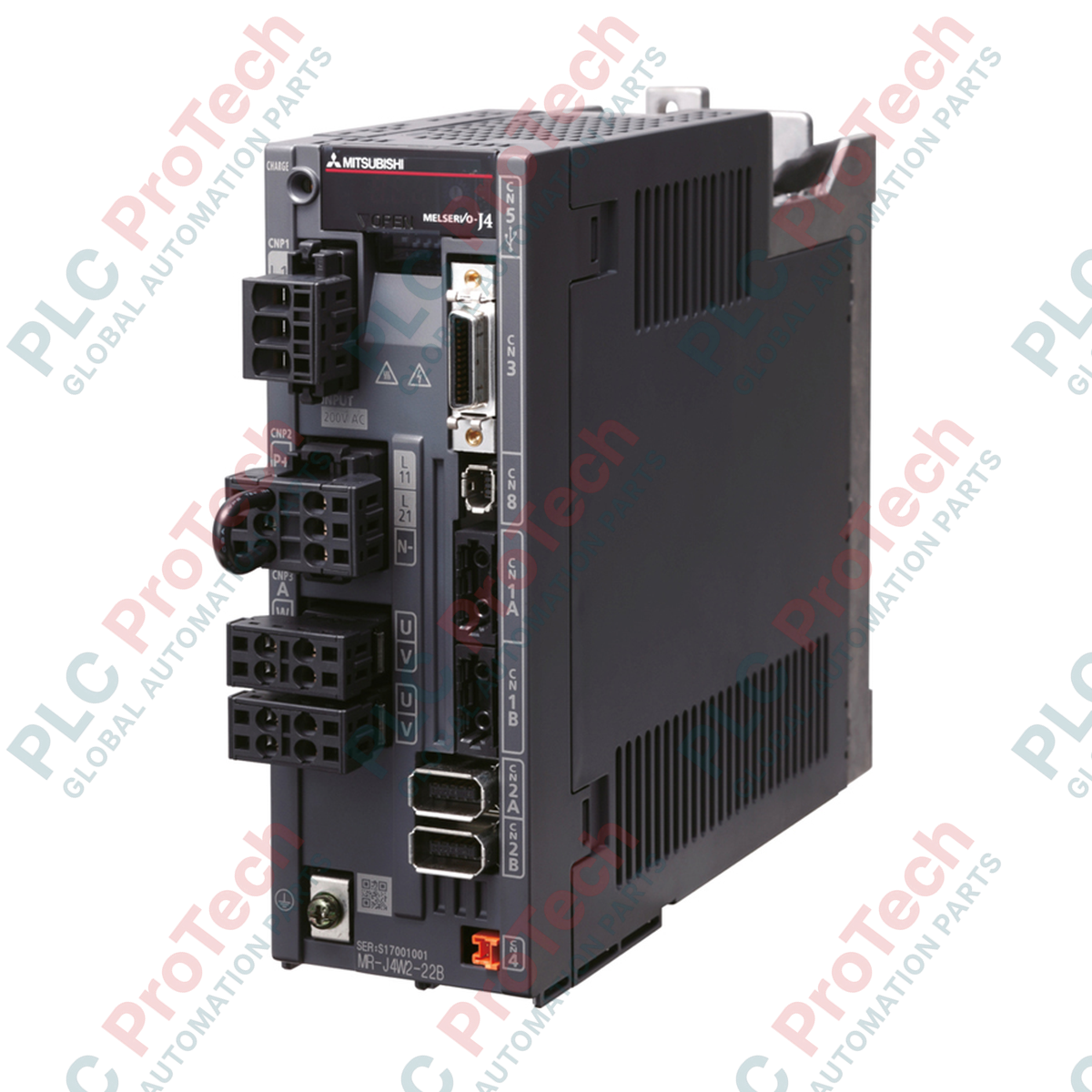
Tek bir alandan tasarruf sağlayan gövde içinde senkronize çok eksenli kontrol gerçekleştirmek üzere tasarlanan Mitsubishi Electric MR-J4W2-44B, MELSERVO-J4 platformunda çalışan çift eksenli dijital AC servo amplifikatörüdür. İki bağımsız 0,4 kW eksenin kontrol elektroniğini tek bir ünitede birleştiren bu cihaz, kontrol panosu kapladığı alanı önemli ölçüde azaltır, güç dağıtımını optimize eder ve ağ yönlendirmesini kolaylaştırır. Yüksek hızlı SSCNET III/H optik fiber iletişiminin entegrasyonu, ihmal edilebilir elektromanyetik parazit ile yüksek çözünürlüklü hareket senkronizasyonu sağlar ve bu da cihazı yüksek hızlı, çok eksenli otomatik montajlar için ideal bir seçenek hâline getirir.
| Üretici | Mitsubishi Electric |
| Model Numarası | MR-J4W2-44B |
| Seri Adı | MELSERVO-J4 (MR-J4) |
| Kontrol Edilen Eksenler | 2 Eksen (A Ekseni ve B Ekseni) |
| Nominal Çıkış Gücü | Eksen başına 0,4 kW (Toplam 0,8 kW) |
| İletişim Arayüzü | SSCNET III/H (Optik bağlantı) |
| Ana Devre Güç Kaynağı | 3 fazlı 200 ila 240 VAC, 50/60 Hz |
| Kontrol Devresi Güç Kaynağı | 1 fazlı 200 ila 240 VAC, 50/60 Hz |
| Enkoder Uyumluluğu | 22 bit mutlak/artımlı sistemler |
| Soğutma Yöntemi | Doğal soğutma |
| Ortam Çalışma Sıcaklığı | 0 ila 55 °C (donma olmadan) |
| Boyutlar (Y x G x D) | 195 mm x 60 mm x 168 mm |
| Net Ağırlık | 1,4 kg |
| Sevkiyat Ağırlığı (Hesaplanan) | 3,5 kg |
| Terminal / Konektör Kodu | İşlev Ataması |
|---|---|
| L1 / L2 / L3 | Ana devre güç kaynağı girişi (200-240 VAC) |
| L11 / L21 | Kontrol devresi güç kaynağı girişi |
| U / V / W (A Ekseni) | A Ekseni servo motoru çıkış terminalleri |
| U / V / W (Eksen B) | Eksen B için servo motor çıkış terminalleri |
| CN1A / CN1B | SSCNET III/H optik fiber halka konektörleri (Giriş/Çıkış) |
| CN2A / CN2B | Eksen A / Eksen B için enkoder bağlantı arabirimleri |
| CN8 | Fonksiyonel güvenlik sinyali konektörü (STO) |
MR-J4W2 serisi, MR-J4 ekosistemi içindeki çok eksenli yapılandırmalar için birincil platform olarak tasarlanmıştır. Eski MR-J3W ünitelerinden MR-J4W2 yapılandırmasına geçiş yaparken programlama yazılımı içinde (GX Works2 veya GX Works3 gibi) parametre çevirisinin gerekli olduğunu unutmayın. Fiziksel montaj ayak izleri tek eksenli ünitelerden biraz farklı olsa da bağımsız kontrol gücü kablolamasının ortadan kaldırılmasıyla elde edilen alan tasarrufu geçişi kolayca haklı çıkarır.
Eksen A ve Eksen B ortak bir dahili DC barasını paylaştığından, bir eksenin yavaşlaması sırasında oluşan rejeneratif enerji doğal olarak motor durumundaki ikinci eksen tarafından kullanılır. Ancak her iki eksen de aynı anda yüksek ataletle yavaşlarsa rejeneratif kapasite dahili kondansatörü hızla doyuma ulaştırabilir ve Aşırı Gerilim (AL.33) arızasını tetikleyebilir. Sürekli rejeneratif çevrimler veya yüksek yük ataleti bulunan uygulamalarda toplam sistem rejenerasyon gereksinimlerini daima hesaplayın ve L+ ile L- terminalleri arasına uygun kapasitede harici bir rejenerasyon direnci bağlayın.
SSCNET III/H optik fiber kablolarını (MR-J3BUS_M) döşerken 25 mm'lik minimum bükülme yarıçapını ihlal etmeyin. Fiber optik güzergâhta keskin bükülmeler veya aşırı kablo bağı gerginliği, ışık sinyalini zayıflatarak rastgele hat arızalarına (AL.37) veya iletişim hatalarına (AL.E6) yol açabilir. Toz ve nemin optik alıcı-verici merceğini kirletmesini önlemek için amplifikatörde kullanılmayan optik portları daima kapatın.
KRİTİK UYARI:
Elektrik çarpması ve artık yük boşalması riski. Fiziksel kuruluma veya kablolamaya başlamadan önce ana devre ve kontrol devresi güç kaynaklarının bağlantısını daima kesin. Kablo bağlantılarına dokunmadan önce, amplifikatörün ön yüzündeki dahili yük lambalarının tamamen sönmesi için güç kapatıldıktan sonra en az 15 dakika bekleyin.

Global Express Shipping
Returns & Warranty


Küresel Ekspres Kargo
İadeler ve Garanti
Siparişler Pazartesi-Cuma (resmi tatiller hariç) işlenir ve teslim edilir.
Tam uygunluk, stok yenileme ücretleri ve uluslararası iade detayları için lütfen resmi sayfamızı inceleyin İade ve Geri Ödeme Politikası .
| Country of origin |
Amerika Birleşik Devletleri
|

Beckhoff IPC üzerinde ilk TwinCAT PLC projesini oluşturun ve doğrulayın. Bu kontrol listesi hedef seçimini, EtherCAT keşfini, I/O eşlemesini, güvenli etkinleştirmeyi, yeniden başlatma testlerini ve...

KEPServerEX OPC UA bağlantıları için pratik devreye alma sırası: veri sahipliğini tanımlayın, etiketleri yerel olarak test edin, uç noktayı ve sertifika güvenini yapılandırın, erişimi sınırlandırın,...

Ethernet bağlantılı bir PLC’nin devreye alınması genellikle kontrol cihazıyla değil, dizüstü bilgisayarla başlar. Mevcut ayarları kaydetmeyi, geçici bir adres seçmeyi, bağlantıyı test etmeyi ve tesis...

Yanıcı toz kontrolleri alarmlardan fazlasını gerektirir. Toz oluşumunu haritalandırmayı, enstrümantasyon seçimini, kilitleme düzeneklerini tasarlamayı, geri bildirimin kesilmesi durumunu yönetmeyi,...

Hairpin sargılar oluk doluluk oranını artırır ve kompakt çekiş motorlarını destekler; ancak tasarımın hedeflerini karşılayıp karşılamadığını iletken geometrisi, AC kayıpları, yalıtım hasarı, kaynak...

OT riskini artırmadan SCADA sunucusu değişikliklerini standartlaştırmak için Ansible’ı kullanın. Bu kılavuz; envanterleri, idempotent playbook’ları, aşamalı testleri, kimlik bilgilerini, günlük...