


نخستین پروژه PLC توینکت روی یک IPC بکهوف
نخستین پروژه PLC در TwinCAT را روی یک IPC از شرکت Beckhoff ایجاد و تأیید کنید. این چکلیست انتخاب هدف، شناسایی EtherCAT، نگاشت ورودی/خروجی، فعالسازی ایمن، آزمایشهای راهاندازی مجدد و سوابق...
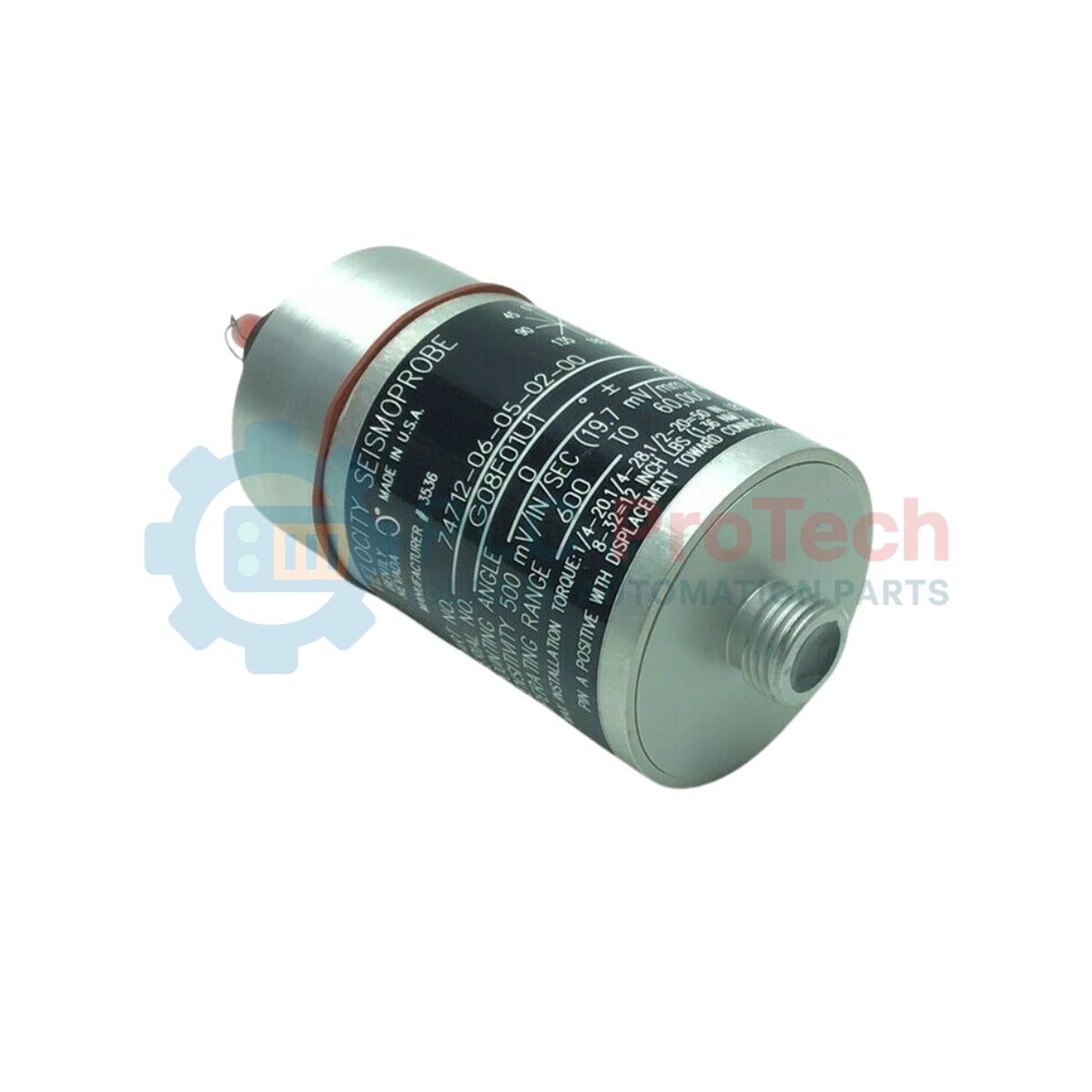
تولیدکننده: Bently Nevada
شماره محصول: 74712-06-05-02-00
کشور سازنده:ایالات متحده آمریکا
نوع محصول: مبدلهای سرعت لرزش Seismoprobe
پرداخت: حواله بانکی (T/T)، وسترن یونیون
وزن: 320g
بندر حمل و نقل: شیامن
گارانتی: ۱۲ ماه
این مبدل Bently Nevada 74712-06-05-02-00 که برای پایش پیوسته ارتعاش ماشینآلات در شرایط حرارتی صنعتی دشوار طراحی شده است، اندازهگیریهای دقیقی از سرعت بدنه ماشینآلات دوار حیاتی ارائه میدهد. این مبدل دمای بالا و دوسیمه بر پایه اصول طراحی سیمپیچ متحرک کار میکند و بدون نیاز به توان خارجی، ولتاژی متناسب با سرعت ارتعاش تولید میکند. پیکربندی مشخص این مدل 74712 Seismoprobe آن را برای تحلیل ارتعاش سازهای در توربینهای گاز، توربینهای بخار، پمپها و فنها، که دمای کاری آنها از محدوده استاندارد حسگرها فراتر میرود، بسیار مناسب میسازد.
| کد گزینه | نوع گزینه | شرح پیکربندی انتخابشده |
|---|---|---|
| 06 | زاویه نصب / فرکانس کاری | 0 درجه +/- 100 درجه، حداقل فرکانس کاری 10 هرتز (600 دور در دقیقه) |
| 05 | پایه نصب | بدون پایه؛ اتصال با استاد 1/2-20 UNF-3A |
| 02 | گزینه کانکتور | نصب از بالا |
| 00 | تأییدیه سازمان | بدون تأییدیه |
| سازنده | Bently Nevada (Baker Hughes) |
| سری مدل | 74712 سیسموپروب دمای بالا |
| شماره کامل قطعه | 74712-06-05-02-00 |
| نوع مبدل | حسگر سرعت سیمپیچ متحرکِ خودمولد |
| زاویه نصب | 0 درجه +/- 100 درجه (هدف نصب افقی) |
| حداقل فرکانس | 10 هرتز (600 دور در دقیقه) |
| اتصال مکانیکی | نصب با استاد یکپارچه 1/2-20 UNF-3A |
| اتصال الکتریکی | کانکتور چندپینِ نصبشده در بالا |
| گواهیهای مناطق پرخطر | ندارد (گزینه 00) |
| وزن ترانسدیوسر | معمولاً 480 گرم (17 اونس) |
| وزن حمل (محاسبهشده) | 1.5 کیلوگرم (3.3 پوند) |
سری 74712 بهعنوان جایگزینی تخصصی و دمابالا برای حسگرهای سرعت استاندارد مانند Bently Nevada 9200 عرضه میشود. مطمئن شوید پیکربندی سیستم پایش مربوطه (برای مثال Bently Nevada 3500/42M) با مشخصات الکتریکی مورد انتظار و مقادیر قطع فرکانس پایین ترانسدیوسر 74712 مطابقت دارد.
گزینه "06" محدودیت زاویه نصب افقی را تعیین میکند. تلاش برای نصب این واحد بهصورت عمودی (90 درجه نسبت به افق) باعث میشود سیمپیچ متحرک داخلی خارج از مرکز قرار گیرد و به قطعشدن سیگنال، خطاهای اندازهگیری و فرسایش مکانیکی زودرس داخلی منجر شود. برای جلوگیری از تخریب عایق سیمپیچ، محدوده دمای کاری باید در حدود فیزیکی مجموعههای داخلی ترانسدیوسر نگه داشته شود.
هنگام مسیردهی کابلها از کانکتور نصب از بالا، یک حلقه چکه مناسب و مهار کشش فراهم کنید. محیطهای با دمای بالا تنش مکانیکی ایجاد میکنند؛ بنابراین کابلهای زرهدار و شیلددار را باید به نقاط سازهای نزدیک بهطور محکم مهار کرد و نباید گذاشت از سر کانکتور آویزان بمانند.
پیش از سوراخکاری، قلاویزکاری یا نصب حسگر، ماشین را ایزوله کنید و مطمئن شوید در وضعیت بدون انرژی قرار دارد. ضربه فیزیکی یا گشتاور بیش از حد که مستقیماً هنگام نصب به بدنه ترانسدیوسر وارد شود، میتواند همراستایی داخلی سیمپیچ متحرک را بهطور دائمی آسیب بزند.
سطحی تمیز و صاف روی محفظه یاتاقان، عمود بر محور اندازهگیری موردنظر، آماده کنید.
بررسی کنید که رزوه نصب دقیقاً با مشخصات استاد 1/2-20 UNF-3A مطابقت داشته باشد.
در صورت الزام مشخصات کارخانه، ترکیب قفلکننده رزوه اعمال کنید و پایه ترانسدیوسر را فقط با سطوح آچار تخت سفت کنید. با گرفتن بدنه حسگر، آن را سفت نکنید.
کانکتور نصب از بالا را وصل کنید و برای جلوگیری از تداخل الکترومغناطیسی، شیلد کابل را به اتصال زمین رک پایش تعیینشده محکم کنید.

Global Express Shipping
Returns & Warranty


ارسال سریع جهانی
بازگشت کالا و گارانتی
سفارشها از دوشنبه تا جمعه پردازش و تحویل داده میشوند (به جز تعطیلات رسمی).
برای شرایط کامل واجد شرایط بودن، هزینههای بازگردانی و جزئیات بازگشت بینالمللی، لطفاً صفحه رسمی ما را مشاهده کنید سیاست بازپرداخت و بازگشت کالا .
| Country of origin |
ایالات متحده آمریکا
|

نخستین پروژه PLC در TwinCAT را روی یک IPC از شرکت Beckhoff ایجاد و تأیید کنید. این چکلیست انتخاب هدف، شناسایی EtherCAT، نگاشت ورودی/خروجی، فعالسازی ایمن، آزمایشهای راهاندازی مجدد و سوابق...

یک توالی عملی برای راهاندازی اتصالهای OPC UA در KEPServerEX: مالکیت دادهها را مشخص کنید، تگها را بهصورت محلی آزمایش کنید، نقطه پایانی و اعتماد به گواهی را پیکربندی کنید، دسترسی را محدود کنید،...

راهاندازی یک PLC متصل به اترنت اغلب با لپتاپ شروع میشود، نه کنترلر. یاد بگیرید چگونه تنظیمات موجود را ثبت کنید، یک نشانی موقت انتخاب کنید، اتصال را آزمایش کنید و پیکربندی شبکه کارخانه را با ایمنی...

کنترل گردوغبار قابلاشتعال به چیزی فراتر از هشدارها نیاز دارد. بیاموزید چگونه تولید گردوغبار را نقشهبرداری کنید، تجهیزات اندازهگیری را انتخاب کنید، اینترلاکها را طراحی کنید، با بازخوردهای ناموفق...

سیمپیچیهای هِیرپین ضریب پُرشدگی شیار را افزایش میدهند و از موتورهای کششیِ فشرده پشتیبانی میکنند، اما هندسهٔ هادی، تلفات جریان متناوب، آسیب عایق، کیفیت جوش و خنککاری تعیین میکنند که آیا طراحی به...

از Ansible برای استانداردسازی تغییرات سرورهای SCADA بدون افزایش ریسک OT استفاده کنید. این راهنما موجودیها، پلیبوکهای ایدمپوتنت، آزمایش مرحلهای، اعتبارنامهها، ثبت گزارشها و کنترلهای عملی بازگشت...