


راهاندازی شبکههای AS-Interface بدون حدسوگمان
یک روش عملی راهاندازی AS-Interface که توپولوژی، بررسیهای توان و افت ولتاژ، آدرسدهی، نگاشت PLC، آزمون خطا و سوابق نگهداری را برای شبکههای مطمئن عملگر-حسگر پوشش میدهد.
تولیدکننده: BECKHOFF
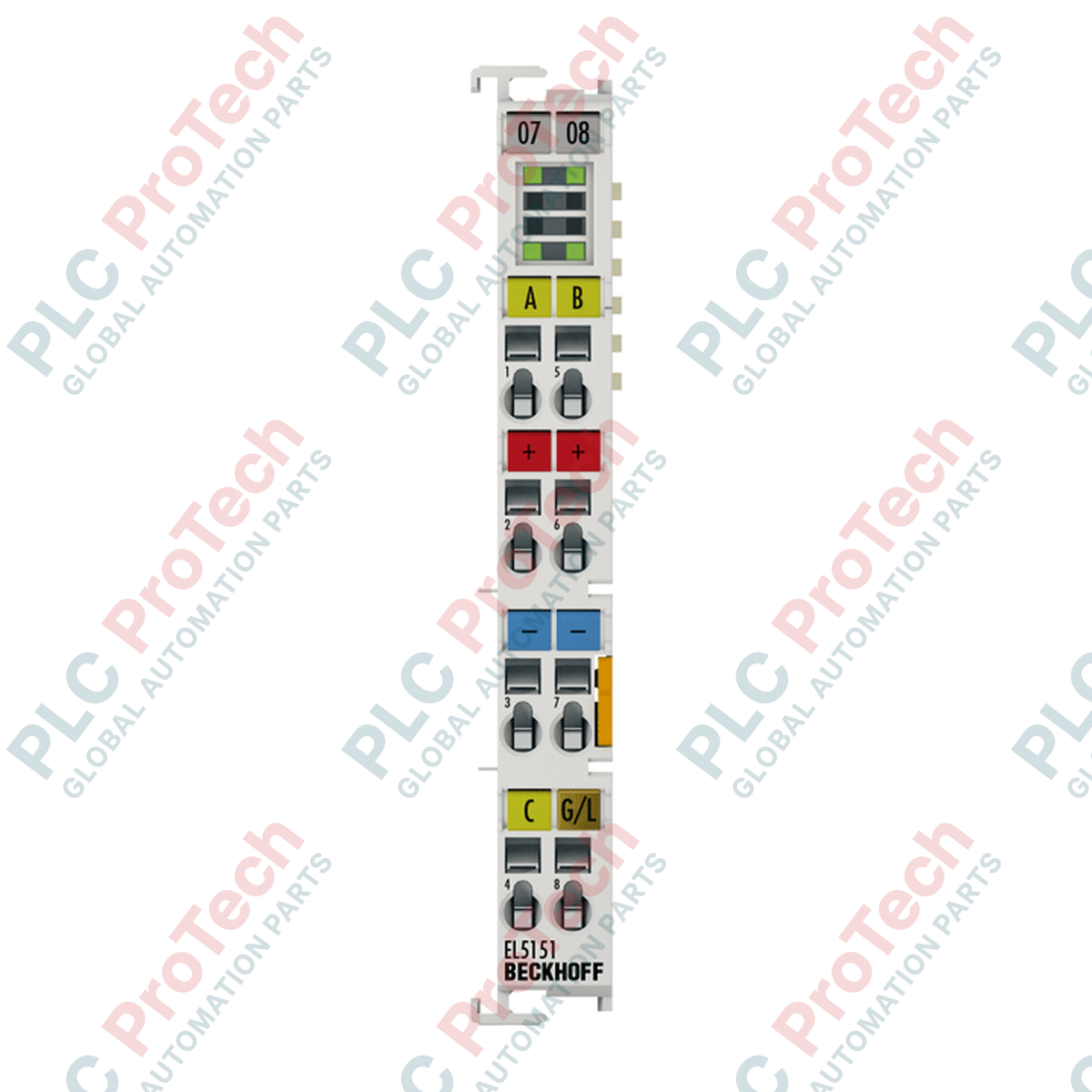
شماره محصول: EL5151
کشور سازنده:آلمان
نوع محصول: ماژولهای ترمینال EtherCAT
پرداخت: حواله بانکی (T/T)، وسترن یونیون
وزن: 1500g
ابعاد: ۱۰۰ میلیمتر × ۱۵ میلیمتر × ۷۰ میلیمتر
بندر حمل و نقل: شیامن
گارانتی: ۱۲ ماه
Beckhoff EL5151 با پردازش مستقیم سیگنالهای انکودر ۲۴ ولت DC در سامانه ترمینال EtherCAT، اندازهگیری دقیق موقعیت و فرکانس را برای کاربردهای کنترل حرکت صنعتی امکانپذیر میکند. این ماژول بهعنوان رابطی برای اتصال مستقیم انکودرهای افزایشی با خروجیهای ۲۴ ولت عمل کرده و وضعیت شمارنده را از طریق E-bus به کنترلکننده سطح بالاتر منتقل میکند.
| پارامتر | مقدار |
|---|---|
| سازنده | Beckhoff |
| شماره مدل | EL5151 |
| تعداد کانالها | 1 |
| اتصال انکودر | A، B، C، ورودی گیت/لچ ۲۴ ولت DC، ۲۴ ولت / ۰ ولت |
| ورودیهای حسگر | 1 |
| ولتاژ کاری انکودر | ۲۴ ولت DC |
| شمارنده | ۱ × ۱۶/۳۲ بیت (قابلتغییر) |
| فرکانس ورودی | حداکثر ۴۰۰٬۰۰۰ ریزافزایش در ثانیه (با ارزیابی چهاربرابری) |
| رمزگشای کوادراتور | ارزیابی چهاربرابری |
| سیگنال ورودی | ۲۴ ولت DC |
| ولتاژ تغذیه | ۲۴ ولت DC (۱۵٪- / ۲۰٪+) |
| ولتاژ نامی | ۲۴ ولت DC در کنتاکت تغذیه |
| تفکیکپذیری | ریزافزایشهای ۱/۲۵۶ بیتی |
| مصرف جریان E-bus | معمولاً ۱۳۰ میلیآمپر |
| دمای عملیاتی | ۲۵- تا ۶۰+ درجه سانتیگراد |
| دمای نگهداری | ۴۰- تا ۸۵+ درجه سانتیگراد |
| رطوبت نسبی | ۹۵٪، بدون میعان |
| ابعاد (ارتفاع × عرض × عمق) | تقریباً ۱۰۰ میلیمتر × ۱۵ میلیمتر × ۷۰ میلیمتر |
| وزن حمل (محاسبهشده) | ۱٫۵ کیلوگرم (شامل بستهبندی محافظ) |
| اتصال ترمینال | اختصاص سیگنال |
|---|---|
| ورودی A | سیگنال A انکودر (۲۴ V DC) |
| ورودی B | سیگنال B انکودر (۲۴ V DC) |
| ورودی C | پالس صفر انکودر / سیگنال لچ C (۲۴ V DC) |
| گیت/لچ | ورودی گیت یا لچ خارجی (۲۴ V DC) |
| ۲۴ V / ۰ V | نقاط تغذیه سنسور انکودر |
EL5151 بهطور اختصاصی برای سیگنالهای انکودر HTL، تکپایانهای، ۲۴ V طراحی شده است. اگر سیستم شما از سیگنالهای TTL تفاضلی ۵ V (RS422) استفاده میکند، باید بهجای آن از EL5101 یا EL5152 استفاده کنید. برای جلوگیری از خطاهای گذار ماشین حالت EtherCAT، مانند «گذار SAFEOP به OP ناموفق بود»، مطمئن شوید پیکربندی TwinCAT با بازبینی سختافزاری ترمینال مطابقت دارد.
هنگام کار نزدیک به حداکثر فرکانس ورودی ۴۰۰ kHz، افت کیفیت سیگنال ناشی از ظرفیت خازنی کابل یکی از نقاط رایج خرابی است. مطمئن شوید سیگنالهای انکودر ۲۴ V لبههای بالارونده و پایینرونده تمیز و تیزی دارند. نویز فرکانسبالا روی خطوط سیگنال میتواند باعث شود رمزگشای کوادراتور شمارشهای کاذب ثبت کند و در نتیجه موقعیتگیری دچار خطا شود.
برای تمام اتصالات انکودر، همیشه از کابل زوجتابیده شیلددار (STP) استفاده کنید. شیلد کابل باید در نقطه ورود به تابلو کنترل، با استفاده از گیرههای شیلد با امپدانس پایین، به زمین متصل شود. عمق شمارنده (۱۶ بیت در برابر ۳۲ بیت) را در TwinCAT System Manager، در فهرست آنلاین CoE (CAN over EtherCAT)، طوری پیکربندی کنید که با نگاشت متغیرهای PLC مطابقت داشته باشد.
هشدار حیاتی
پیش از وارد کردن ترمینال به مجموعه باس یا خارج کردن آن، کل سیستم را بیبرق کنید. ایزوله نکردن کنتاکتهای تغذیه ۲۴ V DC و منبع تغذیه E-bus میتواند به رابط باس داخلی و ماژولهای مجاور آسیب دائمی وارد کند.
ترمینال را با همراستا کردن شیار راهنما و لغزاندن محکم آن تا شنیدهشدن صدای کلیک مکانیزم قفل، روی ریل استاندارد ۳۵ میلیمتری DIN (EN 60715) نصب کنید.
پیش از بههمفشردن ترمینالهای مجاور، مطمئن شوید کنتاکتهای طلایی E-bus نصبشده در کنار، تمیز و عاری از هرگونه آلودگی هستند.
سیمهای انکودر را با استفاده از پیچگوشتی مناسب وصل کنید تا گیرههای فنری آزاد شوند. سرِ لخت سیم را وارد کرده و گیره را رها کنید تا اتصال محکم شود.

Global Express Shipping
Returns & Warranty
ارسال سریع جهانی
بازگشت کالا و گارانتی
سفارشها از دوشنبه تا جمعه پردازش و تحویل داده میشوند (به جز تعطیلات رسمی).
برای شرایط کامل واجد شرایط بودن، هزینههای بازگردانی و جزئیات بازگشت بینالمللی، لطفاً صفحه رسمی ما را مشاهده کنید سیاست بازپرداخت و بازگشت کالا .
| Country of origin |
آلمان
|

یک روش عملی راهاندازی AS-Interface که توپولوژی، بررسیهای توان و افت ولتاژ، آدرسدهی، نگاشت PLC، آزمون خطا و سوابق نگهداری را برای شبکههای مطمئن عملگر-حسگر پوشش میدهد.

بیاموزید راکتورهای خط، فیلترهای هارمونیک، راکتورهای خروجی، فیلترهای dV/dt و فیلترهای سینوسی چگونه مشکلات مختلف کیفیت توان و کابل موتور درایوهای فرکانس متغیر (VFD) را برطرف میکنند و چگونه آنها را با...

بیاموزید که حالتهای روشنفعال و تاریکفعالِ حسگرهای فوتوالکتریک چگونه با حسگریِ پرتو عبوری، بازتابی و پراکنده، سیمکشی PNP/NPN، منطق PLC، راهاندازی و تشخیص خطا تعامل دارند.

راهنمایی عملی برای درایوهای موتور با پل H، شامل حالتهای سوئیچینگ، زمان مرده، مسیرهای جریان القایی، انتخابهای PWM، حفاظت، چیدمان PCB، رابط PLC و آزمونهای راهاندازی مرحلهای.

یاد بگیرید دستورهای STL و RET در PLC میتسوبیشی FX چگونه توالیهای نوار نقاله و پنوماتیک را ساختاربندی میکنند؛ همراه با طراحی عملی حالتها، منطق انتقال، زمانسنجیهای انقضا، عیبیابی و مرزهای...

راهنمای عملی انتخاب، سیمکشی و عیبیابی کانکتورهای شیرِ سبک DIN، شامل شناسایی فرم، ولتاژ سیمپیچ، سرکوب نوسانات، قطبیت، آببندی، تأثیرات زمان رهاسازی و بررسیهای راهاندازی.