


پیادهسازی منطق نردبانی XOR سهکلیده با بیت داخلی
مدار روشنایی XOR با کلید ۳-SPST را در LogixPro یا RSLogix 500 با استفاده از یک بیت رله داخلی پیادهسازی کنید. شامل جدولهای درستی، معادلات بولی و تأییدشده است.

Beckhoff IP2020-B200 که برای اتوماسیون صنعتی توزیعشده و مصون از نویز طراحی شده است، از طریق یک رابط فیبر نوری پرسرعت، پیوندهای مستحکم بین گرههای کنترلی ایجاد میکند. این ماژول که بهعنوان یک Fieldbus Box غیرمتمرکز عمل میکند، بهصورت یکپارچه در توپولوژیهای حلقهای Lightbus ادغام میشود و سرعت انتقال سریع ۲٫۵ مگاباد را روی خطوط فیبر نوری ارائه میدهد. طراحی آن ایزولاسیون گالوانیکی ذاتی و مصونیت کامل در برابر تداخل الکترومغناطیسی (EMI) را فراهم میکند و آن را برای محیطهای تولیدی سنگین ایدئال میسازد. این ماژول از رابطهای اتصال M8 استاندارد برای مسیردهی توان کنترلی استفاده میکند و به سوکتهای تخصصی فیبر نوری مجهز است که برای سازگاری با اتصال مستقیم طراحی شدهاند.
| پارامتر | مقدار مشخصه |
|---|---|
| تولیدکننده | Beckhoff |
| نام مدل | IP2020-B200 |
| رابط باس | ۲ سوکت فیبر نوری برای دوشاخه ZS1020-0010 |
| نرخ انتقال داده | ۲٫۵ مگاباد |
| ولتاژ تغذیه کنترلی | ۲۴ ولت DC (۱۵٪- / ۲۰٪+) |
| کانکتور تغذیه برق | ۱ سوکت نری M8، چهارپین |
| کانکتور برق خروجی | ۱ سوکت مادگی M8، چهارپین |
| ایزولاسیون الکتریکی | ولتاژ کنترلی به فیلدباس: بله |
| دمای عملیاتی | ۰ درجهٔ سانتیگراد تا ۵۵ درجهٔ سانتیگراد |
| دمای نگهداری | ۲۵- درجهٔ سانتیگراد تا ۸۵ درجهٔ سانتیگراد |
| درجه حفاظت در برابر نفوذ | IP65 / IP66 / IP67 (مطابق با EN 60529) |
| مقاومت در برابر ارتعاش | مطابق با EN 60068-2-6 |
| مقاومت در برابر ضربه | مطابق با EN 60068-2-27 |
| استانداردها و تأییدیهها | CE، UL |
| وزن خالص | حدود ۲۵۰ گرم |
| وزن حمل (محاسبهشده) | ۰٫۵۵ کیلوگرم (شامل مواد بستهبندی) |
| پین ترمینال M8 | تخصیص مدار | شرح عملکرد |
|---|---|---|
| پین 1 | +24 V DC Us | ولتاژ تغذیه کنترلی برای تجهیزات الکترونیکی داخلی |
| پین 2 | +24 V DC Up | ولتاژ تغذیه کمکی/بار برای حسگرها/عملگرها |
| پین 3 | GND Us | زمین مرجع تجهیزات الکترونیکی کنترلی |
| پین 4 | GND Up | زمین مرجع مدارهای تغذیه حسگر/عملگر |
IP2020-B200 به پروتکل استاندارد Lightbus شرکت Beckhoff (کارتهای PCI مدل II2001 یا FC2001) متکی است. در صورت مهاجرت به زیرساخت مبتنی بر EtherCAT، переход به جعبههای فیلد سری EP (برای نمونه EP1111 یا EP2028-0002) را در نظر بگیرید. برای نگهداری حلقههای نوری قدیمی، چند دوشاخه فیبر نوری پلاستیکی ZS1020-0010 یدکی در دسترس داشته باشید، زیرا همترازی اتصال برای حفظ بودجه سیگنال در گرههای متوالی حیاتی است.
فیبرهای نوری پلاستیکی (POF) باید با استفاده از یک برشدهنده اختصاصی فیبر نوری (مانند Beckhoff ZS1023-0003) کاملاً عمود بر محور بریده شوند. برشهای ناهموار یا مورب باعث تضعیف شدید نوری میشوند و افت متناوب بستهها و کدهای خطای سیستم را در کنترلر اصلی ایجاد میکنند. برای جلوگیری از آسیب دائمی ناشی از تنش به هسته فیزیکی، حداقل شعاع خم 25 میلیمتر را برای فیبر نوری رعایت کنید.
هنگام پیکربندی آدرسهای گره از طریق KS2000، مطمئن شوید نرخ بود سیستم رابط رایانه به گره با مقدار پیشفرض سختافزار مطابقت دارد. هنگام بررسی بودجه توان نوری، از پرچمهای وضعیت ثبات تشخیصی در کلمه کنترلی PLC برای تأیید کیفیت لینک نوری، پیش از قرار دادن سیستم در حالت کاری پربازده، استفاده کنید.
IP2020-B200 را با استفاده از پیچهای نصب صنعتی M4، محکم روی سطح یک پنل تخت و صلب یا قاب دستگاه نصب کنید. به بدنه نیروی مکانیکی وارد نکنید.
دوشاخههای فیبر نوری (ZS1020-0010) را در درگاههای نوری اختصاصی وارد کنید. مطمئن شوید که دوشاخهها کاملاً در جای خود نشستهاند و غلاف نگهدارنده با صدای کلیک قفل شده یا محکم شده است.
کابلهای برق کمکی M8 چهارپین را به درگاه ورودی نری وصل کنید. حلقه اتصال رزوهای M8 را با گشتاور 0.4 نیوتنمتر سفت کنید تا آببندی رطوبتی IP67 تضمین شود.
در صورت راهاندازی ماژولهای پاییندستی، برق را از درگاه مادگی M8 با استفاده از کابلکشی صنعتی شیلددار منتقل کنید. هر درگاه استفادهنشده را با درپوش پلاستیکی محافظ IP67 آببندی کنید.
Global Express Shipping
Returns & Warranty

تولیدکننده: BECKHOFF
شماره محصول: IP2020-B200
کشور سازنده:آلمان
نوع محصول: ماژولهای جعبه Fieldbus
پرداخت: حواله بانکی (T/T)، وسترن یونیون
وزن: 500g
بندر حمل و نقل: شیامن
گارانتی: ۱۲ ماه
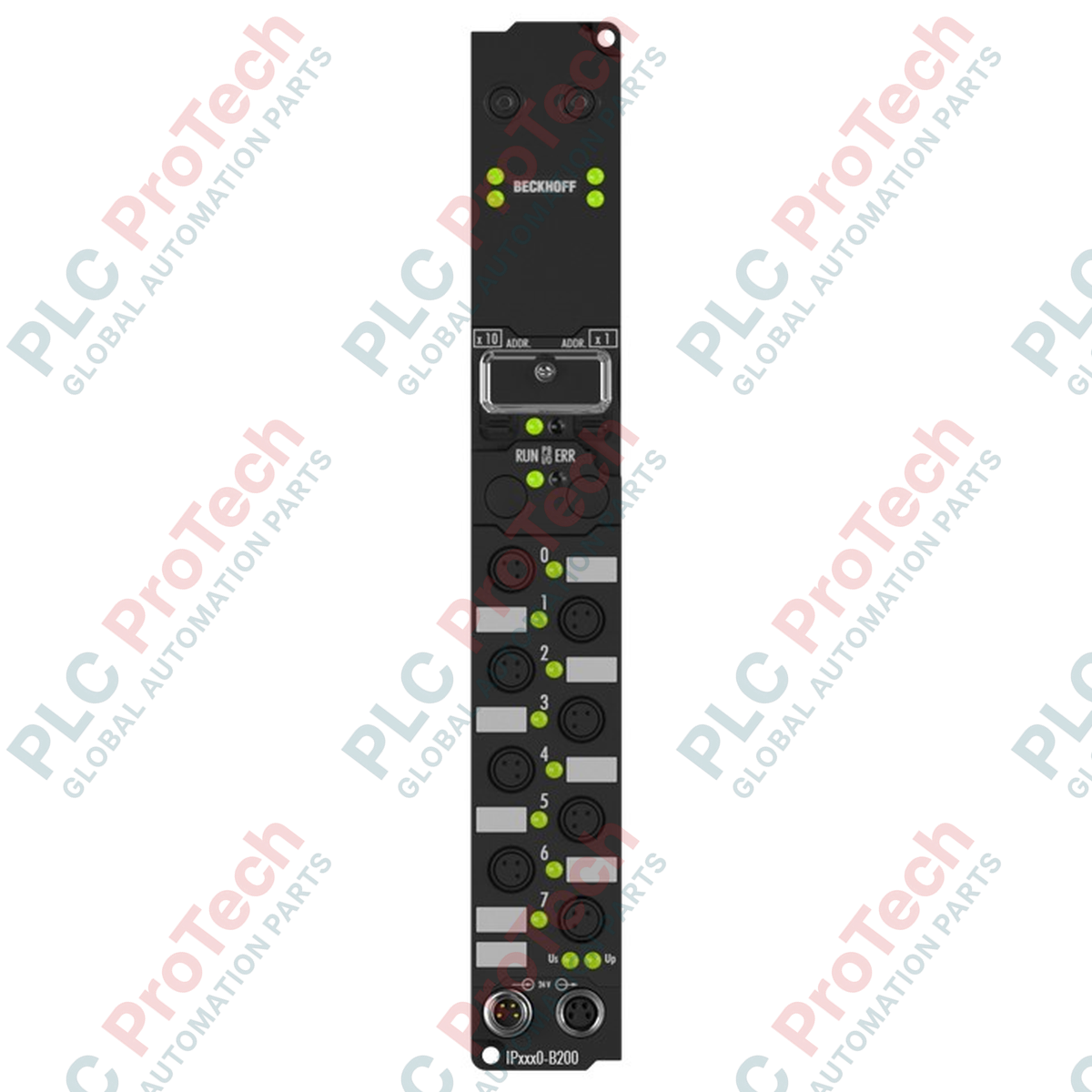
Beckhoff IP2020-B200 که برای اتوماسیون صنعتی توزیعشده و مصون از نویز طراحی شده است، از طریق یک رابط فیبر نوری پرسرعت، پیوندهای مستحکم بین گرههای کنترلی ایجاد میکند. این ماژول که بهعنوان یک Fieldbus Box غیرمتمرکز عمل میکند، بهصورت یکپارچه در توپولوژیهای حلقهای Lightbus ادغام میشود و سرعت انتقال سریع ۲٫۵ مگاباد را روی خطوط فیبر نوری ارائه میدهد. طراحی آن ایزولاسیون گالوانیکی ذاتی و مصونیت کامل در برابر تداخل الکترومغناطیسی (EMI) را فراهم میکند و آن را برای محیطهای تولیدی سنگین ایدئال میسازد. این ماژول از رابطهای اتصال M8 استاندارد برای مسیردهی توان کنترلی استفاده میکند و به سوکتهای تخصصی فیبر نوری مجهز است که برای سازگاری با اتصال مستقیم طراحی شدهاند.
| پارامتر | مقدار مشخصه |
|---|---|
| تولیدکننده | Beckhoff |
| نام مدل | IP2020-B200 |
| رابط باس | ۲ سوکت فیبر نوری برای دوشاخه ZS1020-0010 |
| نرخ انتقال داده | ۲٫۵ مگاباد |
| ولتاژ تغذیه کنترلی | ۲۴ ولت DC (۱۵٪- / ۲۰٪+) |
| کانکتور تغذیه برق | ۱ سوکت نری M8، چهارپین |
| کانکتور برق خروجی | ۱ سوکت مادگی M8، چهارپین |
| ایزولاسیون الکتریکی | ولتاژ کنترلی به فیلدباس: بله |
| دمای عملیاتی | ۰ درجهٔ سانتیگراد تا ۵۵ درجهٔ سانتیگراد |
| دمای نگهداری | ۲۵- درجهٔ سانتیگراد تا ۸۵ درجهٔ سانتیگراد |
| درجه حفاظت در برابر نفوذ | IP65 / IP66 / IP67 (مطابق با EN 60529) |
| مقاومت در برابر ارتعاش | مطابق با EN 60068-2-6 |
| مقاومت در برابر ضربه | مطابق با EN 60068-2-27 |
| استانداردها و تأییدیهها | CE، UL |
| وزن خالص | حدود ۲۵۰ گرم |
| وزن حمل (محاسبهشده) | ۰٫۵۵ کیلوگرم (شامل مواد بستهبندی) |
| پین ترمینال M8 | تخصیص مدار | شرح عملکرد |
|---|---|---|
| پین 1 | +24 V DC Us | ولتاژ تغذیه کنترلی برای تجهیزات الکترونیکی داخلی |
| پین 2 | +24 V DC Up | ولتاژ تغذیه کمکی/بار برای حسگرها/عملگرها |
| پین 3 | GND Us | زمین مرجع تجهیزات الکترونیکی کنترلی |
| پین 4 | GND Up | زمین مرجع مدارهای تغذیه حسگر/عملگر |
IP2020-B200 به پروتکل استاندارد Lightbus شرکت Beckhoff (کارتهای PCI مدل II2001 یا FC2001) متکی است. در صورت مهاجرت به زیرساخت مبتنی بر EtherCAT، переход به جعبههای فیلد سری EP (برای نمونه EP1111 یا EP2028-0002) را در نظر بگیرید. برای نگهداری حلقههای نوری قدیمی، چند دوشاخه فیبر نوری پلاستیکی ZS1020-0010 یدکی در دسترس داشته باشید، زیرا همترازی اتصال برای حفظ بودجه سیگنال در گرههای متوالی حیاتی است.
فیبرهای نوری پلاستیکی (POF) باید با استفاده از یک برشدهنده اختصاصی فیبر نوری (مانند Beckhoff ZS1023-0003) کاملاً عمود بر محور بریده شوند. برشهای ناهموار یا مورب باعث تضعیف شدید نوری میشوند و افت متناوب بستهها و کدهای خطای سیستم را در کنترلر اصلی ایجاد میکنند. برای جلوگیری از آسیب دائمی ناشی از تنش به هسته فیزیکی، حداقل شعاع خم 25 میلیمتر را برای فیبر نوری رعایت کنید.
هنگام پیکربندی آدرسهای گره از طریق KS2000، مطمئن شوید نرخ بود سیستم رابط رایانه به گره با مقدار پیشفرض سختافزار مطابقت دارد. هنگام بررسی بودجه توان نوری، از پرچمهای وضعیت ثبات تشخیصی در کلمه کنترلی PLC برای تأیید کیفیت لینک نوری، پیش از قرار دادن سیستم در حالت کاری پربازده، استفاده کنید.
IP2020-B200 را با استفاده از پیچهای نصب صنعتی M4، محکم روی سطح یک پنل تخت و صلب یا قاب دستگاه نصب کنید. به بدنه نیروی مکانیکی وارد نکنید.
دوشاخههای فیبر نوری (ZS1020-0010) را در درگاههای نوری اختصاصی وارد کنید. مطمئن شوید که دوشاخهها کاملاً در جای خود نشستهاند و غلاف نگهدارنده با صدای کلیک قفل شده یا محکم شده است.
کابلهای برق کمکی M8 چهارپین را به درگاه ورودی نری وصل کنید. حلقه اتصال رزوهای M8 را با گشتاور 0.4 نیوتنمتر سفت کنید تا آببندی رطوبتی IP67 تضمین شود.
در صورت راهاندازی ماژولهای پاییندستی، برق را از درگاه مادگی M8 با استفاده از کابلکشی صنعتی شیلددار منتقل کنید. هر درگاه استفادهنشده را با درپوش پلاستیکی محافظ IP67 آببندی کنید.
ارسال سریع جهانی
بازگشت کالا و گارانتی
سفارشها از دوشنبه تا جمعه پردازش و تحویل داده میشوند (به جز تعطیلات رسمی).
برای شرایط کامل واجد شرایط بودن، هزینههای بازگردانی و جزئیات بازگشت بینالمللی، لطفاً صفحه رسمی ما را مشاهده کنید سیاست بازپرداخت و بازگشت کالا .
| Country of origin |
آلمان
|

مدار روشنایی XOR با کلید ۳-SPST را در LogixPro یا RSLogix 500 با استفاده از یک بیت رله داخلی پیادهسازی کنید. شامل جدولهای درستی، معادلات بولی و تأییدشده است.

Allen-Bradley CompactLogix، تابلوهای انتقال خودکار Caterpillar و ژنراتورها را از طریق Modbus RTU در سیستم کنترل توزیعشده DeltaV یکپارچه کنید. این محتوا ProSoft MVI69-MCM و گیتویهای Miille DIN266...

دستور ONS اجرا میشود، اما کویل OTE در Studio 5000 هرگز لچ نمیشود، زیرا وانشات فقط در یک اسکن درست است. در عوض از OTL/OTU یا منطق خودنگهدار استفاده کنید.

درایوهای سرو Kinetix 5500 از Allen-Bradley را روی EtherNet/IP پیکربندی کنید. این دوره مباحث CIP Sync، زمانبندی IEEE 1588 V2، انتخاب Stratix، توپولوژی DLR و HMI را پوشش میدهد.

فیلتر میانگین متحرک، هموارساز پنجرهای لغزان است که بیشتر مهندسان ابزار دقیق آن را در مسیرهای آنالوگ DCS و PLC به کار میبرند. در اینجا نحوه کار پنجره، تأثیر N و زمان نمونهبرداری بر تأخیر، و زمان...

در توربینهای گازی Frame 5 تا 9، سیستمهای GE Mark VI و Mark VIe کنترل را بهصورت نرمافزار کاربردی مبتنی بر بلوکهای تابع اجرا میکنند. این مقاله عملکردهای فرایندی، حفاظتی و توالیگذاری را بررسی...