


تعویض Beckhoff EL4032: سیمکشی و بررسی خروجیها
چکلیست میدانی برای تعویض Beckhoff EL4032، شامل بار ±10 V، نقشه ترمینالها، کنتاکتهای برق، وضعیت EtherCAT و عملکرد واچداگ.
تولیدکننده: Bently Nevada
شماره محصول: 177314-01
کشور سازنده:ایالات متحده آمریکا
نوع محصول: کیتهای تست سیستم مجاورتی
پرداخت: حواله بانکی (T/T)، وسترن یونیون
وزن: 320g
ابعاد: 19.5 سانتیمتر x 29.9 سانتیمتر x 24.8 سانتیمتر
بندر حمل و نقل: شیامن
گارانتی: ۱۲ ماه
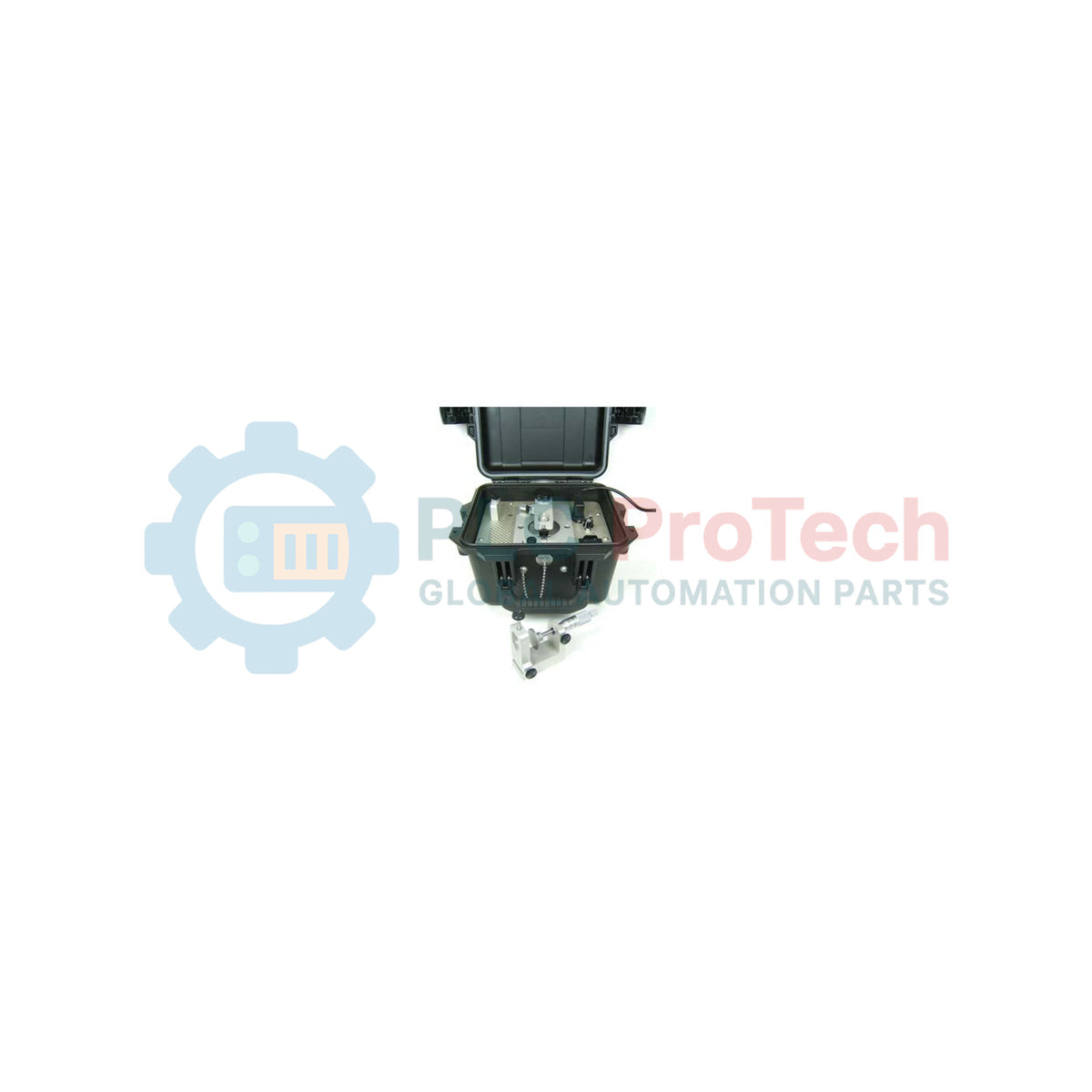
Bently Nevada 177314-01 که برای تأیید میدانی و کالیبراسیون بسیار قابلاعتماد سامانههای مبدل مجاورتی مهندسی شده است، بهعنوان یک شبیهساز مکانیکی با محرک هوا عمل میکند که حرکت ایستا و پویای محور را بازتولید میکند. این ابزار کالیبراسیون از یک منبع هوای فشرده برای به حرکت درآوردن موتور داخلی خود استفاده میکند و همین امر آن را به گزینهای ذاتاً ایمنتر برای مکانهای خطرناکی تبدیل میکند که در آنها توان الکتریکی محدود یا ممنوع است. این دستگاه با میکرومتر مقیاس انگلیسی کالیبرهشده بر حسب میل، به مهندسان سایت امکان میدهد منحنیهای کالیبراسیون پروب مجاورتی (ولتاژ در برابر فاصله) را با دقت ترسیم کنند و عملکرد الکتریکی حلقههای پایش ارتعاش را پیش از راهاندازی یا پس از توقفهای تعمیر و نگهداری بررسی کنند.
| پارامتر | مقدار مشخصه |
|---|---|
| سازنده | Bently Nevada |
| شماره مدل / SKU | 177314-01 |
| گونه ابزار | TK-3g با محرک هوا |
| واحدهای کالیبراسیون مقیاس | انگلیسی (میل / هزارم اینچ) |
| حداکثر فشار تأمین هوا | 90 psi (6.2 bar) حداکثر |
| محدوده سرعت عملیاتی | 0 تا 5000 cpm (چرخه در دقیقه) +/- 1000 cpm |
| درجه حفاظت محفظه در برابر عوامل محیطی | IP54 (هنگامی که درپوش محافظ بسته است) |
| محدوده دمای عملیاتی | 0 درجه سانتیگراد تا 54 درجه سانتیگراد (32 درجه فارنهایت تا 130 درجه فارنهایت) |
| محدوده دمای نگهداری | -18 درجه سانتیگراد تا 65 درجه سانتیگراد (0 درجه فارنهایت تا 150 درجه فارنهایت) |
| رطوبت نسبی | رطوبت 95% بدون میعان |
| ابعاد فیزیکی (ارتفاع x عرض x عمق) | 19.5 سانتیمتر x 29.9 سانتیمتر x 24.8 سانتیمتر |
| وزن خالص دستگاه | 5.22 کیلوگرم |
| وزن حمل (محاسبهشده) | 8.00 کیلوگرم |
| کشور مبدأ | ایالات متحده (U.S.A.) |
| درگاه / جزء رابط | شرح عملکرد و قاعده اتصال |
|---|---|
| درگاه ورودی پنوماتیکی | اتصال سریع استاندارد برای هوای تأمین تمیز، خشک و تنظیمشده (حداکثر فشار 90 psi). |
| شیر کنترل سوزنی | رگلاتور دستی جریان هوا برای تغییر سرعت چرخش صفحه نوسان دینامیکی (0 تا 5000 cpm). |
| پایه نگهدارنده پروب مجاورتی | فیکسچر مکانیکی قابل تنظیمی که پروب را مستقیماً بالای صفحه نوسان هدف یا اسپیندل میکرومتر قرار میدهد. |
مدل پنوماتیکی 177314-01 TK-3g، جایگزین عملیاتی مستقیم مدل برقی TK-3e است. در حالی که TK-3e به ولتاژ AC محلی نیاز دارد (که در مناطق خطرناک نگرانیهای ایمنی الکتریکی ایجاد میکند)، 177314-01 کاملاً با هوای فشرده کار میکند. هر دو سیستم از آداپتورهای فیزیکی یکسانی برای نگهداشتن پروبهای مجاورتی سری Bently Nevada 3300 XL و 7200 استفاده میکنند. اطمینان حاصل کنید که این دستگاه با رویههای استاندارد کالیبراسیون کارخانه شما مطابقت داشته باشد - این دستگاه از واحدهای اندازهگیری انگلیسی (mils) استفاده میکند؛ اگر سایت شما با ابعاد متریک کار میکند، باید گونه متریک TK-3g را انتخاب کنید.
یکی از مشکلات عمدهای که در محل کار با کالیبراتورهای پنوماتیکی مشاهده میشود، آلودگی هوای تأمینشده است. رطوبت، روغن یا ذرات معلق موجود در خط هوای تأمین، بهمرورزمان موتور پنوماتیکی داخلی را فرسوده میکنند و باعث سرعت چرخش نامنظم یا گیرپاژ زودهنگام اسپیندل میشوند. پیش از اتصال هوای تأمین به دستگاه، همیشه یک فیلتر رگلاتور خطی ۵ میکرونی برای حذف ذرات و رطوبت نصب کنید. همچنین، عبور از آستانه 90 psi میتواند باعث افزایش شدید سرعت صفحه نوسان دینامیکی شود و در نتیجه، سایش یاتاقانهای مکانیکی و احتمال ناهماهنگی دیسک هدف را به دنبال داشته باشد.
هنگام انجام بررسی کالیبراسیون ایستا، پروب مجاورتی را عمود بر سطح میکرومتر نصب کنید. یقه نگهدارنده پروب را محکم کنید، اما بیش از حد گشتاور ندهید؛ زیرا این کار میتواند غلاف پروب را تغییر شکل دهد و باعث قرائتهای نادرست ولتاژ شود. هنگام ترسیم منحنی، میکرومتر را با گامهای 10 mil (0.010 اینچ) حرکت دهید و ولتاژ شکاف DC متناظر را از حسگر پروکسیمیتور ثبت کنید. برای دستیابی به نتایج بسیار دقیق، بررسی کنید که جنس دیسک هدف در TK-3g با جنس هدف ماشینآلات عملیاتی شما مطابقت داشته باشد (معمولاً فولاد AISI 4140) تا از خطاهای کالیبراسیون ناشی از جنس جلوگیری شود.
هشدار حیاتی:
فشار هوای ورودی نباید از 90 psi بیشتر شود. پیش از اتصال یا جدا کردن اتصالات پنوماتیک، اطمینان حاصل کنید که خط هوا کاملاً بیفشار شده و تا 0 psi تخلیه شده است. هنگام فعال بودن هوای ورودی، انگشتان و لباسهای گشاد را از مجموعه صفحه تابدار پویای در حال چرخش دور نگه دارید تا از آسیب جسمی جدی جلوگیری شود.

Global Express Shipping
Returns & Warranty


ارسال سریع جهانی
بازگشت کالا و گارانتی
سفارشها از دوشنبه تا جمعه پردازش و تحویل داده میشوند (به جز تعطیلات رسمی).
برای شرایط کامل واجد شرایط بودن، هزینههای بازگردانی و جزئیات بازگشت بینالمللی، لطفاً صفحه رسمی ما را مشاهده کنید سیاست بازپرداخت و بازگشت کالا .
| Country of origin |
ایالات متحده آمریکا
|

چکلیست میدانی برای تعویض Beckhoff EL4032، شامل بار ±10 V، نقشه ترمینالها، کنتاکتهای برق، وضعیت EtherCAT و عملکرد واچداگ.

پیش از تعویض Yokogawa AAI835، نقشه کانالهای ۴ ورودی/۴ خروجی، رفتار حلقه هنگام قطع برق، نوع بریر، بار خروجی، کابل و افزونگی را بررسی کنید.

کیت پردازنده غیر افزونهای AC 800M با شناسه مقاله ABB PM891K01 و شماره 3BSE053241R1 است. پیش از تعویض، از این چکلیست میدانی استفاده کنید.

بررسیهای تعویض برای ABB TP853 3BSE018126R1: رابط CI853، CI855، CI857 یا CI861 نصبشده را شناسایی کنید، سیمکشی را ثبت کنید و پس از نصب، ارتباط را بررسی کنید.

بررسیهای مهندسی برای Allen-Bradley 5069-L330ERMS2: ظرفیت کنترلر، کیتهای RTB جداگانه، محدودیتهای I/O محلی، محدودیتهای گرههای شبکه و تعداد محورهای حرکتی.

مواردی که باید پیش از تعویض ABB 3HNE 00006-1 DSQC 351 ثبت شوند: نسل کنترلر، سیمکشی X3/X5/X20/X21، تنظیمات DeviceNet، نگاشت INTERBUS و وضعیت LEDها.