


راهاندازی OPC UA در KEPServerEX: چکلیست میدانی
یک توالی عملی برای راهاندازی اتصالهای OPC UA در KEPServerEX: مالکیت دادهها را مشخص کنید، تگها را بهصورت محلی آزمایش کنید، نقطه پایانی و اعتماد به گواهی را پیکربندی کنید، دسترسی را محدود کنید،...
تولیدکننده: Bently Nevada
شماره محصول: 3500/15-01-00-00
کشور سازنده:ایالات متحده آمریکا
نوع محصول: ماژولهای منبع تغذیه PLC
پرداخت: حواله بانکی (T/T)، وسترن یونیون
وزن: 320g
ابعاد: ۲۵٫۰ سانتیمتر × ۱۵٫۰ سانتیمتر × ۱۰٫۰ سانتیمتر
بندر حمل و نقل: شیامن
گارانتی: ۱۲ ماه
ماژول منبع تغذیه نیمهارتفاع Bently Nevada 3500/15-01-00-00 با فراهمکردن تبدیل و تنظیم توان قابلاعتماد برای سیستم حفاظت از ماشینآلات 3500، برای محیطهای پایش صنعتی با دسترسپذیری بالا طراحی شده است. این پیکربندی خاص برای پذیرش ورودی AC ولتاژ پایین مهندسی شده و توان برق شهر را به ولتاژهای DC تنظیمشده موردنیاز بکپلین و کارتهای پایش نصبشده تبدیل میکند. این ماژول که برای استقرار در کاربردهای حیاتی ماشینآلات دوار طراحی شده است، عملکرد پیوسته و یکپارچگی سیگنال را برای رکهای حفاظتی حیاتی تضمین میکند.
| پارامتر | مقدار |
|---|---|
| سازنده | Bently Nevada |
| سری مدل | سیستم حفاظت از ماشینآلات سری 3500 |
| نوع منبع تغذیه (01) | AC ولتاژ پایین (۸۵ تا ۱۳۲ Vac rms) |
| محدوده فرکانس | ۴۷ تا ۶۳ هرتز |
| گزینه منبع تغذیه ثانویه (00) | بدون منبع تغذیه (برای پیکربندیهای تکمنبعه) |
| تأییدیههای سازمانی (00) | هیچکدام |
| کشور مبدأ | ایالات متحده (U.S.A.) |
| وزن ارسال (محاسبهشده) | ۴٫۰۰ کیلوگرم |
| ابعاد بستهبندی (محاسبهشده) | ۲۵٫۰ سانتیمتر × ۱۵٫۰ سانتیمتر × ۱۰٫۰ سانتیمتر |
ماژول AC ولتاژ پایین قدیمی Bently Nevada 3500/15-01-00-00 رسماً با مدل ارتقایافته 3500/15-05-00-00 منبع تغذیه. مدل جدیدتر دارای مدار تنظیم داخلی بهینهشدهای است که برای بهرهوری حرارتی بالاتر طراحی شده است. هنگام ارتقا یا تعویض واحدهای قدیمیتر، اطمینان حاصل کنید که هر منبع تغذیه افزونه همراه، از طبقهبندی ولتاژ ورودی یکسانی برخوردار باشد تا از بروز مشکلات احتمالی بارگذاری بکپلین جلوگیری شود.
این دستگاه برای کارکرد با منبع تغذیه تکی (گزینه ثانویه -00) پیکربندی شده است. در معماریهای حفاظتی حیاتی که توقف رک قابلقبول نیست، باید پیکربندیهای دوگانه افزونه بهجای آن مشخص شوند. کارکرد رک با یک منبع تغذیه، در صورت افت توان یا خرابی موضعی قطعه در خط برق ورودی، سیستم را در معرض از دسترفتن کامل پایش قرار میدهد. همیشه اطمینان حاصل کنید که فضای تهویه کافی در بالا و پایین رک 3500 وجود داشته باشد تا گرما دفع شود؛ زیرا شرایط دمای بیشازحد میتواند خازنهای فیلتر داخلی ماژول را زودتر فرسوده کند.
خطوط برق ورودی باید از یک مدارشکن دوقطبی خارجی و اختصاصی عبور داده شوند که برای ایزولهسازی ایمن هنگام تعمیرات، نزدیک رک نصب شده باشد. برای جلوگیری از کوپلشدن تداخل الکترومغناطیسی با کابلهای حسگر کمولتاژ مجاور، از کابلهای شیلددار باکیفیت برای برق ورودی AC استفاده کنید. پیچ اتصال زمین شاسی در بکپلین رک 3500 باید مستقیماً به یک سامانه ارت حفاظتی ابزار دقیق با امپدانس پایین متصل شود تا عملکرد پایدار و عملکرد صحیح حفاظت در برابر اضافهولتاژ تضمین شود.
هشدار بسیار مهم
پیش از خارجکردن، نصب یا سیمکشی این ماژول، همه منابع برق AC اولیه را قطع و اتصالات برق ورودی را قفلگذاری/برچسبگذاری کنید. هنگام کارکرد سیستم، ولتاژهای خطرناک روی ترمینالبلوک و بکپلین وجود دارند. بیبرقکردن کامل دستگاه میتواند به آسیب شدید جسمی یا تخریب تجهیزات منجر شود.
اطمینان حاصل کنید که مدارشکن اصلی تغذیه رک 3500 کاملاً خاموش و برچسبگذاری قفلگذاری/برچسبگذاری شده باشد.
ماژول 3500/15-01-00-00 را با دقت در شکاف تعیینشده در سمت چپ رک 3500 بلغزانید تا کاملاً در کانکتورهای بکپلین جا بیفتد.
پیچهای نگهدارنده شاسی را محکم ببندید تا پنل جلویی به زمین متصل شود و از بیرونآمدن ماژول از جای خود بر اثر ارتعاشات مکانیکی جلوگیری شود.
سیمکشی منبع تغذیه AC را به ترمینالهای ورودی متصل کنید و پیش از برقدار کردن، همه قطبیتها و اتصالات ارت حفاظتی را دوباره بررسی کنید.

Global Express Shipping
Returns & Warranty


| Product Image | Model Number / Title | Condition | Availability | Action |
|---|---|---|---|---|
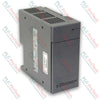
|
منبع تغذیه Allen-Bradley 1746-P4 SLC 500 | Original New | In Stock | View Details |
ارسال سریع جهانی
بازگشت کالا و گارانتی
سفارشها از دوشنبه تا جمعه پردازش و تحویل داده میشوند (به جز تعطیلات رسمی).
برای شرایط کامل واجد شرایط بودن، هزینههای بازگردانی و جزئیات بازگشت بینالمللی، لطفاً صفحه رسمی ما را مشاهده کنید سیاست بازپرداخت و بازگشت کالا .
| Country of origin |
ایالات متحده آمریکا
|

یک توالی عملی برای راهاندازی اتصالهای OPC UA در KEPServerEX: مالکیت دادهها را مشخص کنید، تگها را بهصورت محلی آزمایش کنید، نقطه پایانی و اعتماد به گواهی را پیکربندی کنید، دسترسی را محدود کنید،...

راهاندازی یک PLC متصل به اترنت اغلب با لپتاپ شروع میشود، نه کنترلر. یاد بگیرید چگونه تنظیمات موجود را ثبت کنید، یک نشانی موقت انتخاب کنید، اتصال را آزمایش کنید و پیکربندی شبکه کارخانه را با ایمنی...

کنترل گردوغبار قابلاشتعال به چیزی فراتر از هشدارها نیاز دارد. بیاموزید چگونه تولید گردوغبار را نقشهبرداری کنید، تجهیزات اندازهگیری را انتخاب کنید، اینترلاکها را طراحی کنید، با بازخوردهای ناموفق...

سیمپیچیهای هِیرپین ضریب پُرشدگی شیار را افزایش میدهند و از موتورهای کششیِ فشرده پشتیبانی میکنند، اما هندسهٔ هادی، تلفات جریان متناوب، آسیب عایق، کیفیت جوش و خنککاری تعیین میکنند که آیا طراحی به...

از Ansible برای استانداردسازی تغییرات سرورهای SCADA بدون افزایش ریسک OT استفاده کنید. این راهنما موجودیها، پلیبوکهای ایدمپوتنت، آزمایش مرحلهای، اعتبارنامهها، ثبت گزارشها و کنترلهای عملی بازگشت...

یک VPN مسیر دسترسی به شبکه صنعتی را رمزگذاری میکند، اما کار امن از راه دور روی PLC به کنترل هویت، دسترسی بخشبندیشده، تأیید تغییرات، ثبت رویدادها، محدودههای عملیاتی ایمن و رویههای بازیابیِ...