


پیادهسازی منطق نردبانی XOR سهکلیده با بیت داخلی
مدار روشنایی XOR با کلید ۳-SPST را در LogixPro یا RSLogix 500 با استفاده از یک بیت رله داخلی پیادهسازی کنید. شامل جدولهای درستی، معادلات بولی و تأییدشده است.

درایو فرکانس متغیر Mitsubishi Electric FR-A840-75K-1 که برای کاربردهای صنعتی سنگین و پرفشار مهندسی شده است، کنترل دقیق سرعت و گشتاور را برای موتورهایی تا ۷۵ kW ارائه میدهد. این اینورتر سهفاز کلاس ۴۰۰ ولت با بهرهگیری از فناوریهای پیشرفته الگوریتم کنترل برداری، زمان کارکرد سیستم و بهرهوری آن را در محیطهای فرآوری دشوار به حداکثر میرساند. این دستگاه به یک ترمینال FM اختصاصی مجهز است که برای خروجی قطار پالس پرسرعت پیکربندی شده و بازخورد لحظهای و یکپارچهسازی آسان با معماریهای DCS و PLC سطح بالاتر را ممکن میسازد.
| پارامتر مشخصات | مقدار / رده |
|---|---|
| سازنده | میتسوبیشی الکتریک |
| شماره مدل | FR-A840-75K-1 |
| ظرفیت موتور قابل استفاده | ۷۵ kW (کاربری سنگین) / ۹۰ kW (کاربری عادی) |
| کلاس ولتاژ ورودی | برق AC سهفاز ۳۸۰ تا ۵۰۰ ولت (۵۰/۶۰ هرتز) |
| جریان خروجی نامی | ۱۴۴ A (کاربری سنگین) / ۱۸۰ A (کاربری عادی) |
| ظرفیت خروجی | ۱۱۰ kVA |
| روش کنترل | کنترل V/F، کنترل پیشرفته بردار شار مغناطیسی، کنترل برداری واقعی بدون حسگر |
| ترمینال خروجی مانیتور | ترمینال FM (نوع قطار پالس) |
| پروتکلهای ارتباطی | RS-422، RS-485 (Modbus RTU داخلی) |
| درجه حفاظت | IP00 (نوع باز) |
| دمای کاری | ۱۰- درجه سانتیگراد تا ۵۰+ درجه سانتیگراد (بدون یخزدگی) |
| انطباق و گواهیها | مطابق با CE، UL، cUL و RoHS |
| کشور مبدأ | ژاپن |
| وزن حمل (محاسبهشده) | ۵۳٫۰ کیلوگرم (۱۱۶٫۸ پوند) |
| ابعاد فیزیکی (W × ارتفاع × عمق) | ۴۶۵ میلیمتر × ۵۹۵ میلیمتر × ۳۰۰ میلیمتر |
FR-A840-75K-1 جایگزین مستقیم سری مدل قدیمی FR-A740-75K است. اگرچه ابعاد نصب و چیدمان ترمینالهای کنترلی تا حد زیادی یکسان هستند، انتقال پارامترها باید با دقت انجام شود. هنگام ارتقا، پارامترها را با استفاده از نرمافزار FR Configurator2 صادر کنید تا برنامههای منطقی سفارشی و پیکربندیهای حلقه PID بهدرستی منتقل شوند. توجه داشته باشید که پسوند "-1" نشاندهنده دستگاهی مجهز به رابط ترمینال FM (خروجی پالس) است، درحالیکه پسوند "-2" به دستگاهی با ترمینال AM (خروجی ولتاژ آنالوگ) اشاره دارد.
کارکرد یک درایو پرظرفیت 75 kW بار حرارتی قابلتوجهی ایجاد میکند؛ در ظرفیت کامل، اتلاف حرارتی تقریباً 1850 Watts است. قرار دادن این دستگاه در تابلوهای آببندیشده IP54 به خنککاری مکانیکی اجباری نیاز دارد تا از افزایش دمای هیتسینک داخلی به بیش از 50 degC جلوگیری شود؛ زیرا این وضعیت هشدار افزایش دما (E.THT) را فعال میکند. همچنین، نصب یک راکتور خارجی لینک DC (FR-HEL) برای محافظت از پل یکسوساز در برابر نوسانهای ناگهانی خط ورودی و کاهش بازخورد هارمونیکهای فرکانس بالا به ترانسفورماتور توزیع، اکیداً توصیه میشود.
هنگام مسیریابی کابلها برای ترمینال خروجی پالس FM، از سیمکشی زوجتابیده شیلددار بافتهشده (STP) و حداقل سطح مقطع 0.75 mm2 استفاده کنید. کابلهای کنترلی را برای جلوگیری از تزریق نویز EMI، که میتواند قرائتهای خروجی پالس را مخدوش کند، با فاصله حداقل 30 cm از فازهای خروجی موتور (U، V، W) و بهصورت فیزیکی جدا نگه دارید. اگر درایو هنگام افزایش تدریجی سرعت خطای E.UVT (افت ولتاژ) را نمایش داد، بررسی کنید که ولتاژ ورودی در شرایط بارگذاری گذرا به کمتر از 323 V AC افت نکند.
هشدار حیاتی: خطر ولتاژ بالا
پیش از انجام نصب، همه مدارهای تغذیه اصلی را ایزوله کنید. پس از قطع برق، حداقل 10 دقیقه صبر کنید تا خازنهای باس DC داخلی به کمتر از آستانههای ایمنی تخلیه شوند. پیش از شروع تغییرات ترمینالها، با یک مولتیمتر دیجیتال دارای رده مناسب تأیید کنید که ولتاژ باس DC بین ترمینالهای P/+ و N/- برابر 0 V است.
درایو را بهصورت عمودی روی یک صفحه پشتی صاف و غیرقابلاشتعال نصب کنید تا جریانهای خنککننده همرفتی در سراسر مجموعه هیتسینک بهینه شوند.
کابلهای برق ورودی را به ترمینالهای R/L1، S/L2 و T/L3 وصل کنید. کابلهای خروجی موتور را به ترمینالهای U، V و W وصل کنید. اطمینان حاصل کنید که همه زبانههای اتصال زمین به یک شینه ارت تأسیسات با امپدانس پایین متصل باشند.
راهاندازی آزمایشی را در حالی انجام دهید که موتور قطع است. پیش از اجرای فرایند خودتنظیمی، پارامتر 9 (جریان نامی موتور) و پارامتر 71 (انتخاب موتور متصل) را از طریق نمایشگر PU داخلی تنظیم کنید.
Global Express Shipping
Returns & Warranty


تولیدکننده: Mitsubishi Electric
شماره محصول: FR-A840-75K-1
کشور سازنده:ایالات متحده آمریکا
نوع محصول: درایوهای فرکانس متغیر
پرداخت: حواله بانکی (T/T)، وسترن یونیون
وزن: 53000g
ابعاد: ۴۶۵ میلیمتر × ۵۹۵ میلیمتر × ۳۰۰ میلیمتر
بندر حمل و نقل: شیامن
گارانتی: ۱۲ ماه
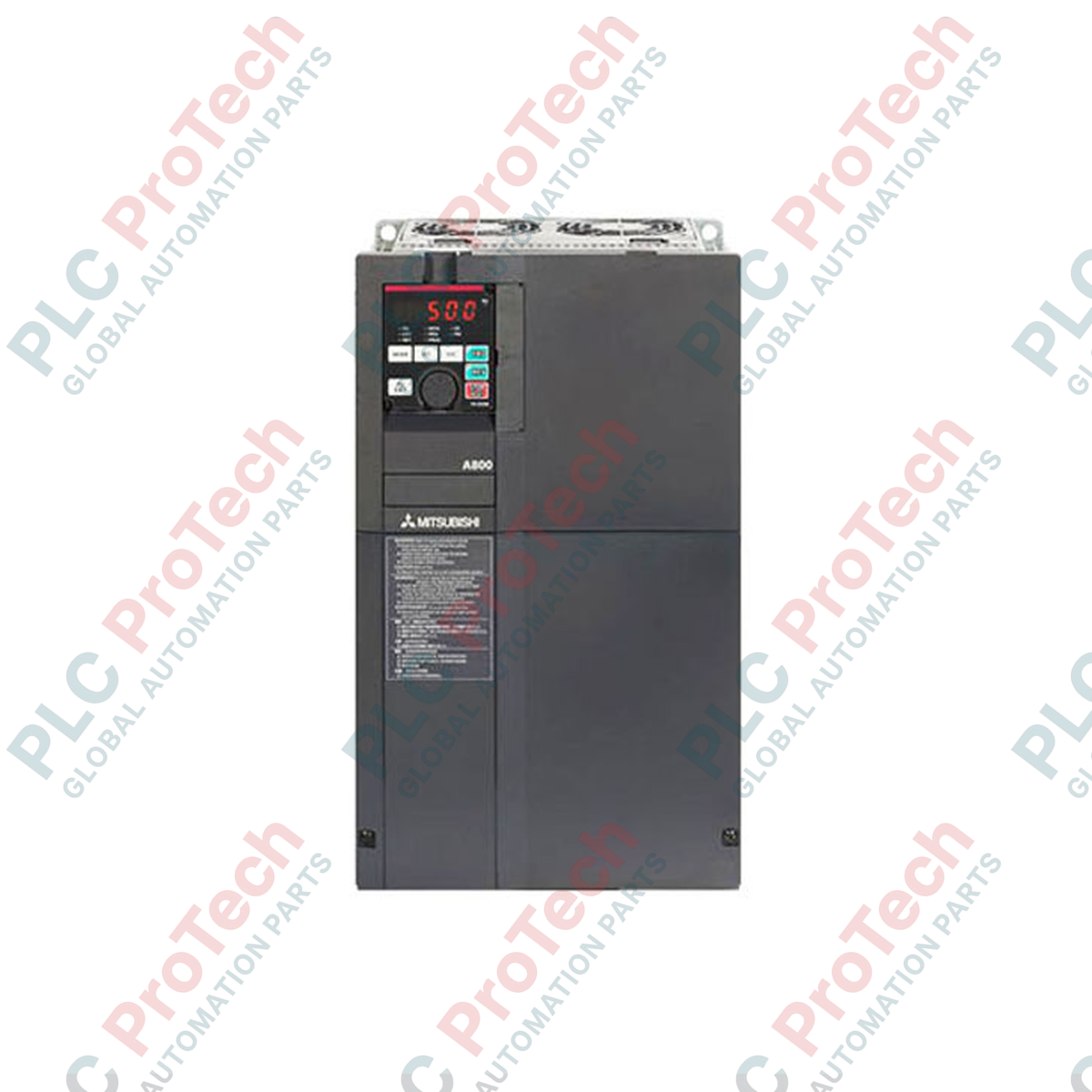
درایو فرکانس متغیر Mitsubishi Electric FR-A840-75K-1 که برای کاربردهای صنعتی سنگین و پرفشار مهندسی شده است، کنترل دقیق سرعت و گشتاور را برای موتورهایی تا ۷۵ kW ارائه میدهد. این اینورتر سهفاز کلاس ۴۰۰ ولت با بهرهگیری از فناوریهای پیشرفته الگوریتم کنترل برداری، زمان کارکرد سیستم و بهرهوری آن را در محیطهای فرآوری دشوار به حداکثر میرساند. این دستگاه به یک ترمینال FM اختصاصی مجهز است که برای خروجی قطار پالس پرسرعت پیکربندی شده و بازخورد لحظهای و یکپارچهسازی آسان با معماریهای DCS و PLC سطح بالاتر را ممکن میسازد.
| پارامتر مشخصات | مقدار / رده |
|---|---|
| سازنده | میتسوبیشی الکتریک |
| شماره مدل | FR-A840-75K-1 |
| ظرفیت موتور قابل استفاده | ۷۵ kW (کاربری سنگین) / ۹۰ kW (کاربری عادی) |
| کلاس ولتاژ ورودی | برق AC سهفاز ۳۸۰ تا ۵۰۰ ولت (۵۰/۶۰ هرتز) |
| جریان خروجی نامی | ۱۴۴ A (کاربری سنگین) / ۱۸۰ A (کاربری عادی) |
| ظرفیت خروجی | ۱۱۰ kVA |
| روش کنترل | کنترل V/F، کنترل پیشرفته بردار شار مغناطیسی، کنترل برداری واقعی بدون حسگر |
| ترمینال خروجی مانیتور | ترمینال FM (نوع قطار پالس) |
| پروتکلهای ارتباطی | RS-422، RS-485 (Modbus RTU داخلی) |
| درجه حفاظت | IP00 (نوع باز) |
| دمای کاری | ۱۰- درجه سانتیگراد تا ۵۰+ درجه سانتیگراد (بدون یخزدگی) |
| انطباق و گواهیها | مطابق با CE، UL، cUL و RoHS |
| کشور مبدأ | ژاپن |
| وزن حمل (محاسبهشده) | ۵۳٫۰ کیلوگرم (۱۱۶٫۸ پوند) |
| ابعاد فیزیکی (W × ارتفاع × عمق) | ۴۶۵ میلیمتر × ۵۹۵ میلیمتر × ۳۰۰ میلیمتر |
FR-A840-75K-1 جایگزین مستقیم سری مدل قدیمی FR-A740-75K است. اگرچه ابعاد نصب و چیدمان ترمینالهای کنترلی تا حد زیادی یکسان هستند، انتقال پارامترها باید با دقت انجام شود. هنگام ارتقا، پارامترها را با استفاده از نرمافزار FR Configurator2 صادر کنید تا برنامههای منطقی سفارشی و پیکربندیهای حلقه PID بهدرستی منتقل شوند. توجه داشته باشید که پسوند "-1" نشاندهنده دستگاهی مجهز به رابط ترمینال FM (خروجی پالس) است، درحالیکه پسوند "-2" به دستگاهی با ترمینال AM (خروجی ولتاژ آنالوگ) اشاره دارد.
کارکرد یک درایو پرظرفیت 75 kW بار حرارتی قابلتوجهی ایجاد میکند؛ در ظرفیت کامل، اتلاف حرارتی تقریباً 1850 Watts است. قرار دادن این دستگاه در تابلوهای آببندیشده IP54 به خنککاری مکانیکی اجباری نیاز دارد تا از افزایش دمای هیتسینک داخلی به بیش از 50 degC جلوگیری شود؛ زیرا این وضعیت هشدار افزایش دما (E.THT) را فعال میکند. همچنین، نصب یک راکتور خارجی لینک DC (FR-HEL) برای محافظت از پل یکسوساز در برابر نوسانهای ناگهانی خط ورودی و کاهش بازخورد هارمونیکهای فرکانس بالا به ترانسفورماتور توزیع، اکیداً توصیه میشود.
هنگام مسیریابی کابلها برای ترمینال خروجی پالس FM، از سیمکشی زوجتابیده شیلددار بافتهشده (STP) و حداقل سطح مقطع 0.75 mm2 استفاده کنید. کابلهای کنترلی را برای جلوگیری از تزریق نویز EMI، که میتواند قرائتهای خروجی پالس را مخدوش کند، با فاصله حداقل 30 cm از فازهای خروجی موتور (U، V، W) و بهصورت فیزیکی جدا نگه دارید. اگر درایو هنگام افزایش تدریجی سرعت خطای E.UVT (افت ولتاژ) را نمایش داد، بررسی کنید که ولتاژ ورودی در شرایط بارگذاری گذرا به کمتر از 323 V AC افت نکند.
هشدار حیاتی: خطر ولتاژ بالا
پیش از انجام نصب، همه مدارهای تغذیه اصلی را ایزوله کنید. پس از قطع برق، حداقل 10 دقیقه صبر کنید تا خازنهای باس DC داخلی به کمتر از آستانههای ایمنی تخلیه شوند. پیش از شروع تغییرات ترمینالها، با یک مولتیمتر دیجیتال دارای رده مناسب تأیید کنید که ولتاژ باس DC بین ترمینالهای P/+ و N/- برابر 0 V است.
درایو را بهصورت عمودی روی یک صفحه پشتی صاف و غیرقابلاشتعال نصب کنید تا جریانهای خنککننده همرفتی در سراسر مجموعه هیتسینک بهینه شوند.
کابلهای برق ورودی را به ترمینالهای R/L1، S/L2 و T/L3 وصل کنید. کابلهای خروجی موتور را به ترمینالهای U، V و W وصل کنید. اطمینان حاصل کنید که همه زبانههای اتصال زمین به یک شینه ارت تأسیسات با امپدانس پایین متصل باشند.
راهاندازی آزمایشی را در حالی انجام دهید که موتور قطع است. پیش از اجرای فرایند خودتنظیمی، پارامتر 9 (جریان نامی موتور) و پارامتر 71 (انتخاب موتور متصل) را از طریق نمایشگر PU داخلی تنظیم کنید.
ارسال سریع جهانی
بازگشت کالا و گارانتی
سفارشها از دوشنبه تا جمعه پردازش و تحویل داده میشوند (به جز تعطیلات رسمی).
برای شرایط کامل واجد شرایط بودن، هزینههای بازگردانی و جزئیات بازگشت بینالمللی، لطفاً صفحه رسمی ما را مشاهده کنید سیاست بازپرداخت و بازگشت کالا .
| Country of origin |
ایالات متحده آمریکا
|

مدار روشنایی XOR با کلید ۳-SPST را در LogixPro یا RSLogix 500 با استفاده از یک بیت رله داخلی پیادهسازی کنید. شامل جدولهای درستی، معادلات بولی و تأییدشده است.

Allen-Bradley CompactLogix، تابلوهای انتقال خودکار Caterpillar و ژنراتورها را از طریق Modbus RTU در سیستم کنترل توزیعشده DeltaV یکپارچه کنید. این محتوا ProSoft MVI69-MCM و گیتویهای Miille DIN266...

دستور ONS اجرا میشود، اما کویل OTE در Studio 5000 هرگز لچ نمیشود، زیرا وانشات فقط در یک اسکن درست است. در عوض از OTL/OTU یا منطق خودنگهدار استفاده کنید.

درایوهای سرو Kinetix 5500 از Allen-Bradley را روی EtherNet/IP پیکربندی کنید. این دوره مباحث CIP Sync، زمانبندی IEEE 1588 V2، انتخاب Stratix، توپولوژی DLR و HMI را پوشش میدهد.

فیلتر میانگین متحرک، هموارساز پنجرهای لغزان است که بیشتر مهندسان ابزار دقیق آن را در مسیرهای آنالوگ DCS و PLC به کار میبرند. در اینجا نحوه کار پنجره، تأثیر N و زمان نمونهبرداری بر تأخیر، و زمان...

در توربینهای گازی Frame 5 تا 9، سیستمهای GE Mark VI و Mark VIe کنترل را بهصورت نرمافزار کاربردی مبتنی بر بلوکهای تابع اجرا میکنند. این مقاله عملکردهای فرایندی، حفاظتی و توالیگذاری را بررسی...