


پیادهسازی منطق نردبانی XOR سهکلیده با بیت داخلی
مدار روشنایی XOR با کلید ۳-SPST را در LogixPro یا RSLogix 500 با استفاده از یک بیت رله داخلی پیادهسازی کنید. شامل جدولهای درستی، معادلات بولی و تأییدشده است.

درایو سروو تکمحوره Mitsubishi Electric MR-J4-10A که با منبع تغذیه رده ۲۰۰ ولت کار میکند، برای ارائه کنترل حرکت حلقهبسته با پاسخدهی بالا برای موتورهای چرخشی، خطی و درایو مستقیم ۰٫۱ کیلوواتی در پلتفرم اتوماسیون MELSERVO-J4 طراحی شده است. این واحد از طریق رابط فرمان همهمنظوره بهطور یکپارچه ارتباط برقرار میکند و هم موقعیتیابی با قطار پالس پرسرعت و هم روشهای کنترل سرعت یا گشتاور آنالوگ را پشتیبانی میکند. این تجهیز با بازخورد انکودر ۲۲ بیتی و وضوح بالا، دقت چشمگیری در موقعیتیابی میکرومتری ارائه میدهد. مجموعه عیبیابی قدرتمند و مکانیزمهای ایمنی یکپارچه خاموشسازی ایمن گشتاور (STO)، قابلیت اطمینان بالا و انطباق با الزامات طراحی سیستمهای صنعتی سختگیرانه را تضمین میکنند.
| پارامتر مشخصات | مقدار / رده |
|---|---|
| تولیدکننده | میتسوبیشی الکتریک |
| مدل / SKU | MR-J4-10A |
| سری | MELSERVO-J4 |
| توان نامی خروجی | ۰٫۱ کیلووات (۱۰۰ وات) |
| ولتاژ / جریان خروجی | سهفاز، ۱۷۰ ولت AC / ۱٫۱ آمپر |
| ورودی منبع تغذیه مدار اصلی | برق AC تکفاز یا سهفاز ۲۰۰ تا ۲۴۰ ولت، ۵۰/۶۰ هرتز |
| نوسان مجاز ولتاژ ورودی | ۱۷۰ تا ۲۶۴ ولت AC |
| ورودی منبع تغذیه مدار کنترل | برق AC تکفاز ۲۰۰ تا ۲۴۰ ولت، ۵۰/۶۰ هرتز (۰٫۲ تا ۰٫۳ آمپر) |
| سیستم کنترل | سیستم کنترل PWM موج سینوسی و کنترل جریان |
| رابط فرمان | رابط همهمنظوره (قطار پالس، آنالوگ، RS-422/RS-485، USB) |
| انطباق با استانداردهای ایمنی | EN ISO 13849-1 رده ۳ PL e، IEC 61508 SIL 3، EN 62061 SIL CL 3 |
| درجه حفاظت محیطی | IP20 (خنککاری خودکار / طراحی باز) |
| دمای محیط کارکرد | ۰ تا ۵۵ درجه سانتیگراد (بدون یخزدگی) |
| وزن خالص | ۰٫۸ کیلوگرم |
| وزن حمل (محاسبهشده) | ۲٫۰ کیلوگرم |
| درگاه / کانکتور | تخصیص عملکرد / مدار |
|---|---|
| L1، L2، L3 | ورودی برق مدار اصلی (برق AC سهفاز ۲۰۰ تا ۲۴۰ ولت). برای برق تکفاز، به L1 و L2 متصل کنید. |
| L11، L21 | ورودی منبع تغذیه مدار کنترل (برق AC تکفاز ۲۰۰ تا ۲۴۰ ولت). |
| U، V، W | ترمینالهای خروجی موتور سروو. |
| CN1 | ورودیهای فرمان آنالوگ/قطار پالس و سیگنالهای I/O دیجیتال. |
| CN2 | اتصال رابط فیدبک انکودر. |
| CN3 | درگاه ارتباط سریال RS-422 / RS-485. |
| CN5 | درگاه USB برای نرمافزار پیکربندی MR Configurator2. |
| CN8 | رابط سیگنال ورودی خاموشسازی گشتاور ایمن (STO). |
MR-J4-10A دارای رابط استاندارد آنالوگ/پالس همهمنظوره است. این مدل از نظر عملکردی جایگزین مستقیم درایوهای قدیمی MR-J3-10A است. بااینحال، انتقال پارامترهای فایل پیکربندی باید از طریق MR Configurator2 انجام شود تا پارامترها بهدرستی نگاشت شوند. توجه داشته باشید که MR-J4-10A از نظر عملکرد و ساختار فیزیکی با MR-J4-10B تفاوت دارد؛ مدل MR-J4-10B منحصراً روی شبکه فیبر نوری پرسرعت SSCNET III/H کار میکند و بدون تعویض سختافزار شبکه کنترلی نمیتوان این دو را جایگزین یکدیگر کرد.
هنگام پیکربندی MR-J4-10A برای کارکرد تکفاز، اطمینان حاصل کنید که سیمکشی منبع تغذیه به ترمینالهای L1 و L2 متصل باشد. اگر برق تکفاز بدون تنظیم پارامترها برای غیرفعالکردن پایش قطع فاز در حالت سهفاز اعمال شود، آمپلیفایر هشدار AL 10 (افت ولتاژ) یا AL 12 (خطای حافظه/قطع فاز) را فعال میکند. هنگام نصب در کنار واحدهای دیگر داخل تابلوهای متراکم، فاصله کافی برای دفع گرما را رعایت کنید؛ برای خنککاری همرفتی بهینه، حداقل فاصله ۱۰ میلیمتر در هر طرف توصیه میشود.
برای محافظت از سیگنال فیدبک مطلق ۲۲ بیتی با وضوح بالا در برابر تداخل الکترومغناطیسی، همیشه برای رابط انکودر CN2 از کابل زوجتابیده با شیلد دوگانه استفاده کنید. اطمینان حاصل کنید که ترمینال زمین آمپلیفایر از طریق اتصالی با امپدانس پایین به صفحه زمین تابلو برق اصلی متصل شده باشد. اگر خطاهای سیگنال خط فیدبک (مانند AL 1A یا AL 50) رخ داد، بررسی کنید که اتصال شیلد در کانکتور سمت موتور بایپس نشده باشد و نصب یک فیلتر خط برق با کارایی بالا روی خط ورودی اصلی برق AC را در نظر بگیرید.
هشدار حیاتی
خطر برقگرفتگی و انرژی باقیمانده. پیش از نصب، سیمکشی یا سرویس این تجهیزات، تمام برق ورودی اصلی را قطع کنید. پس از خاموشکردن، حداقل ۱۵ دقیقه صبر کنید تا خازنهای ولتاژبالای داخلی کاملاً تخلیه شوند؛ سپس به ترمینالها دست بزنید.
Global Express Shipping
Returns & Warranty


تولیدکننده: Mitsubishi Electric
شماره محصول: MR-J4-10A
کشور سازنده:ایالات متحده آمریکا
نوع محصول: تقویتکنندههای سروو
پرداخت: حواله بانکی (T/T)، وسترن یونیون
وزن: 2000g
بندر حمل و نقل: شیامن
گارانتی: ۱۲ ماه
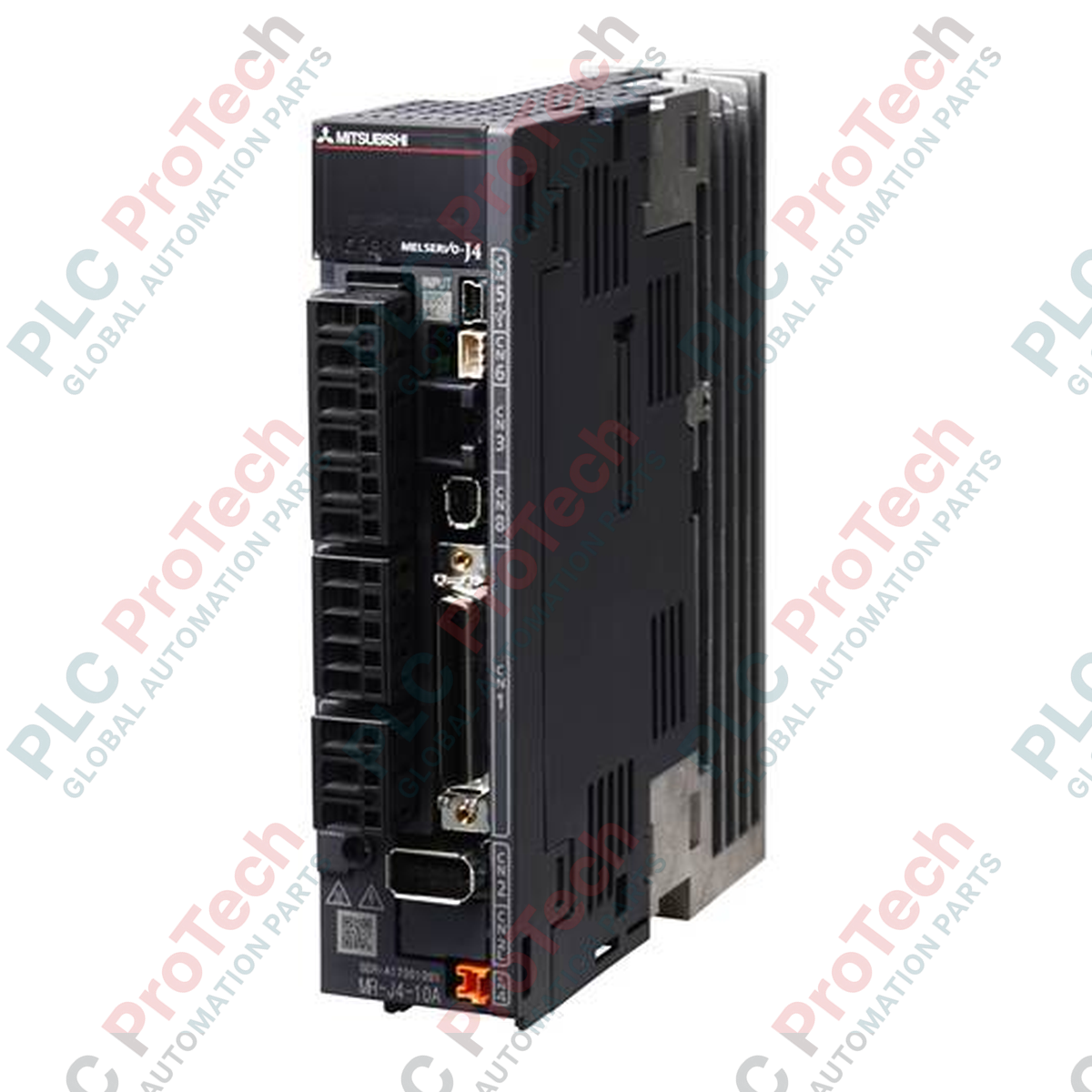
درایو سروو تکمحوره Mitsubishi Electric MR-J4-10A که با منبع تغذیه رده ۲۰۰ ولت کار میکند، برای ارائه کنترل حرکت حلقهبسته با پاسخدهی بالا برای موتورهای چرخشی، خطی و درایو مستقیم ۰٫۱ کیلوواتی در پلتفرم اتوماسیون MELSERVO-J4 طراحی شده است. این واحد از طریق رابط فرمان همهمنظوره بهطور یکپارچه ارتباط برقرار میکند و هم موقعیتیابی با قطار پالس پرسرعت و هم روشهای کنترل سرعت یا گشتاور آنالوگ را پشتیبانی میکند. این تجهیز با بازخورد انکودر ۲۲ بیتی و وضوح بالا، دقت چشمگیری در موقعیتیابی میکرومتری ارائه میدهد. مجموعه عیبیابی قدرتمند و مکانیزمهای ایمنی یکپارچه خاموشسازی ایمن گشتاور (STO)، قابلیت اطمینان بالا و انطباق با الزامات طراحی سیستمهای صنعتی سختگیرانه را تضمین میکنند.
| پارامتر مشخصات | مقدار / رده |
|---|---|
| تولیدکننده | میتسوبیشی الکتریک |
| مدل / SKU | MR-J4-10A |
| سری | MELSERVO-J4 |
| توان نامی خروجی | ۰٫۱ کیلووات (۱۰۰ وات) |
| ولتاژ / جریان خروجی | سهفاز، ۱۷۰ ولت AC / ۱٫۱ آمپر |
| ورودی منبع تغذیه مدار اصلی | برق AC تکفاز یا سهفاز ۲۰۰ تا ۲۴۰ ولت، ۵۰/۶۰ هرتز |
| نوسان مجاز ولتاژ ورودی | ۱۷۰ تا ۲۶۴ ولت AC |
| ورودی منبع تغذیه مدار کنترل | برق AC تکفاز ۲۰۰ تا ۲۴۰ ولت، ۵۰/۶۰ هرتز (۰٫۲ تا ۰٫۳ آمپر) |
| سیستم کنترل | سیستم کنترل PWM موج سینوسی و کنترل جریان |
| رابط فرمان | رابط همهمنظوره (قطار پالس، آنالوگ، RS-422/RS-485، USB) |
| انطباق با استانداردهای ایمنی | EN ISO 13849-1 رده ۳ PL e، IEC 61508 SIL 3، EN 62061 SIL CL 3 |
| درجه حفاظت محیطی | IP20 (خنککاری خودکار / طراحی باز) |
| دمای محیط کارکرد | ۰ تا ۵۵ درجه سانتیگراد (بدون یخزدگی) |
| وزن خالص | ۰٫۸ کیلوگرم |
| وزن حمل (محاسبهشده) | ۲٫۰ کیلوگرم |
| درگاه / کانکتور | تخصیص عملکرد / مدار |
|---|---|
| L1، L2، L3 | ورودی برق مدار اصلی (برق AC سهفاز ۲۰۰ تا ۲۴۰ ولت). برای برق تکفاز، به L1 و L2 متصل کنید. |
| L11، L21 | ورودی منبع تغذیه مدار کنترل (برق AC تکفاز ۲۰۰ تا ۲۴۰ ولت). |
| U، V، W | ترمینالهای خروجی موتور سروو. |
| CN1 | ورودیهای فرمان آنالوگ/قطار پالس و سیگنالهای I/O دیجیتال. |
| CN2 | اتصال رابط فیدبک انکودر. |
| CN3 | درگاه ارتباط سریال RS-422 / RS-485. |
| CN5 | درگاه USB برای نرمافزار پیکربندی MR Configurator2. |
| CN8 | رابط سیگنال ورودی خاموشسازی گشتاور ایمن (STO). |
MR-J4-10A دارای رابط استاندارد آنالوگ/پالس همهمنظوره است. این مدل از نظر عملکردی جایگزین مستقیم درایوهای قدیمی MR-J3-10A است. بااینحال، انتقال پارامترهای فایل پیکربندی باید از طریق MR Configurator2 انجام شود تا پارامترها بهدرستی نگاشت شوند. توجه داشته باشید که MR-J4-10A از نظر عملکرد و ساختار فیزیکی با MR-J4-10B تفاوت دارد؛ مدل MR-J4-10B منحصراً روی شبکه فیبر نوری پرسرعت SSCNET III/H کار میکند و بدون تعویض سختافزار شبکه کنترلی نمیتوان این دو را جایگزین یکدیگر کرد.
هنگام پیکربندی MR-J4-10A برای کارکرد تکفاز، اطمینان حاصل کنید که سیمکشی منبع تغذیه به ترمینالهای L1 و L2 متصل باشد. اگر برق تکفاز بدون تنظیم پارامترها برای غیرفعالکردن پایش قطع فاز در حالت سهفاز اعمال شود، آمپلیفایر هشدار AL 10 (افت ولتاژ) یا AL 12 (خطای حافظه/قطع فاز) را فعال میکند. هنگام نصب در کنار واحدهای دیگر داخل تابلوهای متراکم، فاصله کافی برای دفع گرما را رعایت کنید؛ برای خنککاری همرفتی بهینه، حداقل فاصله ۱۰ میلیمتر در هر طرف توصیه میشود.
برای محافظت از سیگنال فیدبک مطلق ۲۲ بیتی با وضوح بالا در برابر تداخل الکترومغناطیسی، همیشه برای رابط انکودر CN2 از کابل زوجتابیده با شیلد دوگانه استفاده کنید. اطمینان حاصل کنید که ترمینال زمین آمپلیفایر از طریق اتصالی با امپدانس پایین به صفحه زمین تابلو برق اصلی متصل شده باشد. اگر خطاهای سیگنال خط فیدبک (مانند AL 1A یا AL 50) رخ داد، بررسی کنید که اتصال شیلد در کانکتور سمت موتور بایپس نشده باشد و نصب یک فیلتر خط برق با کارایی بالا روی خط ورودی اصلی برق AC را در نظر بگیرید.
هشدار حیاتی
خطر برقگرفتگی و انرژی باقیمانده. پیش از نصب، سیمکشی یا سرویس این تجهیزات، تمام برق ورودی اصلی را قطع کنید. پس از خاموشکردن، حداقل ۱۵ دقیقه صبر کنید تا خازنهای ولتاژبالای داخلی کاملاً تخلیه شوند؛ سپس به ترمینالها دست بزنید.
ارسال سریع جهانی
بازگشت کالا و گارانتی
سفارشها از دوشنبه تا جمعه پردازش و تحویل داده میشوند (به جز تعطیلات رسمی).
برای شرایط کامل واجد شرایط بودن، هزینههای بازگردانی و جزئیات بازگشت بینالمللی، لطفاً صفحه رسمی ما را مشاهده کنید سیاست بازپرداخت و بازگشت کالا .
| Country of origin |
ایالات متحده آمریکا
|

مدار روشنایی XOR با کلید ۳-SPST را در LogixPro یا RSLogix 500 با استفاده از یک بیت رله داخلی پیادهسازی کنید. شامل جدولهای درستی، معادلات بولی و تأییدشده است.

Allen-Bradley CompactLogix، تابلوهای انتقال خودکار Caterpillar و ژنراتورها را از طریق Modbus RTU در سیستم کنترل توزیعشده DeltaV یکپارچه کنید. این محتوا ProSoft MVI69-MCM و گیتویهای Miille DIN266...

دستور ONS اجرا میشود، اما کویل OTE در Studio 5000 هرگز لچ نمیشود، زیرا وانشات فقط در یک اسکن درست است. در عوض از OTL/OTU یا منطق خودنگهدار استفاده کنید.

درایوهای سرو Kinetix 5500 از Allen-Bradley را روی EtherNet/IP پیکربندی کنید. این دوره مباحث CIP Sync، زمانبندی IEEE 1588 V2، انتخاب Stratix، توپولوژی DLR و HMI را پوشش میدهد.

فیلتر میانگین متحرک، هموارساز پنجرهای لغزان است که بیشتر مهندسان ابزار دقیق آن را در مسیرهای آنالوگ DCS و PLC به کار میبرند. در اینجا نحوه کار پنجره، تأثیر N و زمان نمونهبرداری بر تأخیر، و زمان...

در توربینهای گازی Frame 5 تا 9، سیستمهای GE Mark VI و Mark VIe کنترل را بهصورت نرمافزار کاربردی مبتنی بر بلوکهای تابع اجرا میکنند. این مقاله عملکردهای فرایندی، حفاظتی و توالیگذاری را بررسی...