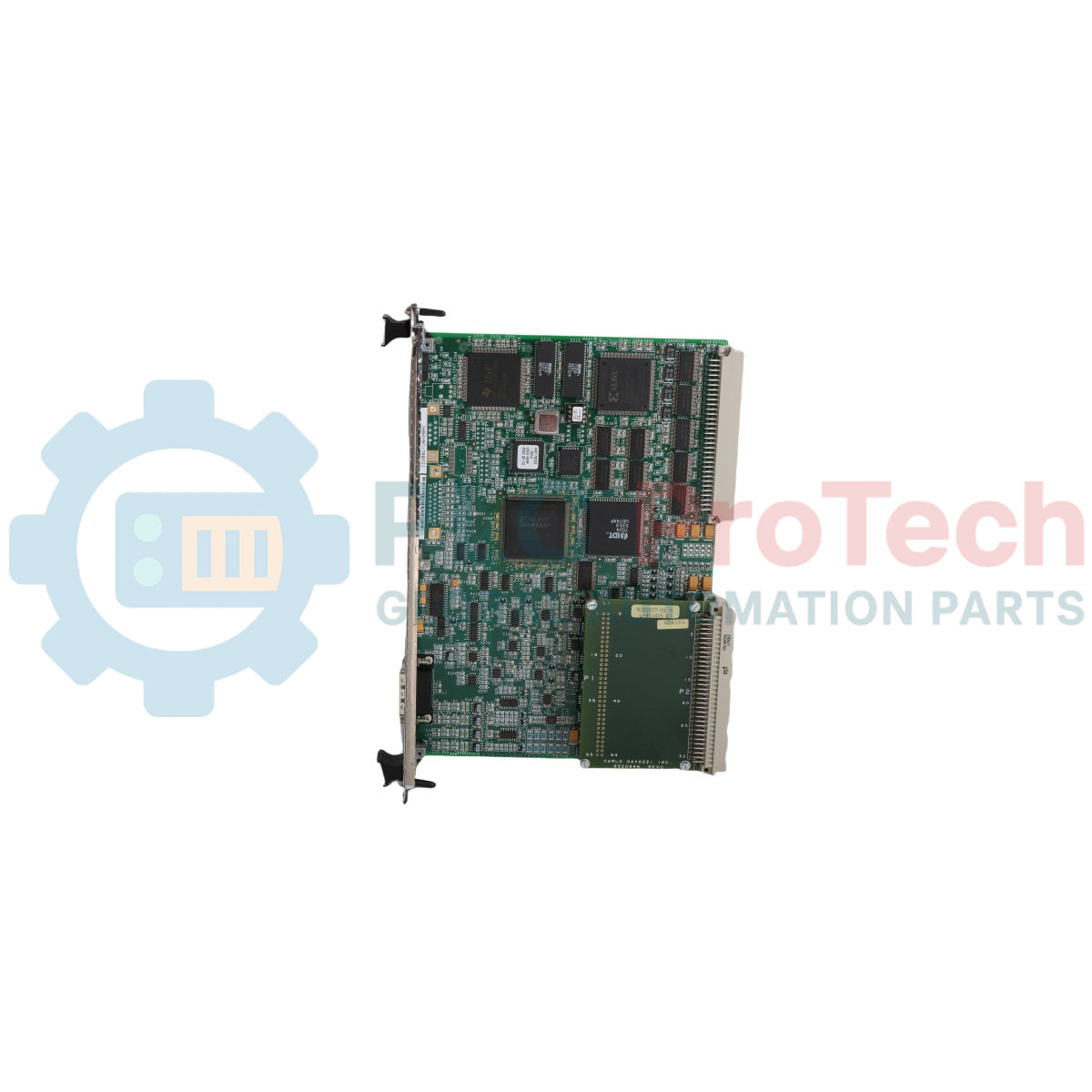
General Electric IS200VTURH2BAC Mark VI rezgésátalakító-interfészmodul
SKU IS200VTURH2BAC
Raktáron
No reviews
12-month warranty
Free returns within 30 days
Manufacturer:
General Electric
Product No.:
IS200VTURH2BAC
Country of origin:Egyesült Államok
Product Type:
Rezgésátalakító-interfészmodul
Barcode:
8537101190
Payment:
T/T, Western Union
Weight:
290g
Dimensions:
11,00 x 9,00 x 3,00 hüvelyk
Shipping port:
Xiamen
Warranty:
12 months
Leírás
Az IS200VTURH2BAC a General Electric által gyártott, nagy sűrűségű rezgésátalakító-interfészmodul, amely a Mark VI Speedtronic turbinavezérlési platform része. A modul olyan sorkapocs-kártyákkal, mint a TTUR, létesít kapcsolatot, hogy a kritikus tengelyfordulatszám- és érzékelőadatokat a vezérlő környezetébe továbbítsa. Kulcsszerepet tölt be az elsődleges túlpörgésvédelmi hurokban: hibaállapotok észlelésekor a kioldási jeleket a TRPG kártyához továbbítja, ahol ezeket háromrelés szavazóáramkörök dolgozzák fel a kioldó mágnesszelepek tápellátásának szisztematikus leválasztásához.
A dinamikus érzékelőbemeneteken túl az IS200VTURH2BAC végrehajtja a rendszer automatikus szinkronizálási algoritmusát. A kártya a generátorból és a sínvezetékekből érkező két Potential Transformer (PT) bemenetet figyeli a fázis- és csúszásváltozások aktív követéséhez. Amikor az alkalmazás futásidejű kódja engedélyezi, megszakításvezérelt nullfeszültség-átmeneti technikát alkalmaz a fázis-, csúszás- és gyorsulási értékek szabályozására, majd aktiválja a K25 megszakítórelé zárását, miközben adaptív kompenzációs paramétereket tart fenn a megszakító fizikai időbeli késleltetéseinek figyelembevételéhez.
Jellemzők
Többszintű turbinás túlpörgésvédelem: A fordulatszám-érzékelőkkel és a sorkapocs-komponensekkel együttműködve megbízható vezérlési, elsődleges és vészhelyzeti túlpörgésvédelmi hurkokat biztosít.
Kettő a háromból szavazásos kimenet: Független jeleket továbbít a 2/3-os szavazás végrehajtásához a hardveres reléáramkörökben, biztosítva a vészleállító mágnesszelepek megszakítását.
Automatikus szinkronizálási algoritmus (K25): Nullfeszültség-átmeneti logikát alkalmaz a generátor és a sínvezetékek közötti fázis-, csúszás- és gyorsuláskülönbségek mérésére a megszakító-csatlakozások vezérléséhez.
Önadaptív megszakító-kompenzáció: Konfigurálható követési paraméterekkel rendelkezik, amelyek a mechanikai időbeli késleltetések alapján automatikusan beállítják a megszakító zárási parancsait.
Több megszakító időzítési kapacitása: Egyetlen kártyaegységből két különálló megszakítóegységen képes kiszámítani és kezelni a szinkronizálási rutinokat.
Alkalmazások
Mark VI Speedtronic gáz- és gőzturbinák túlpörgésfigyelő és -védelmi hurkai
Generátor–sínvezeték automatikus villamos szinkronizálásának vezérlése
Megszakítólogika paraméterezése: A K25 automatikus szinkronizálási rutin engedélyezése előtt győződjön meg arról, hogy a megszakító zárási időbeli késleltetései és üzemi feszültséghatárai teljes körűen be vannak állítva a szoftveres adatbázisban.
Bemeneti feszültségváltó bekötése: A bekötés előtt ellenőrizze, hogy a generátor- és sínvezetékekhez tartozó Potential Transformer-vezetékek biztonságosan el vannak szigetelve, és a közös módusú feszültséghatárokon belül vannak.
Érzékelőárnyékolás földelése: A rádiófrekvenciás zaj nullátmeneti számításokat torzító hatásának megelőzése érdekében minden bejövő rezgés- és fordulatszám-visszacsatolási árnyékolást a kijelölt vázföldelési sínhez kell csatlakoztatni.
FAQ
Milyen számítási technikát használ az automatikus szinkronizálási algoritmus?
Az automatikus szinkronizálási algoritmus a nullátmeneti feszültség technikáját használja a generátor- és a sínbemenetek közötti fázis, csúszás és gyorsulás kiszámítására.
Szüksége van az eszköznek feszültségforrásra a szinkronizálási vezérlési funkciók végrehajtásához?
Igen, az automatikus szinkronizálási algoritmus megszakításvezérelt, és a megfelelő működéshez aktív generátorfeszültségnek kell jelen lennie.
Hogyan kezelik a kioldási döntéseket a modul és a kioldó szolenoidok között?
Kioldási feltétel megállapításakor a rendszer jeleket küld egy TRPG-kártyára, ahol három kimenetet 2/3-os szavazással dolgoznak fel háromrelés szavazóáramkörökben, hogy megszüntessék az egyes kioldó szolenoidok tápellátását.
Normál szállítás: 4-6 munkanap a DHL, FedEx és UPS szolgáltatásával.
Gyors kiszállítás: A raktáron lévő, 14:00 (GMT+8) előtt leadott megrendeléseket aznap feladjuk.
Világszintű lefedettség: Több mint 150 országban szolgálunk ki, beleértve a gyors szállítást Szaúd-Arábiába és az Egyesült Arab Emírségekbe.
Visszaküldés és garancia
30 napos garancia: Csak a raktáron lévő termékek eredeti, gyári zárt csomagolásban történő visszaküldését fogadjuk el.
12 hónapos garancia: Minden ipari alkatrészünket szakmai műszaki garancia védi.
A megrendeléseket hétfőtől péntekig dolgozzuk fel és szállítjuk (állami ünnepnapok kivételével).
A teljes jogosultság, a készletfeltöltési díjak és a nemzetközi visszaküldési részletek megtekintéséhez kérjük, tekintse meg hivatalos oldalunkat
Visszatérítési és Visszaküldési Szabályzat
.
Egy Yokogawa AAI835 cseréje előtt ellenőrizze a 4 bemeneti/4 kimeneti csatornakiosztást, az áramkimaradáskori hurok viselkedését, a leválasztó típusát, a kimeneti terhelést, a kábelt és a...
Csereellenőrzések ABB TP853 3BSE018126R1 esetén: azonosítsa a telepített CI853, CI855, CI857 vagy CI861 interfészt, dokumentálja a bekötést, és a telepítés után ellenőrizze a kommunikációt.
Mérnöki ellenőrzések az Allen-Bradley 5069-L330ERMS2-höz: a vezérlő kapacitása, külön RTB-készletek, a helyi I/O korlátai, a hálózati csomópontok korlátai és a mozgástengelyek száma.
Az ABB 3HNE 00006-1 DSQC 351 cseréje előtt rögzítendő adatok: a vezérlő generációja, az X3/X5/X20/X21 bekötése, a DeviceNet-beállítások, az INTERBUS-leképezés és a LED-ek állapota.
Hasonlítsa össze az IC693CPU360 és az IC693CPU364 modellt az Ethernet-interfész, a +5 VDC terhelés, a memória, az állványkorlátok és a csere előtti ellenőrzések szempontjából.
Ha kiválasztasz egy lehetőséget, a teljes oldal frissül.