


IC693CPU360 vs IC693CPU364: Ethernet and Power Budget
Compare the IC693CPU360 and IC693CPU364 by Ethernet interface, +5 VDC load, memory, rack limits, and replacement checks.
Manufacturer: Allen-Bradley
Product No.: Allen Bradley 1756-DHRIO
Country of origin:United States
Product Type: Modulo di comunicazione
Barcode: 8537101190
Payment: T/T, Western Union
Weight: 5900g
Dimensions: 12,5 cm x 25 cm x 27,5 cm
Shipping port: Xiamen
Warranty: 12 months
Il 1756-DHRIO funge da ponte di comunicazione a doppio canale ad alta integrità all'interno dell'architettura ControlLogix Allen-Bradley. Progettato specificamente per proteggere gli investimenti di capitale nelle infrastrutture industriali legacy in settori come la raffinazione del petrolio, le linee di assemblaggio automobilistico continuo e il trattamento delle acque municipali, questo modulo fornisce la traduzione nativa a livello fisico tra le reti ControlLogix moderne e i collegamenti industriali legacy. Facilitando la migrazione dei dati in tempo reale e l'instradamento dell'interfaccia senza gli elevati costi di ricablaggio dei rack distribuiti esistenti, il modulo riduce drasticamente i rischi di messa in servizio del progetto ed evita tempi di fermo catastrofici dell'impianto.
L'hardware di elaborazione interno del 1756-DHRIO incorpora due canali di comunicazione isolati (Canale A e Canale B) che funzionano indipendentemente l'uno dall'altro. Ogni canale può essere configurato tramite interruttori fisici o parametri software per funzionare come interfaccia di rete Data Highway Plus (DH+) o come scanner Universal Remote I/O (RIO).
Il motore di elaborazione incapsula nativamente il PCCC legacy (Programmable Controller Communication Commands) nel moderno framework CIP (Control and Information Protocol), consentendo l'instradamento esplicito dei messaggi, anche multi-hop, attraverso un massimo di quattro reti di comunicazione indipendenti e tre livelli separati di chassis.
| Parametro metrico | Dati delle specifiche del prodotto certificato |
| Modello | 1756-DHRIO |
| Marchio | Allen-Bradley |
| Piattaforma della serie |
ControlLogix (Bollettino 1756) |
| Tipo di modulo |
Interfaccia DH+ / Universal Remote I/O |
| Canali disponibili |
2 porte isolate, configurabili indipendentemente |
| Opzioni di velocità di trasmissione (DH+/RIO) |
57,6 kbps, 115,2 kbps, 230,4 kbps |
| Numero massimo di nodi fisici |
32 dispositivi fisici per canale dello scanner RIO |
| Indirizzo rack logico massimo |
Scansione di un massimo di 32 rack completi o parziali per canale RIO |
| Capacità di trasferimento a blocchi |
Fino a 64 parole di dati per messaggio di lettura/scrittura |
| Corrente assorbita dal backplane a 5,1 V CC | 850 mA |
| Corrente assorbita dal backplane a 24 V CC | 1,7 mA |
| Dissipazione di potenza (max) | 4,3 W a 60 °C |
| Carico di dissipazione termica | 14,67 BTU/ora |
| Tensione di isolamento continuo | 30 V continui (tipo di isolamento funzionale, canali-sistema/canale-canale) |
| Supporto fisico di rete |
Doppino schermato "Blue Hose" 1770-CD (Belden 9463) |
| Lettura diagnostica integrata |
Display scorrevole alfanumerico a 4 caratteri sul pannello frontale |
| Interfaccia di programmazione locale |
Connettore terminale di programmazione mini-DIN integrato a 8 pin |
| Occupazione della larghezza dello slot | Slot standard per chassis ControlLogix |
| Intervallo della temperatura di esercizio | Da 0 a 60 gradi C (da 32 a 140 gradi F) |
| Limiti della temperatura di stoccaggio | Da -40 a 85 gradi C (da -40 a 185 gradi F) |
| Limiti di umidità relativa | Dal 5 al 95 percento senza condensa |
| Origine di produzione | USA |
Qual è lo scopo del display alfanumerico a 4 caratteri sul pannello frontale del 1756-DHRIO?
Il display di stato alfanumerico integrato fornisce diagnostica di rete e segnalazioni degli errori in tempo reale direttamente sull'involucro del modulo. Durante il normale funzionamento, scorre tra i tipi di rete dei canali configurati, le velocità di trasmissione e gli indirizzi dei nodi delle stazioni. Se si verifica un errore di sistema o del supporto, mostra con precisione le indicazioni del guasto per aiutare i tecnici a individuare i guasti dovuti a nodi duplicati o interruzioni del cablaggio senza richiedere una connessione attiva a un computer.
Il canale A può funzionare su DH+ mentre il canale B esegue contemporaneamente la scansione di una rete Universal RIO?
Sì. Il canale A e il canale B dispongono di confini separati di isolamento fisico ed elettronico. È possibile configurare un canale per gestire la messaggistica supervisor peer-to-peer su una rete token ring DH+, assegnando contemporaneamente l'altro canale alla funzione di scanner RIO attivo che controlla rack di I/O distribuiti legacy.
Sono necessarie resistenze di terminazione esterne per i connettori di rete del 1756-DHRIO?
Sì, è necessaria una corretta terminazione elettrica a entrambe le estremità fisiche di ciascuna linea di rete DH+ o Universal RIO per prevenire errori dovuti alla riflessione del segnale. A seconda della configurazione specifica dell'hardware di rete e della velocità di comunicazione, è necessario collegare una resistenza di terminazione da 82 Ohm o 150 Ohm tra le linee dati alle estremità fisiche più lontane dei nodi.


Global Express Shipping
Returns & Warranty


| Product Image | Model Number / Title | Condition | Availability | Action |
|---|---|---|---|---|

|
Modulo di comunicazione bridge ControlNet Allen-Bradley 1756-CNB ControlLogix | Original New | In Stock | View Details |

|
Allen-Bradley 1756-ENET ControlLogix Modulo di comunicazione Ethernet | Original New | In Stock | View Details |
|
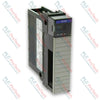
Allen-Bradley 1756-DHRIO ControlLogix Modulo di comunicazione DH Plus e RIO | Original New | In Stock | View Details |
Global Express Shipping
Returns & Warranty
Orders are processed and delivered Monday-Friday (excluding public holidays).
For full eligibility, restocking fees, and international return details, please view our official Refund & Return Policy .
| Color pattern |
Black
Greyish White
|
| Country of origin |
United States
|
| Power source |
DC Power
|

Compare the IC693CPU360 and IC693CPU364 by Ethernet interface, +5 VDC load, memory, rack limits, and replacement checks.

A field-first diagnostic sequence for 1756-OF4 analog output problems: channel mode, removable terminal block, scaling, and controlled electrical checks.

A direct comparison of 1746-OA8 and 1746-OA16 output count, common grouping, backplane current and temperature-derated load limits.

A field checklist for recording the 1761-NET-DNI hardware series, firmware, EDS file, DF1 settings, DeviceNet address and messaging configuration before replacement.

The EL3062 is a 0–10 V EtherCAT terminal. The EL3062-0030 is a 0–30 V variant. This checklist covers identification, scaling and commissioning.

A field checklist for replacing Allen-Bradley 1769-OW8 relay output modules without losing load-group, wiring, and commissioning details.