


IC693CPU360 vs IC693CPU364: Ethernet and Power Budget
Compare the IC693CPU360 and IC693CPU364 by Ethernet interface, +5 VDC load, memory, rack limits, and replacement checks.
Manufacturer: Mitsubishi Electric
Product No.: HG-JR703
Country of origin:United States
Product Type: Motori servo AC
Payment: T/T, Western Union
Weight: 8000g
Shipping port: Xiamen
Warranty: 12 months
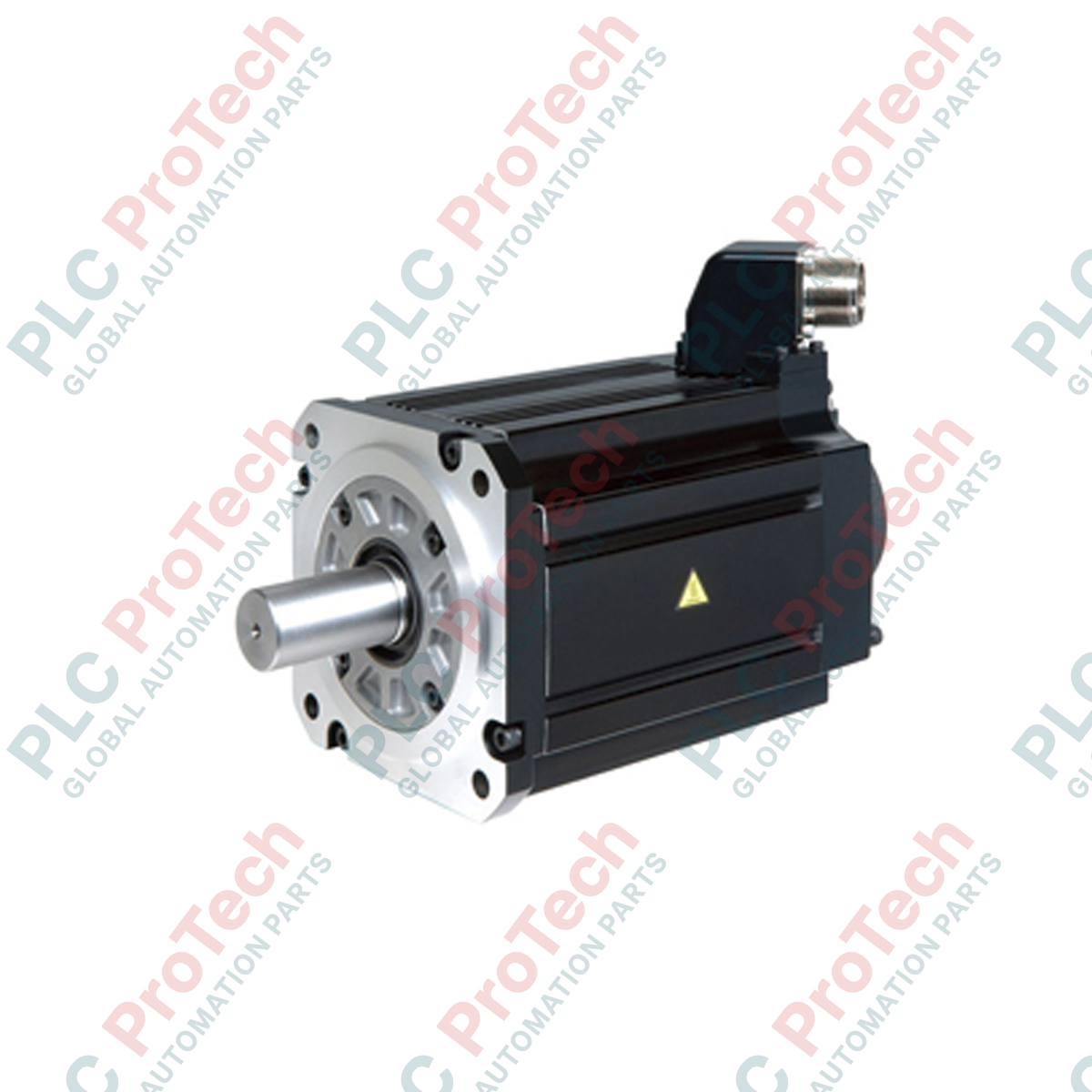
Progettato per il controllo del movimento industriale più impegnativo, il servomotore AC Mitsubishi Electric HG-JR703 offre prestazioni ad alta inerzia all'interno dell'ecosistema di azionamento MELSERVO-J4. Questo motore rotativo di livello industriale è ottimizzato per applicazioni che richiedono un'erogazione stabile della coppia e la gestione di carichi elevati. Dotato di un encoder assoluto ad alta risoluzione a 22 bit, offre una precisione di posizionamento e un'affidabilità del feedback elevate, anche in condizioni operative gravose. La robusta struttura con grado di protezione IP67 garantisce una lunga durata in ambienti soggetti a polvere, umidità e schizzi di olio non corrosivo, rendendolo una scelta standard per i sistemi di produzione e automazione per carichi pesanti.
| Parametro | Valore |
|---|---|
| Produttore | Mitsubishi Electric |
| Numero di modello | HG-JR703 |
| Nome della serie | Serie HG-JR (MELSERVO-J4) |
| Potenza nominale in uscita | 7,0 kW |
| Velocità nominale | 1500 r/min |
| Velocità massima | 3000 r/min |
| Coppia nominale | 44,6 Nm |
| Tipo di encoder | Encoder assoluto a 22 bit |
| Grado di protezione IP | IP67 (escluso l'albero) |
| Temperatura ambiente di esercizio | Da 0 a 40 degC |
| Paese di origine | Giappone |
| Peso di spedizione (calcolato) | 29,0 kg |
L'HG-JR703 è il successore tecnico diretto dei motori della precedente serie HC-SFS702. Durante la migrazione dalla serie precedente, è necessario riconfigurare i parametri all'interno dell'amplificatore servo MR-J4 in modo che corrispondano al profilo di risoluzione assoluta a 22 bit. Assicurarsi che i cavi di alimentazione e dell'encoder associati siano aggiornati per supportare il moderno design del connettore a doppio blocco, poiché la piedinatura differisce da quella dei terminali a vite della serie precedente.
A causa della classe di potenza di 7,0 kW e del design ad alta inerzia, l'energia rigenerativa generata durante i cicli di decelerazione può essere notevole. Nella progettazione del quadro di controllo, la capacità di rigenerazione interna standard del servoazionamento viene spesso superata durante i cicli di decelerazione rapida. Installare una resistenza esterna per l'opzione di rigenerazione, adeguatamente dimensionata (come la MR-RB137-4), per prevenire gli interventi per sovratensione (AL.30/AL.33) sul driver. Assicurare una ventilazione adeguata intorno all'estremità non lato azionamento per prevenire l'attivazione di guasti termici durante il funzionamento con cicli di lavoro elevati.
Gli encoder ad alta risoluzione sono sensibili alle interferenze elettromagnetiche (EMI). Instradare i cavi di alimentazione e dell'encoder in canaline separate, mantenendo una distanza minima di 30 cm. Verificare che il telaio del motore sia collegato direttamente a terra alla sbarra PE del quadro del sistema principale mediante una treccia di massa a bassa impedenza. Per il funzionamento con posizione assoluta, impostare il parametro PA03 nell'amplificatore MR-J4 prima di avviare la sequenza di homing.
Prima di eseguire qualsiasi cablaggio o accoppiamento meccanico sul motore, disalimentare l'interruttore principale del circuito dell'amplificatore servo. Attendere almeno 15 minuti affinché i condensatori del bus interno si scarichino completamente. Verificare che la spia di carica sulla parte anteriore dell'amplificatore sia completamente spenta prima di toccare i terminali.

Global Express Shipping
Returns & Warranty


Global Express Shipping
Returns & Warranty
Orders are processed and delivered Monday-Friday (excluding public holidays).
For full eligibility, restocking fees, and international return details, please view our official Refund & Return Policy .
| Country of origin |
United States
|

Compare the IC693CPU360 and IC693CPU364 by Ethernet interface, +5 VDC load, memory, rack limits, and replacement checks.

A field-first diagnostic sequence for 1756-OF4 analog output problems: channel mode, removable terminal block, scaling, and controlled electrical checks.

A direct comparison of 1746-OA8 and 1746-OA16 output count, common grouping, backplane current and temperature-derated load limits.

A field checklist for recording the 1761-NET-DNI hardware series, firmware, EDS file, DF1 settings, DeviceNet address and messaging configuration before replacement.

The EL3062 is a 0–10 V EtherCAT terminal. The EL3062-0030 is a 0–30 V variant. This checklist covers identification, scaling and commissioning.

A field checklist for replacing Allen-Bradley 1769-OW8 relay output modules without losing load-group, wiring, and commissioning details.