Gambaran Keseluruhan Produk
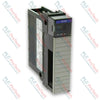
ALR121-S51 S1 Yokogawa ialah modul komunikasi bersiri 2 port berkeandalan tinggi yang direka bentuk untuk Sistem Kawalan Teragih (DCS) CENTUM VP. Berfungsi sebagai jambatan pertukaran data utama, modul ini digunakan secara meluas di kilang penapisan, stesen janakuasa dan kemudahan pemprosesan kimia untuk mengintegrasikan subsistem—seperti PLC, sistem keselamatan dan instrumen analisis—secara langsung ke dalam Stesen Kawalan Medan (FCS). Dengan menyokong kedua-dua protokol komunikasi bersiri RS-422 titik ke titik (4 wayar) dan RS-485 pelbagai titik, modul ini membolehkan sambungan lancar kepada subsistem Modbus, MELSEC atau Allen-Bradley SLC500. Dilengkapi salutan perlindungan kakisan ISA Standard G3, modul Gaya 1 ini memastikan pemantauan proses yang berterusan tanpa gangguan. Pautan data ketersediaan tinggi ini secara aktif mencegah gangguan isyarat dan menghapuskan kesesakan komunikasi, sekali gus melindungi tempoh operasi kritikal serta mengurangkan masa henti loji yang tidak dirancang.
Perincian Sufiks
Kod pesanan sistem bagi modul ALR121-S51 S1 mentakrifkan ketahanan perkakasan, perlindungan persekitaran dan semakan gaya pengeluarannya:
-
ALR121: Penanda model asas bagi Modul Komunikasi Bersiri 2 Port (RS-422/RS-485).
-
-S: Modul jenis standard yang direka bentuk untuk rangkaian industri standard.
-
5: Dikonfigurasikan tanpa perlindungan letupan khusus (sesuai untuk bilik kawalan standard atau pemasangan rak berbersih).
-
1: Dilengkapi salutan konformal ISA Standard G3 untuk perlindungan unggul terhadap gas mengakis.
-
S1: Semakan reka bentuk Gaya 1, yang menunjukkan piawaian binaan perkakasan fizikal untuk keserasian slot FIO.
Spesifikasi Teknikal
| Parameter |
Nilai Spesifikasi Diperakui |
| Model |
ALR121-S51 S1 |
| Jenama |
Yokogawa Electric Corporation |
| Asal |
Jepun |
| Port |
2 port (sistem 4 wayar RS-422 atau RS-485) |
| Kelajuan Antara Muka |
1200 / 2400 / 4800 / 9600 / 19200 / 38400 bps |
| Topologi Sambungan |
Titik ke titik (RS-422); Pelbagai titik (RS-485) |
| Mod Komunikasi |
Separuh dupleks |
| Kaedah Penyegerakan |
Penyegerakan mula-henti |
| Kapasiti Perkataan Data |
1000 perkataan bagi setiap modul |
| Definisi Komunikasi |
Sehingga 128 definisi bagi setiap modul |
| Jarak Penghantaran Maksimum |
1200 m (jumlah panjang kabel sambungan) |
| Penggunaan Arus Sistem |
0.5 A pada 5 V DC |
| Antara Muka Pendawaian I/O |
Kabel dengan perisai 3 pasangan, kabel AKB161 atau AKB162 |
| Berat Fizikal |
0.30 kg |
Soalan Lazim Teknikal
-
S: Bolehkah kedua-dua port pada ALR121-S51 S1 menjalankan protokol komunikasi yang berbeza secara serentak?
J: Tidak. Satu modul komunikasi hanya memilih satu fungsi komunikasi pada satu-satu masa. Kedua-dua port 1 dan port 2 mesti dikonfigurasikan dengan fungsi komunikasi yang sama (contohnya, kedua-dua port menjalankan Modbus RTU). Anda tidak boleh mengkonfigurasikan port 1 untuk Modbus dan port 2 untuk MELSEC-A pada modul yang sama.
-
S: Adakah ALR121-S51 S1 serasi dengan komunikasi dwilewah?
J: Ya. Komunikasi dwilewah sepenuhnya disokong apabila menggunakan fungsi komunikasi FA-M3, Modbus atau MELSEC-A. Ini memerlukan pemasangan sepasang modul ALR121 yang sepadan dalam slot bersebelahan unit nod FCS yang serasi.
-
S: Apakah kepentingan parameter "Masa lengah selepas penghantaran data"?
A: Masa lengah 1 ms ialah kelewatan perkakasan mandatori yang dikuatkuasakan oleh modul untuk beralih daripada mod pemancar kepada mod penerima. Kelewatan tepat ini menghalang perlanggaran isyarat transceiver, memastikan modul hanya mula mengimbas data subsistem masuk selepas penghantarannya sendiri selesai sepenuhnya.
Panduan Kejuruteraan & Pemasangan
-
Pembumian Perisai dan Penghalaan Kabel: Sentiasa gunakan kabel berperisai 3 pasangan berkualiti tinggi (seperti Yokogawa AKB161 atau AKB162) untuk pautan bersiri. Sambungkan perisai keseluruhan kabel ke pembumian rangka kabinet pada hujung FCS sahaja. Pastikan perisai diasingkan pada hujung peranti medan untuk mengelakkan gelung bumi berbahaya daripada memasukkan hingar ke talian komunikasi RS-422/RS-485.
-
Protokol Sambungan Blok Terminal: Pasangkan wayar medan terus pada blok terminal 5 kutub x 2 modul menggunakan lug terminal gelang M4. Ketatkan skru terminal mengikut tork standard yang disyorkan untuk mengelakkan sambungan longgar dalam persekitaran kawalan dengan getaran tinggi, yang boleh menyebabkan ralat CRC terputus-putus.
-
Keperluan Penamatan Talian: Untuk rangkaian multipoint RS-485 jarak jauh (menghampiri maksimum 1200 m), sentiasa pasang perintang penamatan 120 Ohm merentasi talian terminal RX+ dan RX- pada peranti yang secara fizikalnya terakhir pada bas. Ini menghalang pantulan isyarat daripada memesongkan bit data mula-henti.