


Commissioning Quantum Inputs with the 140XSM00200 Simulator
A controlled commissioning method for using the 140XSM00200 simulator to verify Modicon Quantum input mapping and interlocks before reconnecting field wiring.
Pengilang: Omron
No. Produk: F3SJ-E0385N25
Negara asal:Jepun
Jenis Produk: Langsir Cahaya Keselamatan
Pembayaran: T/T, Western Union
Berat: 3000g
Pelabuhan penghantaran: Xiamen
Jaminan: 12 bulan
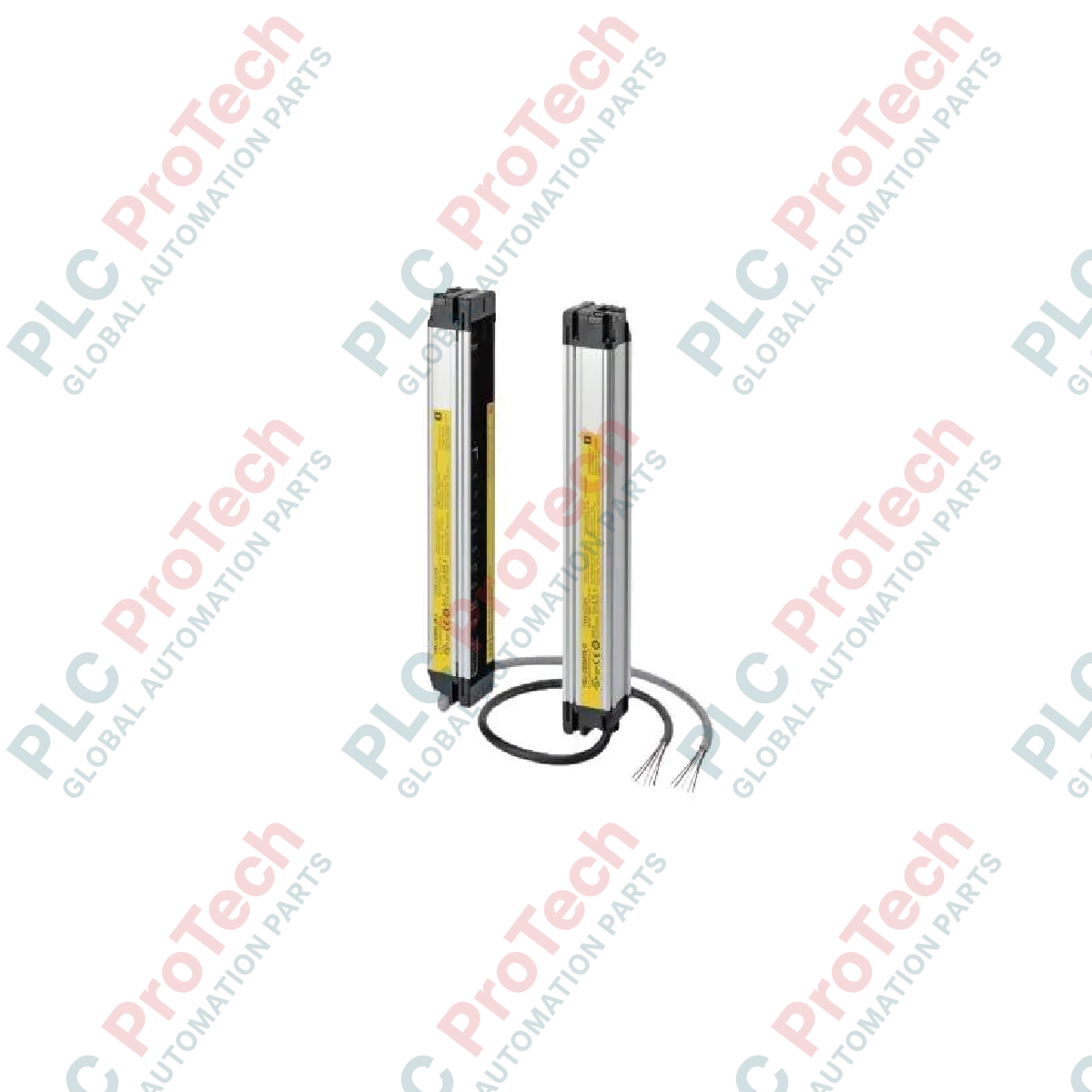
Sebagai perlindungan tangan dan lengan dalam seni bina perlindungan mesin, penghalang keselamatan optoelektronik Omron F3SJ-E0385N25 ini direka bentuk untuk pengesanan industri yang sangat boleh dipercayai. Langsir cahaya keselamatan Jenis 4 ini mempunyai konfigurasi 18 pancaran dengan resolusi 25 mm (keupayaan pengesanan), menjadikannya ideal untuk perlindungan titik operasi. Beroperasi menggunakan logik NPN, ia berintegrasi dengan lancar ke dalam sistem kawalan yang memerlukan output keselamatan jenis sink, manakala perumah IP65-nya menawarkan perlindungan kukuh daripada habuk dan pancutan air dalam persekitaran kilang yang mencabar.
| Parameter | Nilai Spesifikasi |
|---|---|
| Pengilang | Omron |
| Nombor Model | F3SJ-E0385N25 |
| Jenis Sensor | Langsir Cahaya Keselamatan Jenis 4 |
| Jenis Output | NPN |
| Bilangan Pancaran | 18 |
| Ketinggian Perlindungan | 385 mm |
| Keupayaan Pengesanan | Diameter 25 mm |
| Jarak Pancaran (Pic) | 20 mm |
| Julat Operasi | 0.2 hingga 7.0 m |
| Voltan Bekalan Kuasa | 24 VDC +/-20% (SELV/PELV, riak p-p maks. 10%) |
| Penggunaan Arus (Pemancar) | 41 mA maks. |
| Penggunaan Arus (Penerima) | 40 mA maks. |
| Sumber Cahaya | LED Inframerah (870 nm) |
| Penarafan IP | IP65 |
| Berat Bersih | 1.5 kg |
| Berat Penghantaran (Dikira) | 3.0 kg |
Model Alternatif & Keserasian: Siri F3SJ-E (Easy) dioptimumkan untuk perlindungan keselamatan hidup/mati yang mudah tanpa fungsi tambahan. Jika aplikasi anda memerlukan penyusunan berantai (sambungan bersiri beberapa tirai cahaya), blanking atau fungsi muting, anda mesti beralih kepada siri F3SJ-B (Basic) atau F3SJ-A (Advanced), kerana ciri-ciri ini tiada secara fizikal dalam perisian tegar dan profil perkakasan F3SJ-E.
Perkara yang Perlu Dielakkan & Nota Kejuruteraan: Oleh sebab F3SJ-E0385N25 mempunyai output NPN, adalah penting untuk mengesahkan konfigurasi input pengawal keselamatan anda. Menyambungkan tirai cahaya keselamatan NPN kepada kad input keselamatan PNP sahaja akan menyebabkan ralat diagnostik yang tidak dapat diselesaikan, sekali gus menghalang litar keselamatan daripada ditetapkan semula. Selain itu, pastikan bekalan kuasa anda memenuhi keperluan SELV/PELV untuk mengelakkan isu hingar mod sepunya yang boleh mencetuskan kerosakan optik palsu.
Petua Pentauliahan & Pendawaian: Semasa pentauliahan di tapak, lalukan talian penyegerakan jauh daripada kabel AC berkuasa tinggi atau pemacu frekuensi boleh ubah (VFD). Gangguan elektromagnet pada laluan penyegerakan boleh menyebabkan kehilangan penyegerakan sementara, lalu penerima memancarkan penunjuk ralat walaupun laluan optik telah dijajarkan secara mekanikal dan tidak terhalang.

Global Express Shipping
Returns & Warranty
Penghantaran Ekspres Global
Pemulangan & Jaminan
Pesanan diproses dan dihantar Isnin-Jumaat (tidak termasuk cuti umum).
Untuk kelayakan penuh, yuran penyimpanan semula, dan butiran pemulangan antarabangsa, sila lihat rasmi kami Polisi Pemulangan & Bayaran Balik .
| Country of origin |
Jepun
|

A controlled commissioning method for using the 140XSM00200 simulator to verify Modicon Quantum input mapping and interlocks before reconnecting field wiring.

Senarai semak pentauliahan untuk ProSoft PLX32-EIP-MBTCP yang merangkumi pemisahan subnet, kontrak daftar, pemasaan EtherNet/IP, ujian kegagalan dan rekod penggantian.

Senarai semak lapangan untuk arahan geganti IC693MDL916, blok terminal, arus beban, kadar pensuisan dan ukuran pada bahagian sentuhan.

Senarai semak lapangan untuk ambang isyarat, arah pembilang, data proses dan perbezaan pendawaian KL1512-ke-KS1512.

Senarai semak lapangan untuk had arus EPP2008-0001, voltan bekalan, LED saluran, pengekodan penyambung dan kerosakan output berkaitan beban.

Sebelum memindahkan lesen TwinCAT 3 dengan Beckhoff C9900-L100, sahkan binaan TwinCAT, huraian peranti XML, kod pesanan yang tepat dan had kabinet.