Opis
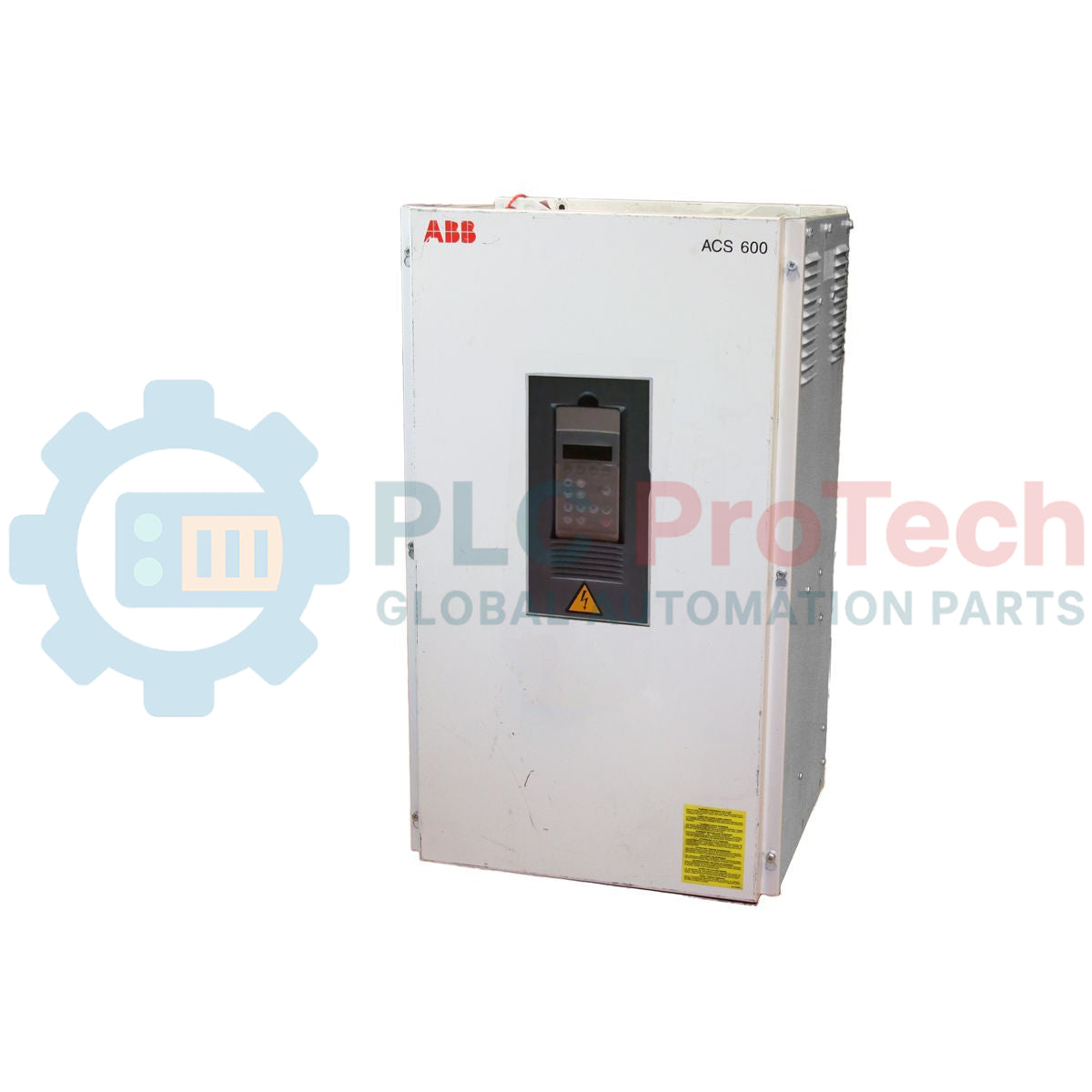
Optymalizując sterowanie silnikami do dużych obciążeń w wymagających instalacjach przemysłowych, ABB ACS601-0100-3 jest wysokowydajnym, trójfazowym przemiennikiem częstotliwości AC przeznaczonym do precyzyjnej regulacji prędkości i momentu obrotowego silników indukcyjnych. Wykorzystując autorską platformę ABB Direct Torque Control (DTC), przemiennik ten zapewnia szybką dynamiczną reakcję momentu bez konieczności stosowania sprzężenia zwrotnego z enkodera w większości standardowych zastosowań. Solidna konstrukcja fizyczna obejmuje konfigurację do montażu naściennego, zintegrowany dławik sieciowy ograniczający harmoniczne wejściowe oraz kompatybilność z różnymi adapterami komunikacji przemysłowej, co zapewnia bezproblemową integrację z systemem.
Funkcje
-
Bezpośrednie sterowanie momentem (DTC): Zapewnia wysoką wydajność sterowania silnikiem, wyjątkową dynamikę momentu i dokładność prędkości.
-
Zintegrowana redukcja harmonicznych: Wbudowany dławik AC ogranicza harmoniczne w sieci zasilającej i chroni stopnie prostownika wejściowego.
-
Elastyczna komunikacja: Kompatybilność z opcjonalnymi modułami magistrali obiektowej umożliwia integrację z sieciami PROFIBUS, Modbus i EtherNet.
-
Solidna ochrona IP21: Przeznaczony do standardowych przemysłowych środowisk montażu naściennego.
-
Kompleksowa ochrona: Monitorowanie w czasie rzeczywistym nadprądu, przepięcia, przeciążenia cieplnego silnika i upływu doziemnego.
Zastosowania
- Przemysłowe pompy odśrodkowe do dużych obciążeń i wentylatory do oczyszczania ścieków.
- Ciągły transport materiałów, przenośniki do dużych obciążeń i systemy sortowania.
- Napędy wytłaczarek, mieszalniki przemysłowe i mieszadła wysok momentu obrotowego w przetwórstwie chemicznym.
Specyfikacje techniczne
| Parametr |
Wartość parametru |
| Producent |
ABB |
| Oznaczenie modelu |
ACS601-0100-3 |
| Seria produktu |
ACS 600 |
| Znamionowa moc |
75 kW (100 HP) |
| Zakres napięcia wejściowego |
380–415 V AC, 3-fazowe |
| Znamionowy prąd wyjściowy |
Około 140–150 A (w zależności od częstotliwości nośnej) |
| Zakres częstotliwości wejściowej |
Od 48 Hz do 63 Hz |
| Stopień ochrony obudowy |
IP21 (standardowy montaż naścienny) |
| Zakres temperatury pracy |
Od 0 do 40°C |
| Wymiary fizyczne |
175 cm x 58 cm x 79 cm |
| Masa netto |
88,00 kg |
| Kod towarowy |
85044095 |
Połączenia i interfejsy
Konfiguracje listwy zaciskowej zintegrowanej płyty sterującej NIOC-01 zapewniają wszechstronne, izolowane interfejsy sterowania:
| Listwa zaciskowa / blok złączy |
Funkcja i przypisanie |
| X21 (Wejścia/wyjścia analogowe) |
Obsługuje 2 programowalne różnicowe wejścia analogowe i 2 programowalne wyjścia analogowe. |
| X22 (Wejścia cyfrowe) |
6 programowalnych wejść cyfrowych do obsługi poleceń uruchamiania/zatrzymywania, zmiany kierunku i blokady wzajemnej. |
| X23 (Wyjścia przekaźnikowe) |
3 programowalne wyjścia styków przekaźnikowych do sygnalizacji stanu systemu i usterek. |
| X25 (zasilanie wewnętrzne) |
Dedykowane zaciski pomocniczego zasilania sterowania +24 V DC. |
Modele alternatywne i zgodność
Podczas modernizacji starszych systemów pamiętaj, że ACS601 (montowany na ścianie) różni się konstrukcyjnie od ACS604 (moduły instalowane w szafie) oraz ACS607 (wstępnie zmontowane szafy napędowe). Różnice w głównych płytach sterujących, takich jak płyty NAMC-11 lub NAMC-51, decydują o zgodności oprogramowania sprzętowego. Przed wymianą komponentów w terenie upewnij się, że bazy parametrów i wersje oprogramowania sprzętowego są zgodne, ponieważ ich niedopasowanie może wywołać błędy komunikacji na kanale DDCS.
Typowe problemy aplikacyjne i uwagi inżynieryjne
Starzenie kondensatorów elektrolitycznych: Jeśli ten przekształtnik był przechowywany bez zasilania elektrycznego przez ponad dwa lata, kondensatory obwodu pośredniego należy przeformować przed podaniem pełnego napięcia sieciowego. Szybkie podanie napięcia sieciowego na kondensatory bez kondycjonowania może spowodować natychmiastowe uszkodzenie sprzętu lub usterki związane z przepięciem obwodu pośredniego. Użyj regulowanego zasilacza prądu stałego, aby stopniowo odtworzyć warstwy dielektryczne zgodnie z instrukcjami serwisowymi ABB.
Wskazówki dotyczące uruchamiania i okablowania
Zawsze stosuj symetryczne, ekranowane kable silnikowe, aby ograniczyć prądy wysokoczęstotliwościowe trybu wspólnego. Standardowe kable nieekranowane mogą powodować emisję częstotliwości radiowych i wysokie napięcia na wale, przyspieszając uszkodzenie łożysk silnika. Upewnij się, że połączenie zacisku uziemienia PE wykonano za pomocą obejmy ekranującej o zakresie co najmniej 360° zarówno przy wsporniku przekształtnika, jak i na ramie silnika, aby zminimalizować zakłócenia elektromagnetyczne.
Wytyczne dotyczące instalacji
KRYTYCZNE OSTRZEŻENIE DOTYCZĄCE BEZPIECZEŃSTWA
Przed otwarciem obudowy zapewnij całkowite odłączenie od energii elektrycznej sieci. Kondensatory obwodu pośredniego wysokiego napięcia zachowują niebezpieczny ładunek resztkowy nawet po odłączeniu zasilania wejściowego. Po odłączeniu odczekaj co najmniej 5 minut i przed rozpoczęciem prac sprawdź odpowiednim multimetrem, czy napięcie obwodu pośredniego spadło poniżej 50 V DC.
1
Zamontuj przekształtnik pionowo na sztywnej, niepalnej powierzchni. Zapewnij co najmniej 300 mm wolnej przestrzeni chłodzącej nad i pod ścieżkami wlotu i wylotu powietrza wewnętrznego wentylatora.
2
Poprowadź kable zasilania sieciowego oraz wyjściowe kable faz silnika przez oddzielne, dedykowane metalowe przepusty, aby zapobiec sprzężeniom elektromagnetycznym.
3
Zabezpiecz całe cyfrowe, analogowe i komunikacyjne okablowanie sterujące w ekranowanych przewodach. Przewody odprowadzające ekranu podłączaj wyłącznie do przeznaczonych do tego płyt uziemienia obudowy wewnątrz napędu.