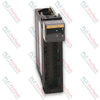
Opis
Zaprojektowany do integracji ze standardowymi sieciami K-bus moduł Beckhoff KL4022 umożliwia precyzyjne przetwarzanie sygnałów sterujących w pętli prądowej. Ten zacisk przekształca 12-bitowe wartości cyfrowe z systemu sterownika automatyki w izolowane analogowe wyjścia prądowe w standardowym zakresie 4 do 20 mA. Topologia z wyjściem niesymetrycznym, kompaktowa obudowa i krótki czas opóźnienia konwersji sprawiają, że doskonale nadaje się do wymagających zastosowań związanych ze sterowaniem siłownikami przemysłowymi, pozycjonowaniem zaworów i konfiguracją wartości zadanych napędów silnikowych.
Cechy
- Dwukanałowa konfiguracja wyjścia analogowego wykorzystująca architekturę ze wspólną masą i wyjściami niesymetrycznymi.
- Niezawodna 12-bitowa konwersja cyfrowo-analogowa zapewniająca precyzję pętli sterowania.
- Wysokiej jakości izolacja elektryczna 500 V między wewnętrzną magistralą K-bus a sygnałami obiektowymi.
- Szybka wewnętrzna sekwencja konwersji z typowym czasem przetwarzania wynoszącym 1,5 milisekundy.
- Wydajna dystrybucja zasilania dzięki zintegrowanym stykom zasilania 24 V DC na płycie bazowej.
Zastosowania
- Elektropneumatyczne i elektrohydrauliczne pozycjonery zaworów proporcjonalnych.
- Wartości zadane prędkości dla przemienników częstotliwości i napędów o zmiennej prędkości (VSD).
- Interfejsy rozproszonych systemów SCADA oraz oprzyrządowania do sterowania procesami.
- Sprzężenie zwrotne regulatora obiegu kotła przemysłowego i elementu grzejnego.
Specyfikacje techniczne
| Parametr |
Wartość / znamionowa |
| Producent |
Beckhoff Automation |
| Numer modelu |
KL4022 |
| Zakres sygnału |
4 do 20 mA |
| Liczba kanałów |
2 |
| Rozdzielczość |
12-bitowa |
| Impedancja obciążenia |
Mniej niż 500 omów |
| Czas konwersji |
ok. 1,5 ms |
| Błąd wyjścia |
Mniej niż +/- 0,1% (w odniesieniu do wartości pełnej skali) |
| Zasilanie |
24 V DC przez styki zasilania (lub 15 V DC przez zacisk zasilający KL9515) |
| Pobór prądu przez K-Bus |
typ. 75 mA |
| Izolacja elektryczna |
500 V (K-bus / napięcie sygnałowe) |
| Temperatura pracy |
-25 do +60°C |
| Temperatura przechowywania |
-40 do +85°C |
| Wilgotność względna |
95%, bez kondensacji |
| Kraj pochodzenia |
Niemcy |
| Masa |
ok. 80 g |
| Obliczona masa wysyłkowa |
0,25 kg |
Połączenia i interfejsy
| Punkt zaciskowy |
Przyporządkowanie sygnałów |
Opis |
| 1 |
OUT 1 |
Kanał 1 wyjścia analogowego (+) |
| 5 |
0V (1) |
Masa kanału 1 wyjścia analogowego (-) |
| 2 |
OUT 2 |
Kanał 2 wyjścia analogowego (+) |
| 6 |
0V (2) |
Masa kanału 2 wyjścia analogowego (-) |
| 3 |
+24 V |
Połączenie styków zasilania (+24 V DC) |
| 7 |
0 V |
Połączenie styków zasilania (0 V DC) |
| 4 |
Ekran |
Punkt styku ekranu (połączony z szyną DIN) |
| 8 |
Ekran |
Punkt styku ekranu (połączony z szyną DIN) |
Wnioski z badań inżynieryjnych
Alternatywne modele i kompatybilność
KL4022 wykorzystuje starszy system komunikacji po magistrali K-bus na płycie tylnej firmy Beckhoff. W przypadku przejścia na infrastrukturę EtherCAT bezpośrednim odpowiednikiem jest EL4022. Należy pamiętać, że zaciski serii EL wykorzystują magistralę E-bus i nie mogą być podłączane do standardowych sprzęgaczy serii KL (np. BK9000, BK3120) bez aktywnych sprzęgaczy konwertujących E-bus/K-bus.
Pułapki aplikacyjne i uwagi inżynierskie
Ponieważ KL4022 jest zaciskiem niesymetrycznym ze wspólną wewnętrzną pętlą uziemienia, zakłócenia wprowadzone do punktu odniesienia sygnału 0 V jednej pętli mogą powodować przesłuchy lub dryft offsetu w kanale dodatkowym. W instalacjach obiektowych, w których występują znaczne różnice potencjałów uziemienia, między KL4022 a elementem wykonawczym należy zainstalować izolowane bariery kondycjonowania sygnału, aby zapobiec pogorszeniu parametrów pętli.
Wskazówki dotyczące uruchamiania i okablowania
Upewnij się, że ekranowanie jest prawidłowo zakończone. Punkty zaciskowe 4 i 8 są połączone z szyną montażową. Aby zapewnić wystarczające tłumienie zakłóceń, standardowa szyna DIN 35 mm musi być połączona z uziemieniem centralnej szafy sterowniczej za pomocą miedzianej plecionki o niskiej impedancji. Upewnij się, że styki zasilania K-bus są odpowiednio zasilane napięciem 24 V DC; spadki napięcia poniżej 18 V DC powodują błędy konwersji lub sygnały usterki zacisku w systemie TwinCAT.
Wytyczne dotyczące instalacji
KRYTYCZNE OSTRZEŻENIE: ZAGROŻENIE ELEKTRYCZNE
Przed wkładaniem lub wyjmowaniem komponentów K-bus odłącz i zabezpiecz przed ponownym włączeniem wszystkie zasilacze systemu. Modyfikowanie konfiguracji fizycznej lub zestawu zacisków przy włączonym zasilaniu może powodować skoki napięcia, prowadzące do uszkodzenia wewnętrznych układów sterownika magistrali lub fizycznych styków zacisku.
1
Zamontuj zacisk na szynie DIN 35 mm (EN 60715), wsuwając tylny rowek zacisku na prowadnicę szyny, aż zatrzask blokujący wyraźnie kliknie.
2
Ustaw zacisk w jednej linii bocznej z sąsiednim modułem zacisku magistrali, aby połączyć złącze pióro-wpust i zapewnić ciągły kontakt elektryczny za pośrednictwem bocznych złoconych styków.
3
Włóż przewody połączeń obiektowych do złączy sprężynowych typu Cage Clamp za pomocą odpowiedniego wkrętaka przemysłowego. Zwolnij mechanizm, aby zabezpieczyć połączenie przewodu.
4
Podłącz ekranowanie analogowej pętli bezpośrednio do styków 4 lub 8, aby zapewnić bezpośrednie uziemienie przez konstrukcję szyny DIN.