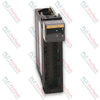
Opis
Generując precyzyjne analogowe sygnały sterujące w ramach systemu Beckhoff I/O, Beckhoff KL4424 działa jako wysokiej gęstości, czterokanałowy moduł wyjść prądowych. Zacisk został zaprojektowany do przetwarzania sygnałów w standardowym zakresie 4–20 mA i zapewnia wysoką rozdzielczość oraz izolację galwaniczną elementów wykonawczych, zaworów sterujących i wskaźników pętli prądowej na poziomie obiektowym. Jego solidna konstrukcja jest zoptymalizowana do pracy w środowiskach wymagających niezawodnej odporności na zakłócenia oraz stabilnego działania przy zmiennych warunkach termicznych.
Najważniejsze cechy
-
Cztery kanały niesymetryczne: Kompaktowa integracja czterech wyjść analogowych w jednej obudowie zacisku Bus Terminal o szerokości 12 mm.
-
Rozdzielczość 12-bitowa: Precyzyjna konwersja cyfrowo-analogowa zapewniająca dokładne sterowanie procesem.
-
Zabezpieczenie przed zwarciem: Wyjścia są chronione przed błędami okablowania i zmianami obciążenia do 350 omów.
-
Elastyczne opcje zasilania: Standardowe zasilanie przez styki 24 V DC, z obsługą napięcia 15 V DC przez zacisk zasilający KL9515.
-
Izolacja galwaniczna: Zapewnia izolację 500 V między wewnętrzną elektroniką K-bus a kanałami sygnałowymi.
-
Kompleksowe certyfikaty: Dopuszczenie do stosowania w strefach zagrożonych wybuchem zgodnie z ATEX, IECEx oraz cFMus Class I Division 2.
Zastosowania
- Pozycjonery zaworów regulacyjnych i siłowniki pneumatyczne w rafineriach ropy naftowej i gazu.
- Sterowanie prędkością przemienników częstotliwości za pomocą standardowych pętli prądowych.
- Sterowanie oprzyrządowaniem procesowym w zakładach przetwórstwa chemicznego.
- Systemy konfiguracji przepływu wody i ścieków.
Dane techniczne
| Parametr |
Wartość / specyfikacja |
| Producent |
Beckhoff Automation |
| Seria modelowa |
System zacisków KL-Bus (KL4xxx) |
| Liczba wyjść |
4 niesymetryczne |
| Zakres prądu sygnałowego |
4...20 mA |
| Rozdzielczość |
12-bitowa |
| Ograniczenie obciążenia wyjścia |
< 350 omów (zabezpieczenie przed zwarciem) |
| Błąd wyjścia |
< ±0,1% (w odniesieniu do wartości końca skali) |
| Czas konwersji |
ok. 4 ms |
| Napięcie zasilania |
24 V DC przez styki zasilania (lub 15 V DC przez KL9515) |
| Pobór prądu (K-bus) |
typ. 20 mA |
| Pobór prądu (styki zasilania) |
typ. 60 mA + prąd obciążenia |
| Izolacja galwaniczna |
500 V (K-bus / napięcie sygnałowe) |
| Szerokość bitowa obrazu procesu |
4 × 16-bitowe dane wyjściowe (opcjonalnie 4 × 8-bitowe dane sterujące/statusowe) |
| Temperatura pracy |
0°C do +55°C |
| Temperatura przechowywania |
-25°C do +85°C |
| Wilgotność względna |
95%, bez kondensacji |
| Odporność na wibracje i wstrząsy |
Zgodność z EN 60068-2-6 / EN 60068-2-27 |
| Odporność na zakłócenia / emisja EMC |
Zgodność z EN 61000-6-2 / EN 61000-6-4 |
| Stopień ochrony |
IP20 (zmienna pozycja montażu) |
| Masa netto |
ok. 75 g |
| Masa wysyłkowa (obliczona) |
0,15 kg |
| Wymiary opakowania (obliczone) |
12,0 x 7,0 x 3,0 cm |
| Dopuszczenia do stosowania w strefach zagrożonych |
ATEX II 3 G Ex nA IIC T4 Gc / IECEx Ex ec IIC T4 Gc / cFMus Cl. I Div 2 |
Połączenia i interfejsy
| Punkt zaciskowy |
Nazwa sygnału |
Opis |
| 1 |
Wyjście 1 |
Wyjście analogowe 1 (4...20 mA) |
| 2 |
Wyjście 2 |
Wyjście analogowe 2 (4...20 mA) |
| 3 |
Wyjście 3 |
Wyjście analogowe 3 (4...20 mA) |
| 4 |
Wyjście 4 |
Wyjście analogowe 4 (4...20 mA) |
| 5 |
0 V |
Wspólny punkt odniesienia masy (styk zasilania) |
| 6 |
0 V |
Wspólny punkt odniesienia masy (styk zasilania) |
| 7 |
0 V |
Wspólny punkt odniesienia masy (styk zasilania) |
| 8 |
0 V |
Wspólny punkt odniesienia masy (styk zasilania) |
Modele alternatywne i kompatybilność
Zacisk wykorzystuje standardową komunikację magistrali K-bus na płycie montażowej i można go bezproblemowo łączyć z innymi standardowymi zaciskami magistrali. W instalacjach wymagających rozłącznych wiązek przewodów w celu skrócenia czasu konserwacji obiektowej wersja KS4424 stanowi bezpośredni odpowiednik sprzętowy wyposażony w rozłączane bloki złączy.
Typowe problemy aplikacyjne i uwagi inżynierskie
Podczas doboru pętli prądowych upewnij się, że całkowita rezystancja pętli nie przekracza 350 omów. Przekroczenie tego limitu spowoduje nasycenie sterownika wyjściowego przed osiągnięciem pełnego poziomu sygnału 20 mA, co doprowadzi do nieliniowego sterowania. W szafach o dużej gęstości zabudowy i podwyższonej temperaturze otoczenia rozważ zasilanie zacisku napięciem 15 V DC za pomocą zacisku KL9515, aby ograniczyć lokalne rozpraszanie ciepła wewnątrz obudowy.
Wskazówki dotyczące uruchamiania i okablowania
Aby chronić czułe analogowe sygnały niskopoziomowe przed zakłóceniami elektromagnetycznymi, we wszystkich przewodach wyjściowych należy stosować ekranowane skrętki dwużyłowe (STP). Ekran przewodu należy uziemić wyłącznie w punkcie wejścia do szafy sterowniczej, aby uniknąć powstawania pętli masy. Upewnij się, że zaciski odniesienia 0 V (5–8) są prawidłowo zmostkowane ze wspólną ścieżką masy styku zasilania, aby zapobiec przesunięciom napięcia składowej wspólnej w sygnałach analogowych.
Wytyczne dotyczące instalacji
OSTRZEŻENIE KRYTYCZNE:
Przed zamontowaniem lub demontażem zacisku odłącz zasilanie wszystkich obwodów obiektowych i zasilaczy systemowych. Wkładanie lub wyjmowanie zacisków magistrali, gdy płyta montażowa lub zewnętrzne zasilanie obiektowe jest pod napięciem, może spowodować fizyczne uszkodzenie wewnętrznych styków K-bus i zakłócić działanie sąsiednich modułów.
1
Montaż na szynie DIN
Zatrzaśnij moduł na standardowej szynie DIN 35 mm (EN 60715), upewniając się, że mechanizm blokujący prawidłowo zazębia się z krawędziami szyny.
2
Integracja obok siebie
Przesuń zacisk poziomo wzdłuż szyny DIN, aby połączyć styki magistrali K-bus i zasilania z sąsiednimi zaciskami. Sprawdź, czy boczne połączenia pióro-wpust są całkowicie zablokowane.
3
Zakończenie okablowania obiektowego
Wykonuj połączenia przewodów, używając śrubokręta do otwarcia zacisków sprężynowych. Upewnij się, że wkładane są wyłącznie odizolowane przewody bez postrzępionych żył miedzianych, a następnie zwolnij zacisk sprężynowy, aby zablokować połączenie.