


Wymiana Yokogawa AAI835: sprawdzenie okablowania i barier przed wymianą
Przed wymianą Yokogawa AAI835 sprawdź mapę kanałów 4 wejścia/4 wyjścia, zachowanie pętli przy utracie zasilania, typ bariery, obciążenie wyjścia, kabel i redundancję.
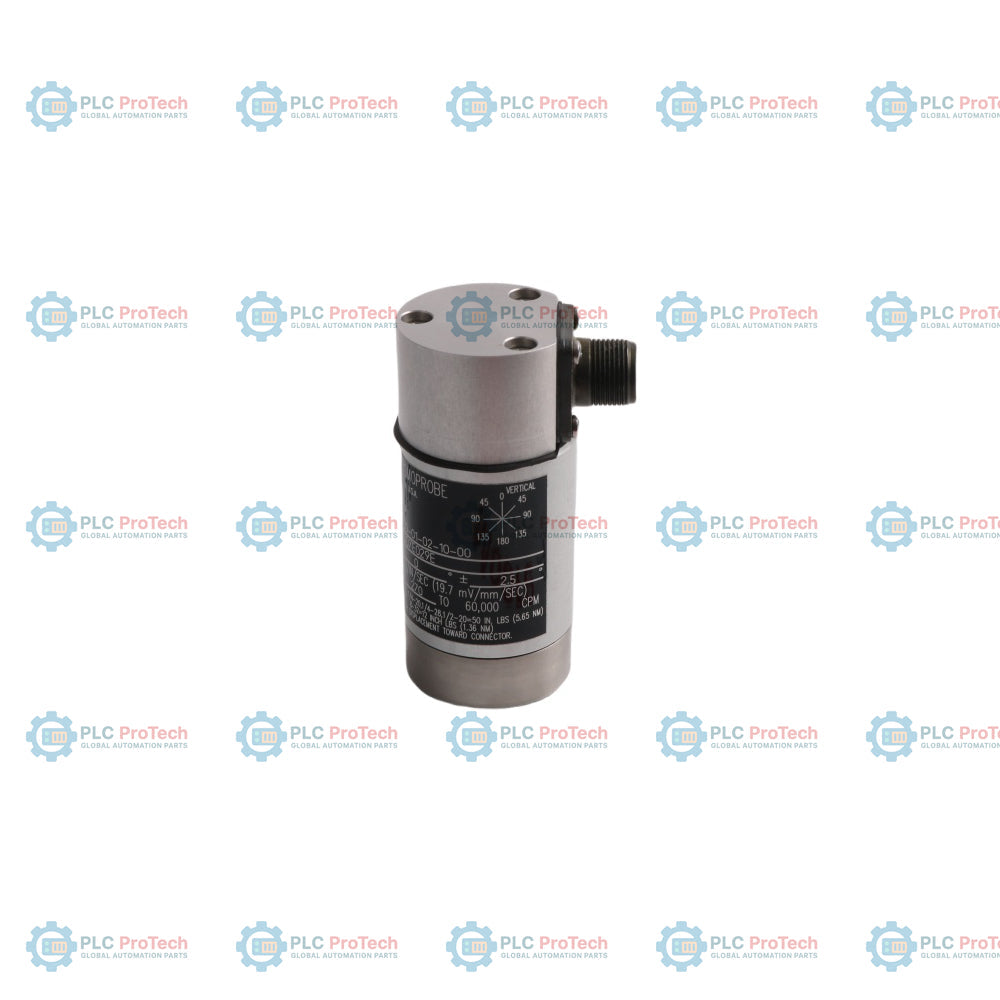
Manufacturer: Bently Nevada
Product No.: 9200-01-02-10-00
Country of origin:Stany Zjednoczone
Product Type: Przetwornik Seismoprobe
Barcode: 8537101190
Payment: T/T, Western Union
Weight: 480g
Dimensions: 9,5 cm x 4 cm x 5,4 cm
Shipping port: Xiamen
Warranty: 12 months
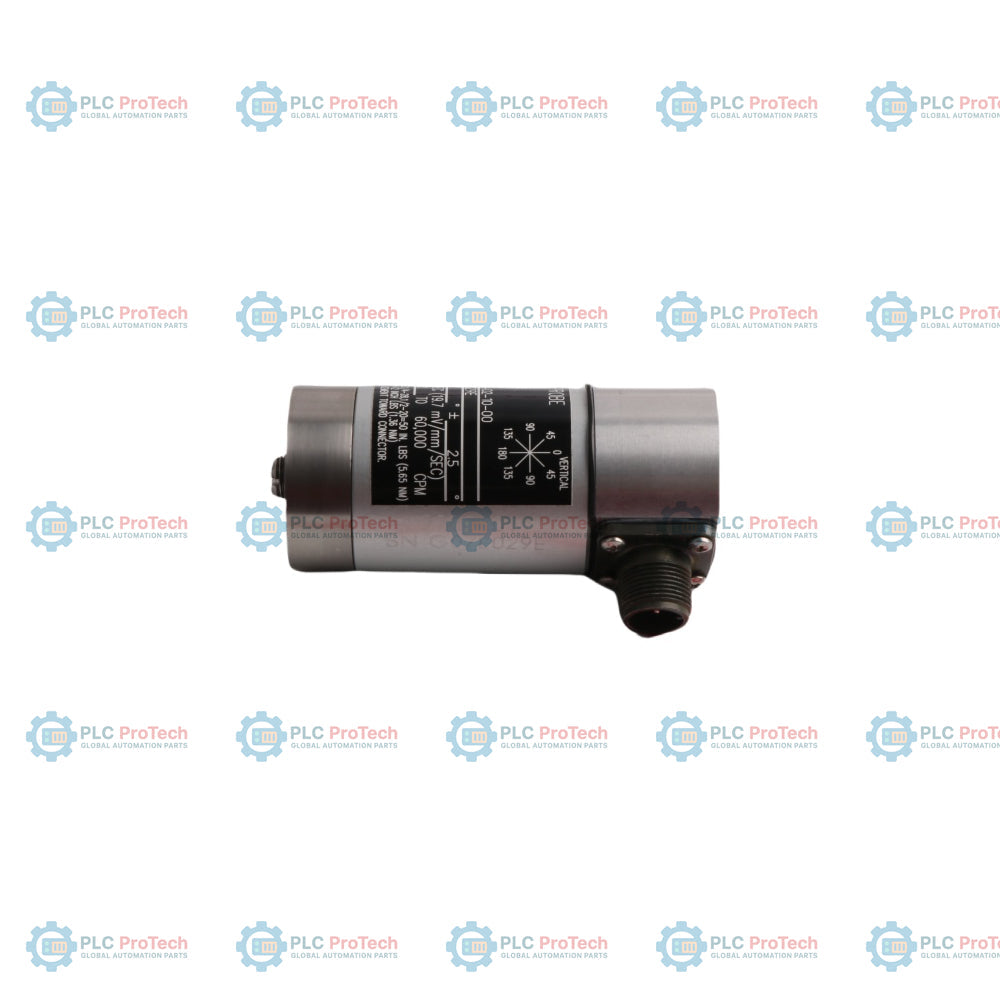
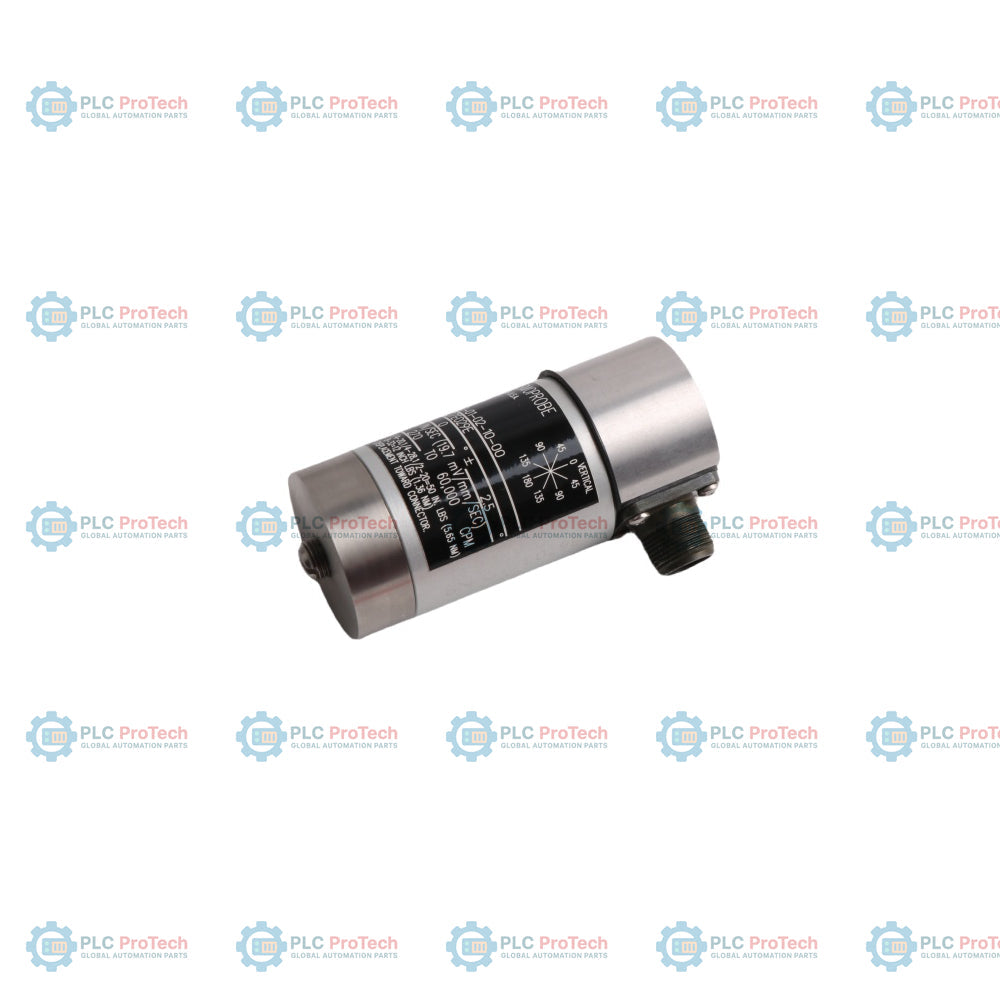
Bently Nevada 9200-01-02-10-00 to dwuprzewodowy prędkościowy przetwornik sejsmiczny Seismoprobe przeznaczony do pomiaru bezwzględnych drgań obudowy maszyn wirujących. Ten przetwornik z ruchomą cewką generuje napięcie wyjściowe bezpośrednio proporcjonalne do prędkości drgań obudowy maszyny. Działa bez zewnętrznego zasilania, wykorzystując samowzbudną konstrukcję, która upraszcza okablowanie w miejscu instalacji i integrację z systemami ciągłego monitorowania. Model 9200-01-02-10-00 jest zazwyczaj podłączany do systemów ochrony maszyn, takich jak seria Bently Nevada 3500, aby zapewnić ciągłą diagnostykę maszyn, wczesne wykrywanie usterek i ocenę drgań konstrukcji.
| Parametr | Specyfikacja |
| Producent | Bently Nevada |
| Kraj pochodzenia | Stany Zjednoczone |
| Typ produktu | Prędkościowy przetwornik sejsmiczny Seismoprobe |
| Czułość | 20 mV/mm/s (500 mV/in/s), plus lub minus 5 procent przy 100 Hz |
| Charakterystyka częstotliwościowa | Od 10 Hz do 1000 Hz, plus lub minus 3 dB |
| Zakres temperatury pracy | Od -29 do +121 stopni Celsjusza (od -20 do +250 stopni Fahrenheita) |
| Orientacja montażu | Pionowa lub pozioma, zależnie od wybranej opcji |
| Materiał obudowy | Stal nierdzewna |
| Typ połączenia | Wariant ze zintegrowanym przewodem lub złączem górnym |
| Szacowana masa | Masa około 0,30 kg |
| Wymiary | Średnica około 41 mm, wysokość 102 mm |
| Styk złącza | Funkcja |
| Styk A / czerwony przewód | Dodatni (+) sygnał |
| Styk B / biały przewód | Ujemny (-) sygnał / wspólny |
| Ekran | Uziemienie obudowy / zakończenie ekranu |
Jaka jest podstawowa zasada działania przetwornika?
Wykorzystuje zespół ruchomej cewki i magnesu trwałego, który generuje napięcie wyjściowe wprost proporcjonalne do prędkości drgań fizycznych, bez zewnętrznego zasilania elektrycznego.
Czy ten model wymaga zewnętrznego sterownika lub przetwornika sondy zbliżeniowej?
Nie, jest to samowzbudny czujnik prędkości, który łączy się bezpośrednio z kartą monitora przetwarzającego.
Co się stanie, jeśli przetwornik przeznaczony do montażu pionowego zostanie zamontowany poziomo?
Wewnętrzny zespół sprężyny i masy ulegnie niewspółosiowości, powodując tarcie wewnętrzne, niedokładne odczyty i potencjalne uszkodzenie zawieszenia wewnętrznej cewki.
Jak należy zakończyć ekran kabla w instalacjach wykonywanych w miejscu pracy?
Ekran musi być odizolowany przy obudowie przetwornika i prawidłowo podłączony do masy przyrządu wewnątrz szafy monitorującej.
Czy to urządzenie można naprawić w miejscu instalacji, jeśli obudowa jest uszkodzona?
Nie, przetwornik jest fabrycznie zamkniętym urządzeniem i należy go wymienić albo odesłać do producenta w celu ponownej kalibracji i serwisowania.
Jaka jest typowa impedancja wyjściowa tego czujnika?
Zastosowano konstrukcję o niskiej impedancji wyjściowej, dzięki czemu urządzenie nadaje się do współpracy z długimi kablami transmisyjnymi bez znacznego pogorszenia sygnału.
Czy podczas początkowej instalacji wymagana jest kalibracja?
Urządzenie jest kalibrowane fabrycznie i nie wymaga regulacji w miejscu instalacji, jednak zaleca się okresową weryfikację parametru czułości.
Co powoduje zniekształcenie lub obcinanie sygnału w tego typu czujniku?
Silne wstrząsy mechaniczne przekraczające fizyczne limity zawieszenia masy wewnętrznej mogą powodować dobijanie elementów wewnętrznych i zniekształcenie sygnału.
Czy przetwornik można malować podczas rutynowej konserwacji maszyn?
Nie zaleca się malowania korpusu czujnika, ponieważ może to zatrzymywać ciepło, zasłaniać etykiety identyfikacyjne i potencjalnie zanieczyścić połączenie z podstawą montażową.
Jak temperatura otoczenia wpływa na czułość urządzenia?
Czułość pozostaje bardzo stabilna w określonym zakresie temperatury roboczej, a niewielkie odchylenia uwzględniono w danych z weryfikacji inżynieryjnej.


Global Express Shipping
Returns & Warranty


Globalna ekspresowa wysyłka
Zwroty i gwarancja
Zamówienia są przetwarzane i dostarczane od poniedziałku do piątku (z wyłączeniem dni świątecznych).
Aby poznać pełne warunki kwalifikowalności, opłaty za przyjęcie towaru z powrotem oraz szczegóły dotyczące zwrotów międzynarodowych, prosimy zapoznać się z naszym oficjalnym Polityka zwrotów i zwrotu pieniędzy .
| Country of origin |
Stany Zjednoczone
|

Przed wymianą Yokogawa AAI835 sprawdź mapę kanałów 4 wejścia/4 wyjścia, zachowanie pętli przy utracie zasilania, typ bariery, obciążenie wyjścia, kabel i redundancję.

ABB PM891K01, artykuł 3BSE053241R1, to nieredundantny zestaw procesora AC 800M. Przed wymianą skorzystaj z tej listy kontrolnej.

Kontrole wymiany dla ABB TP853 3BSE018126R1: zidentyfikuj zainstalowany interfejs CI853, CI855, CI857 lub CI861, zapisz okablowanie i zweryfikuj komunikację po instalacji.

Weryfikacja parametrów technicznych sterownika Allen-Bradley 5069-L330ERMS2: możliwości sterownika, osobne zestawy RTB, limity lokalnych modułów I/O, limity liczby węzłów sieciowych oraz liczba osi...

Kontrole, które należy zapisać przed wymianą sterownika ABB 3HNE 00006-1 DSQC 351: generacja sterownika, okablowanie X3/X5/X20/X21, ustawienia DeviceNet, mapowanie INTERBUS oraz stany diod LED.

Porównaj modele IC693CPU360 i IC693CPU364 pod kątem interfejsu Ethernet, obciążenia +5 VDC, pamięci, limitów kasety oraz kontroli przed wymianą.