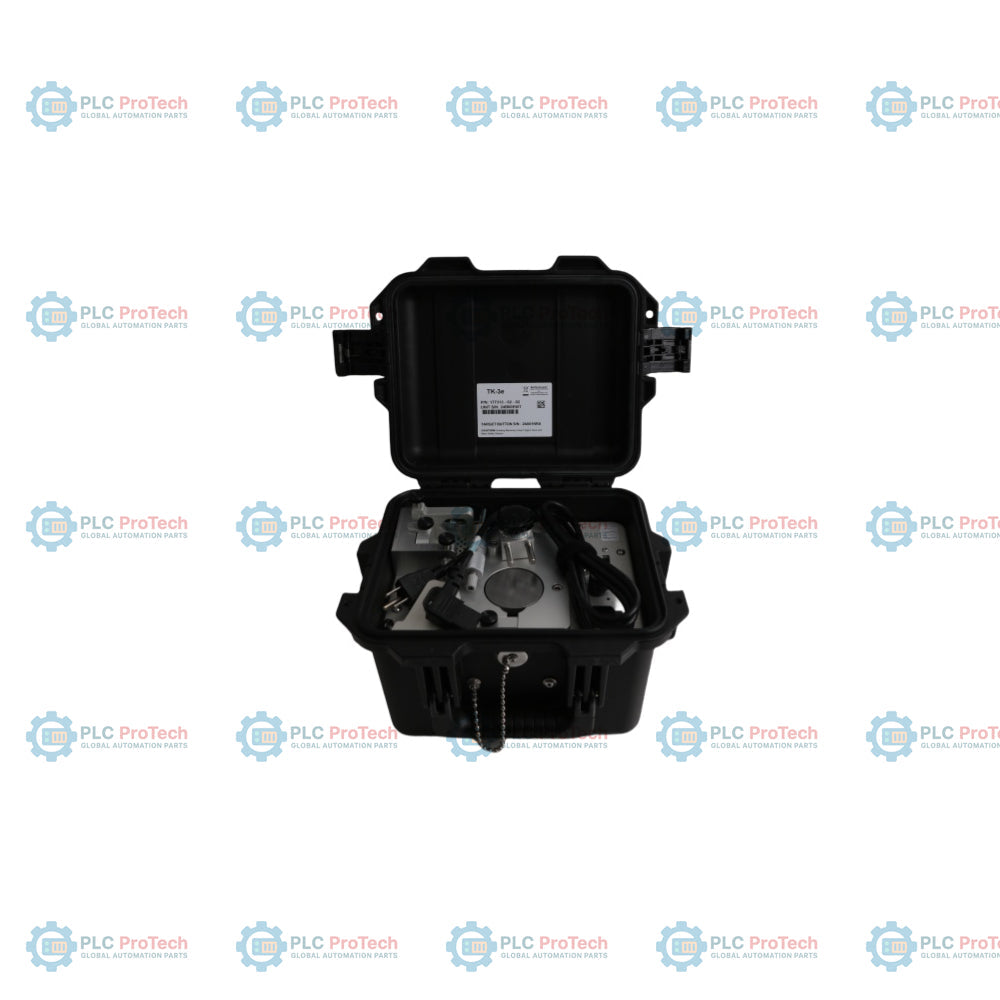
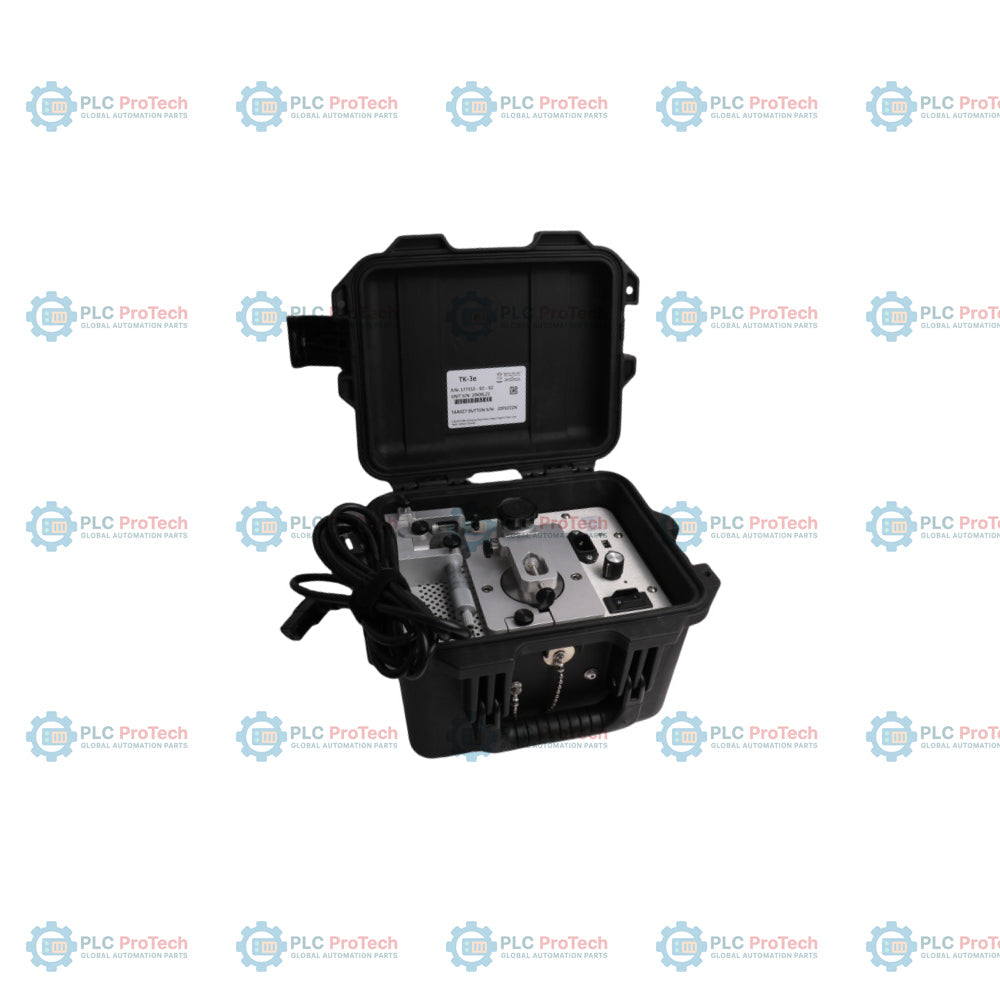
Product Description & Operational Purpose
The Bently Nevada 177313-02-02-00, designated also as the model 177313-02-02-00 TK-3e, is an electric-driven proximity system test kit engineered to simulate dynamic shaft vibration and static position for industrial monitoring verification. This precision instrumentation calibrates Bently Nevada machinery protection monitors and verifies the operational integrity of the entire proximity transducer loop before commissioning or during routine turnarounds. Deployed heavily across petrochemical refineries, thermal power plants, and maritime propulsion facilities, the TK-3e delivers the precise physical reference needed to confirm transducer linearity and monitor readout accuracy. By facilitating systematic verification of critical vibration sensors, this system mitigates the risk of catastrophic rotating machine failures and costly unpredicted plant outages.
Suffix Breakdown
The part number designation 177313-02-02-00 precisely dictates the functional hardware layout, power configuration, and regional regulatory compliance for the portable calibration standard:
-
Scale Units Option (02): Configured with metric measurement scales on the spindle micrometer (calibrated from 0 to 25.4 mm).
-
Power Cord Type Option (02): Outfitted with a European standard power cord configuration compatible with regional electrical grids.
-
Agency Approvals Option (00): Standard option with no specific hazardous area or agency approval certificates attached.
Mechanical and Electrical Parameters
| Parameter |
Specifications and Limits |
| Model |
177313-02-02-00 |
| Brand |
Bently Nevada |
| Origin |
United States (U.S.A) |
| Power Supply Requirements |
190-250 Vac, 50/60 Hz, 1A minimum |
| Vibration Amplitude Range |
50 to 254 um (2 to 10 mils) peak-to-peak |
| Drive System Speed |
Variable electric drive from 0 to 5000 cpm (plus/minus 1000 cpm) |
| Spindle Micrometer Range |
0 to 25.4 mm |
| Target and Wobble Plate Material |
AISI 4140 Alloy Steel |
| Probe Size Compatibility |
Accommodates diameters from 5 mm to 19 mm (0.197 in to 0.75 in) |
| Operating Temperature |
0 to 50 deg C (32 to 122 deg F) |
| Storage Temperature |
-18 to 65 deg C (0 to 150 deg F) |
| Relative Humidity Limits |
Up to 95 percent relative humidity, non-condensing |
| Dimensions (H x W x D) |
195 mm x 299 mm x 248 mm (7.68 in x 11.8 in x 9.76 in) |
| Net Weight |
5.22 kg (11.5 lb) |
Engineering FAQs
Q: Can the universal probe mount accept 8 mm and 11 mm probes simultaneously?
A: The universal probe mount on both the spindle micrometer and the swing-arm assembly adjusts to secure single probes ranging from 5 mm up to 19 mm in diameter. It accommodates one probe at a time during calibration routines to ensure concentricity with the target button or wobble plate.
Q: Why is the wobble plate material specified as AISI 4140 alloy steel?
A: Bently Nevada proximity probes rely on eddy-current technology, which is sensitive to the chemical composition and magnetic properties of the target material. AISI 4140 alloy steel matches the electrical characteristics of standard industrial machine shafts, ensuring that the target behaves identically to real-world plant assets.
Q: Is an external oscilloscope required to check the dynamic vibration output of the test kit?
A: No. By utilising the absolute scale factor of the proximity probe under test in conjunction with a standard digital multimeter reading DC voltage, the operator can precisely adjust the mechanical vibration amplitude.
Field Operation & Safety Guidelines
-
Static Linearity Calibration (Gap Voltage): To check the proximity transducer calibration, secure the probe in the spindle micrometer universal mount. Advance the target toward the probe tip until physical contact is made, then zero the micrometer. Back the probe away in precise metric increments (e.g., 0.25 mm steps), recording the output voltage from the Proximitor Sensor at each interval using a digital voltmeter to plot system linearity across the 10.0 VDC linear range.
-
Dynamic Vibration Simulation: When using the electric-driven wobble plate to calibrate vibration monitors, position the probe via the swing-arm assembly over the wobble plate. Adjust the variable speed control dial to ramp the motor speed within the 0 to 5000 cpm window to match typical machine running speeds. Verify monitor alert and danger alarm trip points against the physical mechanical displacement.
-
Target Interface Protection: Always verify that the target button and wobble plate surfaces are clean, free of oil film, and unmarred before initiating a calibration cycle. Scratches or mechanical damage to the AISI 4140 steel target surface introduce electrical runout errors that distort the sensor readings.
-
Electrical Supply Configuration: Ensure the input line voltage matches the European power cord specification (190-250 Vac). Connecting the unit to incompatible power infrastructure will damage the internal electric motor speed control circuitry and compromise the integrity of the test loop.