


Troubleshooting Beckhoff KL1512 Counter Inputs and Mapping
A field checklist for KL1512 signal thresholds, counter direction, process data and the KL1512-to-KS1512 wiring difference.
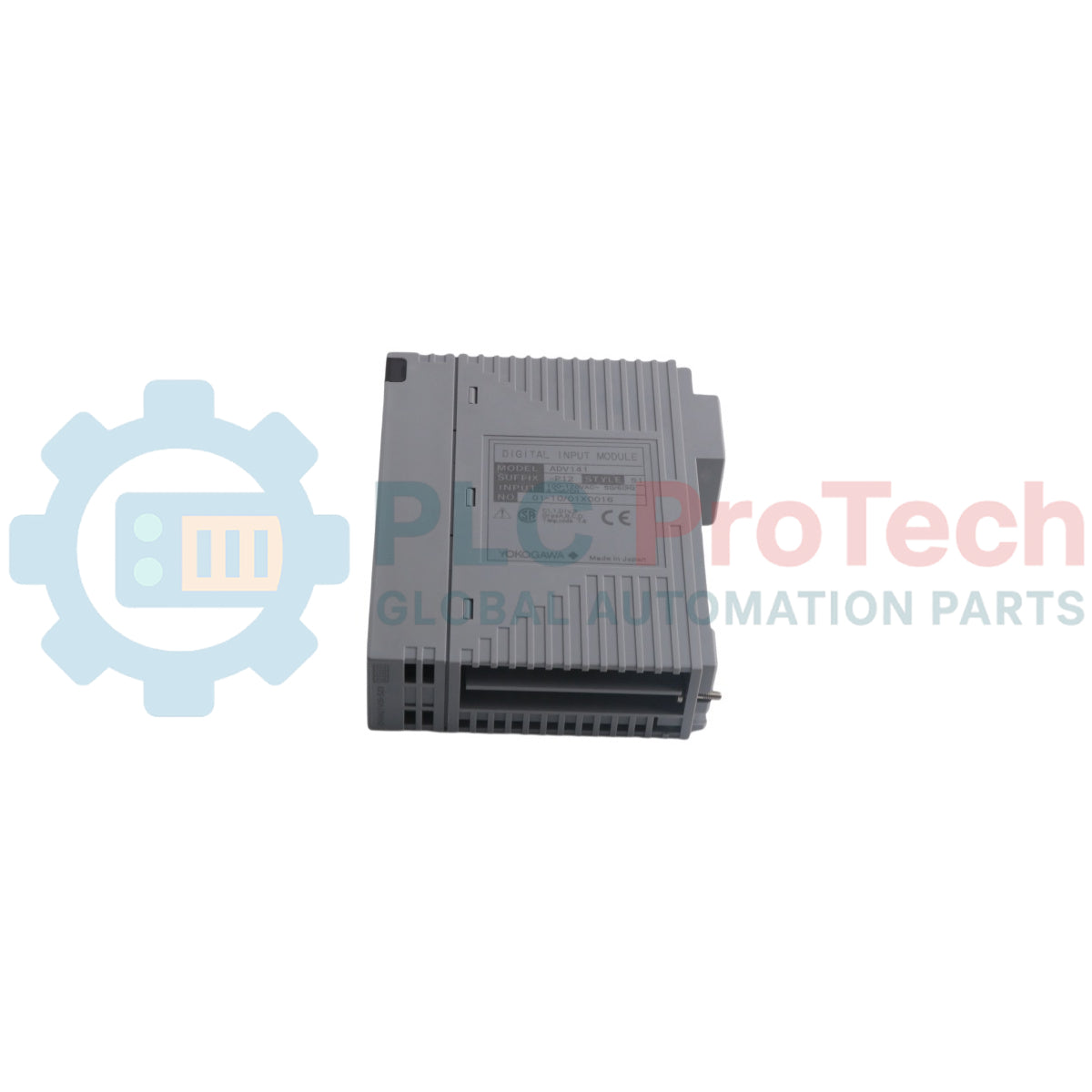
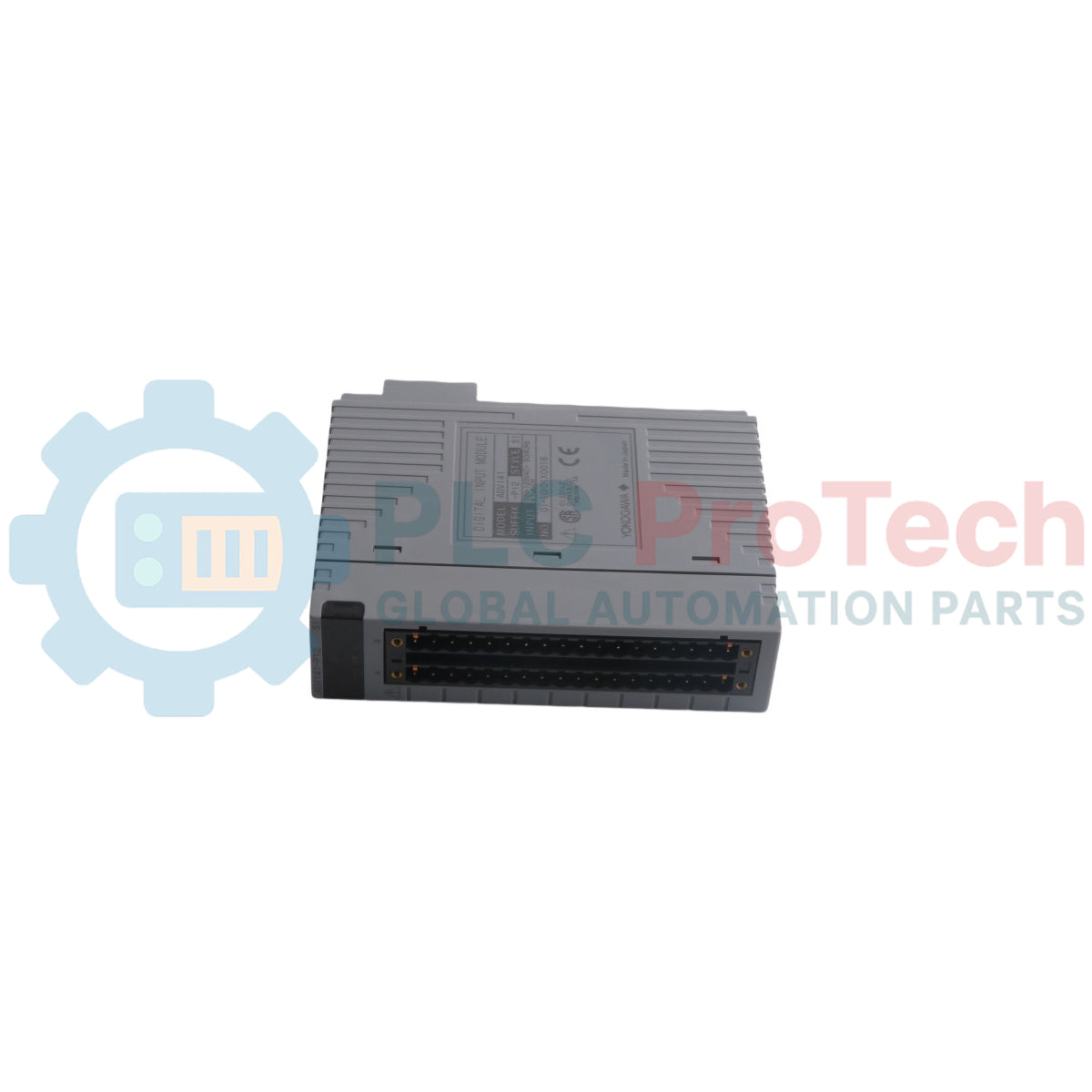
Manufacturer: Yokogawa
Product No.: ADV141-P12 S1
Country of origin:Japan
Product Type: Digital Input Module
Barcode: 8537101190
Payment: T/T, Western Union
Weight: 300g
Dimensions: 3.2cm x 10.7cm x 13cm
Shipping port: Xiamen
Warranty: 12 months
The ADV141-P12 S1 (ADV141) is a high-density, 16-channel isolated AC digital input module engineered for the Yokogawa CENTUM VP distributed control system (DCS). Operating within a rated voltage range of 100 to 120 V AC, this module provides critical status monitoring and pulse counting capabilities for industrial field devices such as limit switches, motor starters, and pushbuttons. In complex process environments like oil refineries and petrochemical plants, the ADV141 ensures high-fidelity signal acquisition with a robust 160 ms response time. Its superior isolation and G3 environmental hardening make it a cornerstone for maintaining system uptime in corrosive or thermally volatile locations. By delivering precise real-time diagnostics to the FIO (Field network I/O) subsystem, this module plays a vital role in preventing unscheduled shutdowns and ensuring operational safety across mission-critical infrastructures.
The suffix configuration for this specific unit defines its enhanced hardware capabilities and environmental ratings:
-P: Equipped with pushbutton input functionality, enabling the module to count pushbutton edges with a minimum detection time of 200 ms.
1: Standard hardware configuration without integrated status displays; categorized as non-explosion protected.
2: Advanced ISA Standard G3 conformal coating for corrosion resistance, combined with an extended operating temperature range of -20 to 70 deg C.
S1: Designated as a standard type with specific hardware revision optimizations for CENTUM VP integration.
| Item | Specifications |
| Model | ADV141-P12 S1 |
| Brand | Yokogawa |
| Origin | Japan |
| Number of Channels | 16 (Isolated) |
| Rated Input Voltage | 100 to 120 V AC (50/60 Hz) |
| Input ON Voltage | 80 V AC (113 V Peak) to 132 V AC |
| Input OFF Voltage | 20 V AC (28 V Peak) or less |
| Maximum Current Consumption | 500 mA (at 5 V DC) |
| Operating Temperature | -20 to 70 deg C |
| Withstanding Voltage | 2 kV AC between input and system |
| Weight | 0.3 kg |
| External Connection | Pressure clamp terminal or AKB332 cable |
How does the ADV141 handle pushbutton inputs differently than standard status inputs?
When configured with the -P suffix, the module utilizes a dedicated internal function for counting pushbutton edges. While standard status inputs focus on ON/OFF state detection, the pushbutton mode requires a minimum ON detection time of 200 ms and supports a maximum cycle of 2.5 Hz to ensure accurate pulse capture.
What cabling is required for high-density terminal connections?
For the ADV141, Yokogawa recommends the dedicated AKB332 cable. This ensures impedance matching and simplifies the wiring of 16 isolated channels to a terminal board, reducing potential wiring errors during commissioning.
What are the specific isolation boundaries for this module?
The module provides 2 kV AC isolation between the input signal and the system logic for 1 minute. Additionally, it provides 1.35 kV AC isolation between common minus sides for every 8-channel group, effectively preventing cross-talk and protecting the system backplane from field-side surges.
Environmental Protection: The "G3" rating indicates this module is treated with a conformal coating compliant with ISA S71.04. This is essential for installations in "Class G3" environments where hydrogen sulfide (H2S) or chlorine gas levels are elevated. Ensure the cabinet remains sealed and utilize cooling fans if internal temperatures approach the 70 deg C limit.
Wiring and Shielding: Use 14 to 22 AWG wire for pressure clamp terminals. To mitigate electromagnetic interference (EMI) from adjacent high-voltage power lines, field wiring should be twisted. Ensure the common return lines are correctly grouped per the 8-channel isolation blocks to maintain the integrity of the withstanding voltage ratings.
System Integrity: When replacing modules, verify the Suffix Codes match the system configuration in the CENTUM VP builder software. Hot-swapping is supported, but ensure the external AC power is disconnected from the input terminals to prevent arcing and protect personnel from 120 V AC exposure.


Global Express Shipping
Returns & Warranty

| Product Image | Model Number / Title | Condition | Availability | Action |
|---|---|---|---|---|

|
Allen-Bradley 1771-IN PLC-5 Digital AC/DC Input Module | Original New | In Stock | View Details |

|
Allen-Bradley 1771-IG TTL Digital DC Input Module | Original New | In Stock | View Details |

|
Allen-Bradley 1769-IQ16 CompactLogix 16-Channel 24V DC Digital Input Module | Original New | In Stock | View Details |
Global Express Shipping
Returns & Warranty
Orders are processed and delivered Monday-Friday (excluding public holidays).
For full eligibility, restocking fees, and international return details, please view our official Refund & Return Policy .
| Color pattern |
Greyish White
|
| Country of origin |
Japan
|
| Power source |
DC Power
AC-powered
|

A field checklist for KL1512 signal thresholds, counter direction, process data and the KL1512-to-KS1512 wiring difference.

A field checklist for EPP2008-0001 current limits, supply voltage, channel LEDs, connector coding and load-related output faults.

Before moving a TwinCAT 3 license with a Beckhoff C9900-L100, verify the TwinCAT build, XML device description, exact order code and cabinet limits.

A field checklist for replacing a Beckhoff EL4032, covering the ±10 V load, terminal map, power contacts, EtherCAT state, and watchdog behavior.

Before replacing a Yokogawa AAI835, verify the 4-in/4-out channel map, power-loss loop behavior, barrier type, output load, cable, and redundancy.

ABB PM891K01 article 3BSE053241R1 is the non-redundant AC 800M processor kit. Use this field checklist before replacement.