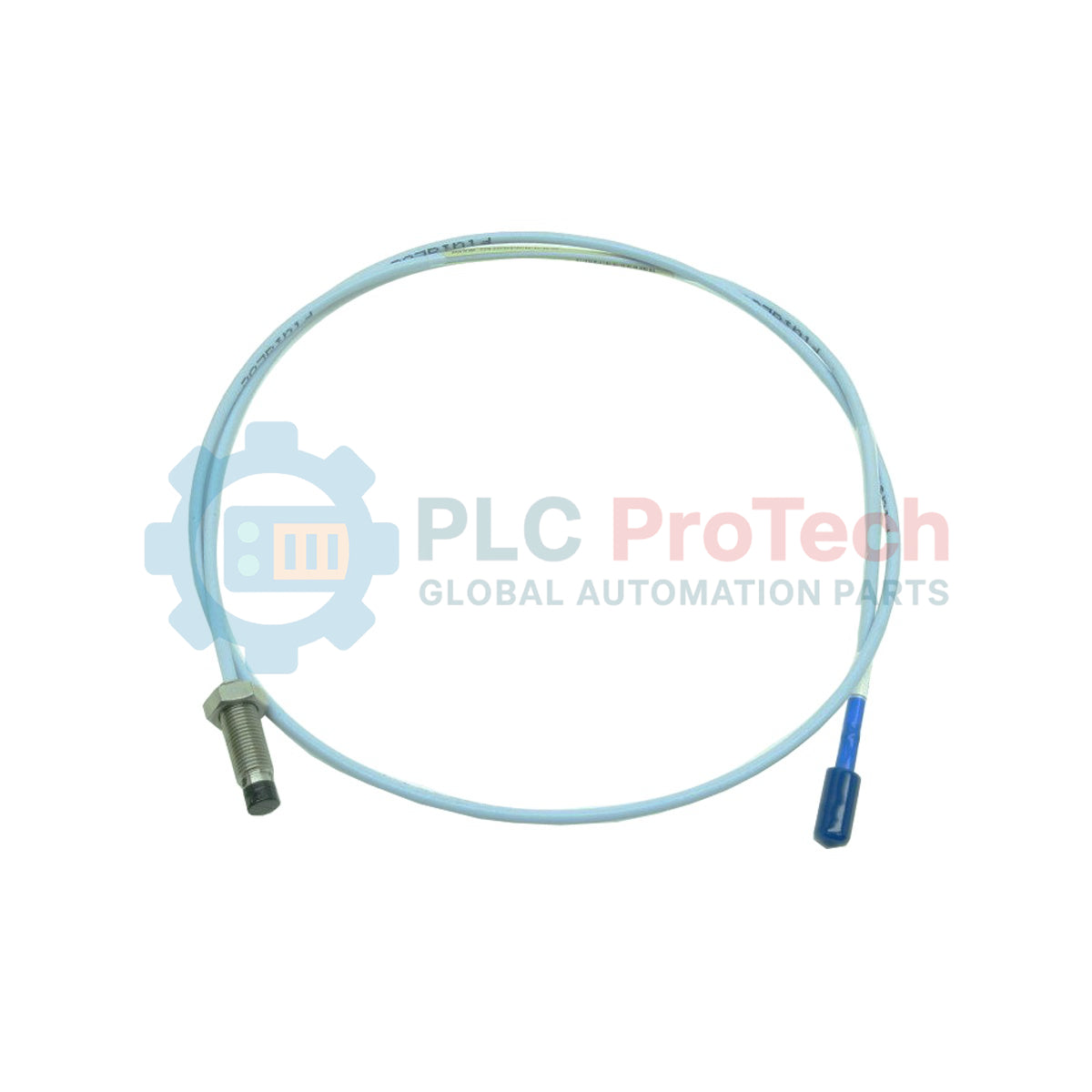
Описание
Bently Nevada 330102-0-20-05-02-CN обеспечивает критически важную обратную связь по физическому перемещению тяжёлого вращающегося оборудования и представляет собой высококачественный вихретоковый датчик для бесконтактного мониторинга вибрации и положения вала. Это устройство является неотъемлемой частью системы бесконтактных преобразователей 3300 XL 8 мм, преобразующей физическое расстояние между наконечником зонда и контролируемой поверхностью объекта в высокоточный электрический сигнал. Прочная защитная броня обеспечивает повышенную физическую защиту в суровых условиях эксплуатации, где возможны воздействие летящих обломков, механические нагрузки или агрессивные жидкости.
Особенности
-
Прочный бронированный кабель: Встроенная броня из нержавеющей стали защищает коаксиальный кабель от механического срезания, раздавливания и износа при прокладке.
-
Разъём ClickLoc: Миниатюрный коаксиальный механизм подключения ClickLoc с широкими функциональными возможностями обеспечивает надёжное влагостойкое соединение с минимальным затуханием сигнала.
-
Конструкция корпуса с резьбой: Полностью интегрированный корпус с резьбой 3/8-24 UNF обеспечивает точную регулировку физической глубины при настройке зазора.
-
Оплётка с высокой стойкостью: Прочная внешняя оболочка разработана для защиты от воздействия масла, влаги и химических веществ, характерного для промышленных турбинных установок.
Применения
- Мониторинг вибрации и радиального положения валов паровых и газовых турбин.
- Отслеживание осевого положения гидроэлектрического генератора.
- Диагностика износа подшипников высокоскоростного центробежного компрессора.
- Измерение положения осевой линии вала промышленного редуктора.
Информация для заказа
| Код опции |
Параметр конфигурации |
Выбранная спецификация |
| 330102 |
Базовая модель |
Зонд 3300 XL 8 мм, резьба 3/8-24 UNF, с защитной оболочкой |
| 0 |
Длина без резьбы |
0 дюймов |
| 20 |
Общая длина корпуса |
2,0 дюйма |
| 05 |
Общая длина |
0,5 метра (1,6 фута) |
| 02 |
Тип разъёма и кабеля |
Миниатюрный коаксиальный разъём ClickLoc, стандартный кабель |
| CN |
Разрешения регулирующих органов |
Региональные разрешения для отдельных стран (Китай/Азиатско-Тихоокеанский регион) |
Технические характеристики
| Параметр |
Техническое значение |
| Материал наконечника зонда |
Полифениленсульфид (PPS) |
| Диаметр зонда |
Номинально 8 мм |
| Размер резьбы |
3/8-24 UNF-2A |
| Номинальный масштабный коэффициент |
7,87 В/мм (200 мВ/мил) при использовании с Proximitor 3300 XL |
| Диапазон рабочих температур |
От -51 до +177 градусов Цельсия (от -60 до +351 градуса Фаренгейта) |
| Рекомендуемое напряжение зазора |
-10 В пост. тока номинально (зазор примерно 1,27 мм) |
| Линейный диапазон |
2,0 мм (80 мил), начиная примерно с 0,25 мм от наконечника |
| Система разъёма |
Коаксиальный разъём ClickLoc с позолоченными латунными контактами |
| Защитная оболочка |
Гибкая оплётка из нержавеющей стали (SST) |
| Производитель |
Bently Nevada (Baker Hughes) |
| Страна происхождения |
Соединённые Штаты (США) |
| Расчётная масса при отправке |
2.0 kg (включая защитную розничную упаковку и усиленную броню) |
Практические инженерные выводы
Согласно данным полевых инженерных записей и диагностике при вводе в эксплуатацию, внедрение систем датчиков приближения требует точного соблюдения физических и электрических ограничений установки.
Альтернативные модели и совместимость
Этот зонд 3300 XL 8 mm полностью совместим с системами мониторинга вибрации серии 3300 предыдущих версий. Однако необходимо убедиться, что общая длина системы соответствует калибровке Proximitor; смешивание зондов длиной 0.5 метра с удлинительными кабелями длиной 9.0 метров в системе, настроенной на 5.0 метров, приведёт к значительному дрейфу калибровки. Для небронированных аналогов см. базовую серию 330101.
Недочёты применения и инженерные примечания
Наличие брони из нержавеющей стали значительно повышает физическую защиту, но также увеличивает минимально допустимый радиус изгиба кабельной трассы. Принудительный изгиб бронированного кабеля с радиусом менее 25 mm может вызвать внутренние микротрещины в медной жиле коаксиального кабеля и привести к периодическим шумам сигнала. Прокладывайте кабель зонда отдельно от силовых линий электродвигателя высокого напряжения, чтобы исключить перекрёстные электромагнитные помехи.
Рекомендации по вводу в эксплуатацию и подключению
Перед окончательной затяжкой механической контргайки всегда используйте цифровой мультиметр для измерения напряжения зазора зонда на клеммной колодке Proximitor. Показание -10 VDC соответствует оптимальной средней точке линейного диапазона. Перед соединением очистите контакты разъёма ClickLoc изопропиловым спиртом; пыль или смазка на золотых контактах могут увеличить контактное сопротивление и вызвать ложные высокочастотные вибрационные помехи.
Рекомендации по установке
КРИТИЧЕСКОЕ ПРЕДУПРЕЖДЕНИЕ
Перед установкой зонда изолируйте целевое оборудование и заблокируйте его включение. Перед регулировкой физических зазоров убедитесь, что вал полностью неподвижен. Несоблюдение этого требования может привести к немедленному контакту с вращающимся валом, полному разрушению наконечника зонда и потенциально тяжёлым травмам.
1
Вручную вверните зонд в монтажный кронштейн или втулку корпуса, пока наконечник мягко не коснётся поверхности вала. Выкручивайте резьбу против часовой стрелки, пока активная обратная связь от измерительной аппаратуры не обеспечит расчётное напряжение зазора приблизительно -10 VDC.
2
Надёжно зафиксируйте монтажное положение, затянув контргайку с указанным моментом затяжки для корпуса. Не затягивайте чрезмерно, чтобы не повредить резьбу на корпусе зонда.
3
Прокладывайте бронированный кабель в кабельных лотках или кабелепроводе. Зафиксируйте соединение ClickLoc маслостойкой самовулканизирующейся силиконовой лентой, чтобы обеспечить герметичное уплотнение от воздействия окружающей среды.