


تنفيذ منطق سُلّم XOR بثلاثة مفاتيح باستخدام بت داخلي
نفّذ دائرة إضاءة XOR بمفتاحين SPST في LogixPro أو RSLogix 500 باستخدام بتّ مرحّل داخلي. تتضمن جداول الحقيقة، والمعادلات المنطقية، وقد تم التحقق منها.
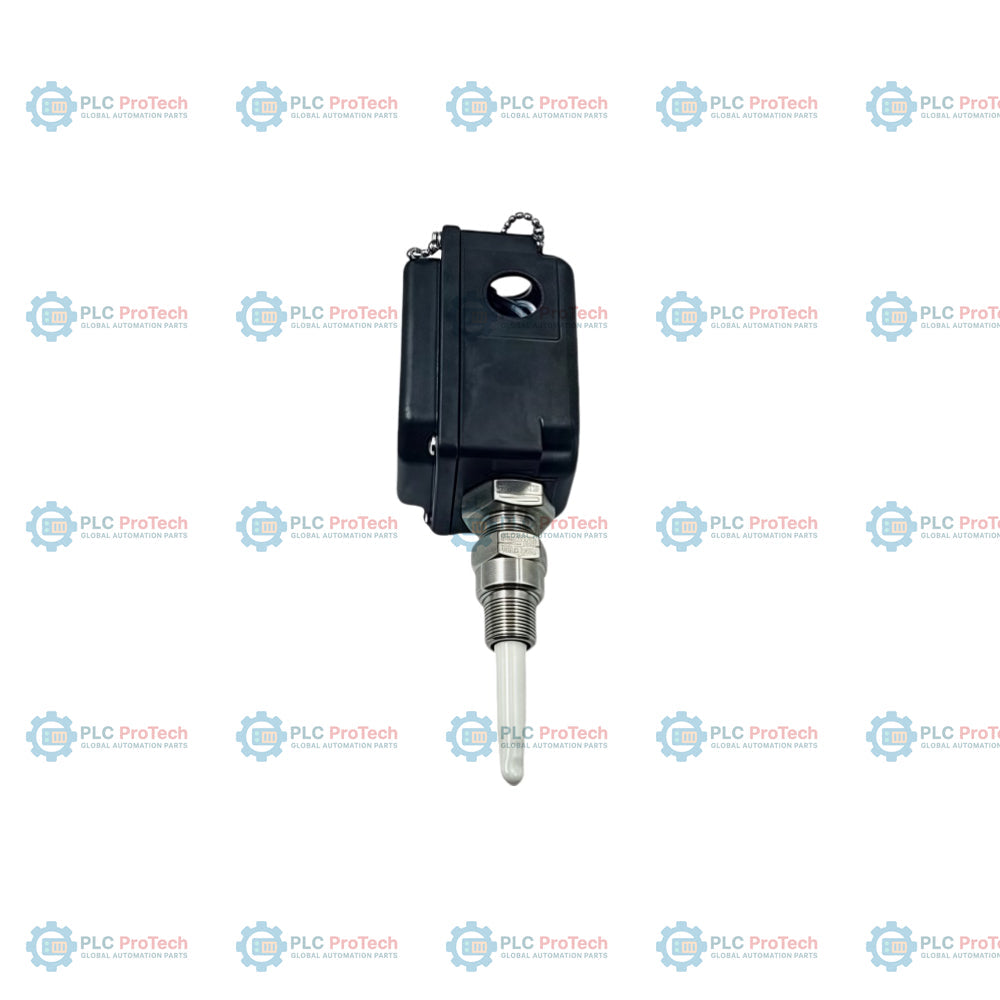


يوفر Bently Nevada 330881-16-00-200-06-02 قياسات حاسمة للإزاحة غير التلامسية للعمود في بيئات الآلات القاسية، إذ يدمج مسبار قرب متخصصًا ومجموعة إلكترونية داخل حاوية الحماية PROXPAC XL شديدة المتانة والمقاومة للعوامل الجوية. صُممت هذه المجموعة لتجاوز نقاط الضعف المادية في المستشعرات القياسية المكشوفة، وتحمي التوصيلات المحورية الحساسة من رطوبة العمليات، والسوائل المسببة للتآكل، والصدمات المادية. وتعمل كجزء من منصة المحول 3300 XL، موفرةً مخارج جهد خطية مستمرة تتناسب مع المسافة بين طرف المسبار وعمود الهدف المرصود.
| المعلمة | القيمة / المواصفة |
|---|---|
| الشركة المصنّعة | Bently Nevada (Baker Hughes) |
| رقم الطراز | 330881-16-00-200-06-02 |
| خط المنتجات | مجموعة محول القرب PROXPAC XL |
| نطاق الخرج | عادةً من -2 إلى -18 فولت تيار مستمر، حسب فجوة المعايرة |
| خيار سن التركيب | خيارات توصيل NPT قياسية للتركيب باستخدام القنوات الصلبة |
| حد درجة حرارة التشغيل | من -35 إلى 85 درجة مئوية (حد الغلاف القياسي) |
| بلد المنشأ | الولايات المتحدة |
| وزن الشحن (محسوب) | 2.80 كجم / 6.17 رطل |
| أبعاد العبوة (محسوبة) | 300 مم × 300 مم × 200 مم |
| الطرف / المنفذ | تخصيص الإشارة | الوصف |
|---|---|---|
| الطرف A / VT | طاقة -24 فولت تيار مستمر | مصدر دخل الطاقة السالب عالي الاستقرار من بطاقة المراقبة |
| الطرف B / COM | المشترك للإشارة | خط الإرجاع المرجعي إلى رف المراقبة |
| الطرف C / OUT | خرج إشارة القرب | جهد الخرج التناظري المقابل للفجوة الديناميكية |
عند استبدال طُرز PROXPAC الأقدم من السلسلة 330800، تحقّق من تطابق مداخل القنوات الميدانية الحالية مع مخطط سنون التركيب للطراز 330881-16-00-200-06-02. يستخدم هذا الطراز مكونات Proximitor داخلية حديثة من طراز 3300 XL، ما يتطلب تهيئة صحيحة لوحدات الإدخال من السلسلة 3500 المستقبِلة لتتوافق مع معامل مقياس 8 فولت/مم (أو 200 مللي فولت/ميل).
يُعد تراكم الرطوبة سببًا شائعًا للأعطال في بيئات الغسل بالماء. عند تركيب PROXPAC أفقيًا أو رأسيًا، تأكد من أن وصلة القناة تتضمن حلقة تنقيط فعلية وسدادة تصريف عند النقطة المنخفضة لمنع تجمع الماء داخل الغلاف خلال دورات التشغيل الطويلة. يلزم الاستقرار الحراري قبل إجراء قياسات الفجوة النهائية؛ لا تُجرِ المعايرة مباشرة بعد بدء اختبارات الدورة الحرارية على علب التروس المجاورة.
للحماية من التداخل الكهرومغناطيسي (EMI) الصادر عن محركات التردد المتغير (VFDs) عالية القدرة التي تشغّل الآلات المجاورة، تأكد من إنهاء التدريع الخارجي بشكل صحيح عند نقطة التأريض المشتركة لرف المراقبة فقط. سيؤدي تأريض التدريع عند كل من غلاف PROXPAC والرف إلى إنشاء حلقات تأريض، ما يتسبب في تشويه أشكال موجات الاهتزاز بتناغمات خط الشبكة بتردد 50/60 هرتز.
Global Express Shipping
Returns & Warranty


الشركة المصنعة: Bently Nevada
رقم المنتج: 330881-16-00-200-06-02
Country of origin:الولايات المتحدة
نوع المنتج: تجميعات محولات القرب
Barcode: 8537101190
الدفع: تحويل بنكي، ويسترن يونيون
الوزن: 1400ج
Dimensions: 300 مم × 300 مم × 200 مم
ميناء الشحن: شيامن
الضمان: 12 شهرًا
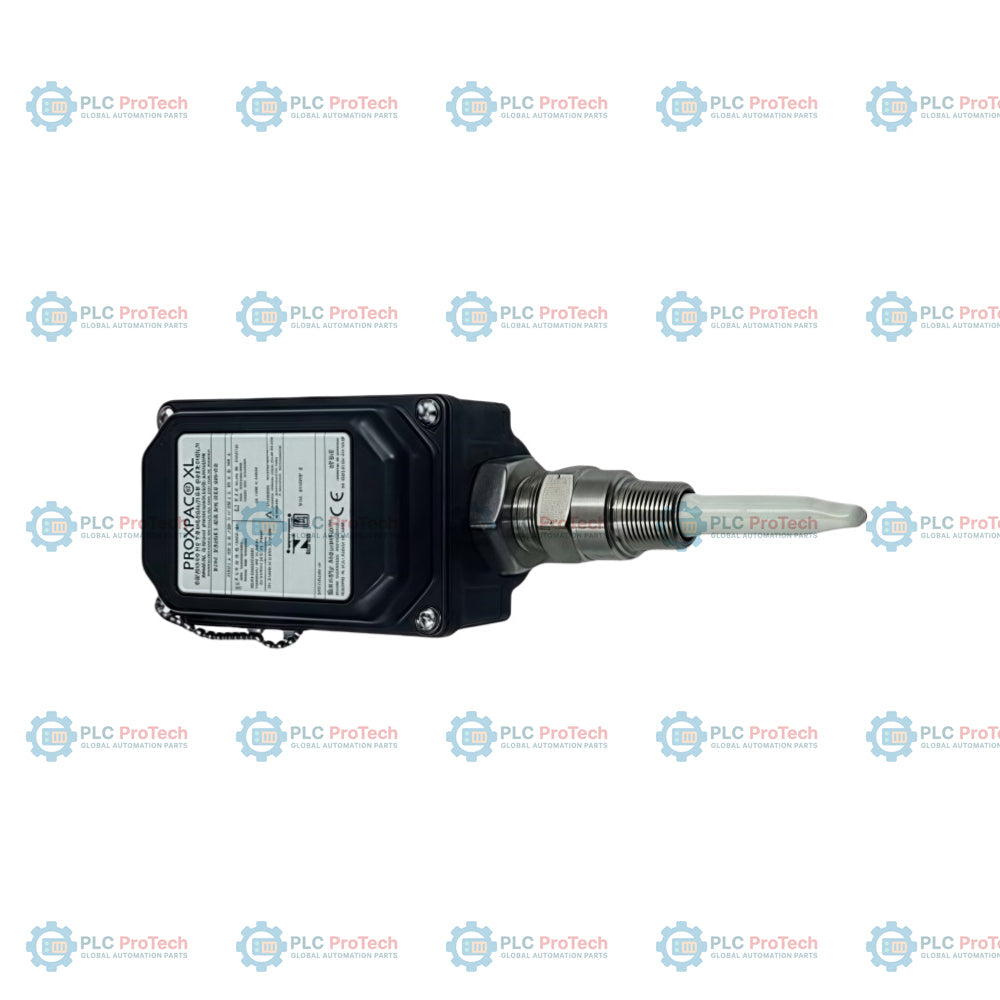
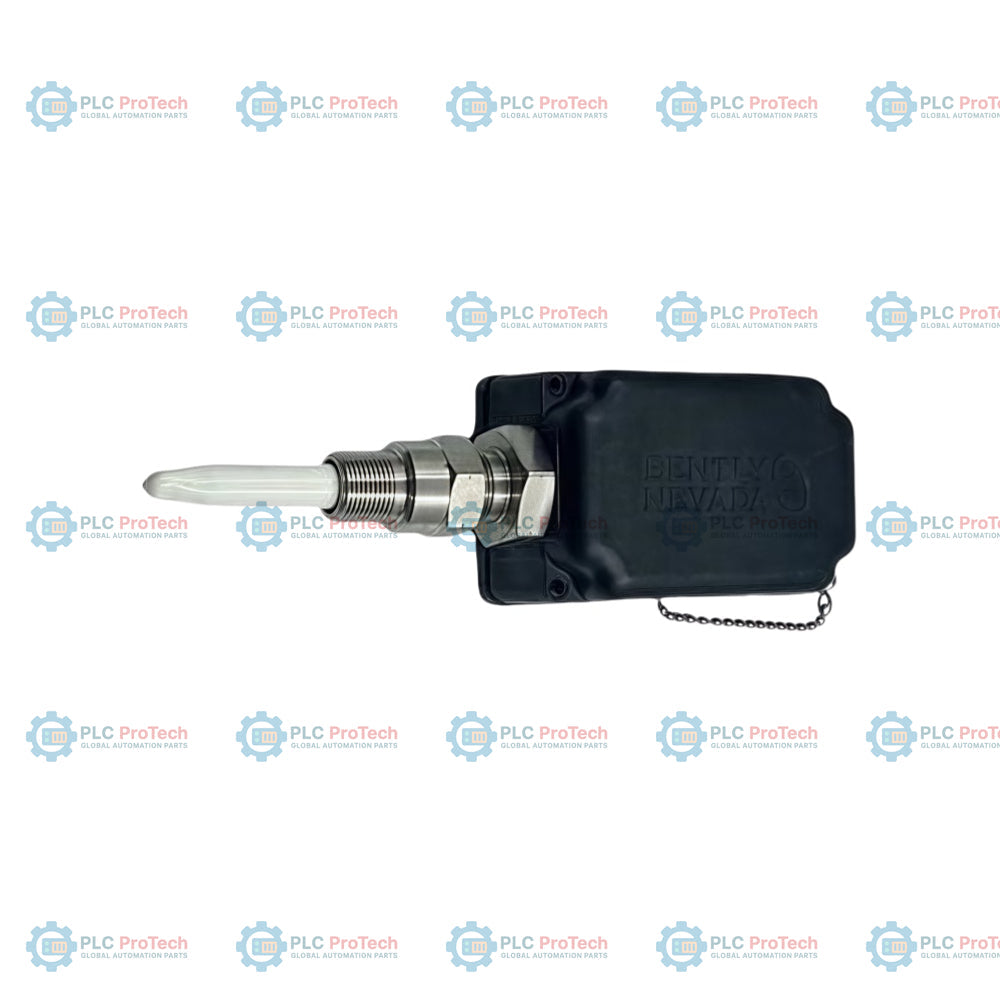
يوفر Bently Nevada 330881-16-00-200-06-02 قياسات حاسمة للإزاحة غير التلامسية للعمود في بيئات الآلات القاسية، إذ يدمج مسبار قرب متخصصًا ومجموعة إلكترونية داخل حاوية الحماية PROXPAC XL شديدة المتانة والمقاومة للعوامل الجوية. صُممت هذه المجموعة لتجاوز نقاط الضعف المادية في المستشعرات القياسية المكشوفة، وتحمي التوصيلات المحورية الحساسة من رطوبة العمليات، والسوائل المسببة للتآكل، والصدمات المادية. وتعمل كجزء من منصة المحول 3300 XL، موفرةً مخارج جهد خطية مستمرة تتناسب مع المسافة بين طرف المسبار وعمود الهدف المرصود.
| المعلمة | القيمة / المواصفة |
|---|---|
| الشركة المصنّعة | Bently Nevada (Baker Hughes) |
| رقم الطراز | 330881-16-00-200-06-02 |
| خط المنتجات | مجموعة محول القرب PROXPAC XL |
| نطاق الخرج | عادةً من -2 إلى -18 فولت تيار مستمر، حسب فجوة المعايرة |
| خيار سن التركيب | خيارات توصيل NPT قياسية للتركيب باستخدام القنوات الصلبة |
| حد درجة حرارة التشغيل | من -35 إلى 85 درجة مئوية (حد الغلاف القياسي) |
| بلد المنشأ | الولايات المتحدة |
| وزن الشحن (محسوب) | 2.80 كجم / 6.17 رطل |
| أبعاد العبوة (محسوبة) | 300 مم × 300 مم × 200 مم |
| الطرف / المنفذ | تخصيص الإشارة | الوصف |
|---|---|---|
| الطرف A / VT | طاقة -24 فولت تيار مستمر | مصدر دخل الطاقة السالب عالي الاستقرار من بطاقة المراقبة |
| الطرف B / COM | المشترك للإشارة | خط الإرجاع المرجعي إلى رف المراقبة |
| الطرف C / OUT | خرج إشارة القرب | جهد الخرج التناظري المقابل للفجوة الديناميكية |
عند استبدال طُرز PROXPAC الأقدم من السلسلة 330800، تحقّق من تطابق مداخل القنوات الميدانية الحالية مع مخطط سنون التركيب للطراز 330881-16-00-200-06-02. يستخدم هذا الطراز مكونات Proximitor داخلية حديثة من طراز 3300 XL، ما يتطلب تهيئة صحيحة لوحدات الإدخال من السلسلة 3500 المستقبِلة لتتوافق مع معامل مقياس 8 فولت/مم (أو 200 مللي فولت/ميل).
يُعد تراكم الرطوبة سببًا شائعًا للأعطال في بيئات الغسل بالماء. عند تركيب PROXPAC أفقيًا أو رأسيًا، تأكد من أن وصلة القناة تتضمن حلقة تنقيط فعلية وسدادة تصريف عند النقطة المنخفضة لمنع تجمع الماء داخل الغلاف خلال دورات التشغيل الطويلة. يلزم الاستقرار الحراري قبل إجراء قياسات الفجوة النهائية؛ لا تُجرِ المعايرة مباشرة بعد بدء اختبارات الدورة الحرارية على علب التروس المجاورة.
للحماية من التداخل الكهرومغناطيسي (EMI) الصادر عن محركات التردد المتغير (VFDs) عالية القدرة التي تشغّل الآلات المجاورة، تأكد من إنهاء التدريع الخارجي بشكل صحيح عند نقطة التأريض المشتركة لرف المراقبة فقط. سيؤدي تأريض التدريع عند كل من غلاف PROXPAC والرف إلى إنشاء حلقات تأريض، ما يتسبب في تشويه أشكال موجات الاهتزاز بتناغمات خط الشبكة بتردد 50/60 هرتز.
الشحن السريع العالمي
الإرجاع والضمان
يتم معالجة الطلبات وتسليمها من الاثنين إلى الجمعة (باستثناء العطلات الرسمية).
للاطلاع على الأهلية الكاملة، ورسوم إعادة التخزين، وتفاصيل الإرجاع الدولي، يرجى مراجعة موقعنا الرسمي سياسة الاسترداد والإرجاع .
| Country of origin |
الولايات المتحدة
|

نفّذ دائرة إضاءة XOR بمفتاحين SPST في LogixPro أو RSLogix 500 باستخدام بتّ مرحّل داخلي. تتضمن جداول الحقيقة، والمعادلات المنطقية، وقد تم التحقق منها.

دمج Allen-Bradley CompactLogix وCaterpillar ATS والمولدات مع نظام DeltaV DCS عبر Modbus RTU. يشمل بوابات ProSoft MVI69-MCM وMiille DIN266.

يتم تنفيذ تعليمة ONS، لكن ملف OTE لا يظل مثبتًا في Studio 5000 لأن إشارة النبضة لمرة واحدة تكون صحيحة خلال دورة مسح واحدة فقط. استخدم OTL/OTU أو منطق التثبيت الذاتي بدلًا من ذلك.

تهيئة محركات السيرفو Allen-Bradley Kinetix 5500 عبر EtherNet/IP. يشمل ذلك CIP Sync، وتوقيت IEEE 1588 V2، واختيار Stratix، وطوبولوجيا DLR، وواجهة HMI.

مرشح المتوسط المتحرك هو مُنعِّم النافذة المنزلقة الذي يضيفه معظم مهندسي الأجهزة إلى مسارات الإشارات التناظرية في أنظمة DCS وPLC. إليك كيفية عمل النافذة، وكيف يحددان N وزمن أخذ العينات مقدار التأخير،...

في توربينات الغاز Frame 5–9، يشغّل نظاما GE Mark VI وMark VIe التحكم كبرمجيات تطبيقية قائمة على كتل الوظائف. يوضّح هذا المقال وظائف المعالجة والحماية والتتابع، وما يتطلبه الوصول الفعلي إلى Toolbox ST.