


Erstes TwinCAT-SPS-Projekt auf einem Beckhoff-IPC
Erstellen und verifizieren Sie ein erstes TwinCAT-SPS-Projekt auf einem Beckhoff-IPC. Diese Checkliste umfasst die Zielauswahl, die EtherCAT-Erkennung, die E/A-Zuordnung, die sichere Aktivierung,...
Hersteller: Mitsubishi Electric
Produkt-Nr.: MR-J4W2-44B
Herkunftsland:Vereinigte Staaten
Produkttyp: Servoverstärker
Zahlung: T/T, Western Union
Gewicht: 1400g
Abmessungen: 195 mm × 60 mm × 168 mm
Versandhafen: Xiamen
Garantie: 12 Monate
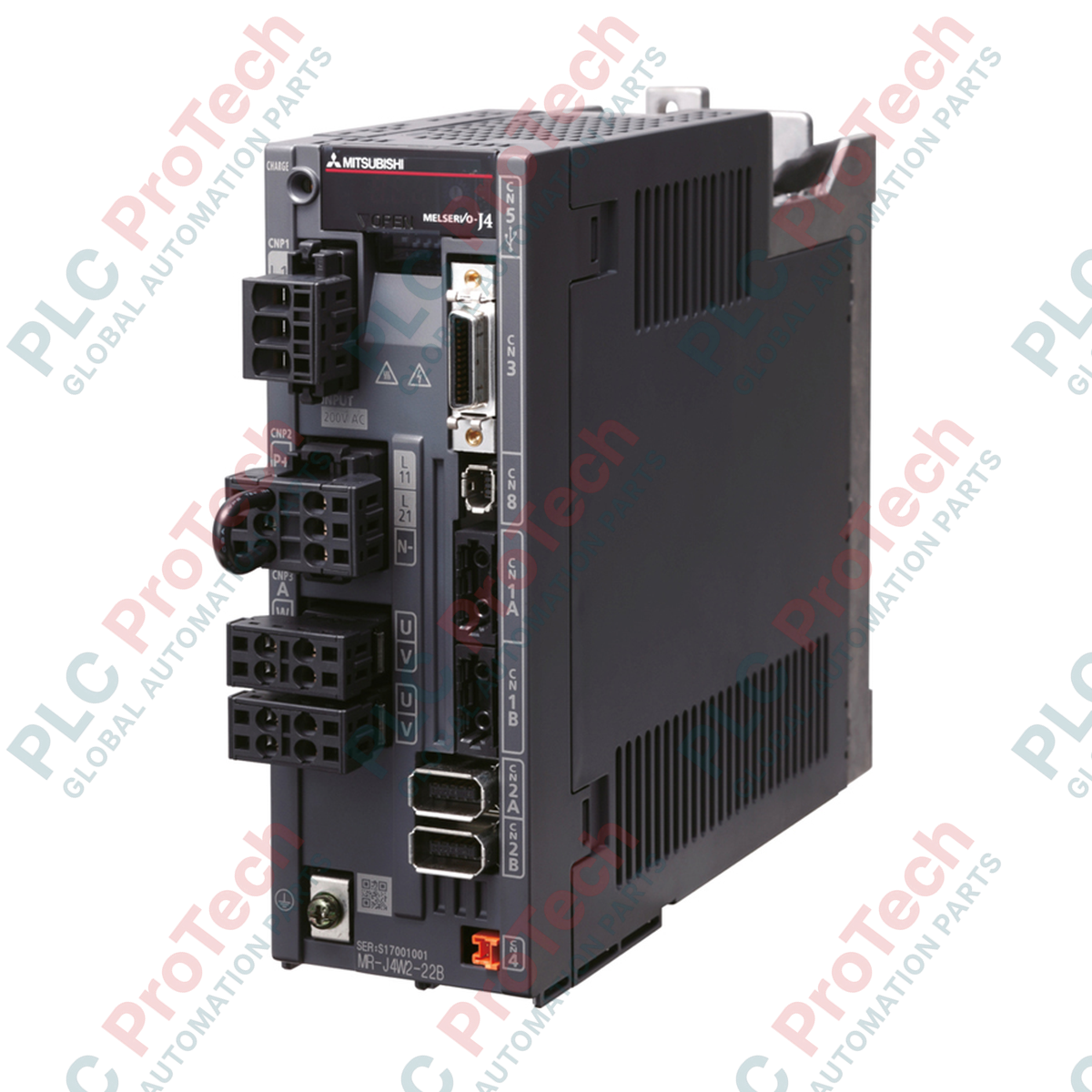
Der für die synchronisierte Mehrachssteuerung in einem einzigen platzsparenden Gehäuse konzipierte Mitsubishi Electric MR-J4W2-44B ist ein digitaler AC-Servoverstärker mit zwei Achsen auf der MELSERVO-J4-Plattform. Durch die Zusammenfassung der Steuerelektronik für zwei unabhängige Achsen mit jeweils 0,4 kW reduziert dieses Gerät den Platzbedarf im Schaltschrank erheblich, optimiert die Leistungsverteilung und vereinfacht die Netzwerkführung. Die Integration der optischen Hochgeschwindigkeitskommunikation über SSCNET III/H ermöglicht eine hochauflösende Bewegungssynchronisierung mit vernachlässigbarer elektromagnetischer Beeinflussung und macht das Gerät zur idealen Wahl für schnelle, mehrachsige automatisierte Montageanlagen.
| Hersteller | Mitsubishi Electric |
| Modellnummer | MR-J4W2-44B |
| Baureihenname | MELSERVO-J4 (MR-J4) |
| Gesteuerte Achsen | 2 Achsen (Achse A und Achse B) |
| Nennausgangsleistung | 0,4 kW pro Achse (insgesamt 0,8 kW) |
| Kommunikationsschnittstelle | SSCNET III/H (optische Verbindung) |
| Stromversorgung des Hauptkreises | Dreiphasig 200 bis 240 VAC, 50/60 Hz |
| Stromversorgung des Steuerkreises | Einphasig 200 bis 240 VAC, 50/60 Hz |
| Encoder-Kompatibilität | 22-Bit-Absolut-/Inkrementalsysteme |
| Kühlmethode | Natürliche Kühlung |
| Umgebungstemperatur im Betrieb | 0 bis 55 °C (nicht gefrierend) |
| Abmessungen (H x B x T) | 195 mm x 60 mm x 168 mm |
| Nettogewicht | 1,4 kg |
| Versandgewicht (berechnet) | 3,5 kg |
| Klemmen-/Steckerbezeichnung | Funktionszuweisung |
|---|---|
| L1 / L2 / L3 | Eingang der Stromversorgung des Hauptkreises (200–240 VAC) |
| L11 / L21 | Eingang der Stromversorgung des Steuerkreises |
| U / V / W (Achse A) | Servomotor-Ausgangsklemmen für Achse A |
| U / V / W (Achse B) | Servomotorausgangsklemmen für Achse B |
| CN1A / CN1B | Anschlüsse für die SSCNET-III/H-Lichtwellenleiterschleife (Ein-/Ausgang) |
| CN2A / CN2B | Encoder-Anschlussschnittstellen für Achse A / Achse B |
| CN8 | Signalklemme für funktionale Sicherheit (STO) |
Die Serie MR-J4W2 ist als primäre Plattform für Mehrachskonfigurationen innerhalb des MR-J4-Ökosystems ausgelegt. Beachten Sie, dass bei der Umrüstung älterer MR-J3W-Geräte auf die Konfiguration MR-J4W2 eine Parameterübersetzung in der Programmiersoftware (z. B. GX Works2 oder GX Works3) erforderlich ist. Obwohl sich die Montageabmessungen geringfügig von denen der Einzelachsgeräte unterscheiden, rechtfertigt der durch den Wegfall separater Steuerstromkabel gewonnene Platz die Umstellung problemlos.
Da Achse A und Achse B einen gemeinsamen internen Gleichspannungszwischenkreis nutzen, wird die beim Abbremsen einer Achse erzeugte regenerative Energie auf natürliche Weise von der zweiten motorischen Achse genutzt. Wenn jedoch beide Achsen gleichzeitig mit hoher Trägheit abbremsen, kann die regenerative Kapazität den internen Kondensator schnell sättigen und einen Überspannungsfehler (AL.33) auslösen. Bei Anwendungen mit kontinuierlichen regenerativen Zyklen oder hoher Lastträgheit müssen Sie stets den gesamten Regenerationsbedarf des Systems berechnen und einen ausreichend dimensionierten externen Regenerationswiderstand zwischen den Anschlüssen L+ und L- anschließen.
Achten Sie beim Verlegen der SSCNET-III/H-Lichtwellenleiterkabel (MR-J3BUS_M) darauf, den minimalen Biegeradius von 25 mm nicht zu unterschreiten. Enge Biegungen oder ein zu hoher Kabelbinderdruck an der Lichtwellenleiterführung dämpfen das Lichtsignal und können zu zufälligen Leitungsausfällen (AL.37) oder Kommunikationsfehlern (AL.E6) führen. Verschließen Sie ungenutzte optische Anschlüsse am Verstärker stets, um die Linse des optischen Transceivers vor Staub und Feuchtigkeit zu schützen.
KRITISCHER WARNHINWEIS:
Stromschlaggefahr und Gefahr der Entladung von Restladungen. Trennen Sie vor Beginn der mechanischen Installation oder Verdrahtung stets die Stromversorgungen des Haupt- und Steuerkreises. Warten Sie nach dem Ausschalten mindestens 15 Minuten, bis die Ladungsanzeigen an der Vorderseite des Verstärkers vollständig erloschen sind, bevor Sie Kabelverbindungen handhaben.

Globaler Expressversand
Rückgabe & Garantie


Globaler Expressversand
Rückgaben & Garantie
Bestellungen werden von Montag bis Freitag bearbeitet und geliefert (außer an Feiertagen).
Für vollständige Anspruchsvoraussetzungen, Wiedereinlagerungsgebühren und internationale Rückgabedetails sehen Sie bitte unsere offiziellen Rückerstattungs- & Rückgabebedingungen .
| Country of origin |
Vereinigte Staaten
|

Erstellen und verifizieren Sie ein erstes TwinCAT-SPS-Projekt auf einem Beckhoff-IPC. Diese Checkliste umfasst die Zielauswahl, die EtherCAT-Erkennung, die E/A-Zuordnung, die sichere Aktivierung,...

Eine praktische Inbetriebnahmesequenz für KEPServerEX-OPC-UA-Verbindungen: Datenverantwortung festlegen, Tags lokal testen, Endpunkt und Zertifikatsvertrauen konfigurieren, Zugriff beschränken und...

Die Inbetriebnahme einer Ethernet-vernetzten SPS beginnt oft am Laptop und nicht an der Steuerung. Erfahren Sie, wie Sie vorhandene Einstellungen dokumentieren, eine temporäre Adresse auswählen, die...

Schutzmaßnahmen gegen brennbaren Staub erfordern mehr als nur Alarme. Erfahren Sie, wie Sie die Staubentstehung erfassen, Instrumentierung auswählen, Verriegelungen auslegen, mit ausgefallenen...

Hairpin-Wicklungen erhöhen die Nutenfüllung und ermöglichen kompakte Traktionsmotoren, doch Leitergeometrie, Wechselstromverluste, Isolationsschäden, Schweißqualität und Kühlung entscheiden darüber,...

Verwenden Sie Ansible, um Änderungen an SCADA-Servern zu standardisieren, ohne das OT-Risiko zu erhöhen. Dieser Leitfaden behandelt Inventare, idempotente Playbooks, gestaffelte Tests, Zugangsdaten,...