


پیادهسازی منطق نردبانی XOR سهکلیده با بیت داخلی
مدار روشنایی XOR با کلید ۳-SPST را در LogixPro یا RSLogix 500 با استفاده از یک بیت رله داخلی پیادهسازی کنید. شامل جدولهای درستی، معادلات بولی و تأییدشده است.

Beckhoff IP2331-B520 که برای سادهسازی معماریهای کنترل غیرمتمرکز طراحی شده است، بهعنوان پیوندی مقاوم بین ماژولهای جانبی دارای استاندارد IP67 و یک شبکه صنعتی استاندارد DeviceNet عمل میکند. این ماژول با فراهمکردن پردازش I/O از راه دور مستقیماً در سطح ماشین، نیاز به تابلوهای کنترل محافظ و سیمکشی موازی گسترده را از بین میبرد. این دستگاه سیگنالهای دیجیتال و آنالوگ تجهیزات جانبی را بهصورت پویا مدیریت کرده و الزامات رابطهای توسعه متصل را بهطور خودکار تطبیق میدهد. پیکربندی شبکه بهراحتی با استفاده از ابزار نرمافزاری KS2000 یا از طریق پیامرسانی صریح بهوسیله کنترلکننده میزبان انجام میشود.
| پارامتر | مشخصات |
|---|---|
| تولیدکننده | Beckhoff |
| شماره مدل | IP2331-B520 |
| رابط فیلدباس | DeviceNet |
| اتصال باس | ۱ × کانکتور M12، ۵ پین |
| نرخ انتقال داده | تشخیص خودکار تا ۵۰۰ کیلوباد |
| منبع تغذیه ولتاژ کنترل | ۲۴ ولت DC (۱۵٪- / ۲۰٪+) |
| منبع تغذیه ولتاژ بار | وابسته به نوع I/O متصلشده |
| مصرف جریان داخلی جعبه | ۴۵ میلیآمپر + جریان حسگر (حداکثر ۰٫۵ آمپر) |
| اتصالات برق | ورودی: ۱ × نر M8 (۴ پین)؛ خروجی: ۱ × ماده M8 (۴ پین) |
| ولتاژ عایقی | ۵۰۰ ولت (ولتاژ کنترل / فیلدباس) |
| دمای کاری | ۰ تا +۵۵ درجه سلسیوس |
| دمای نگهداری | -۲۵ تا +۸۵ درجه سلسیوس |
| درجه حفاظت | IP65 / IP66 / IP67 (مطابق با EN 60529) |
| مطابقت با استانداردها | لرزش EN 60068-2-6، شوک EN 60068-2-27، سازگاری الکترومغناطیسی EN 61000-6-2/4 |
| تأییدیهها | CE، UL |
| وزن حمل (محاسبهشده) | ۲٫۰ کیلوگرم |
| نوع اتصال | نگاشت و تخصیص پینها |
|---|---|
| پلاگ باس DeviceNet نوع M12 (5 پین) | پین 1: شیلد | پین 2: V+ | پین 3: V- | پین 4: CAN_H | پین 5: CAN_L |
| ورودی برق M8 نری (4 پین) | پین 1: ورودی 24 ولت DC کنترل | پین 2: ورودی 24 ولت DC بار | پین 3: زمین کنترل | پین 4: زمین بار |
| خروجی برق M8 مادگی (4 پین) | پین 1: حلقه 24 ولت DC کنترل | پین 2: حلقه 24 ولت DC بار | پین 3: زمین کنترل | پین 4: زمین بار |
IP2331-B520 با سری قدیمیتر IP2330 سازگاری عملکردی رو به عقب دارد. بااینحال، برای حفظ ارتباطات تشخیصی با یکپارچگی بالا در DeviceNet، مسترهای شبکه باید با فایل داده الکترونیکی (EDS) صحیح و منطبق با بازبینی میانافزار B520 بهروزرسانی شوند. در ارتقاهای سیستم، فایلهای پیکربندی دستگاه را پیش از استقرار بررسی کنید.
هنگام زنجیرهای کردن برق میان چند ماژول از طریق کانکتورهای M8، مطمئن شوید جریان عبوری کل از حد مطلق 4 آمپر بیشتر نشود. عبور از این آستانه میتواند به تخریب حرارتی موضعی درون محفظه ترمینال و قطعهای غیرمنتظره ارتباطات منجر شود. برای جلوگیری از بازخورد نویز الکتریکی با اندوکتانس بالا روی گذرگاه داده، خطوط برق ایزوله جداگانهای برای شبکههای کنترل اجرا کنید.
برای تعیین خودکار موفق نرخ بود، دستکم یک گره باید بهطور فعال در شبکه DeviceNet داده ارسال کند. هر دو انتهای دورِ ترانک فیزیکی را همیشه با یک مقاومت 120 اهمی ترمینیت کنید. هنگام عیبیابی سیگنالهای فیلدباس، LEDهای وضعیت یکپارچه را برای بررسی مشکلات رایج لایه فیزیکی DeviceNet، مانند اختلاف پتانسیل زمین میان نقاط تغذیه برق دوردست، بررسی کنید.
Fieldbus Box را با استفاده از دو پیچ M4 روی سطحی تمیز و صاف نصب کنید و پیچها را با گشتاور 1.2 نیوتنمتر سفت کنید تا از ایجاد تنش سازهای در بدنه پلاستیکی جلوگیری شود.
پیش از روشن کردن سیستم، نشانی فیزیکی گره DeviceNet را با استفاده از تنظیمکنندههای چرخشی سختافزاری یا سوئیچهای DIP پیکربندی کنید.
کابلهای DeviceNet نوع M12 و کابلهای برق M8 را برای حفظ یکپارچگی آببندی محیطی IP67، با دست و محکم سفت کنید؛ از انبردست استفاده نکنید، زیرا ممکن است کوپلینگهای رزوهدار ترک بخورند.
ابتدا ولتاژ کنترل را اعمال کنید تا ارتباطات بررسی شود، سپس برای فعالسازی حسگرهای جانبی و عملگرهای میدانی، مدار تأمین ولتاژ بار را روشن کنید.
Global Express Shipping
Returns & Warranty

تولیدکننده: BECKHOFF
شماره محصول: IP2331-B520
کشور سازنده:آلمان
نوع محصول: ماژولهای جعبه Fieldbus
پرداخت: حواله بانکی (T/T)، وسترن یونیون
وزن: 500g
بندر حمل و نقل: شیامن
گارانتی: ۱۲ ماه
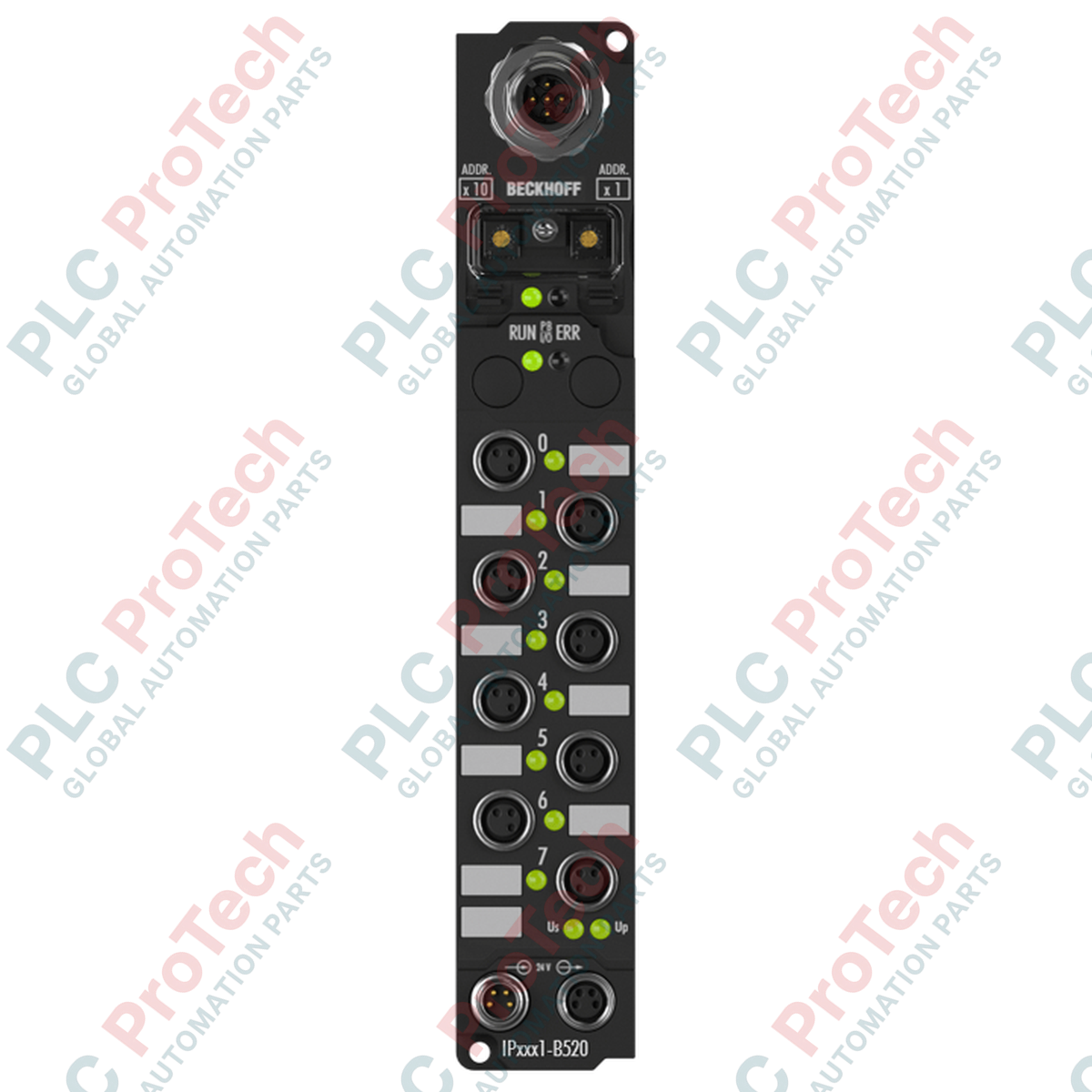
Beckhoff IP2331-B520 که برای سادهسازی معماریهای کنترل غیرمتمرکز طراحی شده است، بهعنوان پیوندی مقاوم بین ماژولهای جانبی دارای استاندارد IP67 و یک شبکه صنعتی استاندارد DeviceNet عمل میکند. این ماژول با فراهمکردن پردازش I/O از راه دور مستقیماً در سطح ماشین، نیاز به تابلوهای کنترل محافظ و سیمکشی موازی گسترده را از بین میبرد. این دستگاه سیگنالهای دیجیتال و آنالوگ تجهیزات جانبی را بهصورت پویا مدیریت کرده و الزامات رابطهای توسعه متصل را بهطور خودکار تطبیق میدهد. پیکربندی شبکه بهراحتی با استفاده از ابزار نرمافزاری KS2000 یا از طریق پیامرسانی صریح بهوسیله کنترلکننده میزبان انجام میشود.
| پارامتر | مشخصات |
|---|---|
| تولیدکننده | Beckhoff |
| شماره مدل | IP2331-B520 |
| رابط فیلدباس | DeviceNet |
| اتصال باس | ۱ × کانکتور M12، ۵ پین |
| نرخ انتقال داده | تشخیص خودکار تا ۵۰۰ کیلوباد |
| منبع تغذیه ولتاژ کنترل | ۲۴ ولت DC (۱۵٪- / ۲۰٪+) |
| منبع تغذیه ولتاژ بار | وابسته به نوع I/O متصلشده |
| مصرف جریان داخلی جعبه | ۴۵ میلیآمپر + جریان حسگر (حداکثر ۰٫۵ آمپر) |
| اتصالات برق | ورودی: ۱ × نر M8 (۴ پین)؛ خروجی: ۱ × ماده M8 (۴ پین) |
| ولتاژ عایقی | ۵۰۰ ولت (ولتاژ کنترل / فیلدباس) |
| دمای کاری | ۰ تا +۵۵ درجه سلسیوس |
| دمای نگهداری | -۲۵ تا +۸۵ درجه سلسیوس |
| درجه حفاظت | IP65 / IP66 / IP67 (مطابق با EN 60529) |
| مطابقت با استانداردها | لرزش EN 60068-2-6، شوک EN 60068-2-27، سازگاری الکترومغناطیسی EN 61000-6-2/4 |
| تأییدیهها | CE، UL |
| وزن حمل (محاسبهشده) | ۲٫۰ کیلوگرم |
| نوع اتصال | نگاشت و تخصیص پینها |
|---|---|
| پلاگ باس DeviceNet نوع M12 (5 پین) | پین 1: شیلد | پین 2: V+ | پین 3: V- | پین 4: CAN_H | پین 5: CAN_L |
| ورودی برق M8 نری (4 پین) | پین 1: ورودی 24 ولت DC کنترل | پین 2: ورودی 24 ولت DC بار | پین 3: زمین کنترل | پین 4: زمین بار |
| خروجی برق M8 مادگی (4 پین) | پین 1: حلقه 24 ولت DC کنترل | پین 2: حلقه 24 ولت DC بار | پین 3: زمین کنترل | پین 4: زمین بار |
IP2331-B520 با سری قدیمیتر IP2330 سازگاری عملکردی رو به عقب دارد. بااینحال، برای حفظ ارتباطات تشخیصی با یکپارچگی بالا در DeviceNet، مسترهای شبکه باید با فایل داده الکترونیکی (EDS) صحیح و منطبق با بازبینی میانافزار B520 بهروزرسانی شوند. در ارتقاهای سیستم، فایلهای پیکربندی دستگاه را پیش از استقرار بررسی کنید.
هنگام زنجیرهای کردن برق میان چند ماژول از طریق کانکتورهای M8، مطمئن شوید جریان عبوری کل از حد مطلق 4 آمپر بیشتر نشود. عبور از این آستانه میتواند به تخریب حرارتی موضعی درون محفظه ترمینال و قطعهای غیرمنتظره ارتباطات منجر شود. برای جلوگیری از بازخورد نویز الکتریکی با اندوکتانس بالا روی گذرگاه داده، خطوط برق ایزوله جداگانهای برای شبکههای کنترل اجرا کنید.
برای تعیین خودکار موفق نرخ بود، دستکم یک گره باید بهطور فعال در شبکه DeviceNet داده ارسال کند. هر دو انتهای دورِ ترانک فیزیکی را همیشه با یک مقاومت 120 اهمی ترمینیت کنید. هنگام عیبیابی سیگنالهای فیلدباس، LEDهای وضعیت یکپارچه را برای بررسی مشکلات رایج لایه فیزیکی DeviceNet، مانند اختلاف پتانسیل زمین میان نقاط تغذیه برق دوردست، بررسی کنید.
Fieldbus Box را با استفاده از دو پیچ M4 روی سطحی تمیز و صاف نصب کنید و پیچها را با گشتاور 1.2 نیوتنمتر سفت کنید تا از ایجاد تنش سازهای در بدنه پلاستیکی جلوگیری شود.
پیش از روشن کردن سیستم، نشانی فیزیکی گره DeviceNet را با استفاده از تنظیمکنندههای چرخشی سختافزاری یا سوئیچهای DIP پیکربندی کنید.
کابلهای DeviceNet نوع M12 و کابلهای برق M8 را برای حفظ یکپارچگی آببندی محیطی IP67، با دست و محکم سفت کنید؛ از انبردست استفاده نکنید، زیرا ممکن است کوپلینگهای رزوهدار ترک بخورند.
ابتدا ولتاژ کنترل را اعمال کنید تا ارتباطات بررسی شود، سپس برای فعالسازی حسگرهای جانبی و عملگرهای میدانی، مدار تأمین ولتاژ بار را روشن کنید.
ارسال سریع جهانی
بازگشت کالا و گارانتی
سفارشها از دوشنبه تا جمعه پردازش و تحویل داده میشوند (به جز تعطیلات رسمی).
برای شرایط کامل واجد شرایط بودن، هزینههای بازگردانی و جزئیات بازگشت بینالمللی، لطفاً صفحه رسمی ما را مشاهده کنید سیاست بازپرداخت و بازگشت کالا .
| Country of origin |
آلمان
|

مدار روشنایی XOR با کلید ۳-SPST را در LogixPro یا RSLogix 500 با استفاده از یک بیت رله داخلی پیادهسازی کنید. شامل جدولهای درستی، معادلات بولی و تأییدشده است.

Allen-Bradley CompactLogix، تابلوهای انتقال خودکار Caterpillar و ژنراتورها را از طریق Modbus RTU در سیستم کنترل توزیعشده DeltaV یکپارچه کنید. این محتوا ProSoft MVI69-MCM و گیتویهای Miille DIN266...

دستور ONS اجرا میشود، اما کویل OTE در Studio 5000 هرگز لچ نمیشود، زیرا وانشات فقط در یک اسکن درست است. در عوض از OTL/OTU یا منطق خودنگهدار استفاده کنید.

درایوهای سرو Kinetix 5500 از Allen-Bradley را روی EtherNet/IP پیکربندی کنید. این دوره مباحث CIP Sync، زمانبندی IEEE 1588 V2، انتخاب Stratix، توپولوژی DLR و HMI را پوشش میدهد.

فیلتر میانگین متحرک، هموارساز پنجرهای لغزان است که بیشتر مهندسان ابزار دقیق آن را در مسیرهای آنالوگ DCS و PLC به کار میبرند. در اینجا نحوه کار پنجره، تأثیر N و زمان نمونهبرداری بر تأخیر، و زمان...

در توربینهای گازی Frame 5 تا 9، سیستمهای GE Mark VI و Mark VIe کنترل را بهصورت نرمافزار کاربردی مبتنی بر بلوکهای تابع اجرا میکنند. این مقاله عملکردهای فرایندی، حفاظتی و توالیگذاری را بررسی...