


پیادهسازی منطق نردبانی XOR سهکلیده با بیت داخلی
مدار روشنایی XOR با کلید ۳-SPST را در LogixPro یا RSLogix 500 با استفاده از یک بیت رله داخلی پیادهسازی کنید. شامل جدولهای درستی، معادلات بولی و تأییدشده است.

Beckhoff IP3312-B520 که برای استقرار مستقیم در محل و در محیطهای فرایندی سخت طراحی شده است، بهعنوان یک ایستگاه ورودی/خروجی صنعتی توزیعشده عمل میکند که مستقیماً از طریق پروتکل DeviceNet رابط میشود. این ماژول Fieldbus Box قابلیت اندازهگیری دما را با پشتیبانی از حداکثر دو ورودی ترموکوپل یکپارچه میکند و نیاز به تابلوهای کنترل محافظ را از بین میبرد. دستگاه به تشخیص خودکار نرخ بود تا ۵۰۰ کیلوباد مجهز است و از رابطهای کانکتوری M12 و M8 باکیفیت استفاده میکند تا انتقال مطمئن سیگنال و اتصال فیزیکی پایدار را در شرایط تنش مکانیکی زیاد تضمین کند. پیکربندی بهصورت یکپارچه از طریق محیط نرمافزار KS2000 یا مستقیماً از طریق پیامرسانی صریح مبتنی بر کنترلر انجام میشود.
| پارامتر مشخصات | مقدار / درجهبندی |
|---|---|
| سازنده | Beckhoff Automation |
| شناسه مدل | IP3312-B520 |
| رابط فیلدباس | DeviceNet (۱ عدد کانکتور نری M12، پنجپین) |
| نرخ انتقال داده | تشخیص خودکار تا ۵۰۰ کیلوباد |
| منبع تغذیه ولتاژ کنترل | ۲۴ ولت DC (۱۵٪- / ۲۰٪+) |
| مصرف جریان جعبه | ۴۵ میلیآمپر + بار حسگر (حداکثر ۰٫۵ آمپر) |
| ایزولاسیون الکتریکی | ۵۰۰ ولت (ولتاژ کنترل نسبت به فیلدباس) |
| درجه حفاظت در برابر نفوذ | IP65 / IP66 / IP67 (مطابق با EN 60529) |
| محدوده دمای کارکرد | ۰ تا +۵۵ درجه سانتیگراد |
| محدوده دمای نگهداری | -۲۵ تا +۸۵ درجه سانتیگراد |
| مقاومت در برابر لرزش/ضربه | مطابق با EN 60068-2-6 / EN 60068-2-27 |
| استانداردهای EMC | مطابق با EN 61000-6-2 / EN 61000-6-4 |
| تأییدیهها | CE، UL |
| وزن حمل (محاسبهشده) | ۲٫۰ کیلوگرم |
| درگاه / اتصال | نوع کانکتور | تخصیص عملکرد |
|---|---|---|
| رابط گذرگاه DeviceNet | ۱ عدد کانکتور نری M12، پنجپین | خط ارتباطی شبکه شیلددار |
| ورودی تغذیه | ۱ × سوکت نری M8، چهارپین | ولتاژ کنترلی ورودی 24 V DC و اتصال زمین |
| توان پاییندست | ۱ × سوکت مادگی M8، چهارپین | حلقه توزیع توان به ماژولهای بعدی |
ماژول IP3312-B520 با پیکربندیهای DeviceNet کار میکند. هنگام ارتقای شبکههای قدیمی یا تعویض ماژولها در حلقههای صنعتی قدیمی، اطمینان حاصل کنید فایلهای پیکربندی Master/Scanner (EDS) با نسخههای فریمور مطابقت دارند. اگر سیستمی را به EtherCAT یا PROFINET تبدیل میکنید، باید ماژولهای معادل Fieldbus Box را بهترتیب از سری EP یا EQ انتخاب کنید، زیرا لایههای فیزیکی سری IP به گزینههای فیلدباس اختصاصی خود محدود هستند (B520 برای DeviceNet و B310 برای PROFIBUS).
سیگنالهای ترموکوپل بهشدت در برابر تداخل الکترومغناطیسی (EMI) آسیبپذیر هستند. اگرچه IP3312-B520 از مصونیت EMC قدرتمندی مطابق با EN 61000-6-2 برخوردار است، عبور سیمهای رابط ترموکوپل در کنار کابلهای خروجی درایو فرکانس متغیر (VFD) سنگین میتواند قرائتهای دما را مخدوش کند. از حلقهکردن کابلهای حسگر خودداری کنید و مسیرهای سیمکشی جداگانهای را حفظ کنید. همچنین برای حفظ درجه حفاظت IP67 در برابر نفوذ، اطمینان حاصل کنید همه پورتهای بدون استفاده M12 و M8 با درپوشهای محافظ صنعتی مسدود شدهاند.
در هنگام نصب اولیه، اطمینان حاصل کنید مقاومتهای ترمینیشن DeviceNet بهدرستی در هر دو انتهای فیزیکی خط اصلی قرار گرفتهاند (معمولاً 121 اهم، 1/4 وات). هنگام عبور توان از پورت پاییندست M8، مجموع جریان تجمعی همه حسگرها و ماژولهای متصل را محاسبه کنید. تجاوز از حد 0.5 A میتواند باعث افت ولتاژ و فعال شدن خطاهای تشخیصی توان پایین در حسگرهای پاییندست شود.
Fieldbus Box را با استفاده از دو پیچ M4 که از گوشوارههای نصب یکپارچه عبور میکنند، روی سطحی صاف و مقاوم در برابر لرزش نصب کنید.
منبع تغذیه ورودی 24 V DC را به کانکتور نری M8 چهارپین متصل کنید. از تطابق دقیق قطبها اطمینان حاصل کنید.
در صورت انتقال تغذیه به نودهای دیگر، پورت مادگی پاییندست M8 را با استفاده از کابل شیلددار چهاررشتهای متصل کنید.
خط اصلی شبکه DeviceNet را به کانکتور فیلدباس M12 پنجپین متصل کنید. اگر این واحد در انتهای شبکه قرار دارد، فعال بودن مقاومتهای ترمینیشن را بررسی کنید.
آدرس نود و پارامترهای باس را با استفاده از ابزار نرمافزاری KS2000 یا از طریق محیط پیکربندی PLC تنظیم کنید.
Global Express Shipping
Returns & Warranty

تولیدکننده: BECKHOFF
شماره محصول: IP3312-B520
کشور سازنده:آلمان
نوع محصول: ماژولهای جعبه Fieldbus
پرداخت: حواله بانکی (T/T)، وسترن یونیون
وزن: 500g
بندر حمل و نقل: شیامن
گارانتی: ۱۲ ماه
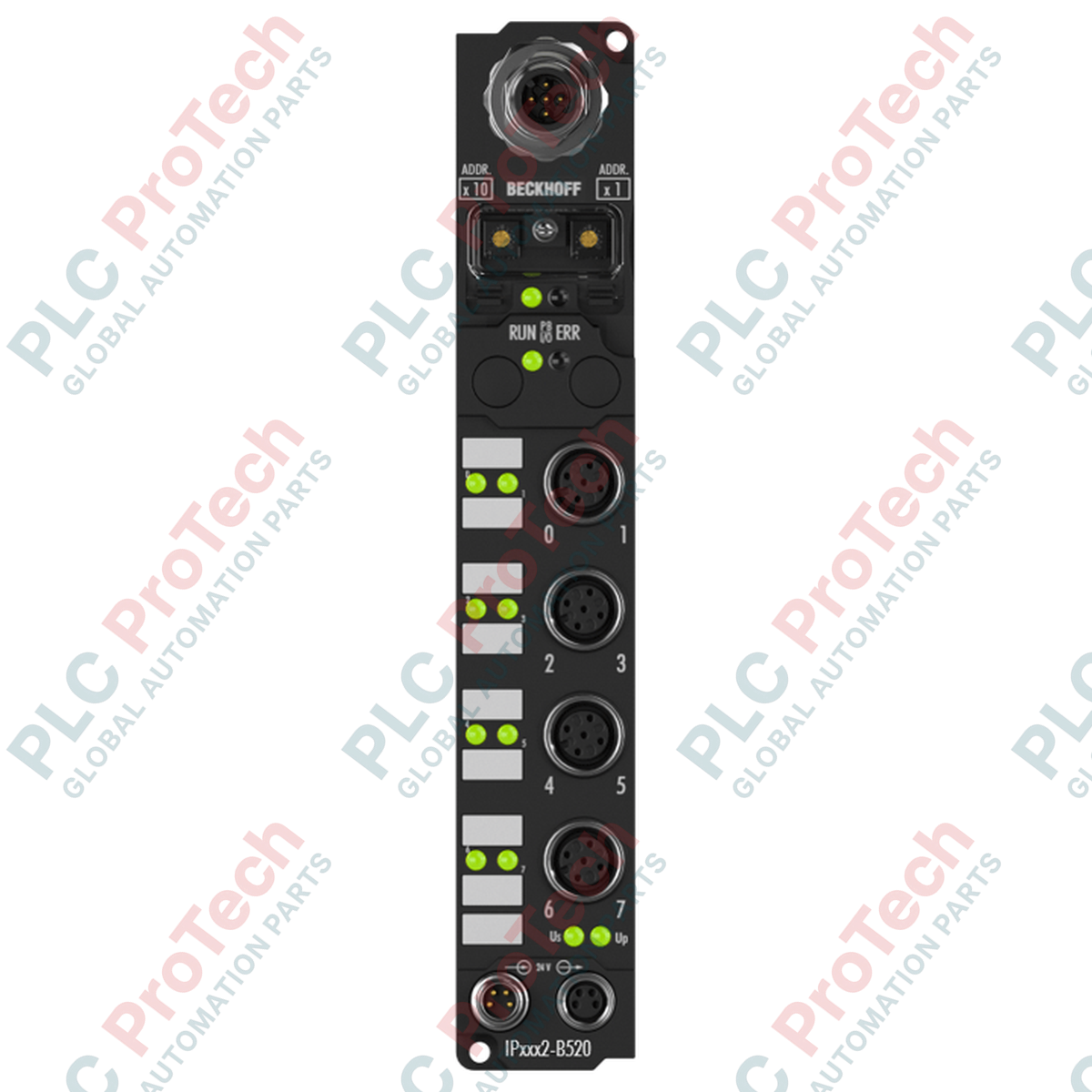
Beckhoff IP3312-B520 که برای استقرار مستقیم در محل و در محیطهای فرایندی سخت طراحی شده است، بهعنوان یک ایستگاه ورودی/خروجی صنعتی توزیعشده عمل میکند که مستقیماً از طریق پروتکل DeviceNet رابط میشود. این ماژول Fieldbus Box قابلیت اندازهگیری دما را با پشتیبانی از حداکثر دو ورودی ترموکوپل یکپارچه میکند و نیاز به تابلوهای کنترل محافظ را از بین میبرد. دستگاه به تشخیص خودکار نرخ بود تا ۵۰۰ کیلوباد مجهز است و از رابطهای کانکتوری M12 و M8 باکیفیت استفاده میکند تا انتقال مطمئن سیگنال و اتصال فیزیکی پایدار را در شرایط تنش مکانیکی زیاد تضمین کند. پیکربندی بهصورت یکپارچه از طریق محیط نرمافزار KS2000 یا مستقیماً از طریق پیامرسانی صریح مبتنی بر کنترلر انجام میشود.
| پارامتر مشخصات | مقدار / درجهبندی |
|---|---|
| سازنده | Beckhoff Automation |
| شناسه مدل | IP3312-B520 |
| رابط فیلدباس | DeviceNet (۱ عدد کانکتور نری M12، پنجپین) |
| نرخ انتقال داده | تشخیص خودکار تا ۵۰۰ کیلوباد |
| منبع تغذیه ولتاژ کنترل | ۲۴ ولت DC (۱۵٪- / ۲۰٪+) |
| مصرف جریان جعبه | ۴۵ میلیآمپر + بار حسگر (حداکثر ۰٫۵ آمپر) |
| ایزولاسیون الکتریکی | ۵۰۰ ولت (ولتاژ کنترل نسبت به فیلدباس) |
| درجه حفاظت در برابر نفوذ | IP65 / IP66 / IP67 (مطابق با EN 60529) |
| محدوده دمای کارکرد | ۰ تا +۵۵ درجه سانتیگراد |
| محدوده دمای نگهداری | -۲۵ تا +۸۵ درجه سانتیگراد |
| مقاومت در برابر لرزش/ضربه | مطابق با EN 60068-2-6 / EN 60068-2-27 |
| استانداردهای EMC | مطابق با EN 61000-6-2 / EN 61000-6-4 |
| تأییدیهها | CE، UL |
| وزن حمل (محاسبهشده) | ۲٫۰ کیلوگرم |
| درگاه / اتصال | نوع کانکتور | تخصیص عملکرد |
|---|---|---|
| رابط گذرگاه DeviceNet | ۱ عدد کانکتور نری M12، پنجپین | خط ارتباطی شبکه شیلددار |
| ورودی تغذیه | ۱ × سوکت نری M8، چهارپین | ولتاژ کنترلی ورودی 24 V DC و اتصال زمین |
| توان پاییندست | ۱ × سوکت مادگی M8، چهارپین | حلقه توزیع توان به ماژولهای بعدی |
ماژول IP3312-B520 با پیکربندیهای DeviceNet کار میکند. هنگام ارتقای شبکههای قدیمی یا تعویض ماژولها در حلقههای صنعتی قدیمی، اطمینان حاصل کنید فایلهای پیکربندی Master/Scanner (EDS) با نسخههای فریمور مطابقت دارند. اگر سیستمی را به EtherCAT یا PROFINET تبدیل میکنید، باید ماژولهای معادل Fieldbus Box را بهترتیب از سری EP یا EQ انتخاب کنید، زیرا لایههای فیزیکی سری IP به گزینههای فیلدباس اختصاصی خود محدود هستند (B520 برای DeviceNet و B310 برای PROFIBUS).
سیگنالهای ترموکوپل بهشدت در برابر تداخل الکترومغناطیسی (EMI) آسیبپذیر هستند. اگرچه IP3312-B520 از مصونیت EMC قدرتمندی مطابق با EN 61000-6-2 برخوردار است، عبور سیمهای رابط ترموکوپل در کنار کابلهای خروجی درایو فرکانس متغیر (VFD) سنگین میتواند قرائتهای دما را مخدوش کند. از حلقهکردن کابلهای حسگر خودداری کنید و مسیرهای سیمکشی جداگانهای را حفظ کنید. همچنین برای حفظ درجه حفاظت IP67 در برابر نفوذ، اطمینان حاصل کنید همه پورتهای بدون استفاده M12 و M8 با درپوشهای محافظ صنعتی مسدود شدهاند.
در هنگام نصب اولیه، اطمینان حاصل کنید مقاومتهای ترمینیشن DeviceNet بهدرستی در هر دو انتهای فیزیکی خط اصلی قرار گرفتهاند (معمولاً 121 اهم، 1/4 وات). هنگام عبور توان از پورت پاییندست M8، مجموع جریان تجمعی همه حسگرها و ماژولهای متصل را محاسبه کنید. تجاوز از حد 0.5 A میتواند باعث افت ولتاژ و فعال شدن خطاهای تشخیصی توان پایین در حسگرهای پاییندست شود.
Fieldbus Box را با استفاده از دو پیچ M4 که از گوشوارههای نصب یکپارچه عبور میکنند، روی سطحی صاف و مقاوم در برابر لرزش نصب کنید.
منبع تغذیه ورودی 24 V DC را به کانکتور نری M8 چهارپین متصل کنید. از تطابق دقیق قطبها اطمینان حاصل کنید.
در صورت انتقال تغذیه به نودهای دیگر، پورت مادگی پاییندست M8 را با استفاده از کابل شیلددار چهاررشتهای متصل کنید.
خط اصلی شبکه DeviceNet را به کانکتور فیلدباس M12 پنجپین متصل کنید. اگر این واحد در انتهای شبکه قرار دارد، فعال بودن مقاومتهای ترمینیشن را بررسی کنید.
آدرس نود و پارامترهای باس را با استفاده از ابزار نرمافزاری KS2000 یا از طریق محیط پیکربندی PLC تنظیم کنید.
ارسال سریع جهانی
بازگشت کالا و گارانتی
سفارشها از دوشنبه تا جمعه پردازش و تحویل داده میشوند (به جز تعطیلات رسمی).
برای شرایط کامل واجد شرایط بودن، هزینههای بازگردانی و جزئیات بازگشت بینالمللی، لطفاً صفحه رسمی ما را مشاهده کنید سیاست بازپرداخت و بازگشت کالا .
| Country of origin |
آلمان
|

مدار روشنایی XOR با کلید ۳-SPST را در LogixPro یا RSLogix 500 با استفاده از یک بیت رله داخلی پیادهسازی کنید. شامل جدولهای درستی، معادلات بولی و تأییدشده است.

Allen-Bradley CompactLogix، تابلوهای انتقال خودکار Caterpillar و ژنراتورها را از طریق Modbus RTU در سیستم کنترل توزیعشده DeltaV یکپارچه کنید. این محتوا ProSoft MVI69-MCM و گیتویهای Miille DIN266...

دستور ONS اجرا میشود، اما کویل OTE در Studio 5000 هرگز لچ نمیشود، زیرا وانشات فقط در یک اسکن درست است. در عوض از OTL/OTU یا منطق خودنگهدار استفاده کنید.

درایوهای سرو Kinetix 5500 از Allen-Bradley را روی EtherNet/IP پیکربندی کنید. این دوره مباحث CIP Sync، زمانبندی IEEE 1588 V2، انتخاب Stratix، توپولوژی DLR و HMI را پوشش میدهد.

فیلتر میانگین متحرک، هموارساز پنجرهای لغزان است که بیشتر مهندسان ابزار دقیق آن را در مسیرهای آنالوگ DCS و PLC به کار میبرند. در اینجا نحوه کار پنجره، تأثیر N و زمان نمونهبرداری بر تأخیر، و زمان...

در توربینهای گازی Frame 5 تا 9، سیستمهای GE Mark VI و Mark VIe کنترل را بهصورت نرمافزار کاربردی مبتنی بر بلوکهای تابع اجرا میکنند. این مقاله عملکردهای فرایندی، حفاظتی و توالیگذاری را بررسی...