


راهاندازی OPC UA در KEPServerEX: چکلیست میدانی
یک توالی عملی برای راهاندازی اتصالهای OPC UA در KEPServerEX: مالکیت دادهها را مشخص کنید، تگها را بهصورت محلی آزمایش کنید، نقطه پایانی و اعتماد به گواهی را پیکربندی کنید، دسترسی را محدود کنید،...
تولیدکننده: Bently Nevada
شماره محصول: 149986-02
کشور سازنده:ایالات متحده آمریکا
نوع محصول: ماژولهای کنترل رله
پرداخت: حواله بانکی (T/T)، وسترن یونیون
وزن: 320g
ابعاد: ۲٫۵ × ۲۵٫۸ × ۱۲٫۰ سانتیمتر
بندر حمل و نقل: شیامن
گارانتی: ۱۲ ماه
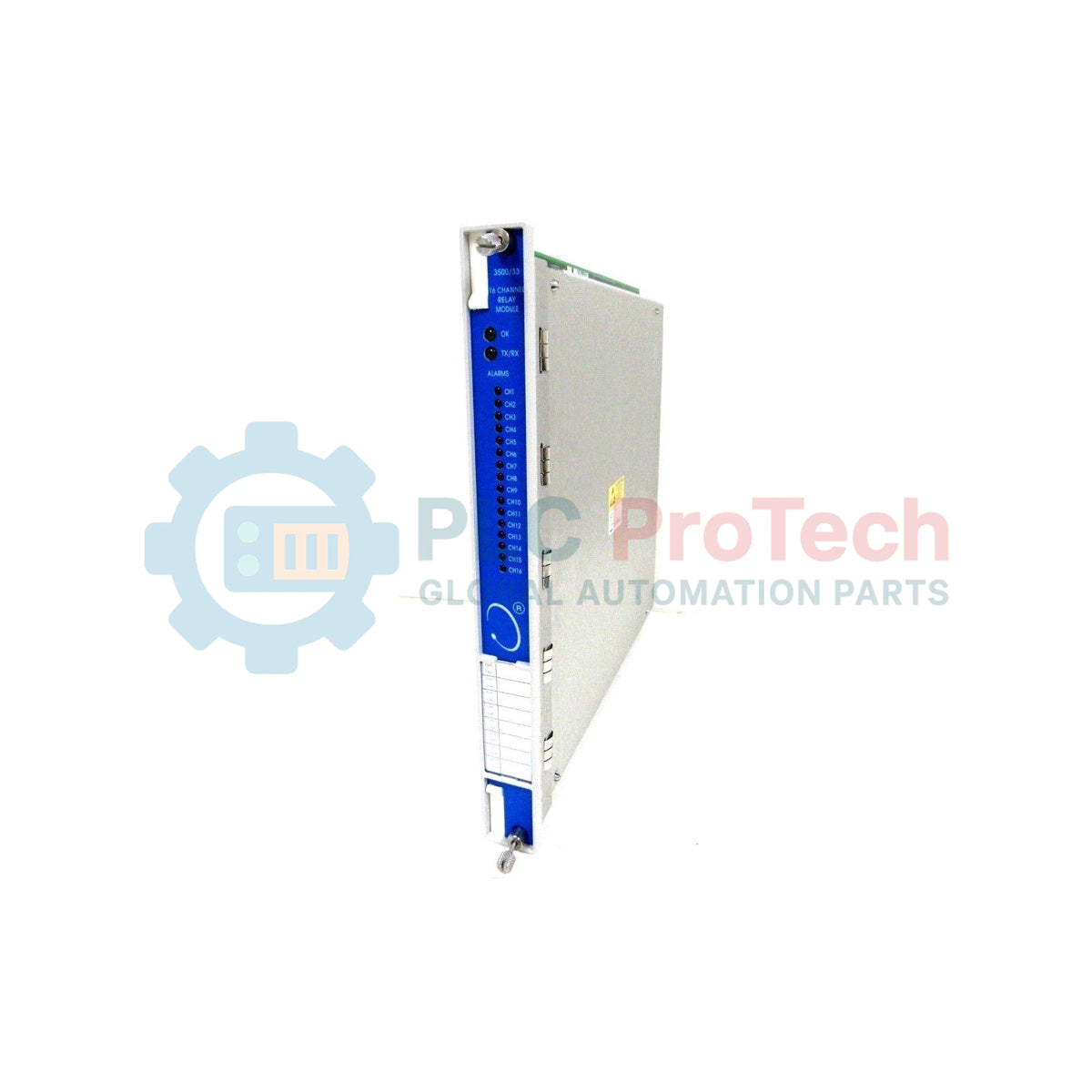
ماژول Bently Nevada 149986-02 که برای حفاظت از ماشینآلات سنگین صنعتی پیکربندی شده است، قابلیت کنترل رله ۴ کاناله قابلاعتمادی را در معماری سیستم رک 3500 فراهم میکند. این ماژول بهعنوان رابطی حیاتی برای اجرای خروجیهای هشدار سختافزاری، خاموشیهای سیستم و طرحهای اینترلاک ایمنی عمل میکند. این ماژول با تبدیل وضعیتهای هشدار الکترونیکی به خروجیهای فیزیکی کنتاکت رله، از تجهیزات دوار باارزشی مانند توربینهای بخار، کمپرسورهای گریز از مرکز و موتورهای القایی بزرگ در برابر حالتهای خرابی فاجعهبار محافظت میکند.
| پارامتر | مقدار مشخصه |
|---|---|
| سازنده | بنتلی نوادا |
| شماره قطعه | 149986-02 |
| نوع ماژول | ماژول کنترل رله ۴ کاناله یدکی |
| سیستم سازگار | سیستم حفاظت از ماشینآلات سری 3500 بنتلی نوادا |
| نوع کنتاکت رله | تکقطبی، دوحالته (SPDT) / فرم C |
| ردهبندی جریان کنتاکت | ۵ آمپر در ۱۲۰ ولت AC / ۲۴۰ ولت AC (مقاومتی)، ۵ آمپر در ۲۴ ولت DC |
| دمای کاری | ۳۰- تا ۶۵+ درجه سانتیگراد |
| دمای نگهداری | ۴۰- تا ۸۵+ درجه سانتیگراد |
| رطوبت نسبی | ۹۵٪ بدون چگالش |
| ابعاد بستهبندی | ۲٫۵ سانتیمتر × ۲۵٫۸ سانتیمتر × ۱۲٫۰ سانتیمتر |
| وزن خالص | ۰٫۷۴ کیلوگرم |
| وزن حمل (محاسبهشده) | ۲٫۰۰ کیلوگرم |
| کشور مبدأ | ایالات متحده (USA) |
149986-02 مجموعه اصلی کارت مدار برای ماژول رله استاندارد 4 کاناله Bently Nevada 3500/32 است. توجه داشته باشید که این ماژول از نظر عملکرد با ماژول رله 16 کاناله 3500/33 متفاوت است. اطمینان حاصل کنید نرمافزار پیکربندی رک 3500 از بازبینی مشخص کارت پشتیبانی میکند تا هنگام یکپارچهسازی از خطاهای عدم تطابق پیکربندی جلوگیری شود.
هنگام قطعووصل بارهای AC یا DC با القای زیاد، مانند شیرهای برقی سنگین یا سیمپیچهای تریپ اصلی، مدارهای اسنابر خارجی یا دیودهای سرکوبگر را مستقیماً موازی بار نصب کنید. قطعووصل بارهای القایی بدون مدار سرکوبگر باعث ایجاد جرقه شدید در کنتاکتها میشود، عمر کاری کنتاکتهای رله داخلی را بهطور چشمگیری کاهش میدهد و ممکن است تداخل الکترومغناطیسی (EMI) را به بکپلین رک 3500 بازگرداند.
تنظیمات جامپر سختافزاری روی برد 149986-02 تعیین میکنند که رلهها بهطور عادی برقدار (NE) یا بهطور عادی بیبرق (NDE) باشند. اطمینان حاصل کنید این تنظیمات سختافزاری دقیقاً با پایگاه داده پیکربندی نرمافزار مطابقت داشته باشند. عدم تطابق باعث ایجاد خطای پیکربندی در سیستم میشود و از ورود رک به حالت «اجرا» جلوگیری میکند.
پیش از خارج کردن ماژول از بستهبندی محافظ ضدالکتریسیته ساکن، مچبند ESD متصل به یک نقطه اتصال زمین تأییدشده بپوشید.
پیش از نصب، کانکتور لبهای کارت را از نظر وجود گردوغبار، ذرات زائد یا آلودگی روکش طلایی بررسی کنید.
کارت ماژول را در امتداد ریلهای کارتِ شیار تعیینشده در شاسی 3500 تراز کنید و آن را به سمت عقب بلغزانید تا محکم در کانکتور بکپلین جای بگیرد.
دو پیچ نگهدارنده شاسی روی پنل جلویی را سفت کنید تا ماژول محکم شود و اتصال زمین بهینه شاسی برقرار گردد.

Global Express Shipping
Returns & Warranty


ارسال سریع جهانی
بازگشت کالا و گارانتی
سفارشها از دوشنبه تا جمعه پردازش و تحویل داده میشوند (به جز تعطیلات رسمی).
برای شرایط کامل واجد شرایط بودن، هزینههای بازگردانی و جزئیات بازگشت بینالمللی، لطفاً صفحه رسمی ما را مشاهده کنید سیاست بازپرداخت و بازگشت کالا .
| Country of origin |
ایالات متحده آمریکا
|

یک توالی عملی برای راهاندازی اتصالهای OPC UA در KEPServerEX: مالکیت دادهها را مشخص کنید، تگها را بهصورت محلی آزمایش کنید، نقطه پایانی و اعتماد به گواهی را پیکربندی کنید، دسترسی را محدود کنید،...

راهاندازی یک PLC متصل به اترنت اغلب با لپتاپ شروع میشود، نه کنترلر. یاد بگیرید چگونه تنظیمات موجود را ثبت کنید، یک نشانی موقت انتخاب کنید، اتصال را آزمایش کنید و پیکربندی شبکه کارخانه را با ایمنی...

کنترل گردوغبار قابلاشتعال به چیزی فراتر از هشدارها نیاز دارد. بیاموزید چگونه تولید گردوغبار را نقشهبرداری کنید، تجهیزات اندازهگیری را انتخاب کنید، اینترلاکها را طراحی کنید، با بازخوردهای ناموفق...

سیمپیچیهای هِیرپین ضریب پُرشدگی شیار را افزایش میدهند و از موتورهای کششیِ فشرده پشتیبانی میکنند، اما هندسهٔ هادی، تلفات جریان متناوب، آسیب عایق، کیفیت جوش و خنککاری تعیین میکنند که آیا طراحی به...

از Ansible برای استانداردسازی تغییرات سرورهای SCADA بدون افزایش ریسک OT استفاده کنید. این راهنما موجودیها، پلیبوکهای ایدمپوتنت، آزمایش مرحلهای، اعتبارنامهها، ثبت گزارشها و کنترلهای عملی بازگشت...

یک VPN مسیر دسترسی به شبکه صنعتی را رمزگذاری میکند، اما کار امن از راه دور روی PLC به کنترل هویت، دسترسی بخشبندیشده، تأیید تغییرات، ثبت رویدادها، محدودههای عملیاتی ایمن و رویههای بازیابیِ...