


پیادهسازی منطق نردبانی XOR سهکلیده با بیت داخلی
مدار روشنایی XOR با کلید ۳-SPST را در LogixPro یا RSLogix 500 با استفاده از یک بیت رله داخلی پیادهسازی کنید. شامل جدولهای درستی، معادلات بولی و تأییدشده است.

پروب مجاورت Bently Nevada 330904-08-15-10-02-CN که برای محیطهای ماشینآلات با لقی محدود مهندسی شده است، در سیستم مبدل 3300 NSv کار میکند و ردیابی دقیق جابهجایی و ارتعاش جریان گردابی را ارائه میدهد. این حسگر دارای بدنهای با طراحی رزوهدار M8 x 1 و زره محافظ مقاوم از جنس فولاد ضدزنگ است و بهطور ویژه برای قطرهای هدف کمتر از ۹٫۵ میلیمتر (۰٫۳۷۵ اینچ) بهینه شده است؛ یعنی جایی که پروبهای استاندارد نمیتوانند پاسخ خطی ولتاژ به فاصله را حفظ کنند.
| کد گزینه | پارامتر پیکربندیشده | مشخصات مهندسیشده |
|---|---|---|
| 08 | طول بدون رزوه | ۸۰ میلیمتر |
| 15 | طول کلی بدنه | ۱۵۰ میلیمتر |
| 10 | طول کل | ۱٫۰ متر (۳۹ اینچ) |
| 02 | نوع کانکتور و کابل | کانکتور کواکسیال مینیاتوری ClickLoc، کابل استاندارد زرهپوش |
| CN | تأییدیههای سازمانی | تأییدیههای مناطق خطرناک ویژه کشور (چین) |
| مشخصات رزوه | M8 x 1 |
| محدودیتهای اندازه هدف | بهینهسازیشده برای اهدافی با قطر کمتر از ۹٫۵ میلیمتر (۰٫۳۷۵ اینچ) |
| سازگاری ضریب مقیاس | منحصراً با سیستمهای Proximitor مدل 3300 NSv سازگار است |
| مجموعه کانکتور | کانکتور کواکسیال مینیاتوری ClickLoc با روکش طلا |
| محدوده دمای عملیاتی | -۳۵ تا ۱۷۷ درجه سانتیگراد (-۳۱ تا ۳۵۰ درجه فارنهایت) |
| ترکیب مواد | نوک پروب از جنس PPS (پلیفنیلن سولفید)، پوسته از جنس فولاد زنگنزن 303 |
| سازنده | Bently Nevada |
| کشور مبدأ | ایالات متحده |
| وزن خالص | 0.15 kg (پیکربندی معمول) |
| وزن حمل (محاسبهشده) | 1.50 kg (بستهبندی محافظ سنگین) |
| ابعاد بستهبندی (محاسبهشده) | 250 x 200 x 50 mm |
سری 3300 NSv بهطور اختصاصی برای پارامترهای هدف کوچک بهینه شده است و هرگز نباید با حسگرهای پروکسیمیتور استاندارد 3300 XL 8mm یا 5mm ترکیب شود. این کار ضریب مقیاس محدوده خطی (معمولاً 7.87 V/mm) را کاملاً مخدوش میکند و به هشدارهای کاذب یا از دسترفتن شرایط خاموشی منجر میشود. اطمینان حاصل کنید که حسگر مجاورت مربوطه بهوضوح بهعنوان پروکسیمیتور 3300 NSv برچسبگذاری شده باشد.
از آنجا که این پروب برای اندازهگیری شفتهای باریک و با تمرکز بالای شار مغناطیسی طراحی شده است، اگر پروبهای مجاور با فاصله مرکزبهمرکز کمتر از 15 mm نصب شوند، در برابر تداخل متقابل آسیبپذیر خواهد بود. همچنین برای جلوگیری از تغییرات کالیبراسیون، حداقل فاصله جانبی هدف معادل 3 برابر قطر نوک پروب را از هر سازه فلزی اطراف که اندازهگیری نمیشود حفظ کنید.
هنگام اتصال کانکتورهای کواکسیال ClickLoc، اطمینان حاصل کنید که اتصال کاملاً خشک باشد. حتی ذرات میکروسکوپی مه روغن درون کانکتور کواکسیال، سیگنالهای فرکانس بالا را بهشدت تضعیف میکند و بهصورت ارتعاش کاذب و ناپایدار ظاهر میشود. برای محافظت در برابر نفوذ مه روغن، همیشه دور اتصال تکمیلشده نوار سیلیکونی خودجوشگیر بپیچید.
هشدار حیاتی میدانی
پیش از نصب، اطمینان حاصل کنید که دستگاه کاملاً بیبرق و ایزوله شده و تمام حرکتهای چرخشی متوقف شدهاند. اعمال گشتاور مکانیکی به محفظه پروب بدون بررسی فاصله آزادسازی میتواند باعث تماس مستقیم با شفت داخلی شود و در نتیجه، هنگام راهاندازی دستگاه، نوک پروب فوراً بریده شود.
بررسی کنید که رزوه نصب با M8 x 1 مطابقت داشته باشد و کاملاً از هرگونه آلودگی، درزگیر رزوه یا براده فلزی پاک شده باشد.
بدنه پروب را با دست و با دقت داخل درگاه نصب رزوه کنید. اطمینان حاصل کنید که آرمور انعطافپذیر صاف باشد و هنگام چرخاندن پوسته پروب، نپیچد.
با اندازهگیری فاصله فیزیکی و در حالی که ولتاژ خروجی DC پروکسیمیتور فعال است، فاصله آزادسازی سازهای را تأیید کنید. پیش از قفلکردن مهره قفل، فاصله هدف مکانیکی را با نقطه میانی خطی مشخصشده در طراحی سیستم مطابقت دهید.
Global Express Shipping
Returns & Warranty


تولیدکننده: Bently Nevada
شماره محصول: 330904-08-15-10-02-CN
کشور سازنده:ایالات متحده آمریکا
نوع محصول: پروبهای مبدل مجاورت
پرداخت: حواله بانکی (T/T)، وسترن یونیون
وزن: 320g
ابعاد: ۲۵۰ × ۲۰۰ × ۵۰ میلیمتر
بندر حمل و نقل: شیامن
گارانتی: ۱۲ ماه
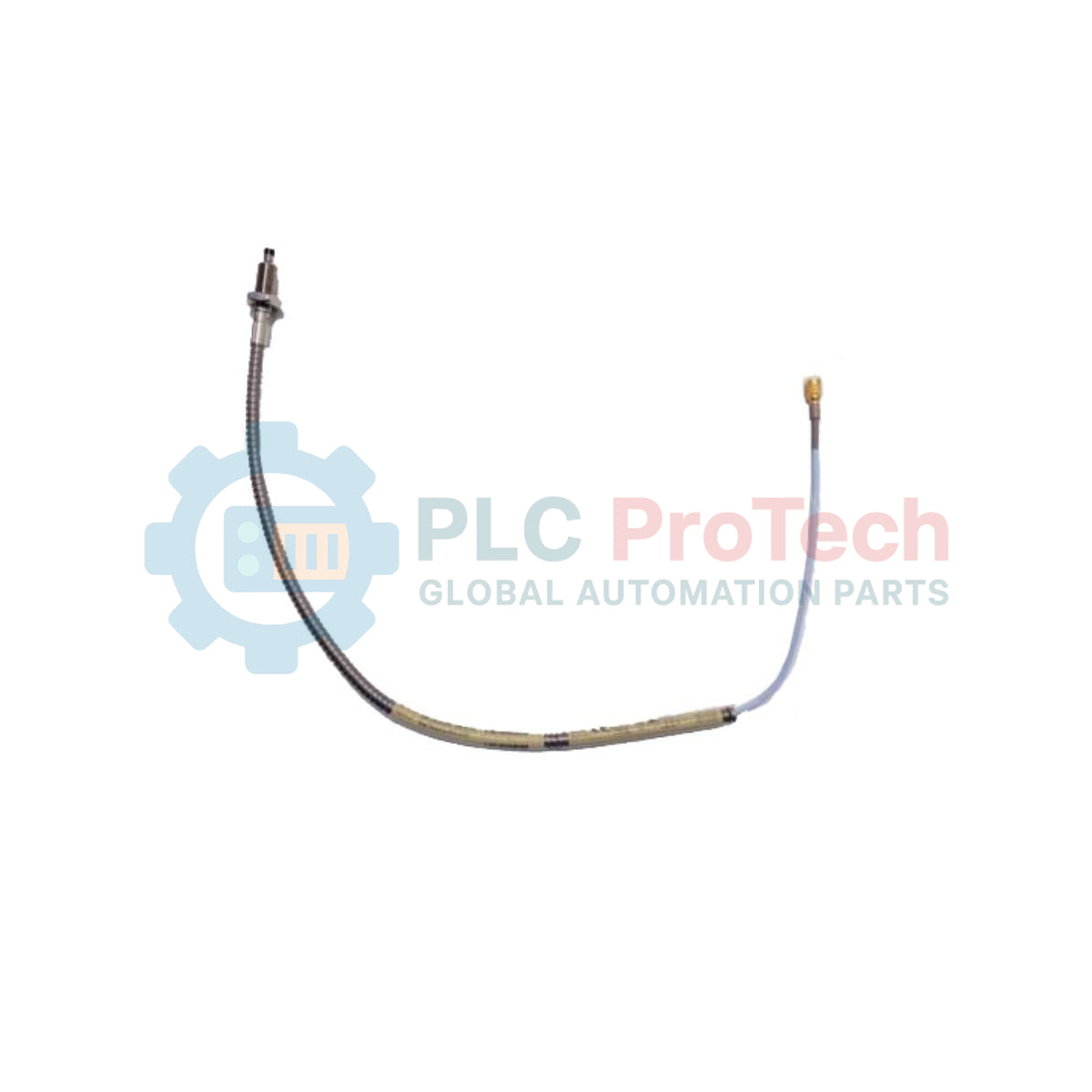
پروب مجاورت Bently Nevada 330904-08-15-10-02-CN که برای محیطهای ماشینآلات با لقی محدود مهندسی شده است، در سیستم مبدل 3300 NSv کار میکند و ردیابی دقیق جابهجایی و ارتعاش جریان گردابی را ارائه میدهد. این حسگر دارای بدنهای با طراحی رزوهدار M8 x 1 و زره محافظ مقاوم از جنس فولاد ضدزنگ است و بهطور ویژه برای قطرهای هدف کمتر از ۹٫۵ میلیمتر (۰٫۳۷۵ اینچ) بهینه شده است؛ یعنی جایی که پروبهای استاندارد نمیتوانند پاسخ خطی ولتاژ به فاصله را حفظ کنند.
| کد گزینه | پارامتر پیکربندیشده | مشخصات مهندسیشده |
|---|---|---|
| 08 | طول بدون رزوه | ۸۰ میلیمتر |
| 15 | طول کلی بدنه | ۱۵۰ میلیمتر |
| 10 | طول کل | ۱٫۰ متر (۳۹ اینچ) |
| 02 | نوع کانکتور و کابل | کانکتور کواکسیال مینیاتوری ClickLoc، کابل استاندارد زرهپوش |
| CN | تأییدیههای سازمانی | تأییدیههای مناطق خطرناک ویژه کشور (چین) |
| مشخصات رزوه | M8 x 1 |
| محدودیتهای اندازه هدف | بهینهسازیشده برای اهدافی با قطر کمتر از ۹٫۵ میلیمتر (۰٫۳۷۵ اینچ) |
| سازگاری ضریب مقیاس | منحصراً با سیستمهای Proximitor مدل 3300 NSv سازگار است |
| مجموعه کانکتور | کانکتور کواکسیال مینیاتوری ClickLoc با روکش طلا |
| محدوده دمای عملیاتی | -۳۵ تا ۱۷۷ درجه سانتیگراد (-۳۱ تا ۳۵۰ درجه فارنهایت) |
| ترکیب مواد | نوک پروب از جنس PPS (پلیفنیلن سولفید)، پوسته از جنس فولاد زنگنزن 303 |
| سازنده | Bently Nevada |
| کشور مبدأ | ایالات متحده |
| وزن خالص | 0.15 kg (پیکربندی معمول) |
| وزن حمل (محاسبهشده) | 1.50 kg (بستهبندی محافظ سنگین) |
| ابعاد بستهبندی (محاسبهشده) | 250 x 200 x 50 mm |
سری 3300 NSv بهطور اختصاصی برای پارامترهای هدف کوچک بهینه شده است و هرگز نباید با حسگرهای پروکسیمیتور استاندارد 3300 XL 8mm یا 5mm ترکیب شود. این کار ضریب مقیاس محدوده خطی (معمولاً 7.87 V/mm) را کاملاً مخدوش میکند و به هشدارهای کاذب یا از دسترفتن شرایط خاموشی منجر میشود. اطمینان حاصل کنید که حسگر مجاورت مربوطه بهوضوح بهعنوان پروکسیمیتور 3300 NSv برچسبگذاری شده باشد.
از آنجا که این پروب برای اندازهگیری شفتهای باریک و با تمرکز بالای شار مغناطیسی طراحی شده است، اگر پروبهای مجاور با فاصله مرکزبهمرکز کمتر از 15 mm نصب شوند، در برابر تداخل متقابل آسیبپذیر خواهد بود. همچنین برای جلوگیری از تغییرات کالیبراسیون، حداقل فاصله جانبی هدف معادل 3 برابر قطر نوک پروب را از هر سازه فلزی اطراف که اندازهگیری نمیشود حفظ کنید.
هنگام اتصال کانکتورهای کواکسیال ClickLoc، اطمینان حاصل کنید که اتصال کاملاً خشک باشد. حتی ذرات میکروسکوپی مه روغن درون کانکتور کواکسیال، سیگنالهای فرکانس بالا را بهشدت تضعیف میکند و بهصورت ارتعاش کاذب و ناپایدار ظاهر میشود. برای محافظت در برابر نفوذ مه روغن، همیشه دور اتصال تکمیلشده نوار سیلیکونی خودجوشگیر بپیچید.
هشدار حیاتی میدانی
پیش از نصب، اطمینان حاصل کنید که دستگاه کاملاً بیبرق و ایزوله شده و تمام حرکتهای چرخشی متوقف شدهاند. اعمال گشتاور مکانیکی به محفظه پروب بدون بررسی فاصله آزادسازی میتواند باعث تماس مستقیم با شفت داخلی شود و در نتیجه، هنگام راهاندازی دستگاه، نوک پروب فوراً بریده شود.
بررسی کنید که رزوه نصب با M8 x 1 مطابقت داشته باشد و کاملاً از هرگونه آلودگی، درزگیر رزوه یا براده فلزی پاک شده باشد.
بدنه پروب را با دست و با دقت داخل درگاه نصب رزوه کنید. اطمینان حاصل کنید که آرمور انعطافپذیر صاف باشد و هنگام چرخاندن پوسته پروب، نپیچد.
با اندازهگیری فاصله فیزیکی و در حالی که ولتاژ خروجی DC پروکسیمیتور فعال است، فاصله آزادسازی سازهای را تأیید کنید. پیش از قفلکردن مهره قفل، فاصله هدف مکانیکی را با نقطه میانی خطی مشخصشده در طراحی سیستم مطابقت دهید.
ارسال سریع جهانی
بازگشت کالا و گارانتی
سفارشها از دوشنبه تا جمعه پردازش و تحویل داده میشوند (به جز تعطیلات رسمی).
برای شرایط کامل واجد شرایط بودن، هزینههای بازگردانی و جزئیات بازگشت بینالمللی، لطفاً صفحه رسمی ما را مشاهده کنید سیاست بازپرداخت و بازگشت کالا .
| Country of origin |
ایالات متحده آمریکا
|

مدار روشنایی XOR با کلید ۳-SPST را در LogixPro یا RSLogix 500 با استفاده از یک بیت رله داخلی پیادهسازی کنید. شامل جدولهای درستی، معادلات بولی و تأییدشده است.

Allen-Bradley CompactLogix، تابلوهای انتقال خودکار Caterpillar و ژنراتورها را از طریق Modbus RTU در سیستم کنترل توزیعشده DeltaV یکپارچه کنید. این محتوا ProSoft MVI69-MCM و گیتویهای Miille DIN266...

دستور ONS اجرا میشود، اما کویل OTE در Studio 5000 هرگز لچ نمیشود، زیرا وانشات فقط در یک اسکن درست است. در عوض از OTL/OTU یا منطق خودنگهدار استفاده کنید.

درایوهای سرو Kinetix 5500 از Allen-Bradley را روی EtherNet/IP پیکربندی کنید. این دوره مباحث CIP Sync، زمانبندی IEEE 1588 V2، انتخاب Stratix، توپولوژی DLR و HMI را پوشش میدهد.

فیلتر میانگین متحرک، هموارساز پنجرهای لغزان است که بیشتر مهندسان ابزار دقیق آن را در مسیرهای آنالوگ DCS و PLC به کار میبرند. در اینجا نحوه کار پنجره، تأثیر N و زمان نمونهبرداری بر تأخیر، و زمان...

در توربینهای گازی Frame 5 تا 9، سیستمهای GE Mark VI و Mark VIe کنترل را بهصورت نرمافزار کاربردی مبتنی بر بلوکهای تابع اجرا میکنند. این مقاله عملکردهای فرایندی، حفاظتی و توالیگذاری را بررسی...