


راهاندازی OPC UA در KEPServerEX: چکلیست میدانی
یک توالی عملی برای راهاندازی اتصالهای OPC UA در KEPServerEX: مالکیت دادهها را مشخص کنید، تگها را بهصورت محلی آزمایش کنید، نقطه پایانی و اعتماد به گواهی را پیکربندی کنید، دسترسی را محدود کنید،...
تولیدکننده: Mitsubishi Electric
شماره محصول: HG-JR703
کشور سازنده:ایالات متحده آمریکا
نوع محصول: موتورهای سروو AC
پرداخت: حواله بانکی (T/T)، وسترن یونیون
وزن: 8000g
بندر حمل و نقل: شیامن
گارانتی: ۱۲ ماه
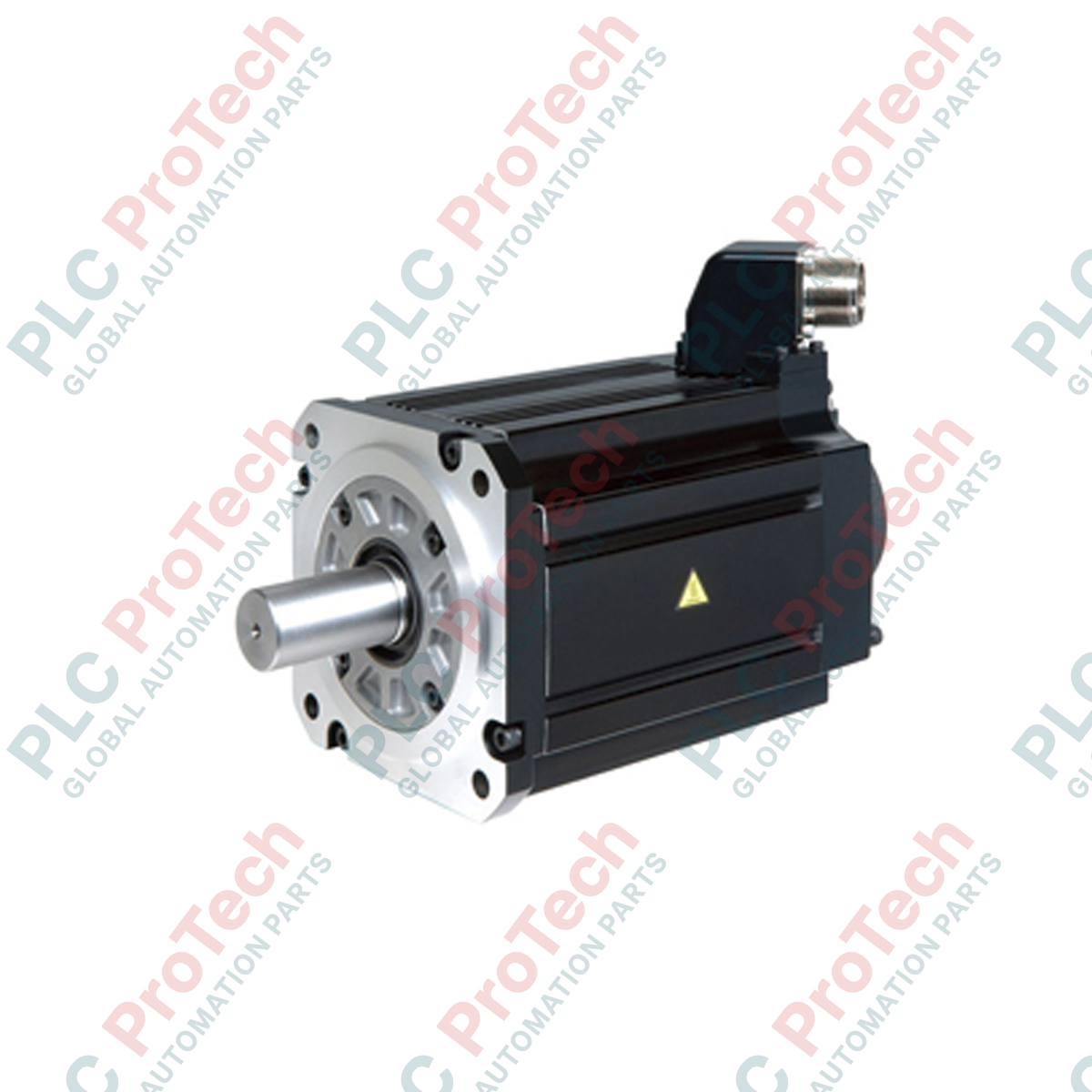
موتور سروو AC صنعتی HG-JR703 از شرکت Mitsubishi Electric برای کنترل حرکت صنعتی دشوار طراحی شده و عملکردی با اینرسی بالا را در اکوسیستم درایو MELSERVO-J4 ارائه میدهد. این موتور دوار صنعتی برای کاربردهایی بهینه شده است که به خروجی گشتاور پایدار و مدیریت بار با ظرفیت بالا نیاز دارند. این موتور با انکودر مطلق با وضوح بالای ۲۲ بیتی، حتی در شرایط سخت کاری، دقت موقعیتیابی و قابلیت اطمینان بازخورد دقیقی ارائه میکند. ساختار مستحکم با درجه حفاظت IP67، دوام طولانی را در محیطهای مستعد گردوغبار، رطوبت و پاشش روغنهای غیرخورنده تضمین میکند و آن را به گزینهای استاندارد برای سامانههای تولید و اتوماسیون سنگین تبدیل میسازد.
| پارامتر | مقدار |
|---|---|
| سازنده | میتسوبیشی الکتریک |
| شماره مدل | HG-JR703 |
| نام سری | سری HG-JR (MELSERVO-J4) |
| توان خروجی نامی | ۷٫۰ کیلووات |
| سرعت نامی | ۱۵۰۰ دور بر دقیقه |
| حداکثر سرعت | ۳۰۰۰ دور بر دقیقه |
| گشتاور نامی | ۴۴٫۶ نیوتنمتر |
| نوع انکودر | انکودر مطلق ۲۲ بیتی |
| درجه حفاظت IP | IP67 (بهجز شفت) |
| دمای محیط کار | ۰ تا ۴۰ درجه سانتیگراد |
| کشور سازنده | ژاپن |
| وزن حمل (محاسبهشده) | ۲۹٫۰ کیلوگرم |
HG-JR703 بهعنوان جانشین فنی مستقیم موتورهای سری قدیمی HC-SFS702 عمل میکند. هنگام مهاجرت از سری قدیمی، پارامترهای تقویتکننده سروو MR-J4 باید برای مطابقت با مشخصات وضوح مطلق ۲۲ بیتی دوباره پیکربندی شوند. اطمینان حاصل کنید که کابلهای برق و انکودر مرتبط نیز با طراحی مدرن کانکتور دوگانه قفلشونده ارتقا یافتهاند، زیرا آرایش پایهها با ترمینالهای پیچی قدیمی تفاوت دارد.
بهدلیل کلاس توان ۷٫۰ کیلووات و طراحی با اینرسی بالا، انرژی احیاکننده تولیدشده در چرخههای کاهش سرعت میتواند قابلتوجه باشد. هنگام طراحی تابلو کنترل، ظرفیت استاندارد احیای داخلی درایو اغلب طی چرخههای کاهش سرعت سریع کافی نیست. برای جلوگیری از خطاهای اضافهولتاژ (AL.30/AL.33) روی درایور، یک مقاومت گزینه احیای خارجی با ظرفیت نامی مناسب، مانند MR-RB137-4، نصب کنید. برای جلوگیری از بروز خطای قطع حرارتی در عملیات با چرخه کاری سنگین، از تهویه کافی در اطراف انتهای غیرمحرک اطمینان حاصل کنید.
انکودرهای با وضوح بالا به تداخل الکترومغناطیسی (EMI) حساس هستند. کابلهای برق و انکودر را در لولههای مجزا و با حداقل فاصله ۳۰ سانتیمتر عبور دهید. مطمئن شوید قاب موتور مستقیماً با استفاده از تسمه اتصال زمین کمامپدانس به شینه PE تابلو اصلی سیستم متصل به زمین شده است. برای عملکرد با موقعیت مطلق، پارامتر PA03 را در تقویتکننده MR-J4 پیش از آغاز توالی هومینگ تنظیم کنید.
پیش از انجام هرگونه سیمکشی یا کوپل مکانیکی روی موتور، مدارشکن اصلی تقویتکننده سروو را بیبرق کنید. حداقل ۱۵ دقیقه صبر کنید تا خازنهای باس داخلی کاملاً تخلیه شوند. پیش از لمس ترمینالها، بررسی کنید که چراغ شارژ روی پنل جلویی تقویتکننده کاملاً خاموش باشد.

Global Express Shipping
Returns & Warranty


ارسال سریع جهانی
بازگشت کالا و گارانتی
سفارشها از دوشنبه تا جمعه پردازش و تحویل داده میشوند (به جز تعطیلات رسمی).
برای شرایط کامل واجد شرایط بودن، هزینههای بازگردانی و جزئیات بازگشت بینالمللی، لطفاً صفحه رسمی ما را مشاهده کنید سیاست بازپرداخت و بازگشت کالا .
| Country of origin |
ایالات متحده آمریکا
|

یک توالی عملی برای راهاندازی اتصالهای OPC UA در KEPServerEX: مالکیت دادهها را مشخص کنید، تگها را بهصورت محلی آزمایش کنید، نقطه پایانی و اعتماد به گواهی را پیکربندی کنید، دسترسی را محدود کنید،...

راهاندازی یک PLC متصل به اترنت اغلب با لپتاپ شروع میشود، نه کنترلر. یاد بگیرید چگونه تنظیمات موجود را ثبت کنید، یک نشانی موقت انتخاب کنید، اتصال را آزمایش کنید و پیکربندی شبکه کارخانه را با ایمنی...

کنترل گردوغبار قابلاشتعال به چیزی فراتر از هشدارها نیاز دارد. بیاموزید چگونه تولید گردوغبار را نقشهبرداری کنید، تجهیزات اندازهگیری را انتخاب کنید، اینترلاکها را طراحی کنید، با بازخوردهای ناموفق...

سیمپیچیهای هِیرپین ضریب پُرشدگی شیار را افزایش میدهند و از موتورهای کششیِ فشرده پشتیبانی میکنند، اما هندسهٔ هادی، تلفات جریان متناوب، آسیب عایق، کیفیت جوش و خنککاری تعیین میکنند که آیا طراحی به...

از Ansible برای استانداردسازی تغییرات سرورهای SCADA بدون افزایش ریسک OT استفاده کنید. این راهنما موجودیها، پلیبوکهای ایدمپوتنت، آزمایش مرحلهای، اعتبارنامهها، ثبت گزارشها و کنترلهای عملی بازگشت...

یک VPN مسیر دسترسی به شبکه صنعتی را رمزگذاری میکند، اما کار امن از راه دور روی PLC به کنترل هویت، دسترسی بخشبندیشده، تأیید تغییرات، ثبت رویدادها، محدودههای عملیاتی ایمن و رویههای بازیابیِ...